
Navigating the complexities of vehicle ownership in Texas can sometimes feel like traversing a vast, unmarked landscape. One term that frequently surfaces, often with a degree of apprehension, is the “rebuilt title.” Understanding what a rebuilt title signifies is crucial for any Texan considering purchasing a used vehicle, or even those looking to sell one. It’s not merely a cosmetic descriptor; it’s a legal designation that carries significant implications for a vehicle’s history, value, and insurability. This comprehensive guide aims to demystify the Texas rebuilt title, providing clarity and empowering you with the knowledge to make informed decisions.
The Genesis of a Rebuilt Title
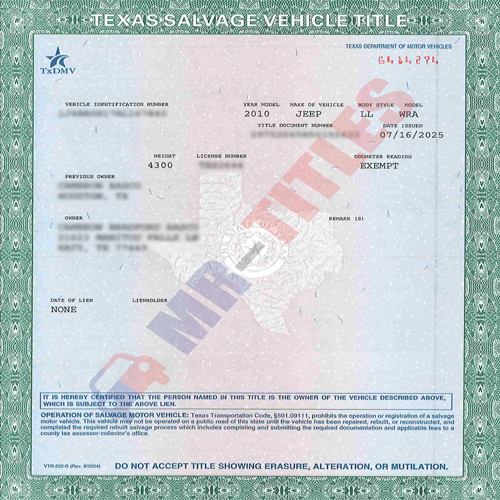
A rebuilt title in Texas is issued for a vehicle that has previously been declared a “salvage” vehicle. The salvage designation is applied by an insurance company when the cost to repair the vehicle after damage exceeds a certain threshold, typically a percentage of its pre-damage market value. This damage can stem from a variety of incidents, including collisions, floods, fires, or even theft recoveries where significant damage occurred.
Once a vehicle is declared a salvage, its title is branded as “salvage.” This means it can no longer be legally operated on public roads in its current state. The owner or a subsequent purchaser then has the option to repair the vehicle. If the repairs are completed to a safe and roadworthy standard, the vehicle can then undergo a rigorous inspection process administered by the Texas Department of Motor Vehicles (DMV). Upon successful completion of this inspection, the vehicle is issued a new title, now branded as “rebuilt.” This branding signifies that the vehicle was once a salvage but has since been repaired and deemed roadworthy.
Understanding the Salvage Designation
The initial “salvage” branding is the precursor to the rebuilt title. It’s important to understand why a vehicle might receive this designation:
- Collision Damage: The most common reason for a salvage title is severe damage from an accident. If the estimated repair costs to restore the vehicle to its pre-accident condition surpass the insurer’s threshold, it’s often declared a total loss.
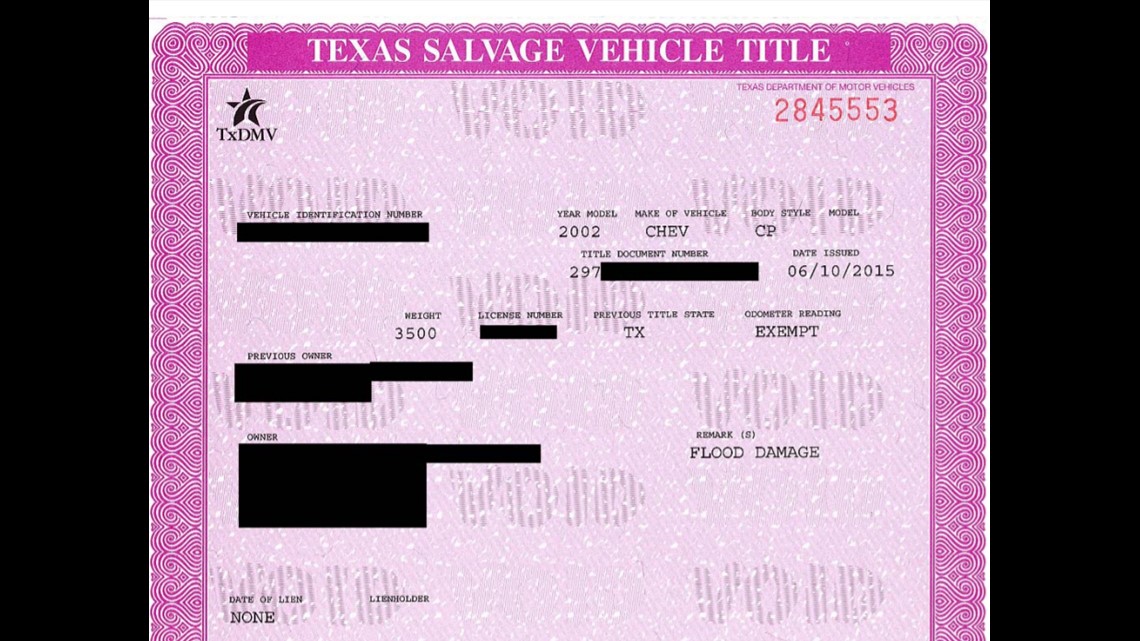
- Flood Damage: Vehicles submerged in floodwaters can suffer extensive electrical and mechanical damage that may not be immediately apparent. Insurers often declare these vehicles salvage to protect consumers from potential long-term issues.
- Fire Damage: Fires can warp frames, melt wiring, and compromise structural integrity, leading to a salvage title.
- Theft Recovery: If a stolen vehicle is recovered with significant damage, it may be branded as salvage.
- Vandalism: Extensive vandalism that compromises the vehicle’s safety or functionality can also result in a salvage title.
The salvage designation is a critical warning sign. It indicates that the vehicle has experienced a substantial incident that compromised its integrity. While repairs can restore its functionality, the underlying history remains.
The Rebuilt Process: Inspection and Certification
The transition from a salvage title to a rebuilt title in Texas is not automatic. It involves a stringent process designed to ensure the repaired vehicle is safe for public roads.
- Obtaining a Salvage Title: The first step is acquiring the vehicle with a salvage title. This could be directly from an insurance company or through a salvage auction.
- Repairing the Vehicle: The repairs must be performed by licensed professionals or the owner, but meticulous documentation of all parts and labor is essential. Receipts for all parts, invoices for any professional labor, and photographs of the damage before and after repairs are vital.
- DMV Inspection Application: Once repairs are complete, the owner must apply for a vehicle inspection at a Texas DMV-authorized inspection station.
- The Safety Inspection: This is the most critical phase. The vehicle will undergo a comprehensive safety inspection by a certified inspector. This inspection focuses on structural integrity, functionality of safety systems (brakes, airbags, lights, etc.), and overall roadworthiness. The inspector will verify that all repairs have been completed to a satisfactory standard.
- VIN Verification: The Vehicle Identification Number (VIN) will be thoroughly inspected to ensure it hasn’t been tampered with and matches all documentation.
- Title Application: If the vehicle passes the safety inspection, the owner can then apply for a new title, which will be branded as “rebuilt.”
This rigorous process ensures that a rebuilt title vehicle meets minimum safety standards. However, it’s important to remember that “rebuilt” does not necessarily equate to “like new.”
Implications of a Texas Rebuilt Title
Owning a vehicle with a rebuilt title in Texas comes with several important considerations that can affect its value, insurability, and resale potential.
Financial and Valuation Aspects
Vehicles with rebuilt titles typically command a lower market value than comparable vehicles with clean titles. This depreciation is a direct consequence of the vehicle’s damaged history. Potential buyers are often wary of rebuilt vehicles due to the uncertainties surrounding the extent and quality of repairs.
- Resale Value: When it comes time to sell a vehicle with a rebuilt title, expect it to be more challenging and to receive lower offers. The stigma associated with a rebuilt title can significantly deter buyers. Transparency about the vehicle’s history and the repairs performed is paramount.
- Financing: Securing a loan for a vehicle with a rebuilt title can be more difficult. Lenders are often hesitant due to the diminished value and potential risks associated with these vehicles. If financing is available, the loan terms may be less favorable.
- Trade-in Value: Most dealerships will offer significantly less for a trade-in vehicle with a rebuilt title, if they accept it at all. They factor in the difficulty and lower price point they will likely experience when reselling it.
Insurance Considerations
Obtaining insurance for a vehicle with a rebuilt title is often possible, but it might come with certain limitations.
- Coverage Options: While standard liability insurance is usually available, comprehensive and collision coverage might be more difficult to obtain, or may come with higher deductibles and premiums. Insurers view rebuilt vehicles as higher risk due to their past damage.
- Agreed Value Insurance: Some specialized insurance policies for classic or collector cars might not cover vehicles with rebuilt titles, as they typically require a clean title and a pristine condition.
- Disclosure: It is imperative to be honest with your insurance provider about the rebuilt title status. Failure to disclose this information could lead to your policy being canceled or claims being denied.
Legal and Registration Requirements
Registering a vehicle with a rebuilt title in Texas involves specific steps beyond standard vehicle registration.
- DMV Compliance: The vehicle must have passed the Texas DMV inspection to receive the rebuilt title. This ensures it meets state safety standards.
- Annual Inspections: Like all vehicles in Texas, vehicles with rebuilt titles are subject to annual safety and emissions inspections (in applicable counties). The rebuilt status does not exempt them from these requirements.
- Disclosure to Buyers: When selling a vehicle with a rebuilt title, sellers are legally obligated to disclose this information to potential buyers. Failure to do so can result in legal repercussions.
Buying or Selling a Vehicle with a Rebuilt Title
Purchasing or selling a vehicle with a rebuilt title requires due diligence and transparency.
For Buyers: Due Diligence is Key
If you are considering buying a vehicle with a Texas rebuilt title, proceed with extreme caution and conduct thorough investigations.
- Obtain a Vehicle History Report: Services like Carfax or AutoCheck can provide valuable insights into a vehicle’s past, including salvage events and title changes.
- Professional Pre-Purchase Inspection: This is non-negotiable. Take the vehicle to an independent, trusted mechanic who specializes in the make and model. They can identify potential issues that may not have been apparent during the DMV inspection or that may have arisen since the repairs. Pay close attention to the frame, suspension, and electrical systems.
- Review Repair Documentation: Ask the seller for all documentation related to the repairs, including receipts for parts, labor invoices, and any photographs taken during the repair process. This can offer a clearer picture of the work performed.
- Understand the Risks: Be realistic about the potential downsides, including lower resale value, potential for ongoing mechanical issues, and challenges with financing and insurance.
- Negotiate the Price: Factor in the risks and potential future costs when negotiating the purchase price. A rebuilt title vehicle should always be priced significantly lower than a comparable vehicle with a clean title.
For Sellers: Honesty and Transparency Prevail
Selling a vehicle with a Texas rebuilt title requires a commitment to honesty and providing potential buyers with all necessary information.
- Be Upfront About the Title Status: Disclose the rebuilt title status immediately and clearly. Trying to hide it will only lead to complications and potential legal issues.
- Provide Comprehensive Documentation: Gather all records related to the vehicle’s salvage history and subsequent repairs. This includes the original salvage title, receipts for parts and labor, and any inspection certificates.
- Be Prepared for Questions: Potential buyers will likely have many questions. Be ready to answer them honestly and thoroughly.
- Price Competitively: Understand that the market value of your vehicle will be significantly lower than a comparable clean-title vehicle. Research pricing for similar rebuilt title vehicles in your area.
- Consider a Pre-Sale Inspection: Offering a recent pre-sale inspection by a reputable mechanic can build buyer confidence and demonstrate your willingness to be transparent.
Is a Texas Rebuilt Title Right for You?
The decision to purchase or own a vehicle with a Texas rebuilt title is a personal one, dependent on your budget, risk tolerance, and mechanical knowledge. For some, a rebuilt title vehicle can represent a significant cost saving, offering a way to acquire a vehicle at a lower price point. If you are mechanically inclined, have access to affordable repair services, or are looking for a project vehicle, it might be a viable option.
However, for the average consumer seeking a reliable daily driver with minimal hassle, a clean title vehicle is generally the safer and more prudent choice. The potential for unexpected repairs, lower resale value, and insurance complexities associated with a rebuilt title can outweigh the initial cost savings.
Ultimately, understanding the journey of a vehicle from salvage to rebuilt is about recognizing its history and the implications that history carries. By arming yourself with knowledge, conducting thorough research, and prioritizing transparency, you can confidently navigate the world of vehicle titles in Texas and make decisions that align with your automotive needs and financial goals.
LifeOutOfTheBox is a participant in the Amazon Services LLC Associates Program, an affiliate advertising program designed to provide a means for sites to earn advertising fees by advertising and linking to Amazon.com. Amazon, the Amazon logo, AmazonSupply, and the AmazonSupply logo are trademarks of Amazon.com, Inc. or its affiliates. As an Amazon Associate we earn affiliate commissions from qualifying purchases.