
As the sun-drenched coastline of Florida beckons travelers with promises of pristine beaches and vibrant aquatic life, a persistent concern often surfaces: the presence of red tide. This naturally occurring phenomenon, scientifically known as Karenia brevis, can significantly impact the visitor experience, from beach accessibility to the very air one breathes. Understanding its current status is paramount for anyone planning a trip to the Sunshine State, especially for those eager to explore its renowned coastal attractions and engage in water-based activities.
Understanding Florida’s Red Tide
Red tide is a harmful algal bloom (HAB) caused by a microscopic dinoflagellate, Karenia brevis. These organisms produce potent neurotoxins that can accumulate in shellfish, making them unsafe for consumption, and can also be aerosolized, causing respiratory irritation in humans and marine life. While red tide is a recurring issue in the Gulf of Mexico, its intensity, duration, and geographical extent vary significantly from bloom to bloom. Factors such as nutrient levels, water temperature, and ocean currents all play a role in the development and dispersal of these blooms.

The Science Behind the Bloom
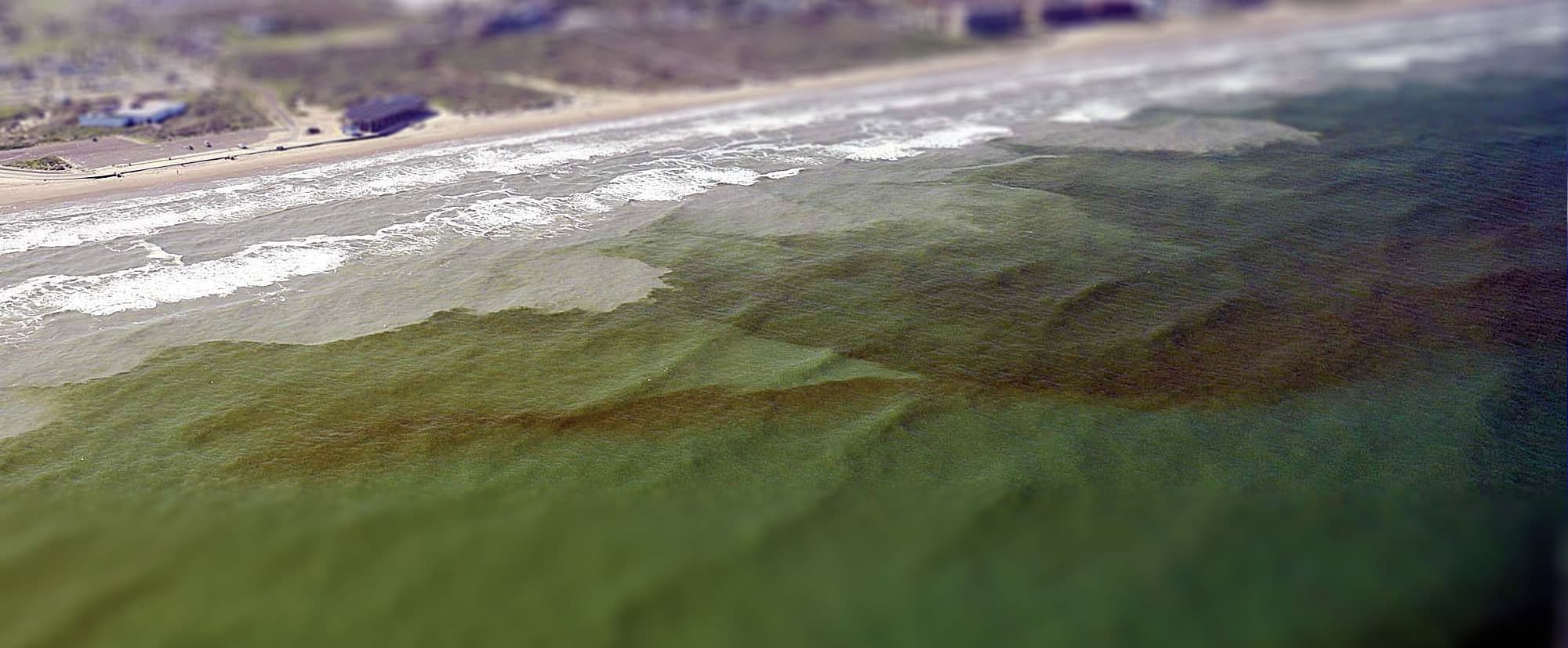
Karenia brevis is a ubiquitous presence in the waters off the coast of Southwest Florida. It typically thrives in offshore waters and can be carried closer to shore by prevailing winds and currents. When conditions are favorable, the population of these single-celled organisms can explode, leading to a “bloom.” This bloom is often characterized by discolored water, which can range from reddish-brown to green, hence the common name “red tide.” The toxins released by the algae are a natural defense mechanism, but they have devastating consequences for the marine ecosystem.
Impacts on the Environment and Visitors
The consequences of a significant red tide event are far-reaching. Marine life suffers immensely, with mass fish kills being a common and distressing sight. Sea turtles, dolphins, and manatees can also be affected, either by ingesting contaminated organisms or by inhaling aerosolized toxins. For visitors, the impacts can include:
- Respiratory Irritation: In coastal areas experiencing significant blooms, people can experience coughing, sneezing, and eye irritation due to the airborne toxins. This can make enjoying outdoor activities on the beach unpleasant.
- Beach Closures and Advisories: While not always leading to official closures, many local authorities issue advisories recommending that sensitive individuals avoid the beach. Beaches experiencing high concentrations of dead fish due to red tide are also generally avoided.
- Seafood Safety: Consuming shellfish harvested from waters affected by red tide can lead to neurotoxic shellfish poisoning. Regulatory agencies closely monitor shellfish beds, and harvesting is prohibited in affected areas.
- Reduced Water Activities: Swimming, surfing, and other water sports can be curtailed, especially if strong onshore winds are present, pushing the bloom and its effects closer to the shore.
Current Red Tide Status in Florida
Determining the precise current status of red tide in Florida requires consulting real-time monitoring data. This information is dynamic and can change rapidly based on the movement and intensity of blooms. The primary sources for this crucial information are state and federal agencies dedicated to environmental monitoring.
Monitoring and Reporting Mechanisms
The Florida Fish and Wildlife Conservation Commission (FWC) is the leading agency responsible for tracking and reporting on red tide conditions. They utilize a network of sampling stations along the coast, collecting water samples to assess the concentration of Karenia brevis and the presence of toxins.
The FWC publishes regular updates, including:
- Red Tide Status Maps: These visual representations show areas with varying levels of red tide, from background concentrations to high levels.
- Beach Condition Reports: These reports often provide localized information on whether respiratory irritation is being reported in specific beach communities.
- Water Quality Data: Detailed scientific data on algal counts and toxin levels is also made available.
Other valuable resources include the National Oceanic and Atmospheric Administration (NOAA) and local county health departments, which often correlate red tide reports with public health advisories.
Where to Find Real-Time Updates
For the most up-to-date information, travelers should consult the following:
- FWC Red Tide Status Page: This is the definitive source for official red tide reports and maps.
- County Health Department Websites: Many coastal counties in Florida provide local updates and advisories relevant to their specific communities.
- Local News Outlets: Newspapers and television stations in affected regions often report on current red tide conditions and their impact on local tourism and businesses.
Interpreting the Data
When reviewing red tide reports, it’s important to understand the terminology:

- None: No Karenia brevis cells detected.
- Very Low: Less than 1,000 cells per liter. Minimal impact expected.
- Low: 1,000 to 10,000 cells per liter. Some minor respiratory irritation possible, particularly for sensitive individuals.
- Moderate: 10,000 to 100,000 cells per liter. Respiratory irritation likely, and fish kills may be observed.
- High: Over 100,000 cells per liter. Significant respiratory irritation expected, and widespread fish kills are probable.
It’s also crucial to note the geographic location of the reported bloom. A red tide event impacting the beaches of Sanibel Island might have no effect on the shores of Miami Beach.
Planning Your Florida Visit Amidst Red Tide Concerns
While the presence of red tide can be a concern, it doesn’t have to derail a planned trip to Florida. Strategic planning and staying informed are key to a successful and enjoyable vacation.
Checking Conditions Before You Go
The most critical step is to check the red tide status for your specific destination in the weeks and days leading up to your departure. Websites like the FWC provide historical data that can offer some insight into seasonal trends, but real-time reports are the most reliable indicators of immediate conditions.
Alternative Destinations and Activities
If your intended destination is experiencing a severe red tide bloom, consider adjusting your itinerary. Florida boasts a diverse range of attractions, many of which are unaffected by coastal blooms:
- Inland Waterways and Springs: Explore the natural beauty of places like Wekiwa Springs State Park or take an airboat tour through the Everglades National Park. The fresh, clear waters of the springs are a refreshing alternative.
- Theme Parks: Orlando remains a vibrant hub of entertainment with world-renowned theme parks like Walt Disney World Resort and Universal Orlando Resort.
- Cultural Attractions: Many cities offer excellent museums, art galleries, and historical sites that provide a rich cultural experience regardless of coastal conditions. The Dalí Museum in St. Petersburg is a prime example.
- Northern Florida Coastline: While red tide is most prevalent in Southwest Florida, blooms can sometimes affect other coastal areas. Checking the status for the Panhandle or the Atlantic coast (e.g., St. Augustine) might reveal clearer waters.
On-the-Ground Preparedness
If you arrive at your destination and find that red tide conditions are affecting the beaches, several strategies can help mitigate the impact:
- Stay Informed Daily: Continue to check local advisories. Conditions can change, and a bloom that was present one day might have dissipated the next.
- Seek Out Beaches with Less Impact: Even within a generally affected region, some beaches might experience less severe conditions due to localized currents or wind patterns.
- Focus on Other Activities: If beachgoing is limited, explore other attractions. Many coastal towns offer excellent dining, shopping, and entertainment options that are not dependent on the state of the ocean.
- Protect Yourself: If experiencing respiratory irritation, it’s advisable to limit your time on the beach, especially during periods of high wind or when dead fish are present. Staying indoors or in air-conditioned spaces can provide relief. Consider using a mask if you have pre-existing respiratory conditions.
Economic and Environmental Implications
The ebb and flow of red tide blooms have significant repercussions beyond the immediate visitor experience. The economic vitality of many coastal communities in Florida is deeply intertwined with tourism and the seafood industry, both of which are vulnerable to the impacts of harmful algal blooms.
The Tourism Industry’s Resilience
For decades, the tourism industry has been a cornerstone of the Florida economy. Resorts, hotels, restaurants, and countless service providers rely on a steady stream of visitors. When red tide strikes, it can lead to cancellations and a decline in bookings, directly affecting these businesses. However, the industry has also demonstrated remarkable resilience. Many businesses adapt by promoting alternative attractions and services, focusing on the wealth of non-beach-related activities available. The development of robust monitoring and communication systems has also empowered both businesses and potential visitors to make informed decisions, reducing the element of surprise and allowing for proactive adjustments.
The Seafood Industry’s Challenges
The impact on Florida’s renowned seafood industry is equally profound. Red tide toxins can contaminate shellfish, leading to fishing closures and significant financial losses for fishermen and seafood processors. While finfish are not directly harmed by consuming the algae, they can be affected by the oxygen depletion that occurs as the bloom decays. Regulatory bodies work diligently to monitor and test harvested seafood, ensuring public safety, but the mere threat of contamination can depress market demand. Scientific research into mitigating bloom impacts and developing early warning systems is ongoing, aiming to protect this vital economic sector.
Conservation and Scientific Research
The recurring nature of red tide has spurred significant investment in scientific research aimed at understanding its causes, predicting its behavior, and potentially developing mitigation strategies. Researchers are exploring the role of nutrient runoff from agricultural and urban sources in exacerbating bloom intensity. The FWC and various university research institutions are at the forefront of this effort, employing advanced technologies from satellite imagery to genetic analysis to unravel the complex ecological dynamics at play. Conservation efforts focused on improving water quality and reducing nutrient pollution are seen as crucial long-term strategies for managing the frequency and severity of harmful algal blooms in Florida.
Conclusion: Navigating Florida’s Waters with Informed Expectations
Florida’s allure as a premier travel destination remains undiminished, even with the specter of red tide. By understanding the nature of this phenomenon, leveraging real-time monitoring resources, and adopting a flexible approach to travel planning, visitors can still experience the best that the Sunshine State has to offer. Whether it’s exploring its diverse inland landscapes, immersing oneself in its vibrant cultural offerings, or simply enjoying the unique coastal ecosystems when conditions permit, a trip to Florida can be both memorable and rewarding. The key lies in preparation, adaptability, and a healthy dose of informed expectation, allowing travelers to navigate the waters, both literal and figurative, with confidence and enjoyment.
LifeOutOfTheBox is a participant in the Amazon Services LLC Associates Program, an affiliate advertising program designed to provide a means for sites to earn advertising fees by advertising and linking to Amazon.com. Amazon, the Amazon logo, AmazonSupply, and the AmazonSupply logo are trademarks of Amazon.com, Inc. or its affiliates. As an Amazon Associate we earn affiliate commissions from qualifying purchases.