
The legal landscape surrounding capital murder in Texas is complex, reflecting the state’s rigorous approach to its most severe criminal offenses. Understanding this definition is crucial, not only for those within the legal profession but also for anyone interested in the intricacies of Texas jurisprudence and its implications for justice. This article delves into the specific elements that constitute capital murder in Texas, examining the criteria that elevate a homicide to this ultimate charge and the profound consequences it carries.
The Core Elements of Capital Murder in Texas
At its heart, capital murder in Texas involves a homicide that is committed under specific, egregious circumstances. The Texas Penal Code, specifically Chapter 19, outlines the offenses related to homicide, with Section 19.03 detailing capital murder. For a murder to be classified as capital, it must meet one of two primary conditions: the murder of a victim under certain circumstances or the intentional murder of multiple individuals.

Circumstances Elevating Murder to Capital Offense
The Texas legal framework identifies several specific circumstances that, when coupled with an intentional murder, elevate the charge to capital murder. These circumstances are designed to target homicides that are particularly heinous or that occur in conjunction with other serious criminal acts. Understanding these specific factors is key to grasping the definition.
Murder During the Commission of Another Felony
One of the most common ways a murder becomes a capital offense in Texas is if the killing occurs during the commission or attempted commission of certain enumerated felonies. This is often referred to as the “felony murder rule” in other jurisdictions, but in Texas, it’s a specific provision within the capital murder statute. The felonies that trigger this rule are serious offenses in themselves, and their commission, coupled with a resulting death, signifies an extreme level of culpability. These enumerated felonies include, but are not limited to:
- Burglary: The unlawful entry into a habitation with the intent to commit a felony, theft, or an assault.
- Robbery: The taking of property from a person by force or threat of force.
- Arson: The intentional burning of a building or other real property.
- Sexual Assault: Non-consensual sexual intercourse.
- Kidnapping: Unlawfully restraining another person.
- Aggravated Kidnapping: Kidnapping with the intent to hold the victim for ransom, reward, or other unlawful purposes, or if the victim is a child younger than 15.
- Terroristic Threat: Making a threat to commit an act of violence with the intent to cause substantial disruption of a routine operation of a government or governmental facility.
- Trafficking of Persons: Facilitating the recruitment, transportation, harboring, or receiving of a person through force, fraud, or coercion for the purpose of sexual servitude.
The critical element here is that the intent to commit the underlying felony is sufficient; there is no requirement to prove the intent to kill. If a death occurs as a result of the commission or attempted commission of one of these specified felonies, the perpetrator can be charged with capital murder.
Specific Victim or Intentional Targeting
Beyond the felony murder provisions, Texas law also defines capital murder based on the identity of the victim or the specific intent of the perpetrator. These provisions target homicides that are considered particularly abhorrent due to the status of the victim or the calculated nature of the killing.
- Murder of a Peace Officer or Firefighter: Intentionally causing the death of a police officer, sheriff, deputy sheriff, constable, or a member of a fire department who is acting in the lawful discharge of their official duties. This provision recognizes the vital role these individuals play in public safety and the extreme danger they face.
- Murder of a Child Under Six Years of Age: Intentionally causing the death of a child younger than six years of age. This reflects a societal abhorrence for violence against the most vulnerable.
- Murder for Remuneration (Hire): Intentionally causing the death of another person for remuneration, or the person hires another to cause the death of another and the death occurs. This targets contract killings and organized crime.
- Murder During Escape or Attempted Escape: Intentionally causing the death of another person while the defendant is escaping or attempting to escape from a penal institution. This addresses the heightened threat posed by individuals who have already been incarcerated.
- Murder of a Judge or Official: Intentionally causing the death of a judge, justice of the peace, or officer of the court in retaliation for or on account of the performance of official duties.
- Murder Resulting in Multiple Deaths: Intentionally causing the death of more than one person during the same criminal transaction. This is often referred to as a “double homicide” or “multiple murder” scenario.
- Murder Committed in a Peculiar and Aggravated Manner: While not a standalone category in the same way as others, the statute also includes a provision for murder committed in a “peculiar and aggravated manner” which is sometimes interpreted to encompass particularly brutal or sadistic killings, though this is less frequently invoked as a distinct element compared to the enumerated felonies or specific victim types.
Distinguishing Capital Murder from Other Homicide Offenses
It is crucial to differentiate capital murder from other forms of homicide in Texas, such as murder, manslaughter, and criminally negligent homicide.
- Murder: Under Section 19.02 of the Texas Penal Code, murder is committed if a person intentionally or knowingly causes the death of an individual, or intends to cause serious bodily injury and commits an act clearly dangerous to human life that causes death.
- Manslaughter: This involves causing the death of an individual recklessly.
- Criminally Negligent Homicide: This occurs when a person causes the death of an individual by criminal negligence.
The key distinction for capital murder lies in the presence of the aggravating factors mentioned above, which elevate an otherwise intentional or knowing murder to the most serious category. The state must prove not only that the defendant caused the death but also that one of the specific statutory aggravating factors was present.
The Implications of a Capital Murder Charge
A capital murder charge in Texas carries the most severe potential penalties under state law. This is precisely why the definition is so meticulously crafted and why the burden of proof on the prosecution is exceptionally high.
Penalties and Sentencing
If an individual is convicted of capital murder in Texas, they face two primary sentencing possibilities:
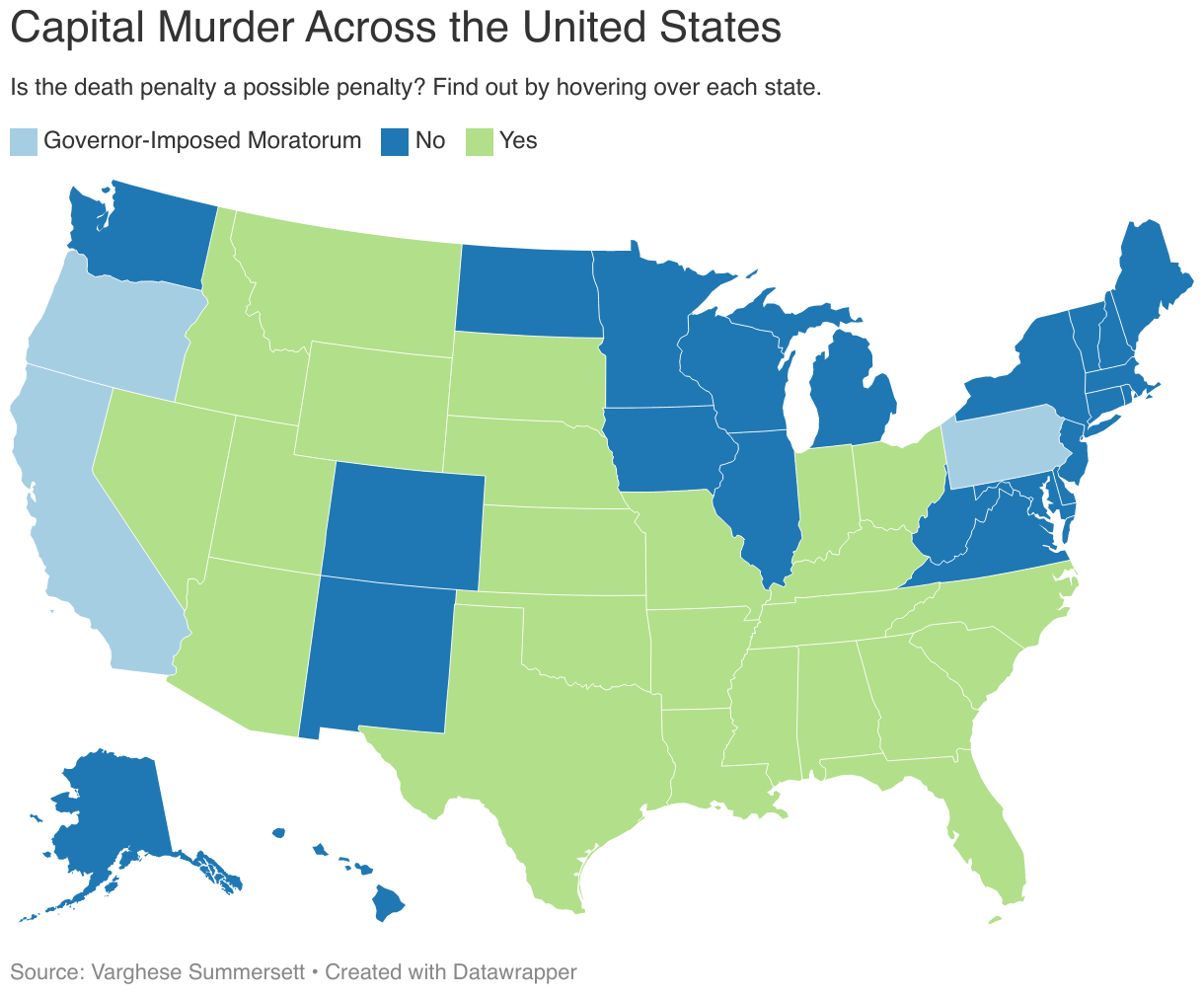
- Death Penalty: Texas is one of the states that still imposes capital punishment. In a capital murder case, if the prosecution seeks the death penalty and the jury finds the defendant guilty, a separate sentencing phase is conducted. During this phase, the jury must determine whether the defendant poses a continuing threat to society and whether there are mitigating circumstances that would preclude a death sentence. If the jury answers these special issues in the affirmative, the sentence will be death.
- Life Imprisonment Without Parole: If the jury does not sentence the defendant to death, or if the prosecution does not seek the death penalty, the mandatory sentence for a capital murder conviction is life imprisonment without the possibility of parole. This means the convicted individual will spend the remainder of their natural life incarcerated.
The gravity of these potential outcomes underscores the importance of a thorough understanding of the capital murder statute and the rights of the accused.
Legal Defenses and Prosecution Strategies
Defending against a capital murder charge is an arduous undertaking. Prosecutors will meticulously build a case to prove each element of the offense, including the underlying criminal act and the death of the victim, as well as the specific aggravating circumstance.
Common defense strategies can include:
- Challenging the Intent: Arguing that the defendant did not have the specific intent required for murder or capital murder.
- Disputing the Nexus: Contesting the connection between the commission of the underlying felony and the death of the victim.
- Identifying Alternative Perpetrators: Presenting evidence that suggests someone else committed the crime.
- Arguing for Lesser Included Offenses: Seeking a conviction for murder, manslaughter, or criminally negligent homicide, rather than capital murder.
- Presenting Mitigating Evidence: In the sentencing phase, presenting evidence of the defendant’s background, mental state, or other factors that might persuade a jury against the death penalty.
The prosecution, conversely, will focus on presenting overwhelming evidence to establish the defendant’s guilt beyond a reasonable doubt, meticulously detailing the aggravating circumstances that justify a capital murder conviction. This often involves extensive forensic evidence, witness testimony, and detailed timelines of events.

Conclusion: The Stringency of Texas Capital Murder Law
The definition of capital murder in Texas is characterized by its specificity and its grave implications. It is not merely a murder; it is a murder committed under the most egregious circumstances, either during the commission of a serious felony or involving a particularly vulnerable victim or a calculated motive. The law’s intent is to reserve the most severe penalties for those who commit the most heinous of crimes, reflecting a societal commitment to justice and public safety. For those navigating the complexities of the Texas legal system, understanding the precise elements of capital murder is paramount.
LifeOutOfTheBox is a participant in the Amazon Services LLC Associates Program, an affiliate advertising program designed to provide a means for sites to earn advertising fees by advertising and linking to Amazon.com. Amazon, the Amazon logo, AmazonSupply, and the AmazonSupply logo are trademarks of Amazon.com, Inc. or its affiliates. As an Amazon Associate we earn affiliate commissions from qualifying purchases.