
The perception of Alaska often conjures images of endless snow, towering glaciers, and a persistent, biting cold. While these elements are undeniably part of its magnificent character, to assume Alaska never gets warm would be a significant oversight and a disservice to the diverse experiences it offers travelers. The Last Frontier, far from being a perpetually frozen wilderness, experiences distinct seasons, including surprisingly mild and even genuinely warm summers that invite a different kind of adventure. Understanding these seasonal nuances is crucial for any traveler planning a journey to this captivating state.
Dispelling the Arctic Myth: Alaska’s Seasonal Nuances
Alaska’s sheer size and varied geography mean that its climate is far from uniform. From the temperate rainforests of the Southeast to the interior’s continental extremes and the Arctic’s polar conditions, warmth is a relative and regional concept that profoundly impacts travel experiences.
Understanding Alaska’s Diverse Climate Zones
The state can be broadly divided into several climatic regions, each with its own rhythm of warmth and cold. The Southeast, home to cities like Juneau and Ketchikan, features a maritime climate characterized by mild winters, cool summers, and abundant rainfall, akin to the Pacific Northwest. Further north, the Southcentral region, including Anchorage and the Kenai Peninsula, offers a transitional climate with warmer summers and moderate winters. The Interior, encompassing Fairbanks and Denali National Park, experiences true continental extremes: very cold winters and surprisingly hot summers. Finally, the Arctic and Southwest regions maintain a predominantly cold, often windy climate year-round, though even these areas see their temperatures rise above freezing in summer. This geographical diversity means that “warm” in Alaska can range from comfortable shorts-and-t-shirt weather in Fairbanks to merely pleasant layering weather along the Inside Passage.
The Warmth of Summer: A Traveler’s Surprise
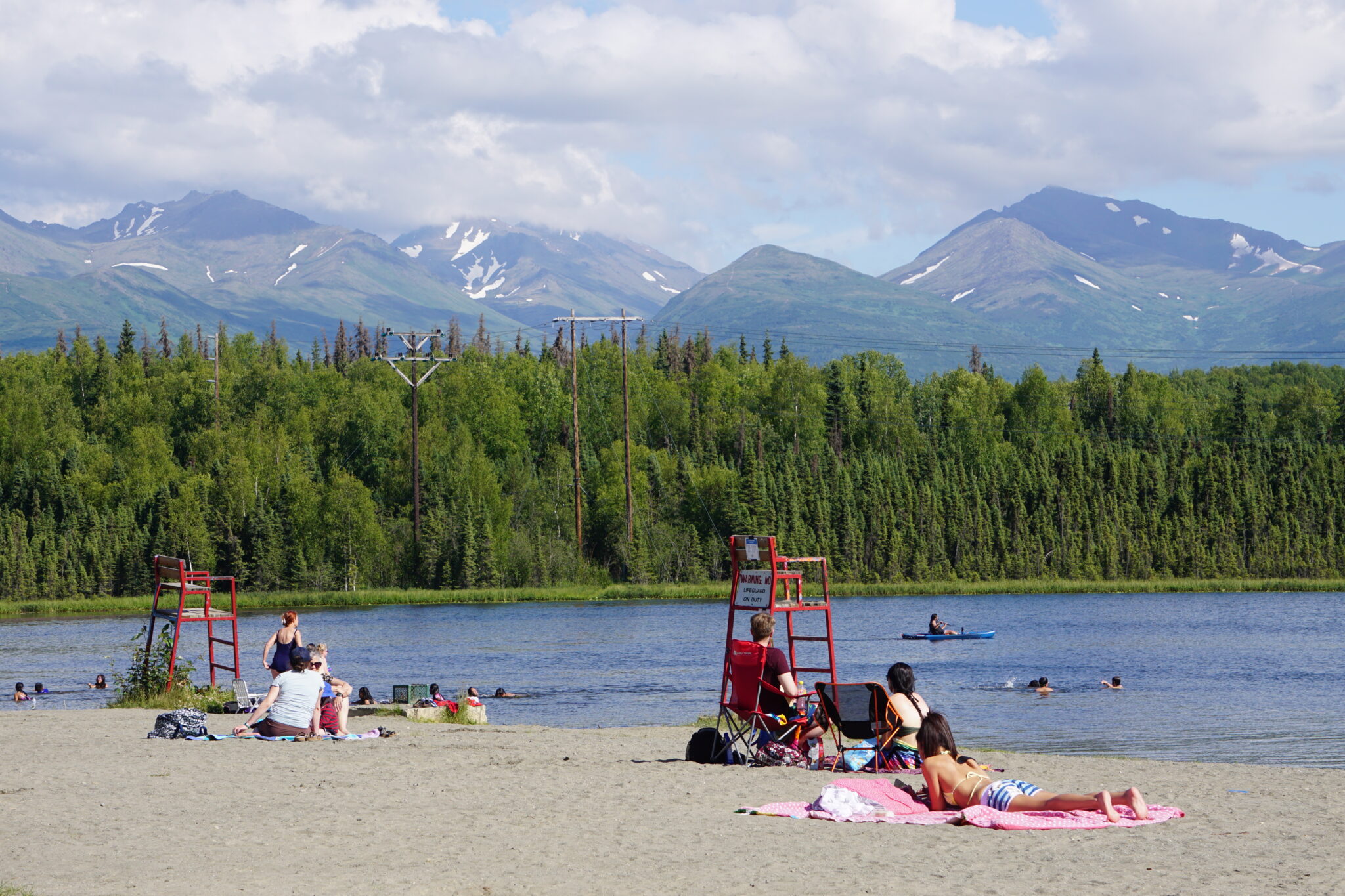
For many travelers, the most delightful revelation about Alaska is its summer warmth. From June to August, much of the state sheds its icy mantle, transforming into a vibrant landscape teeming with life and bathed in near-endless daylight. Average daytime temperatures in popular travel destinations often hover in the 60s Fahrenheit (15-20°C), but it’s not uncommon for temperatures to reach the 70s or even 80s Fahrenheit (20-27°C) in the Interior. These pleasant temperatures, coupled with the extended daylight hours—sometimes up to 20 hours a day in Fairbanks—create ideal conditions for outdoor activities, making summer the peak travel season. This period is when Alaska truly “gets warm” in a way that allows for comfortable exploration without the constant need for heavy winter gear.
Shoulder Seasons: A Unique Appeal
While summer undoubtedly brings the warmest temperatures, the shoulder seasons of late spring (May-early June) and early fall (September) offer a different, subtler kind of warmth and charm. During these periods, temperatures are cooler than mid-summer but often remain pleasant, particularly in the afternoons. Spring witnesses the thawing landscape come alive, with nascent flora and returning wildlife. Fall ushers in a spectacular display of golden and crimson foliage, crisp air, and fewer crowds, making for a serene travel experience. These seasons might not be “warm” in the conventional sense, but they provide a comfortable climate for those seeking a quieter, often more budget-friendly, and profoundly scenic Alaskan adventure.
Peak Warmth: Summer Travel in the Last Frontier
Summer in Alaska is not just warm; it’s a season of boundless energy, lush landscapes, and an unparalleled array of outdoor activities. This is when the state truly comes alive, offering some of the most memorable travel experiences.
Ideal Temperatures for Exploration
During June, July, and August, the bulk of Alaska’s popular tourist regions experience average daily temperatures that are perfect for active exploration. In Southcentral cities like Anchorage and Seward, expect highs in the low to mid-60s Fahrenheit (15-18°C), with many days climbing higher. The Interior, around Fairbanks and Denali National Park, often sees the warmest temperatures, with averages in the low 70s Fahrenheit (21-23°C) and occasional spikes into the 80s (27°C). Even the Southeast, while wetter, offers pleasant temperatures in the high 50s and low 60s Fahrenheit (12-18°C), ideal for exploring charming port towns and rainforest trails. These conditions are conducive to long days spent hiking, fishing, wildlife viewing, and cruising.
Popular Summer Destinations and Activities
With the arrival of warmer weather, Alaska’s iconic destinations become fully accessible and vibrant.
- Denali National Park: The park road opens fully, allowing access to unparalleled views of Denali (Mount McKinley) and abundant wildlife viewing opportunities—grizzly bears, moose, caribou, and Dall sheep are frequently spotted. Hiking and bus tours are prime activities.
- Anchorage and Southcentral: Anchorage serves as a bustling hub for travelers, offering cultural attractions, diverse dining, and easy access to outdoor pursuits. Nearby, the Kenai Peninsula is a haven for fishing, kayaking, and glacier viewing in Kenai Fjords National Park near Seward or Homer.
- Inside Passage Cruises: This is arguably the most popular way to experience Southeast Alaska in summer. Cruises offer stunning glacier views, opportunities to spot whales and marine life, and stops in picturesque towns like Juneau, Skagway, and Ketchikan. Activities include kayaking through fjords, exploring Mendenhall Glacier, and flightseeing.
- Fairbanks and the Interior: Beyond its winter fame for the Northern Lights, Fairbanks transforms into a summer paradise for riverboat cruises, Gold Rush history, and access to Arctic adventures further north.
- Wildlife Viewing: Summer is prime time for spotting Alaska’s iconic wildlife. Bears are active, salmon runs bring opportunities for bear viewing and sport fishing, and marine mammals are abundant in coastal waters.
What to Pack for an Alaskan Summer

Despite the potential for warm temperatures, the key to successful summer travel in Alaska is strategic layering. Even on the warmest days, evenings can be cool, and weather can change rapidly. Essential items include:
- Moisture-wicking base layers: To manage perspiration during active days.
- Insulating mid-layers: Such as fleece jackets or down vests for cooler moments.
- Waterproof and windproof outer shell: Crucial for protection against rain and wind, especially common in coastal areas and during boat tours.
- Comfortable hiking shoes/boots: Waterproof is highly recommended.
- Sun protection: Hat, sunglasses, and sunscreen are vital due to the long daylight hours and reflective surfaces like glaciers.
- Insect repellent: Mosquitoes can be prevalent in some areas, particularly in the Interior.
Beyond Summer: Experiencing Alaska’s Other Faces
While summer offers the warmest embrace, Alaska’s other seasons, though cooler, reveal unique aspects of its beauty and are equally rewarding for the discerning traveler.
Spring’s Awakening: Mildness and Wildlife
Late April and May see Alaska slowly emerge from winter’s grip. Temperatures are milder, typically in the 40s and 50s Fahrenheit (4-15°C), and snowmelt invigorates rivers and waterfalls. This is a fantastic time for wildlife viewing as animals, like moose and bear cubs, become more active and visible. It’s also a quieter time to visit, with fewer tourists and often lower prices, offering a more intimate experience of the awakening wilderness. The landscape, while not yet fully green, boasts a fresh, clean beauty as it prepares for the full bloom of summer.
Autumn’s Golden Glow: Crisp Air and Fewer Crowds
September and early October in Alaska are characterized by crisp, cool air, brilliant fall foliage, and the magical return of the Northern Lights as nights grow longer. Daytime temperatures typically range from the 40s to low 60s Fahrenheit (4-18°C), making it comfortable for hiking and scenic drives amidst a backdrop of golden birch and aspen. Salmon runs are still active, attracting bears, and migratory birds are on the move. This season offers a different kind of warmth – the visual warmth of vibrant colors and the serene atmosphere of fewer visitors, making it ideal for photographers and those seeking tranquility.
Winter’s Chill: A Different Kind of Warmth
Of course, Alaska is most renowned for its winters, and while the temperatures are undeniably cold, often dropping well below freezing, the state offers a distinct kind of warmth in its cozy lodges, vibrant communities, and spectacular natural phenomena. Activities like dog sledding, cross-country skiing, ice fishing, and snowmobiling provide exhilarating ways to experience the snowy landscape. The crown jewel of winter travel is the search for the Northern Lights, best viewed in the Interior near Fairbanks, where clear, dark nights are common. While not warm climatically, the profound beauty and unique adventures of an Alaskan winter offer a deep, unforgettable experience that draws travelers seeking a true wilderness escape.
Preparing for Your Alaskan Adventure: Practical Travel Tips
Regardless of when you choose to visit, a well-planned trip will enhance your Alaskan experience, ensuring you are comfortable and ready for any weather condition.
Layering is Key: Dressing for Variable Weather
As reiterated, layering is paramount for any Alaskan journey, even in summer. The weather can be unpredictable, with sunshine quickly giving way to rain, wind, or even a sudden drop in temperature. Having adaptable clothing allows you to adjust to changing conditions throughout the day. Always include a waterproof outer layer, warm mid-layers, and moisture-wicking base layers in your packing list.
Booking Your Trip: Timing and Availability
Summer is the peak travel season, meaning popular tours, accommodations, and transportation options, such as the Alaska Marine Highway System or small aircraft charters, can book up months in advance. If planning a summer trip, secure your reservations early. Shoulder seasons offer more flexibility and potentially lower prices for flights and lodging. Winter travel, while less crowded, also requires specific planning, especially for specialized tours like Northern Lights viewing expeditions or Iditarod Trail Sled Dog Race experiences.

Transportation Considerations
Alaska’s vastness means transportation is a significant part of the travel experience. For coastal exploration, cruises or the Alaska Marine Highway System (ferries) are popular. Inland, rental cars are essential for flexibility, especially outside major cities. Scenic railroads, like the Alaska Railroad, offer breathtaking journeys between destinations like Seward, Anchorage, and Fairbanks. For remote areas and flightseeing, small aircraft are a common and exhilarating mode of transport, offering unparalleled aerial views of glaciers, mountains, and wildlife. Researching and booking your transportation well in advance is critical to a seamless Alaskan adventure.
In conclusion, to ask “Does Alaska get warm?” is to uncover a delightful truth: yes, it absolutely does. Its summers are surprisingly warm and inviting, offering a prime window for exploration, while its other seasons reveal unique, albeit cooler, charms. Travelers who understand and prepare for Alaska’s diverse climates will discover a destination that is not only breathtakingly beautiful but also far more nuanced than its icy reputation suggests.
LifeOutOfTheBox is a participant in the Amazon Services LLC Associates Program, an affiliate advertising program designed to provide a means for sites to earn advertising fees by advertising and linking to Amazon.com. Amazon, the Amazon logo, AmazonSupply, and the AmazonSupply logo are trademarks of Amazon.com, Inc. or its affiliates. As an Amazon Associate we earn affiliate commissions from qualifying purchases.