
East Texas is a region of the United States that evokes images of rolling piney woods, charming small towns, and a rich tapestry of history and culture. Defining its precise boundaries can be a delightful exploration in itself, as the perceived “East Texas” can shift subtly depending on who you ask and what aspects of the region they emphasize. However, for the purpose of travel and understanding its unique appeal, East Texas generally encompasses a vast swathe of the northeastern portion of the state, characterized by distinct geographical features and a shared sense of identity.
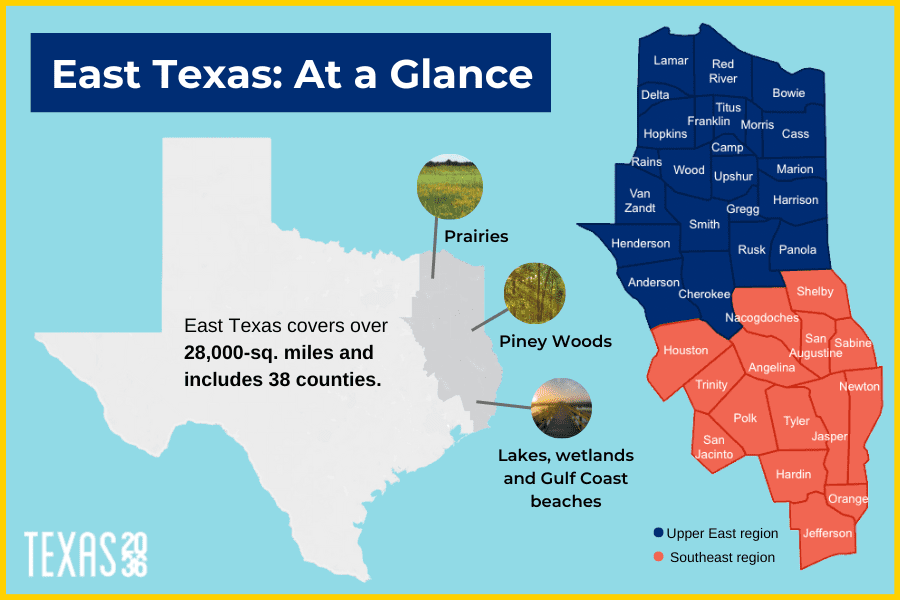
The region is most famously defined by the Piney Woods, a vast forested area that covers much of its territory. This ecological zone sets East Texas apart from the drier, more arid landscapes found elsewhere in the state. The dense forests of loblolly pines, shortleaf pines, and various hardwoods create a serene and picturesque environment, offering a stark contrast to the urban sprawl of major Texas cities. This natural beauty forms the backbone of many of East Texas’s travel and tourism offerings, from scenic drives and hiking trails to opportunities for birdwatching and exploring unique ecosystems.
Geographical Boundaries and Key Characteristics
While not officially demarcated by strict state lines, the commonly accepted geographical parameters of East Texas are based on a combination of its dominant ecosystem, its historical settlement patterns, and its relationship with major metropolitan areas.
The Dominant Piney Woods Ecosystem
The defining feature of East Texas is undoubtedly the Piney Woods. This ecoregion is characterized by its sandy soils, abundant rainfall, and, of course, its extensive pine forests. The region extends north to the Oklahoma border and south towards the Gulf Coast. Its western boundary is often considered to be the edge of the forested land, where the terrain begins to transition into the Blackland Prairies and the Post Oak Belt. This transition zone is a dynamic one, and some interpretations may include areas that are not entirely dominated by pines but share cultural and historical ties with the core East Texas region.
Major Rivers and Waterways
Several significant rivers and lakes play a crucial role in shaping the geography and providing recreational opportunities within East Texas. The Sabine River forms a portion of the border with Louisiana, while the Trinity River winds its way through the heart of the region. Large reservoirs such as Lake Sam Rayburn, Lake Palestine, and Lake Cypress Springs are popular destinations for boating, fishing, and water sports, drawing visitors from across the state and beyond.
Proximity to Major Metropolitan Centers
The influence of larger cities also plays a role in defining East Texas in a practical sense. While the region is known for its rural charm, its proximity to major hubs like Dallas-Fort Worth and Houston means that many East Texas towns serve as popular weekend getaways and destinations for those seeking a break from urban life. This often means that areas within a few hours’ drive of these cities are more readily considered “East Texas” by those planning trips.
Cultural and Historical Significance
Beyond its geography, East Texas boasts a rich cultural and historical heritage that has been shaped by a variety of influences, from Native American tribes and early European settlers to its role in the oil boom and its distinctive Southern charm.
Early Inhabitants and Settlement
The land now known as East Texas was historically home to various Native American tribes, including the Caddo people, who established sophisticated societies in the region. European settlement began in earnest in the 19th century, with pioneers drawn by the fertile land and abundant timber resources. The development of agriculture, particularly cotton farming, played a significant role in the region’s early economy and social structure.
The Age of Oil and Timber
The discovery of vast oil reserves in the early 20th century, particularly in the East Texas Oil Field, dramatically transformed the region’s economy and landscape. Towns like Kilgore and Gladewater experienced rapid growth and became centers of the petroleum industry. Simultaneously, the logging industry thrived, with vast tracts of pine timber being harvested to fuel the growth of both regional and national markets. Remnants of this era can still be explored at various historical sites and museums throughout East Texas.
Southern Influence and Distinct Identity
East Texas shares many cultural similarities with the Deep South, including its cuisine, music, and a generally slower pace of life. This Southern influence is evident in the hospitality of its people and the traditions that are still cherished in its many small communities. This distinct identity, forged by its unique history and geography, makes East Texas a compelling destination for travelers seeking an authentic slice of American heritage.
Top Destinations and Experiences in East Texas
The allure of East Texas lies in its diverse range of attractions, catering to a variety of interests, from nature enthusiasts and history buffs to those simply seeking a peaceful retreat.
Nature and Outdoor Adventures
The Piney Woods region is a paradise for outdoor lovers.
Hiking and Camping
Numerous state parks and national forests offer extensive trail systems for hiking and backpacking. Palo Duro Canyon State Park (though technically in the Texas Panhandle, often mentioned in broader Texas adventure contexts, its inclusion here is a point of regional exploration for some travelers) provides dramatic geological formations, while Big Thicket National Preserve is renowned for its incredible biodiversity and unique ecosystems, often referred to as “the place where four distinct botanical provinces meet.” Campgrounds are plentiful, offering opportunities for immersive stays amidst the natural beauty.
Water Recreation
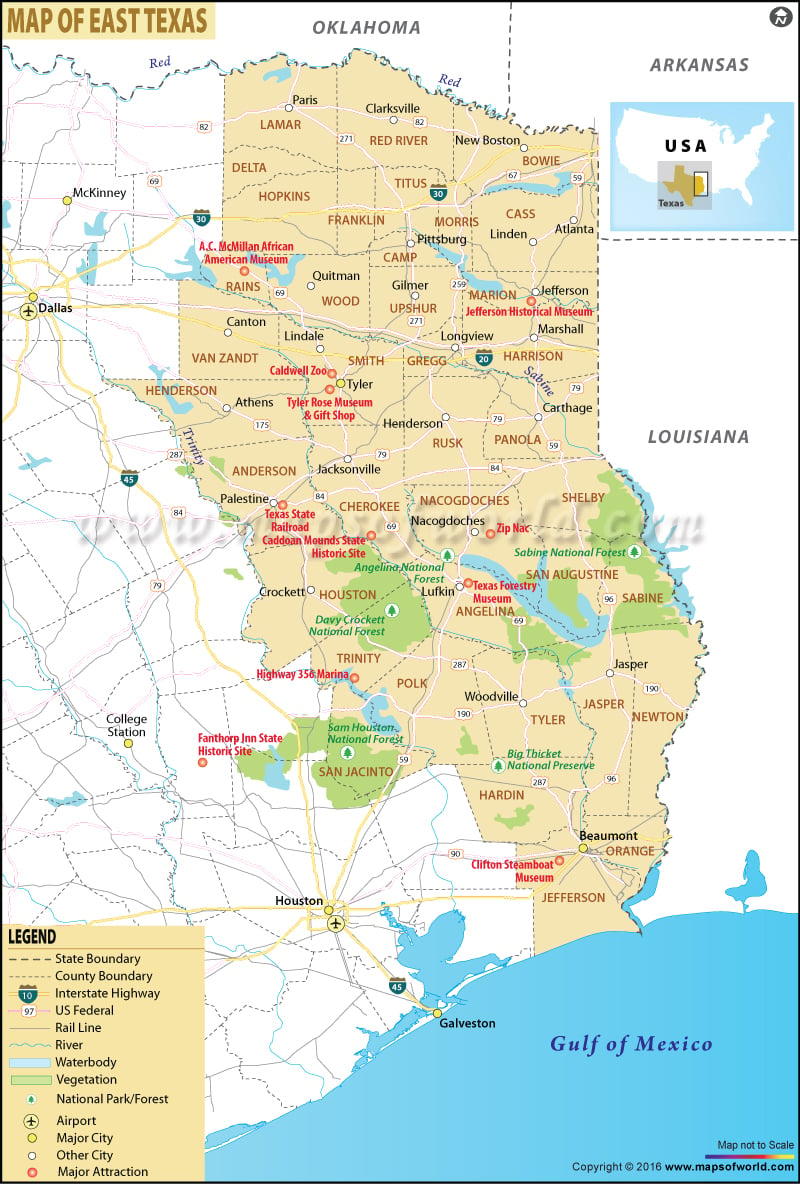
The numerous lakes and rivers provide excellent venues for boating, fishing, swimming, and kayaking. Lake Sam Rayburn, one of the largest reservoirs in Texas, is a prime spot for bass fishing and waterskiing. The slower-moving rivers also offer gentle paddling experiences through scenic waterways.
Scenic Drives
East Texas is perfect for scenic drives, with routes winding through fragrant pine forests and past picturesque small towns. The Texas Forest Trail National Scenic Byway is a popular choice, offering access to many of the region’s charming communities and natural wonders.
Charming Small Towns and Historical Sites
East Texas is dotted with countless charming small towns, each with its own unique character and history.
Historic Downtowns
Many of these towns boast well-preserved historic downtowns, featuring Victorian architecture, antique shops, and local eateries. Jefferson, with its brick-lined streets and horse-drawn carriage rides, is a quintessential example, often described as “the most haunted town in Texas” and a popular destination for historical tours. Nacogdoches, the oldest town in Texas, offers a rich blend of history, including the Old Stone Fort Museum.
Museums and Cultural Attractions
From the Texas State Railroad State Park in Palestine to the East Texas Oil Museum in Kilgore, numerous museums offer insights into the region’s past, from its pioneer days to its oil boom era. These sites provide a tangible connection to the historical narratives that have shaped East Texas.
Festivals and Local Events
Throughout the year, East Texas comes alive with a vibrant calendar of festivals and local events. These celebrations often highlight regional traditions, local produce, and the strong sense of community. From apple festivals in the fall to chili cook-offs and music festivals in the summer, there’s always something to experience. Attending these events is a fantastic way to immerse yourself in the local culture and meet the warm-hearted residents of East Texas.
Planning Your East Texas Journey
To make the most of your exploration of East Texas, understanding its logistical nuances and embracing its laid-back pace is key. Whether you’re planning a short getaway or an extended adventure, a little foresight will enhance your experience.
Transportation and Accessibility
East Texas is best explored by car. While major highways connect the larger towns, many of the most scenic routes and charming communities are best reached via smaller state and county roads. Renting a car is highly recommended for the flexibility it offers. Major airports serving the region include East Texas Regional Airport near Longview and Tyler Pounds Regional Airport in Tyler, though most visitors will likely fly into larger hubs like Dallas-Fort Worth or Houston and drive from there.
Accommodation Options
The region offers a diverse range of accommodation to suit every traveler’s needs.
Bed and Breakfasts and Inns
Many of the historic towns, particularly Jefferson, are renowned for their charming bed and breakfasts and historic inns. These establishments often occupy beautifully restored Victorian homes, offering a unique and intimate lodging experience. Staying in a B&B is a perfect way to connect with the local atmosphere and enjoy personalized hospitality.
Hotels and Motels
Larger towns and cities like Tyler, Longview, and Nacogdoches offer a selection of standard hotels and motels, providing comfortable and convenient lodging for travelers. These options are often situated near major thoroughfares and business districts.
Cabins and Vacation Rentals
For those seeking a more secluded experience, particularly in the Piney Woods region, cabins and vacation rentals are abundant. These can range from rustic lakeside cottages to more luxurious homes, offering privacy and a connection to nature.

Best Times to Visit
East Texas experiences a temperate climate with four distinct seasons. Spring (March to May) and Fall (September to November) are generally considered the best times to visit. During these months, the weather is pleasant, with mild temperatures ideal for outdoor activities. Spring brings blooming wildflowers, while fall offers spectacular foliage in the forests. Summers can be hot and humid, especially in July and August, but are still popular for lake activities. Winters are generally mild, with occasional cold snaps, and can be a peaceful time to visit, especially for those who enjoy the quiet beauty of the dormant forests.
East Texas offers a compelling blend of natural beauty, rich history, and warm Southern hospitality. From its verdant pine forests and tranquil lakes to its charming historic towns and vibrant local culture, the region provides a unique and rewarding travel experience. Whether you’re seeking adventure in the great outdoors or a peaceful escape into a bygone era, East Texas invites you to discover its many treasures.
LifeOutOfTheBox is a participant in the Amazon Services LLC Associates Program, an affiliate advertising program designed to provide a means for sites to earn advertising fees by advertising and linking to Amazon.com. Amazon, the Amazon logo, AmazonSupply, and the AmazonSupply logo are trademarks of Amazon.com, Inc. or its affiliates. As an Amazon Associate we earn affiliate commissions from qualifying purchases.