
Understanding the proximity between two iconic Florida cities, Jacksonville and St. Augustine, is crucial for anyone planning a trip to Northeast Florida. These vibrant destinations, each offering a unique slice of the Sunshine State’s charm, are surprisingly close, making it easy to experience the best of both worlds. This geographical convenience unlocks a multitude of travel possibilities, from day trips and weekend getaways to longer explorations that weave together the historical richness of St. Augustine with the dynamic urban energy of Jacksonville.
The answer to “how far” isn’t just about mileage; it’s about the time it takes to traverse, the different routes available, and the ease with which one can transition between these distinct locales. Whether you’re arriving via Jacksonville International Airport and looking to head south to explore America’s oldest city, or you’re a resident of St. Augustine seeking a taste of big-city amenities and entertainment, knowing the distance facilitates seamless itinerary planning. This guide will delve into the specifics of the journey, offering insights into travel times, optimal routes, and the inherent advantages of their close proximity for the discerning traveler.
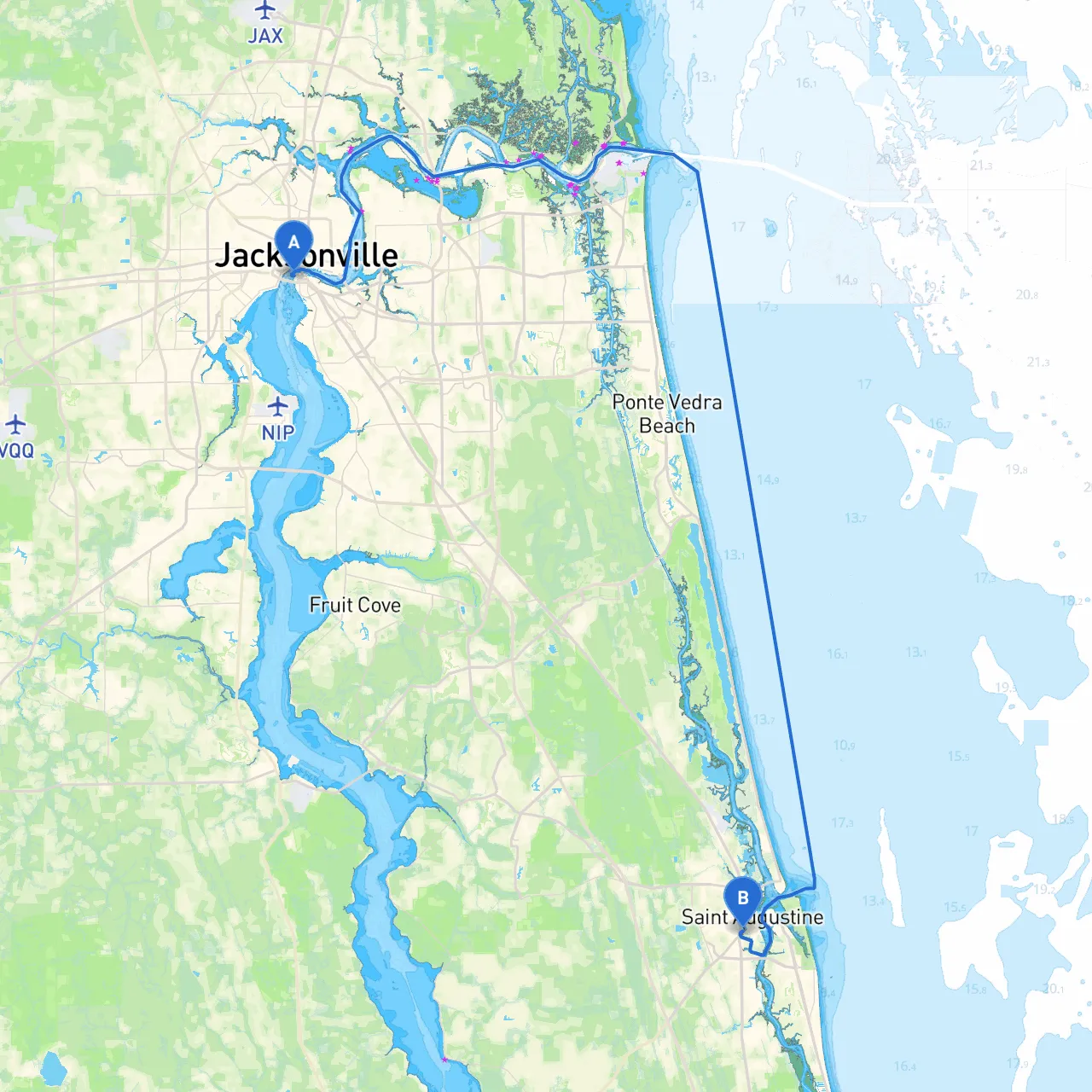
The Direct Drive: Mileage and Time
The most common and straightforward way to travel between Jacksonville and St. Augustine is by car. The direct driving distance is approximately 40 to 45 miles, depending on your exact starting point in Jacksonville and your destination within St. Augustine. For instance, driving from downtown Jacksonville to the historic district of St. Augustine typically falls within this range.
Travel Time Estimates
Under normal traffic conditions, the drive takes approximately 45 minutes to 1 hour. This figure can fluctuate significantly based on several factors:
- Time of Day: Commuting hours, particularly in Jacksonville during weekday mornings and evenings, can add considerable time due to congestion. Traveling outside these peak periods will generally result in a quicker journey.
- Traffic Incidents: Roadwork, accidents, or special events can create unexpected delays. It is always advisable to check live traffic updates before departing.
- Specific Route Chosen: While I-95 South is the most direct route, alternative paths might exist, though they often add to the overall travel time.
This relatively short travel time is a significant advantage for tourists and locals alike. It means that St. Augustine’s historical allure is easily accessible as a day trip from Jacksonville, and conversely, Jacksonville’s modern attractions are a convenient outing for those staying in St. Augustine. The ability to comfortably make this journey without dedicating an entire day to travel opens up a world of possibilities for exploring the diverse offerings of Northeast Florida.
Navigating the Route: I-95 South
The primary artery connecting these two cities is Interstate 95 (I-95) South. This major highway provides a direct and efficient path.
- Starting in Jacksonville: If you are beginning your journey in Jacksonville, you will typically access I-95 South from various points within the city, such as I-10 West or other arterial roads feeding into the interstate.
- The Drive South: Continue on I-95 South for approximately 35-40 miles. You will pass through or skirt areas like Ponte Vedra Beach and other smaller communities.
- Exiting for St. Augustine: The main exit for St. Augustine is typically Exit 311, which leads to State Road 207 (SR 207). SR 207 will then connect you to U.S. Highway 1 (US-1), a major north-south road within St. Augustine. Following US-1 will take you directly into the heart of the city and its historic district. Some travelers may prefer to take Exit 318, which leads to International Golf Parkway and then connects to US-1, offering a slightly different approach to the city.
For those seeking a more scenic, albeit slower, route, taking US-1 for a significant portion of the journey is an option. This allows for exploration of smaller towns and local businesses along the way, offering a more intimate glimpse into Florida’s coastal landscape. However, for sheer speed and convenience, I-95 remains the preferred choice for most travelers.
Beyond the Car: Alternative Transportation Options
While driving is the most prevalent method, understanding alternative transportation can be beneficial for certain travelers or situations. The close proximity of Jacksonville and St. Augustine also lends itself to other modes of travel, though they are less common for this specific route.
Ride-Sharing Services

Services like Uber and Lyft are readily available in both Jacksonville and St. Augustine. Booking a ride-share for the ~45-mile journey is certainly feasible.
- Convenience: This option offers door-to-door service, eliminating the need to find parking in either city.
- Cost: The fare can vary significantly based on demand, surge pricing, and the specific service used. It is generally more expensive than driving your own vehicle or a standard rental car, but may be comparable to or cheaper than using a taxi service.
- Availability: While readily available in Jacksonville, availability might be slightly more limited in St. Augustine, especially during off-peak hours or for the return trip. It is advisable to check estimated fares and availability in advance.
Taxi Services
Traditional taxi companies operate in both regions. Similar to ride-sharing, they provide door-to-door service.
- Pros: Can be a reliable option, especially for those unfamiliar with ride-sharing apps.
- Cons: Often the most expensive option for longer distances like this, and requires pre-booking for such a significant trip, especially for pick-ups in St. Augustine.
Public Transportation (Limited)
Direct public transportation between Jacksonville and St. Augustine is extremely limited and not a practical option for most travelers. There are no direct bus or train routes that efficiently connect the two cities for tourism purposes. While both cities have local transit systems, intercity travel via public transport is not well-established for this corridor. Travelers would typically need to take local transit to a major transit hub in Jacksonville, and then likely face multiple transfers or rely on other services to reach St. Augustine, making it a time-consuming and inconvenient endeavor.
For most visitors, the ease and flexibility of a personal vehicle, rental car, or ride-share service make them the overwhelmingly preferred methods for traversing the distance between Jacksonville and St. Augustine.
Strategic Advantages of Proximity
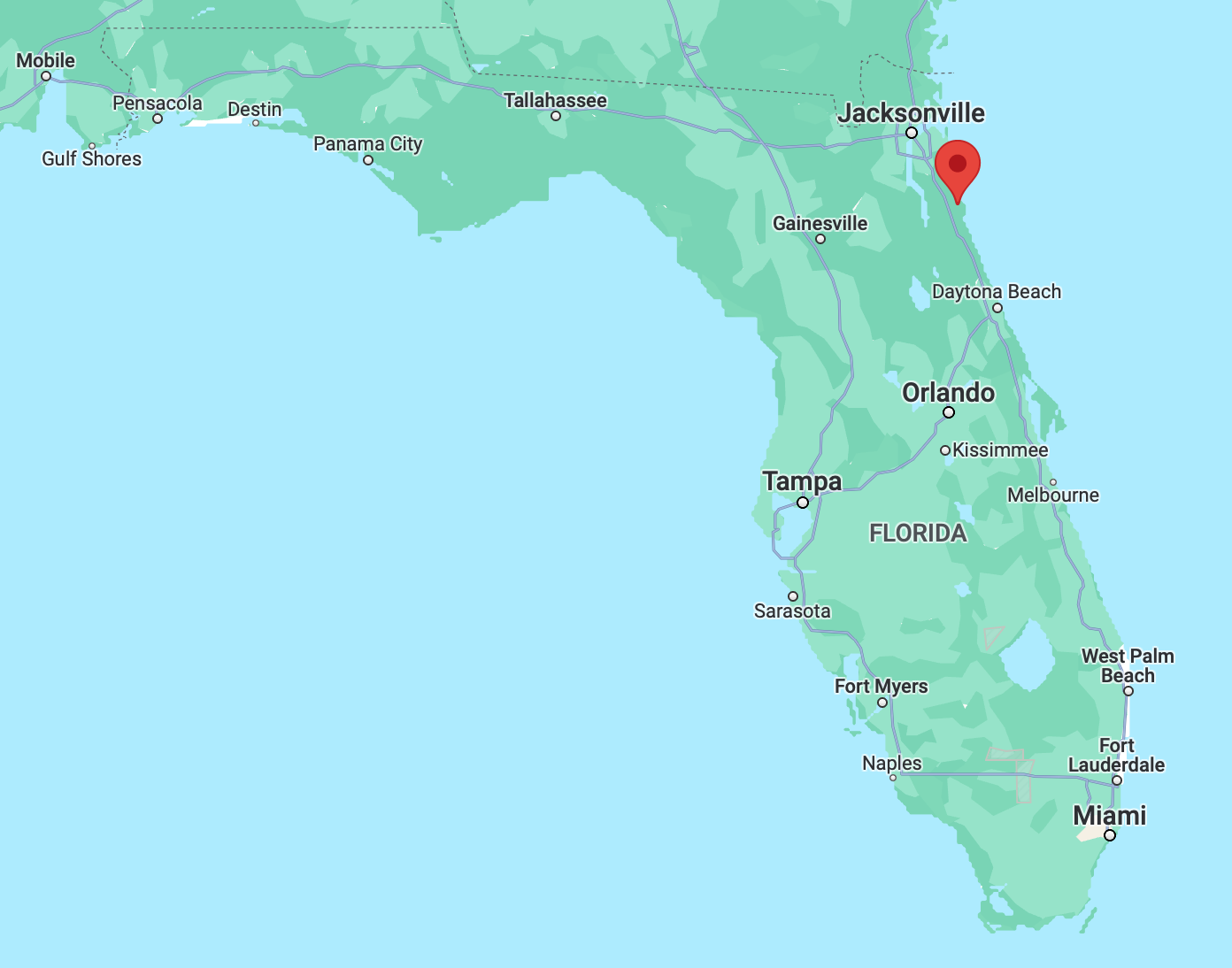
The short distance between Jacksonville and St. Augustine offers significant strategic advantages for planning a comprehensive Florida travel experience. This geographical closeness fosters a symbiotic relationship between the two destinations, enriching the overall appeal of Northeast Florida for visitors.
The Best of Both Worlds: City Life and Historic Charm
This proximity allows travelers to seamlessly blend the vibrant, modern energy of Jacksonville with the ancient allure of St. Augustine.
- Jacksonville’s Offerings: Jacksonville boasts a thriving urban landscape with a diverse culinary scene, numerous museums and art galleries such as the Cummer Museum of Art & Gardens, professional sports teams like the Jacksonville Jaguars, and extensive shopping opportunities. Its riverfront, the St. Johns River, provides scenic beauty and recreational activities.
- St. Augustine’s Historical Depth: St. Augustine transports visitors back in time with its cobblestone streets, colonial architecture, and iconic landmarks like the Castillo de San Marcos National Monument and the St. Augustine Lighthouse & Maritime Museum. Its rich history as the oldest continuously inhabited European-established settlement in the United States is palpable at every turn.
Enabling Efficient Itinerary Planning
The short travel time makes it incredibly efficient to structure itineraries that incorporate both destinations.
- Day Trips: Visitors staying in Jacksonville can easily dedicate a full day to exploring St. Augustine, visiting its key historical sites, enjoying a leisurely lunch, and returning in the evening without feeling rushed. Conversely, those based in St. Augustine can venture to Jacksonville for an evening of fine dining, a show at the Jacksonville Center for the Performing Arts, or to catch a sporting event.
- Weekend Getaways: A long weekend can be perfectly split between the two cities, allowing for a more in-depth exploration of each. One might spend Friday evening and Saturday in Jacksonville, then drive down to St. Augustine for Saturday night and Sunday, enjoying its unique ambiance and historical significance.
- Hub and Spoke Model: Travelers might choose to base themselves in one city (perhaps Jacksonville for more accommodation options and direct airport access) and use it as a hub to take day trips to St. Augustine and other nearby attractions. This can simplify logistics by avoiding the need to change hotels multiple times.
This geographical synergy transforms Northeast Florida into a multifaceted destination, offering a diverse range of experiences that are remarkably accessible from one another, making it an attractive region for a wide spectrum of travelers.
LifeOutOfTheBox is a participant in the Amazon Services LLC Associates Program, an affiliate advertising program designed to provide a means for sites to earn advertising fees by advertising and linking to Amazon.com. Amazon, the Amazon logo, AmazonSupply, and the AmazonSupply logo are trademarks of Amazon.com, Inc. or its affiliates. As an Amazon Associate we earn affiliate commissions from qualifying purchases.