
Understanding harassment is crucial for navigating any environment, and when it comes to travel, particularly within a diverse state like Texas, recognizing what constitutes harassment ensures a safe and respectful experience for everyone. This guide delves into the legal definitions and practical implications of harassment in Texas, focusing on how these principles might intersect with travel, tourism, and hospitality. While the legal framework for harassment is broad, its application in a travel context often relates to interactions with service providers, fellow travelers, and within accommodation settings.
Defining Harassment in the Lone Star State
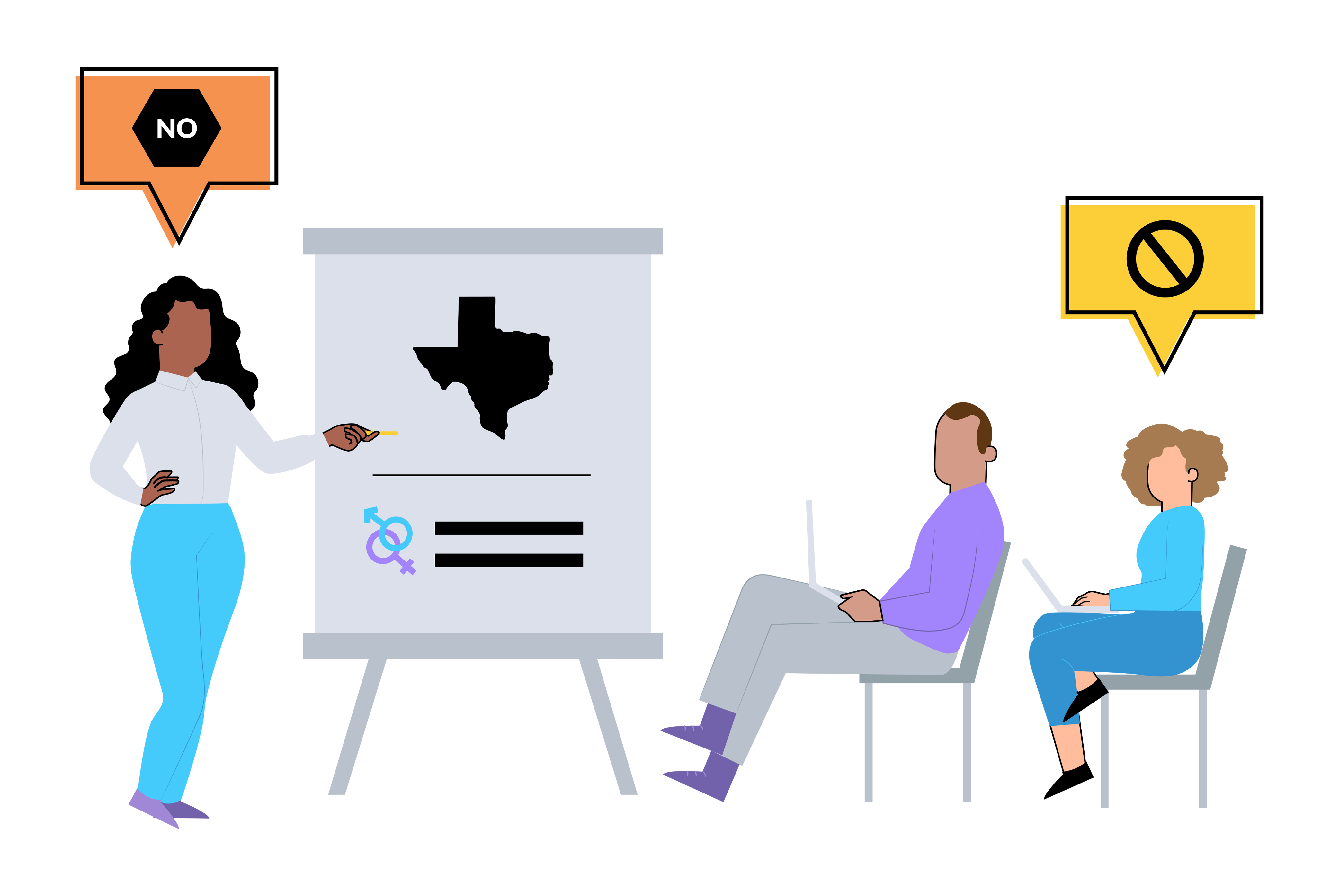
Legally, harassment in Texas encompasses a range of unwelcome conduct that is severe or pervasive enough to create a hostile environment. This can manifest in various forms, including verbal, physical, and visual actions. The key elements are that the conduct must be:
- Unwelcome: The recipient does not solicit or invite the behavior.
- Based on Protected Characteristics: While not always explicitly stated in every harassment definition, many protections arise when the conduct is related to a person’s race, color, religion, sex (including pregnancy, sexual orientation, and gender identity), national origin, age, disability, or genetic information. In broader contexts, harassment can also occur based on other personal attributes.
- Severe or Pervasive: This is a critical distinction. Isolated incidents, unless extremely severe, might not rise to the level of legally actionable harassment. However, a pattern of less severe incidents can collectively create a hostile environment.
In the context of travel and hospitality, understanding these definitions becomes vital when engaging with staff at a resort, seeking assistance at a tourist attraction, or interacting with other guests at a hotel or villa.
Types of Harassment Relevant to Travel
While the legal definitions are comprehensive, certain types of harassment are more commonly encountered or have direct implications for travelers.
Verbal Harassment
This includes offensive jokes, slurs, epithets, or name-calling. In a travel setting, it could involve:
- Discriminatory remarks: Comments made by hotel staff or fellow guests based on your nationality, accent, appearance, or any other protected characteristic.
- Unwanted sexual advances: Persistent and unwelcome propositions or comments of a sexual nature from service staff or other patrons.
- Threatening language: Aggressive or intimidating speech that creates a sense of fear or unease.
Consider a scenario where a traveler is repeatedly subjected to demeaning comments about their origin by a tour guide in Austin. Such behavior, if persistent and unwelcome, could constitute verbal harassment.
Physical Harassment
This involves unwanted physical contact or behavior. In a travel context, this might look like:
- Unwanted touching: Patting, pinching, or any other unwanted physical contact by staff or other guests.
- Blocking movement: Intentionally obstructing a person’s path in a manner that feels intimidating or aggressive.
- Assault or threats of violence: While more severe, these are also forms of physical harassment.
Imagine a situation at a crowded theme park where an individual persistently and uncomfortably invades your personal space or makes unwanted physical contact. This could be considered physical harassment.
Visual Harassment
This category encompasses offensive gestures, display of offensive materials, or degrading comments about someone’s appearance or belongings. Examples relevant to travel might include:
- Displaying offensive imagery: Seeing sexually explicit or discriminatory images or symbols in a public area of a hotel or resort.
- Degrading gestures or caricatures: Making offensive gestures or mocking someone’s appearance or cultural attire.
If a traveler encounters inappropriate posters or graffiti within a hotel property that targets a specific group, this could fall under visual harassment.
Harassment in Hospitality Settings
The hospitality industry, encompassing hotels, resorts, restaurants, and attractions, has a particular responsibility to prevent and address harassment. The laws in Texas generally hold businesses accountable for the conduct of their employees and, in some cases, for the actions of their patrons.
Employee Conduct
Employees of hotels, resorts, and other hospitality businesses are expected to treat all guests with respect and professionalism. Harassment by an employee towards a guest can lead to significant legal consequences for the business. This includes:
- Discriminatory service: Refusing service or providing substandard service based on a protected characteristic.
- Unwanted romantic or sexual advances: As mentioned, this is a clear form of harassment.
- Hostile remarks: Making derogatory comments about a guest’s background, appearance, or behavior.

A guest staying at a boutique hotel in San Antonio who experiences persistent, unwelcome attention from a concierge could rightly consider this harassment.
Patron Conduct
While businesses have less direct control over the actions of their guests towards each other, they are still obligated to take reasonable steps to prevent and address harassment when it occurs on their premises. This means:
- Having clear policies: Establishing and communicating policies against harassment and discrimination.
- Responding to complaints: Investigating and taking appropriate action when a guest reports harassment by another patron.
- Ensuring safety: Implementing security measures to protect guests from harm and harassment.
If a guest at a luxury resort in Dallas reports being harassed by another guest, the resort management has a duty to investigate and take action, which might include asking the offending guest to leave.
Legal Recourse and Reporting in Texas
If you experience harassment while traveling in Texas, understanding your options for recourse is important.
Internal Reporting
The first step is often to report the incident to the management of the establishment where it occurred. This could be the front desk manager of a hotel, the owner of a restaurant, or the management of an attraction. Clearly documenting the incident, including dates, times, locations, and the specifics of what happened, is crucial.
External Agencies
If internal reporting does not lead to a satisfactory resolution, or if the harassment is severe, you may consider reporting to external agencies.
- Texas Workforce Commission (TWC): For employment-related harassment (if your travel involves business or work), the TWC is the primary agency. However, they also handle complaints related to places of public accommodation, which can include hotels and restaurants, particularly concerning discrimination.
- Civil Rights Division of the U.S. Department of Justice: For violations of federal civil rights laws, particularly those related to discrimination.
- Law Enforcement: In cases of physical assault, threats of violence, or other criminal behavior, contacting local law enforcement is necessary. For instance, if a traveler faces assault while at a concert venue in Houston, they should report it to the police.
Legal Action
Depending on the severity and nature of the harassment, a victim may also have grounds to pursue a civil lawsuit. This is typically a more complex process and often involves consulting with an attorney specializing in civil rights or personal injury law.
Preventing Harassment During Your Travels
While the legal definitions and reporting mechanisms are essential, proactive measures can also contribute to a safer travel experience.
Research and Due Diligence
Before booking accommodations or planning excursions, conduct research. Read reviews of hotels and tour operators, paying attention to any comments about service quality, safety, or guest experiences. Reputable establishments often have clear codes of conduct and well-trained staff. Look for information about the resort or hotel policies on guest behavior.
Setting Boundaries
Be clear and assertive in communicating your boundaries with others. If someone is making you uncomfortable with their words or actions, a direct statement such as, “I am not comfortable with this conversation,” or “Please do not touch me,” can be effective.
Staying Aware of Your Surroundings
Whether you are exploring the historic streets of Galveston or enjoying the vibrant nightlife in Austin, maintain awareness of your surroundings and the people around you. Traveling with a companion can also enhance safety.

Knowing Your Rights
Familiarize yourself with basic guest rights in Texas. Most hospitality establishments have a responsibility to provide a safe and welcoming environment. Understanding what constitutes unacceptable behavior empowers you to address it effectively if it arises.
Harassment, in its various forms, can significantly detract from the enjoyment and safety of travel. By understanding the legal definitions of harassment in Texas, recognizing its potential manifestations in hospitality settings, and knowing how to report and seek recourse, travelers can better protect themselves and contribute to a more respectful travel environment for all. Whether enjoying a relaxing stay at a seaside villa or exploring the vastness of the Texas Hill Country, awareness and informed action are key to a positive experience.
LifeOutOfTheBox is a participant in the Amazon Services LLC Associates Program, an affiliate advertising program designed to provide a means for sites to earn advertising fees by advertising and linking to Amazon.com. Amazon, the Amazon logo, AmazonSupply, and the AmazonSupply logo are trademarks of Amazon.com, Inc. or its affiliates. As an Amazon Associate we earn affiliate commissions from qualifying purchases.