
The journey from Flagstaff, Arizona, to the majestic Grand Canyon is a quintessential American road trip, offering travelers an accessible gateway to one of the world’s most breathtaking natural wonders. For many visitors to Northern Arizona, Flagstaff serves as an ideal basecamp, strategically positioned to minimize travel time while providing a vibrant, high-altitude city experience. Understanding the precise distance and travel options is crucial for planning an efficient and memorable excursion to the canyon’s rim.
The Proximity Advantage: Flagstaff as Your Grand Canyon Gateway
Flagstaff enjoys an enviable location as one of the closest major cities to the Grand Canyon South Rim, the most visited and accessible part of the national park. The driving distance from Flagstaff to the Grand Canyon’s South Entrance (near Tusayan) is approximately 80 to 90 miles, depending on the specific route chosen and the starting point within Flagstaff. This translates to a relatively straightforward drive of about 1 hour and 30 minutes to 2 hours under normal traffic and weather conditions.
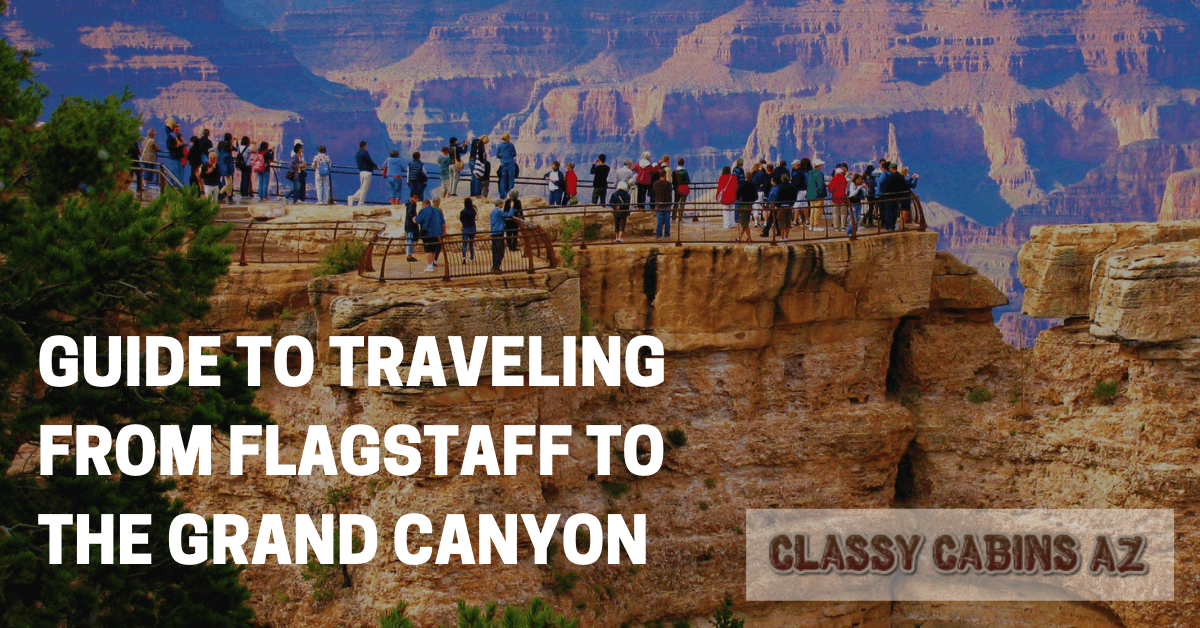
This relatively short distance makes a day trip from Flagstaff to the Grand Canyon not only feasible but highly recommended. Travelers can depart in the morning, spend a full day exploring the canyon’s iconic viewpoints and trails, and return to Flagstaff in the evening, avoiding the higher accommodation costs often found closer to the park and allowing them to experience Flagstaff’s unique charm. The convenience of this proximity significantly enhances the overall travel experience, positioning Flagstaff as a prime hub for adventurers looking to immerse themselves in Northern Arizona’s natural beauty.
Navigating the Journey: Routes and Scenic Drives
There are primarily two main routes to consider when traveling from Flagstaff to the Grand Canyon South Rim, each offering a distinct experience. Both routes are well-maintained and provide picturesque views of the Arizona landscape, but they differ in terms of directness and initial access points within the park.
The Direct Route: Highway 180 North
The most common and direct path from Flagstaff is to take US-180 North. This route leads directly to the park’s South Entrance station, just north of Tusayan. From there, it’s a short drive to the main visitor centers and popular viewpoints like Mather Point and Grand Canyon Village.
The drive along US-180 is scenic in its own right, passing through dense Ponderosa pine forests of the Kaibab National Forest. This route is generally quicker, making it ideal for those who want to maximize their time within the canyon itself. While less about the journey and more about the destination, the natural beauty along the way provides a gentle introduction to the vast landscapes that characterize Northern Arizona. During winter months, this route might experience snow, so checking road conditions before departure is always advised.
The Scenic Detour: Highway 89 North to Desert View
For travelers seeking a more extended and panoramic introduction to the Grand Canyon, taking US-89 North from Flagstaff is an excellent choice. This route, though slightly longer in distance and time (approximately 100 miles, 2 hours), offers a completely different and highly rewarding approach to the park. After heading north on US-89, travelers will turn west onto AZ-64 (also known as East Rim Drive) which leads directly to the park’s East Entrance, famously marked by the iconic Desert View Watchtower.
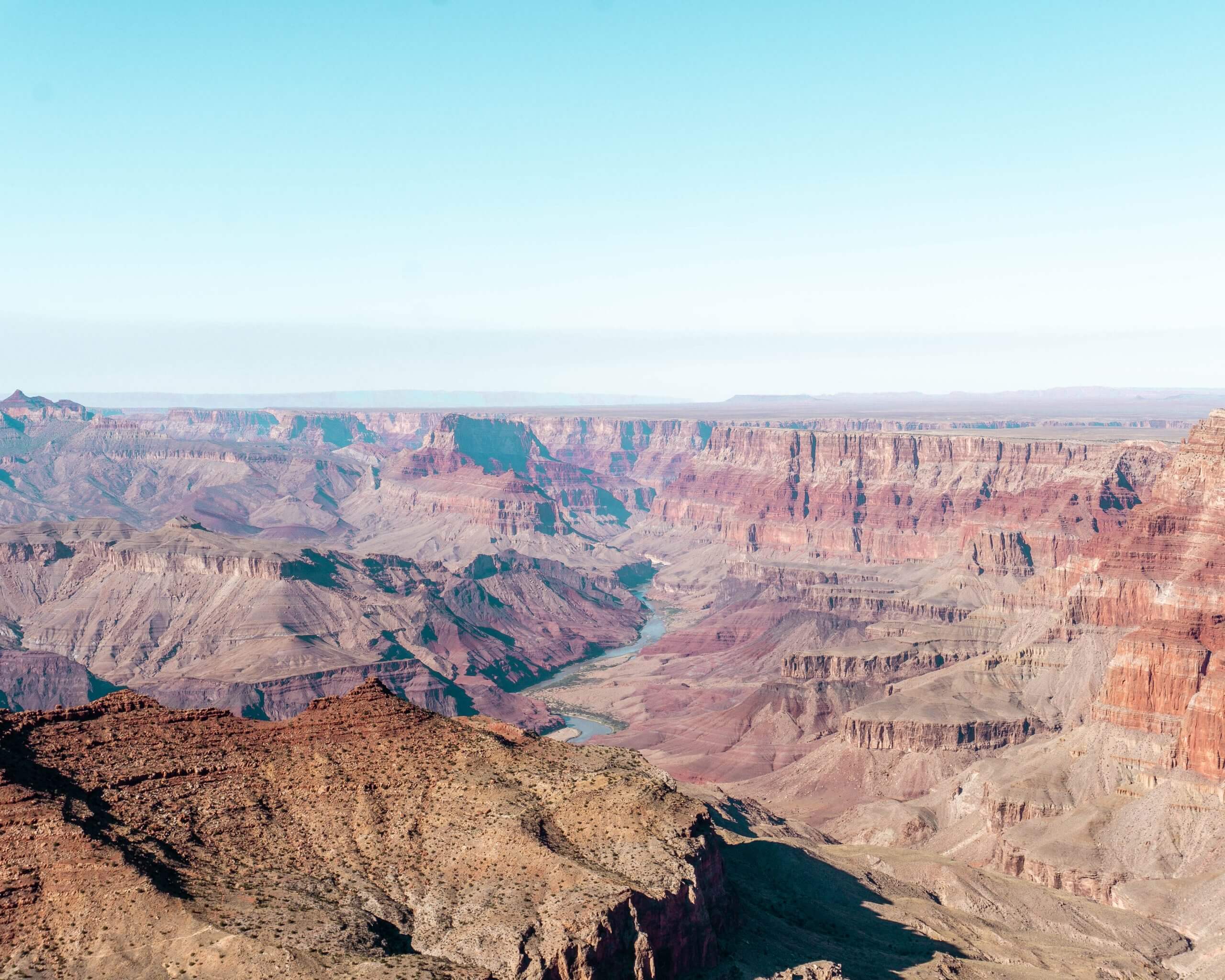
This approach allows visitors to experience a series of stunning viewpoints along the East Rim Drive before reaching the more central Grand Canyon Village. Locations like Lipan Point, Moran Point, and Grandview Point offer magnificent perspectives of the Colorado River and the canyon’s vast geological formations. The Desert View Watchtower itself provides unparalleled panoramic vistas and a deeper dive into the area’s cultural history. This route is often favored by photographers and those who appreciate a gradual, awe-inspiring reveal of the canyon’s grandeur.
Considering the North Rim
While the South Rim is the primary destination from Flagstaff, it’s important to note the existence of the Grand Canyon North Rim. However, reaching the North Rim from Flagstaff is a significantly longer journey, typically involving a 4 to 5-hour drive and a distance of over 200 miles, as it requires a detour around the canyon itself. Furthermore, the North Rim is only open seasonally, usually from mid-May to mid-October, due to heavy snowfall. For a day trip from Flagstaff, the South Rim remains the only practical and recommended option.
Planning Your Grand Canyon Day Trip from Flagstaff
A well-planned day trip ensures a richer and more enjoyable experience at the Grand Canyon. Given Flagstaff’s convenient location, optimizing your time is key.

Best Time to Visit
The Grand Canyon South Rim is open year-round, but the best times to visit from Flagstaff are typically the spring (April to May) and fall (September to October) shoulder seasons. During these periods, the weather is generally mild, offering comfortable temperatures for hiking and exploring. Crowds are also noticeably smaller than during the peak summer months, allowing for easier access to viewpoints and shuttle services. Summer (June to August) brings large crowds and hot temperatures, though the high elevation of the Grand Canyon means it’s often cooler than the desert floor. Winter (November to March) can offer a unique, serene experience with snow-dusted canyon walls, but some roads and trails may be closed due to ice and snow, and temperatures can be quite cold.
Essential Packing and Preparation
Before setting out from Flagstaff, ensure you have the following:
- Water and Snacks: Dehydration is a real risk, especially during any hiking. Pack plenty of water.
- Appropriate Clothing: Dress in layers, as temperatures can fluctuate significantly from morning to afternoon, and between Flagstaff’s elevation and the canyon rim.
- Sturdy Walking Shoes: Essential for exploring viewpoints and any short hikes along the rim.
- Sun Protection: Hat, sunglasses, and high-SPF sunscreen are crucial due to the high altitude and intense Arizona sun.
- Camera and Binoculars: To capture the breathtaking views and spot details across the canyon.
- National Park Pass/Entrance Fee: Purchase online or be prepared to pay at the gate.
- Full Tank of Gas: While gas is available in Tusayan and Grand Canyon Village, it’s more expensive. Fill up in Flagstaff.
- Maps: While GPS is helpful, physical maps can be invaluable in areas with spotty cell service.
Maximizing Your Time at the Canyon
Upon arrival at the South Rim, consider heading directly to Mather Point or Yavapai Point for your first awe-inspiring views. From Grand Canyon Village, utilize the free shuttle bus system, which efficiently transports visitors to various viewpoints along the Hermit Road (closed to private vehicles for most of the year) and the Village Route. Walking portions of the paved Rim Trail provides incredible perspectives and opportunities for wildlife viewing. Aim to catch either sunrise or sunset from a prominent viewpoint like Hopi Point or Mather Point for an unforgettable display of colors. Allow at least 6-8 hours within the park to fully appreciate its scale and beauty without feeling rushed.
Beyond the Canyon: Integrating Your Trip with Northern Arizona’s Wonders
While the Grand Canyon is undoubtedly the star attraction, its proximity to Flagstaff also opens up opportunities to explore other unique destinations in Northern Arizona. Integrating these into your travel itinerary can enhance your overall experience.
Sedona’s Red Rocks
Just an hour’s drive south of Flagstaff, Sedona is renowned for its stunning red rock formations, vibrant arts scene, and spiritual vortexes. Its landscape offers a stark contrast to the Grand Canyon’s vastness, making it a perfect complement to your travel plans. Many travelers combine a Grand Canyon trip with a visit to Sedona, either before or after their canyon excursion, leveraging Flagstaff as a central point.
Wupatki and Sunset Crater Volcano National Monuments
Located northeast of Flagstaff, along US-89 towards the Grand Canyon East Entrance, are the Wupatki National Monument and Sunset Crater Volcano National Monument. These sites offer fascinating insights into ancient Puebloan culture and relatively recent volcanic activity, respectively. They can easily be visited as a detour on the way to or from the Grand Canyon, especially if you opt for the scenic route via US-89.
Historic Route 66
Flagstaff itself is steeped in the history of Historic Route 66, with sections of the iconic road still running through the city. Exploring Flagstaff’s downtown and its connection to the “Mother Road” can add a layer of nostalgic Americana to your Grand Canyon adventure. This integration of historical travel routes with natural wonders creates a truly holistic Northern Arizona experience.
Insider Tips for a Seamless Experience
To ensure your trip from Flagstaff to the Grand Canyon is as smooth as possible, keep these tips in mind:
- Start Early: Leaving Flagstaff early in the morning allows you to arrive at the Grand Canyon before the largest crowds descend and to secure better parking.
- Check Park Conditions: Before you depart, always check the Grand Canyon National Park website for current weather conditions, road closures, and any alerts. This is especially vital during winter.
- Respect Wildlife: The Grand Canyon is home to diverse wildlife. Maintain a safe distance and never feed animals.
- Stay on Marked Trails: For your safety and to protect the fragile environment, always stay on designated trails and behind protective barriers at viewpoints.
- Leave No Trace: Pack out everything you pack in. Help preserve the Grand Canyon’s pristine environment for future generations.
The journey from Flagstaff to the Grand Canyon is more than just covering distance; it’s an integral part of an unforgettable travel experience, blending the convenience of a nearby city with the profound majesty of one of earth’s greatest natural spectacles.
LifeOutOfTheBox is a participant in the Amazon Services LLC Associates Program, an affiliate advertising program designed to provide a means for sites to earn advertising fees by advertising and linking to Amazon.com. Amazon, the Amazon logo, AmazonSupply, and the AmazonSupply logo are trademarks of Amazon.com, Inc. or its affiliates. As an Amazon Associate we earn affiliate commissions from qualifying purchases.