
Understanding the current time in Texas is a fundamental piece of information for anyone planning a visit, coordinating with locals, or simply staying informed about this vast and dynamic state. As the second-largest state in the United States by both area and population, Texas spans a significant geographical expanse, influencing its time zones and, consequently, the precise moment of day across its diverse regions. This guide will delve into the specifics of Texas’s timekeeping, offering clarity for travelers, business professionals, and anyone needing to synchronize their activities with this prominent North American destination.
Understanding Time Zones in Texas
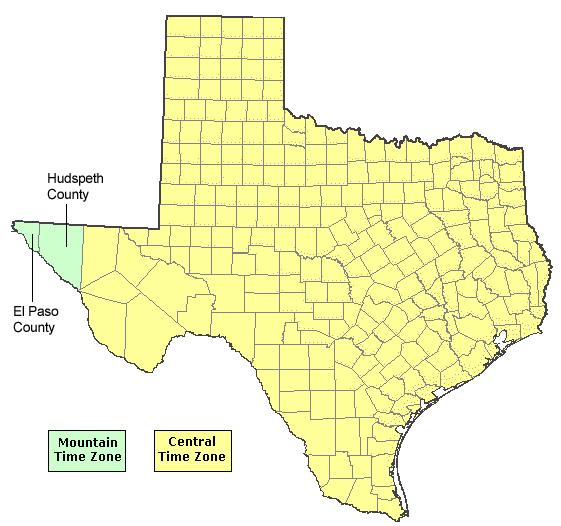
Texas primarily observes two distinct time zones, a fact that often surprises those unfamiliar with the state’s immense size. The vast majority of the state operates within the Central Time Zone (CT), while a western sliver falls under the Mountain Time Zone (MT). This division is not arbitrary but reflects historical and geographical considerations that have shaped the state’s temporal boundaries.
Central Time Zone (CT)
The Central Time Zone is the predominant time zone in Texas, encompassing major metropolitan areas such as Houston, Dallas, San Antonio, and Austin. It also covers most of the state’s agricultural and industrial heartlands.
- Standard Time: During the winter months, the Central Time Zone observes Central Standard Time (CST), which is UTC-6. This means it is six hours behind Coordinated Universal Time.
- Daylight Saving Time: From the second Sunday in March to the first Sunday in November, Texas observes Central Daylight Time (CDT). This shifts the time forward by one hour, making it UTC-5. This practice is a nationwide effort to maximize daylight during warmer months and is adopted by most of the state.
The adoption of Central Standard Time and Central Daylight Time means that when it is noon CST, it is 6 PM UTC. During CDT, noon CDT corresponds to 5 PM UTC. This consistent observance simplifies scheduling for most Texans and businesses operating within the state.
Mountain Time Zone (MT)
A relatively small portion of western Texas, specifically the counties of El Paso and Hudspeth, operates under the Mountain Time Zone. This region shares a border with New Mexico, which also largely observes Mountain Time.
- Standard Time: During the winter, this area is on Mountain Standard Time (MST), which is UTC-7.
- Daylight Saving Time: Similar to the rest of Texas, the Mountain Time Zone counties observe Mountain Daylight Time (MDT) from the second Sunday in March to the first Sunday in November, shifting to UTC-6.
The temporal difference between the two zones in Texas is crucial to note. While most of the state is on Central Time, the westernmost parts are one hour behind. For instance, when it is 2 PM CDT in Dallas, it is 1 PM MDT in El Paso. This one-hour disparity is a direct consequence of Texas’s geographical size and its division into two distinct time zones.
Practical Implications for Travelers and Visitors
For any visitor to Texas, understanding these time zones is not merely an academic exercise; it has tangible implications for travel itineraries, meeting schedules, and even the simple act of calling a friend or family member.
Travel Planning and Logistics
When booking flights or planning road trips across Texas, it is essential to be aware of the time zone differences, particularly if your journey involves travel to or from the western part of the state.

- Flight Schedules: Airlines typically display flight times in local time for both departure and arrival airports. However, if you are connecting through an airport in a different time zone, or if your destination is in the Mountain Time Zone, it is vital to confirm the local time upon arrival. A flight departing Houston at 3 PM CDT might land in El Paso at what the clock shows as 4 PM, but due to the time difference, that arrival is actually at 4 PM local time in El Paso.
- Driving Distances and Times: Texas is a state where driving long distances is common. The drive from Houston to El Paso is over 900 miles and can take upwards of 13-14 hours. If you start your journey in Houston at 7 AM CDT on one day, you will arrive in El Paso much later that evening, and the local time will be one hour earlier than if you had remained in the Central Time Zone. This means daylight hours can significantly impact your perceived travel time and arrival.
- Accommodation and Activities: If you are staying in a hotel in El Paso and plan to call the front desk of a hotel in Dallas for a recommendation, remember the one-hour difference. Similarly, booking tours or making dinner reservations requires careful attention to the local time at your destination. Many restaurants in Texas operate on the local time of their city.
Business and Communication
The temporal divide within Texas is a critical consideration for businesses operating across the state, especially for companies with multiple offices or significant client bases in both Central and Mountain Time zones.
- Meeting Coordination: Scheduling meetings that involve participants from both Texas time zones requires clear communication. A meeting set for 10 AM in Austin (CT) means it will be 9 AM in El Paso (MT). Always specify the time zone when confirming meeting times to avoid confusion.
- Customer Service and Support: Businesses offering customer service across Texas must account for the operational hours in both time zones. If a support line opens at 8 AM CST, it means it opens at 7 AM MST in the western part of the state. This ensures that customers in all regions have timely access to services.
- Legal and Financial Transactions: Deadlines for legal filings, financial transactions, and other time-sensitive matters are strictly enforced based on the local time of the jurisdiction. For instance, a filing deadline in a Texas district court will be based on the time zone of that court’s location.
Navigating Time Zones: Tips and Tools
In today’s interconnected world, staying abreast of time differences is easier than ever, but a little proactive awareness can prevent significant inconvenience.
Leveraging Technology
Modern technology provides numerous tools to help you manage time differences effortlessly.
- Smartphones and Smartwatches: Most smartphones and smartwatches automatically update their time based on your location or network. You can often set up world clocks to display the current time in Texas or specific cities within it. Many devices also allow you to add multiple time zones to your clock display, making it easy to compare times at a glance.
- Online Time Converters: Numerous websites and apps offer real-time time conversion services. Simply input the time and location you are interested in, and they will provide the corresponding time in any other location globally. This is particularly useful for planning international calls or coordinating with someone across different continents.
- Calendar Applications: Digital calendar applications, such as Google Calendar or Microsoft Outlook, are designed to handle time zones automatically. When you create an event, you can specify the location, and the calendar will adjust the display and reminders according to the local time of that location, as well as your own. This is invaluable for scheduling meetings and appointments.
Staying Informed About Daylight Saving Time
While Texas generally adheres to United States Daylight Saving Time (DST) protocols, it is always wise to confirm the exact dates of the transitions.
- Official Sources: The U.S. Department of Transportation is responsible for DST in the United States, and their official announcements are the most reliable. Websites like timeanddate.com also provide comprehensive information on DST start and end dates for various regions.
- Calendar Reminders: Many digital calendars can be set to provide reminders a few days before the DST transition. This allows you to mentally prepare for the one-hour shift.

Local Knowledge
For longer stays or more complex logistical needs, understanding local customs and the nuances of timekeeping in Texas can be beneficial.
- Regional Differences: While the major cities in the Central Time Zone have similar temporal experiences, very rural areas might sometimes operate on slightly different informal schedules. This is rare but worth noting for those venturing far off the beaten path.
- Business Hours: Standard business hours in Texas generally align with national norms, typically from 9 AM to 5 PM, Monday through Friday. However, understanding the time zone is critical for adhering to these hours when communicating with businesses in different parts of the state.
In conclusion, knowing the current time in Texas is more than just a matter of minutes and hours; it’s about understanding the state’s geography, its temporal divisions, and how these affect daily life, travel, and business. Whether you are a tourist exploring the vast landscapes of the Lone Star State, a business professional coordinating across its cities, or simply someone keeping in touch with friends, a clear grasp of Texas’s time zones will ensure seamless and successful interactions.
LifeOutOfTheBox is a participant in the Amazon Services LLC Associates Program, an affiliate advertising program designed to provide a means for sites to earn advertising fees by advertising and linking to Amazon.com. Amazon, the Amazon logo, AmazonSupply, and the AmazonSupply logo are trademarks of Amazon.com, Inc. or its affiliates. As an Amazon Associate we earn affiliate commissions from qualifying purchases.