
When planning a getaway from the bustling metropolis of San Francisco, Ca to the laid-back coastal charm of Santa Cruz, Ca, understanding the distance and travel time is paramount. This iconic stretch of Northern California coastline offers a distinct yet complementary experience to its larger urban neighbor, making it a popular day trip or weekend escape for locals and tourists alike. The journey itself is part of the adventure, weaving through diverse landscapes and offering glimpses of California’s natural beauty.
The Direct Distance and Driving Time
The most straightforward way to gauge the proximity between these two vibrant California locales is by considering the direct driving distance and the estimated time it takes to traverse it. While actual travel times can fluctuate significantly due to traffic, time of day, and specific starting and ending points within each city, a general framework can be established.
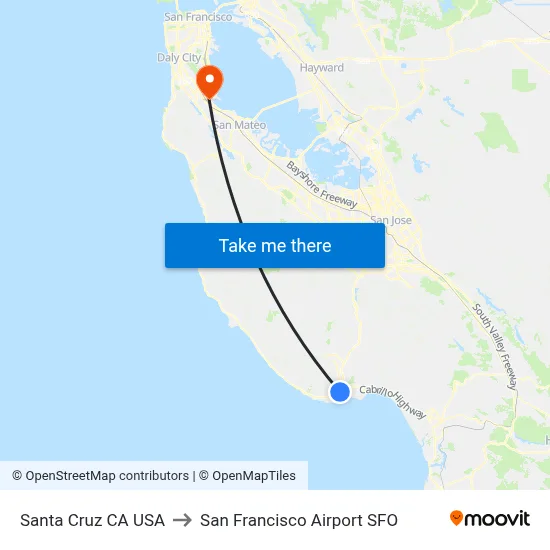
Mileage Between Cities
The distance between the heart of San Francisco, Ca and the iconic Santa Cruz Beach Boardwalk is approximately 75 miles. This figure is based on the most commonly used routes, primarily utilizing state highways and freeways that connect the two areas. It’s important to remember that this is a general guideline, and depending on whether you’re starting in the Sunset District of San Francisco, Ca or heading towards the university campus in Santa Cruz, Ca, the mileage could vary by a few miles. The journey is a transition from urban sprawl to more pastoral and coastal vistas, a visual indicator of the changing environment as you travel south.
Average Driving Time
Under ideal traffic conditions, the drive from San Francisco, Ca to Santa Cruz, Ca typically takes around 1 hour and 30 minutes. However, this is a crucial point where reality often diverges from the ideal. The San Francisco Bay Area is notorious for its unpredictable traffic patterns, especially during peak commuting hours on weekdays (typically 7-9 AM and 4-6 PM) and on weekend afternoons as people head out for leisure or return home.
- Weekdays: Expect the driving time to extend to 2 hours, and potentially even longer, during rush hour. The convergence of traffic on the freeways can create significant delays, particularly as you approach the San Francisco Bay Bridge or as you enter the outskirts of Santa Cruz, Ca.
- Weekends: While often less intense than weekday commutes, weekend traffic can still be substantial, especially on Friday afternoons and Sunday evenings. Tourists and locals alike flock to the coastal destinations, leading to congestion on routes like Highway 1 and Highway 17.
- Time of Day: Traveling outside of peak hours, such as early morning or late evening, can significantly reduce your travel time. A departure at 10 AM on a Saturday might be far more pleasant than a 5 PM departure on a Friday.
The primary routes involve navigating through the southern part of the San Francisco Peninsula and then heading inland slightly before reaching the coast again. This often involves sections of US Route 101 and then transitioning to State Route 17, which is a winding road that descends into the Santa Cruz mountains and then opens up to the coastal plains. Alternatively, a more scenic, albeit typically longer, route involves staying on State Route 1 for a significant portion of the journey, offering breathtaking ocean views but often encountering slower speeds and more local traffic.
Exploring Alternative Transportation Options
While driving is the most common method, several other transportation options exist for traveling between San Francisco, Ca and Santa Cruz, Ca, each offering a different perspective and set of advantages. These alternatives can be particularly appealing to those who wish to avoid the stress of navigating Bay Area traffic or who want to immerse themselves more fully in the journey.
Public Transportation: A Feasible, Though Extended, Option
Public transportation between San Francisco, Ca and Santa Cruz, Ca is available, primarily through a combination of regional bus services. While not as direct or rapid as driving, it can be an economical and environmentally friendly choice.
- BART and Connecting Buses: Travelers can take BART (Bay Area Rapid Transit) from San Francisco, Ca south towards the Peninsula. From various transit hubs, such as San Jose Diridon Station, one can then connect to a Santa Cruz Metro bus route that heads directly to Santa Cruz, Ca. The most common route is the Highway 17 Express, which departs from San Jose Diridon Station and provides service directly to downtown Santa Cruz, Ca and the university campus.
- Total Travel Time: This multi-modal journey will invariably take longer than driving. Factoring in transfers, waiting times, and the bus journey itself, the total travel time can range from 3 to 4 hours, or even more, depending on the specific connections.
- Benefits: For those who prefer not to drive, or for students and travelers on a budget, this option allows for a more relaxed journey where one can read, work, or simply enjoy the changing scenery without the burden of navigation and traffic. It also offers a more sustainable travel choice.
Rideshare Services: Convenience with Variable Costs
Rideshare services like Uber and Lyft operate extensively throughout the Bay Area and can provide a convenient way to travel between San Francisco, Ca and Santa Cruz, Ca.
- On-Demand Travel: Booking a ride through a rideshare app allows for on-demand travel directly from your starting point to your destination. This offers a door-to-door service that is often more convenient than public transportation.
- Cost Considerations: The cost of a rideshare trip can be substantial for this distance, often comparable to or exceeding the cost of a full tank of gas for a personal vehicle. Prices can also surge during peak demand periods.
- Time Efficiency: Rideshare services typically offer a travel time similar to driving oneself, as they utilize the same road networks. This can be a good option for groups or for travelers who value directness and convenience over cost savings.

Cycling and Long-Distance Walking: For the Truly Adventurous
While not practical for most day-trippers, the journey between San Francisco, Ca and Santa Cruz, Ca is undertaken by dedicated cyclists and long-distance hikers.
- The Coastal Route (Highway 1): Cycling enthusiasts often opt for the scenic route along State Route 1. This route offers stunning ocean views, passing through charming coastal towns like Half Moon Bay and Pescadero. The terrain can be rolling, with some challenging climbs and descents, and the presence of traffic requires vigilance.
- Time Commitment: For cyclists, this journey is a multi-day endeavor, typically taking 2-3 days with overnight stops in coastal communities. Long-distance hikers would face an even more significant time commitment.
- A Unique Experience: This mode of travel offers an unparalleled connection with the landscape, allowing for spontaneous stops at viewpoints, beaches, and local eateries. It’s an immersive travel experience for those with the time, fitness, and desire for an adventure.
Factors Influencing Travel Time and Experience
Beyond the raw distance and chosen mode of transport, several other factors can significantly influence the overall travel time and the quality of your journey between San Francisco, Ca and Santa Cruz, Ca. Understanding these elements can help in planning a smoother and more enjoyable trip.
Traffic Patterns and Peak Hours
As previously mentioned, traffic is the single most significant variable affecting driving times. The San Francisco Bay Area is a densely populated region, and its freeway system, while extensive, can become gridlocked.
- Commuter Traffic: Weekday mornings and evenings are characterized by heavy commuter traffic as people travel to and from work. This congestion is often most severe on the major freeways like US Route 101 and State Route 17.
- Event-Related Congestion: Special events, sporting matches, concerts, or even significant accidents can cause unexpected and prolonged traffic delays. It’s always advisable to check real-time traffic conditions using navigation apps before departing.
- Holiday Weekends: Major holiday weekends, such as Memorial Day, Labor Day, and Thanksgiving, see a substantial increase in travel as people visit family or take vacations, leading to significantly longer travel times.
Route Selection: Scenic vs. Direct
The choice of route directly impacts both the distance traveled and the potential for traffic delays.
- The Inland Route (via Highway 17): This is generally the most direct and quickest route, especially outside of peak traffic. State Route 17 is a freeway for much of its length but includes a significant mountain pass section that can be winding and prone to delays due to accidents or heavy vehicle traffic.
- The Coastal Route (via Highway 1): This route offers spectacular ocean vistas and passes through charming coastal towns. However, it is significantly slower. State Route 1 is often a two-lane highway with lower speed limits, more local traffic, and greater potential for congestion in towns and at scenic overlooks. This route is best suited for those who want to enjoy the journey and are not in a hurry.
- Hybrid Approaches: Many travelers opt for a hybrid approach, perhaps taking the more direct inland route on the way down and the scenic coastal route on the way back, or vice versa, to experience both aspects of the journey.
Weather Conditions
The Northern California coast is known for its microclimates, and weather can play a role in travel.
- Fog: Coastal fog, particularly common in the summer months, can reduce visibility on the roads, leading to slower driving speeds and potentially hazardous conditions, especially on the winding sections of State Route 17 or the coastal Highway 1.
- Rain: While less frequent in the summer, winter months can bring rain, which can make driving conditions more challenging and increase the likelihood of traffic incidents.

Destination within Santa Cruz
Santa Cruz, Ca is not a single point but a city with various attractions and neighborhoods. The specific destination within Santa Cruz, Ca will influence the final leg of your journey.
- Downtown vs. Boardwalk vs. West Side: Traveling to the bustling Santa Cruz Beach Boardwalk or the downtown area will involve navigating local city streets once you leave the freeway. The University of California, Santa Cruz campus, situated in the hills, also requires additional travel time from the main coastal routes. Understanding your final destination within Santa Cruz, Ca can help in estimating the total travel duration.
In summary, the distance between San Francisco, Ca and Santa Cruz, Ca is a manageable 75 miles, but the time it takes to cover this distance is highly variable. Careful planning, consideration of traffic, route selection, and the chosen mode of transport will ensure a smooth transition from the urban energy of San Francisco, Ca to the relaxed coastal vibe of Santa Cruz, Ca.
LifeOutOfTheBox is a participant in the Amazon Services LLC Associates Program, an affiliate advertising program designed to provide a means for sites to earn advertising fees by advertising and linking to Amazon.com. Amazon, the Amazon logo, AmazonSupply, and the AmazonSupply logo are trademarks of Amazon.com, Inc. or its affiliates. As an Amazon Associate we earn affiliate commissions from qualifying purchases.