
The economic landscape of any state is significantly influenced by its labor laws, and for potential visitors and residents alike, understanding the minimum wage is a crucial piece of information. As of 2024, Texas continues to operate under federal minimum wage standards, as it does not have its own state-specific minimum wage rate that differs from the federal mandate. This means that for most employers in the Lone Star State, the prevailing rate is set by the U.S. Department of Labor. This guide aims to provide a comprehensive overview of what this entails for those planning a visit, considering a move for work, or simply curious about the economic underpinnings of this vast state.
Federal Minimum Wage and Texas
The federal minimum wage in the United States is currently set at $7.25 per hour. This rate has remained unchanged since July 2009. Texas, like several other states, has not enacted legislation to establish a higher minimum wage than the federal level. Therefore, unless an employer is subject to specific industry regulations or local ordinances (which are rare for minimum wage in Texas), the $7.25 per hour figure is the baseline for hourly earnings for most non-exempt employees.
Who is Covered by the Federal Minimum Wage?
The Fair Labor Standards Act (FLSA) establishes federal minimum wage, overtime pay, recordkeeping, and child labor standards affecting most full-time and part-time workers in the private sector and in federal, state, and local governments. It is important for both employers and employees to understand that not all jobs are covered by the FLSA. However, the vast majority of employment in Texas, particularly within sectors relevant to tourism, hospitality, and retail, falls under its purview.
Tipped Employees
A significant consideration within the minimum wage structure, especially relevant to the hospitality industry which is a cornerstone of Texas tourism, is the provision for tipped employees. Under federal law, employers can pay a cash wage of at least $2.13 per hour to tipped employees, provided that this cash wage, plus the tips received, equals at least the federal minimum wage of $7.25 per hour. If an employee’s tips combined with the employer’s cash wage of at least $2.13 per hour do not equal the federal minimum wage, the employer must make up the difference. This is often referred to as a “tip credit.”
For example, if a server earns $2.13 per hour in cash wages and earns $5.12 per hour in tips, their total earnings per hour would be $7.25. If they earn less than $5.12 in tips per hour on average, the employer is responsible for paying the difference to meet the $7.25 minimum wage requirement. This is a critical aspect for individuals working in restaurants, bars, and other service-oriented businesses throughout Texas, from bustling Dallas and Houston to the vibrant nightlife of Austin.
Texas’s Role in Minimum Wage Policy
While Texas does not set its own state minimum wage, it does have laws concerning wage payment. The Texas Workforce Commission (TWC) is the state agency responsible for enforcing wage and hour laws, including those related to payment of wages owed. The TWC also plays a role in ensuring that employers comply with federal minimum wage and overtime provisions.
The absence of a state-specific minimum wage means that Texas aligns itself with the federal floor. This can be a point of discussion, as some argue for state-level increases to better reflect the cost of living in various regions of Texas, which can vary significantly from major metropolitan areas like San Antonio to more rural communities. However, for 2024, the outlook remains tied to the federal rate.
Impact on Tourism and Travel in Texas
The minimum wage in Texas has direct and indirect impacts on the tourism and travel sector. For travelers, understanding these wage structures can offer insight into the local economy and the potential cost of services. For individuals seeking employment within the tourism industry, it provides a baseline understanding of earning potential.
Hospitality Sector Employment
The hospitality industry, encompassing hotels, restaurants, attractions, and transportation services, is a significant employer in Texas. From iconic destinations like the Alamo in San Antonio to world-class museums in Fort Worth, these businesses rely on a diverse workforce. Many entry-level and service positions in these areas are subject to the minimum wage.
For employers in the hospitality sector, the minimum wage and tip credit provisions are fundamental to their operational costs. Businesses that employ a high proportion of tipped workers, such as many restaurants and bars in lively districts like Sixth Street in Austin, will factor the tip credit into their labor budgets. Understanding these regulations is essential for fair employment practices and for ensuring that employees receive at least the federal minimum wage.
Cost of Services for Tourists
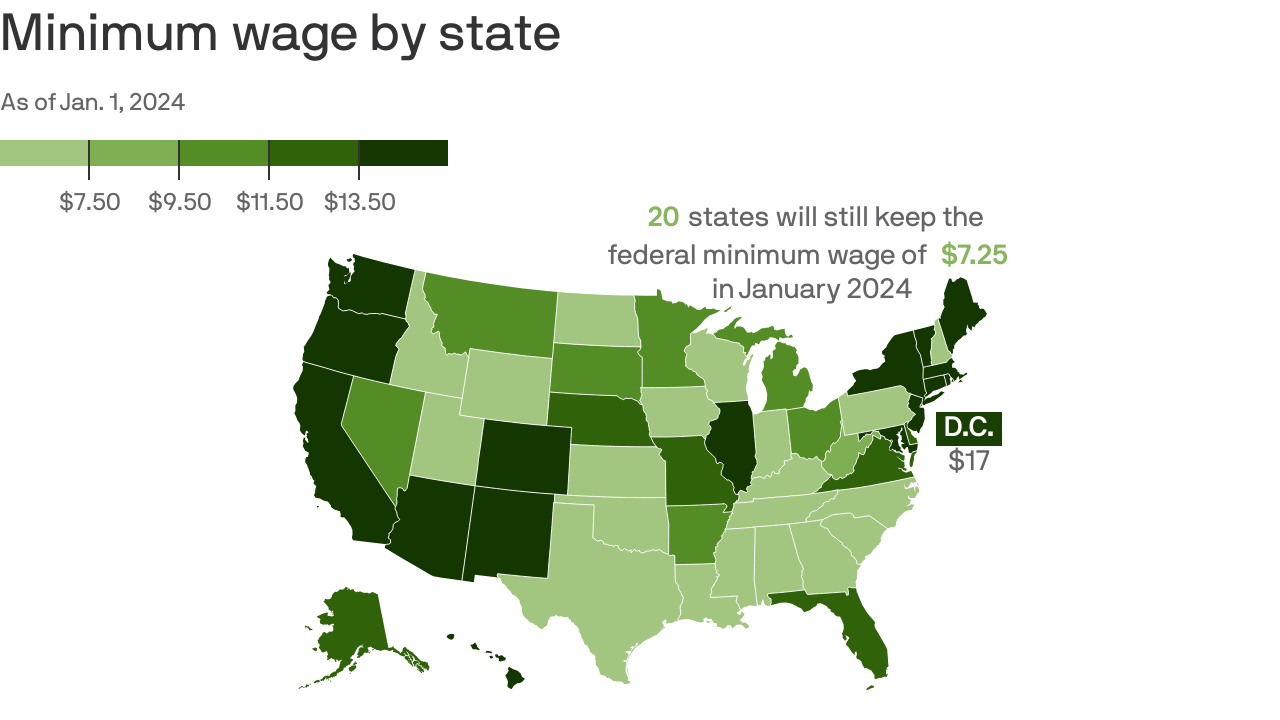
While the minimum wage sets a floor for labor costs, it doesn’t directly dictate the prices of goods and services for tourists. However, it influences the overall economic environment. In areas with a high cost of living, such as downtown Austin or certain neighborhoods in Houston, the $7.25 per hour wage may not be sufficient to cover basic living expenses, potentially leading to labor shortages in some sectors or necessitating higher prices to attract workers.
For travelers, this might translate into variations in pricing for services, though other factors like demand, competition, and the perceived value of the experience play a larger role in setting final prices for hotel stays, dining, and attraction tickets. The economic health of a region, partly influenced by wage levels, ultimately shapes the overall travel experience and its associated costs.
Considerations for Travelers and Prospective Residents
For individuals planning a trip to Texas or considering relocating for employment opportunities, understanding the minimum wage is a practical consideration.
Budgeting for a Texas Trip
While the minimum wage is not a direct line item in a travel budget, it can provide context. For instance, understanding the earning potential of service workers can inform expectations about service levels or the overall cost of labor-intensive services. If you’re planning a trip that involves dining out frequently in popular tourist spots, knowing that many service staff earn the federal minimum wage plus tips can offer a broader economic perspective.
Employment Opportunities in Texas
For those seeking employment in Texas, particularly in entry-level positions within the hospitality, retail, or service industries, the minimum wage of $7.25 per hour is the starting point. It’s important for job seekers to research specific industries and roles, as some positions may offer higher wages due to market demand, specialized skills, or employer discretion.
It’s also worth noting that while the federal minimum wage is the floor, some cities or counties in other states have implemented higher local minimum wage rates. As of now, Texas has not seen widespread adoption of such local ordinances that would supersede the federal rate for general employment. However, it’s always advisable to check for any specific local regulations if considering employment in a particular Texas city.
Cost of Living vs. Minimum Wage
A persistent economic discussion revolves around the adequacy of the federal minimum wage in relation to the cost of living. In Texas, a state with significant economic diversity, the cost of living varies dramatically. Major cities like Austin, Dallas, and Houston have seen substantial increases in housing costs and general expenses. For someone earning $7.25 per hour, affording a comfortable standard of living in these areas can be a significant challenge. This disparity is a key factor for those considering a move to Texas for work, emphasizing the need for careful financial planning and potentially seeking employment that offers wages above the minimum.
What to Expect Beyond the Minimum Wage
While $7.25 per hour is the legal minimum in Texas, it’s essential to recognize that many jobs, particularly those requiring more skill or experience, or those in high-demand sectors, will offer higher compensation. The state’s robust economy, driven by industries such as oil and gas, technology, and manufacturing, in addition to its thriving tourism sector, creates a wide spectrum of employment opportunities.
Industry Standards and Market Rates
The minimum wage serves as a baseline, not a ceiling. Many businesses in Texas, especially those operating in competitive markets or seeking to attract and retain skilled talent, will offer wages above the federal minimum. For instance, jobs in the tech sector in hubs like Austin or Plano will command significantly higher salaries. Similarly, skilled trades, healthcare professionals, and management roles will all earn substantially more than the minimum wage.
For those in the tourism and hospitality industry, while entry-level positions might start at or near the minimum wage, opportunities for advancement into supervisory or management roles often come with increased pay. Furthermore, the culture of tipping in service roles can significantly boost the effective hourly earnings of many workers, as previously discussed.

The Role of the Texas Workforce Commission
The Texas Workforce Commission (TWC) is a vital resource for both employers and employees regarding wage and hour laws. The TWC provides information on minimum wage requirements, overtime, and other labor standards. They also offer services such as job matching, training programs, and unemployment benefits. For anyone seeking employment in Texas, or for businesses navigating employment regulations, the TWC website and resources are invaluable.
In summary, for 2024, Texas adheres to the federal minimum wage of $7.25 per hour. This rate, along with specific provisions for tipped employees, forms the basis of labor compensation for many in the state, particularly within the vibrant tourism and hospitality sectors. While this figure provides a legal floor, the economic realities of Texas offer a wide range of earning potentials, influenced by industry, skill, experience, and location. For travelers and prospective residents, understanding this baseline wage offers valuable insight into the economic fabric of the Lone Star State.
LifeOutOfTheBox is a participant in the Amazon Services LLC Associates Program, an affiliate advertising program designed to provide a means for sites to earn advertising fees by advertising and linking to Amazon.com. Amazon, the Amazon logo, AmazonSupply, and the AmazonSupply logo are trademarks of Amazon.com, Inc. or its affiliates. As an Amazon Associate we earn affiliate commissions from qualifying purchases.