
The enigmatic allure of the Hotel California has captivated listeners and travelers for decades. Immortalized in the iconic 1976 song by the Eagles, the “Hotel California” conjures images of a mysterious, perhaps even sinister, desert oasis where guests can check out anytime but never leave. While the song’s lyrics paint a vivid, albeit metaphorical, picture, the question of its real-world inspiration has sparked endless speculation. Is there a physical place that embodies this legendary establishment? This exploration delves into the various theories and potential locations that might have inspired the Eagles’ most famous creation, focusing on its place within the landscape of iconic destinations and enduring travel mystique.

The Myth and the Melody
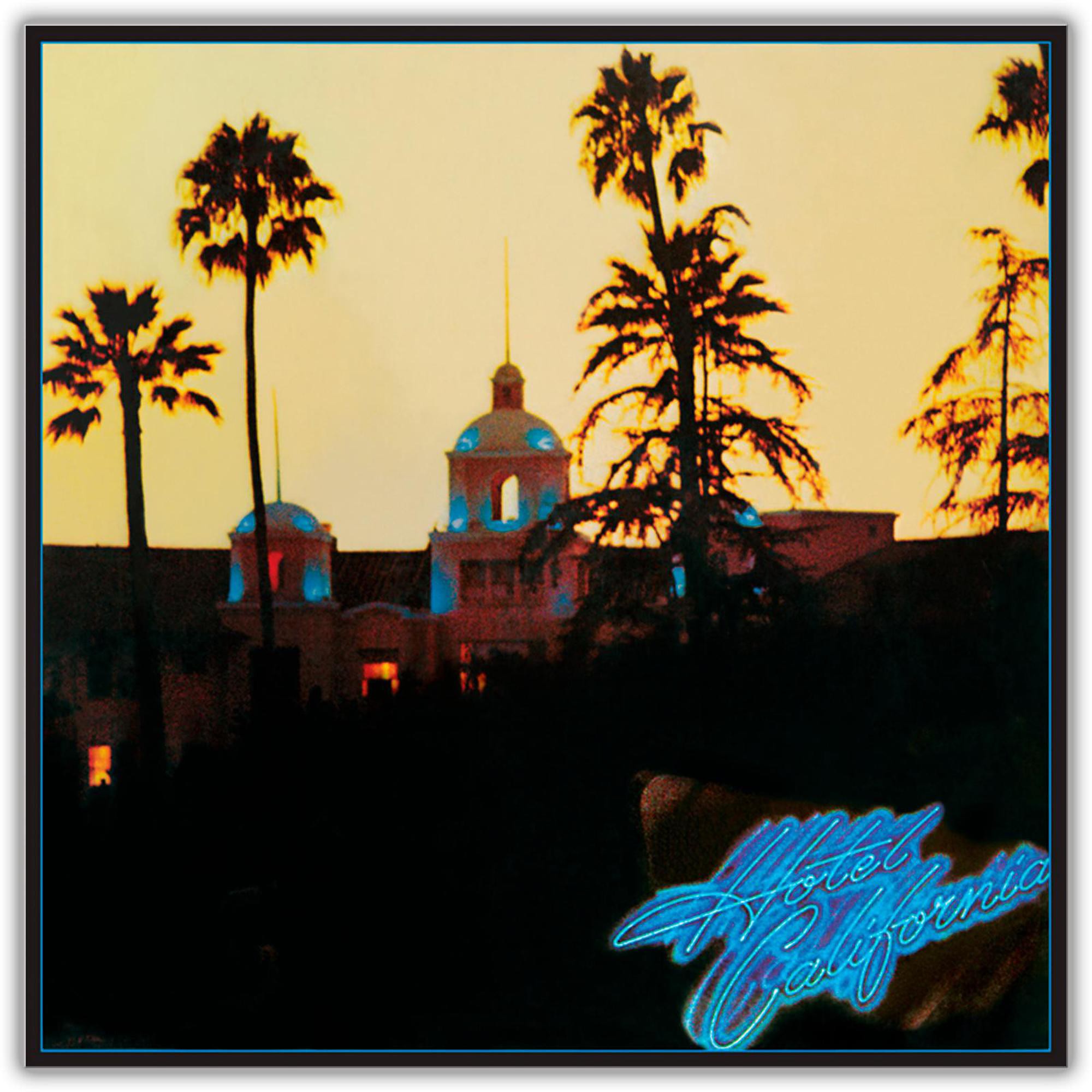
The song itself serves as the primary artifact in the quest to locate the Hotel California. Its lyrics are rich with evocative imagery: “On a dark desert highway, cool wind in my hair,” “Warm smell of colitas, rising up through the air,” and “Mirrors on the ceiling, the pink champagne on ice.” These lines suggest a specific, tangible setting, yet their symbolic weight often overshadows any literal interpretation. The narrative of a luxurious but trapping establishment resonates with themes of excess, disillusionment, and the dark side of the American dream, particularly as perceived in the mid-1970s.
Interpreting the Lyrics
The “colitas” mentioned in the lyrics have been a subject of debate, with some suggesting it refers to a type of desert flower or even, more controversially, to marijuana buds. Regardless of the precise botanical or slang interpretation, the sensory detail contributes to the humid, intoxicating atmosphere the song aims to create. The “mirrors on the ceiling” and “pink champagne on ice” point towards a place of indulgence and decadence, a stark contrast to the desolate desert highway mentioned at the outset. This juxtaposition is key to the song’s enduring power, creating a sense of unease beneath a veneer of luxury. The line “We haven’t had that spirit here since nineteen sixty-nine” further anchors the song in a specific era, hinting at a loss of innocence or a shift in cultural values.
The core mystery, however, lies in the chorus: “Welcome to the Hotel California / Such a lovely place (Such a lovely place) / Such a lovely face / Plenty of room at the Hotel California / Any time of year (Any time of year) / You can find it here.” The promise of perpetual availability and the deceptive “lovely place” create the very trap the song describes. It’s a place that lures you in with promises of pleasure and comfort but ultimately holds you captive, not by physical chains, but by an intangible entanglement with its allure or perhaps one’s own choices.
Potential Real-World Inspirations
While the Eagles have largely maintained that the song is a metaphorical exploration and not a direct account of a specific location, several places have been proposed as potential muses. These often share certain atmospheric or geographical similarities with the lyrical descriptions, fueling ongoing speculation among fans and travelers alike.
The Desolate Beauty of the Desert
The dominant setting described is the desert. This immediately directs speculation towards the vast desert landscapes of the American Southwest, particularly southern California and Arizona. These regions are known for their dramatic vistas, isolated highways, and the unique challenges and attractions of desert life.
Baja California Theories
One of the most persistent theories points to locations in Baja California, Mexico. The narrative’s blend of exotic allure and a sense of being cut off from civilization aligns with the romanticized perception of remote Mexican resorts.
Hotel Los Cerritos, Todos Santos
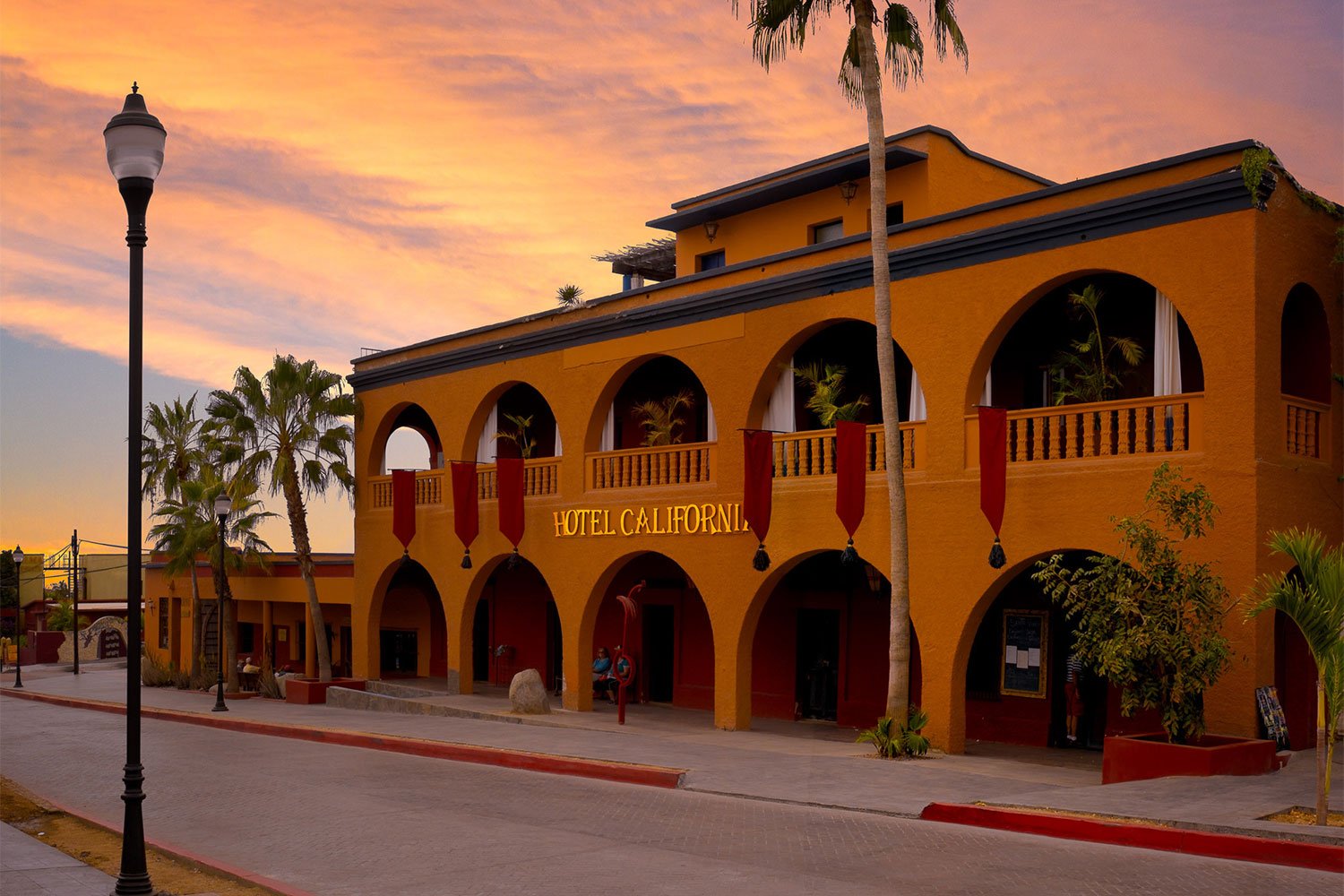
The Hotel Los Cerritos near Todos Santos, Baja California Sur, is frequently cited. This boutique hotel, nestled between the desert and the Pacific Ocean, offers a luxurious escape that could, in a metaphorical sense, become a place one finds difficult to leave. Its remote location and serene ambiance do evoke a sense of stepping outside the ordinary world. While its current form may not be the direct inspiration, it represents the type of tranquil yet enveloping retreat that could have sparked the initial concept. The town of Todos Santos itself, with its bohemian charm and artist communities, adds another layer to the mystique, hinting at a place where time might indeed slow down.
Other Baja Establishments
Other hotels and resorts along the Baja California peninsula have also been mentioned, drawing on the region’s reputation for stunning coastlines, desert expanses, and historically, a certain wildness and escapism that appealed to American travelers in the 1970s. The idea of a luxurious sanctuary in an otherwise rugged environment is a powerful juxtaposition that likely informed the song’s narrative.
Arizona’s Desert Resorts
The vastness and iconic imagery of the Arizona desert also lend themselves to the song’s setting. Many luxury resorts and historic inns are scattered across this arid landscape, offering havens of comfort amidst the stark beauty of the desert.
The Landmark Inn, Indio
Though less frequently mentioned than Baja locations, some speculate about the Landmark Inn in Indio, California. Its proximity to desert routes and its historical context as a stopping point for travelers might have contributed to the song’s geographical cues. However, the prevailing consensus leans away from a specific, existing hotel in this area being the direct inspiration.
The Eagles’ Perspective: Metaphor and Symbolism
Don Henley and Glenn Frey, the primary songwriters of the Eagles, have consistently described the song as a metaphor for the excesses and spiritual emptiness of the music industry and the broader American lifestyle of the 1970s. The “Hotel California” is not a place one can book a room in, but rather a state of mind, a commentary on the seductive nature of fame, fortune, and a hedonistic lifestyle that ultimately becomes a prison.
A Commentary on the Music Scene
The song’s creation in the mid-1970s coincided with a period of immense success for the Eagles. They were surrounded by the trappings of fame – lavish parties, demanding tours, and the constant pressure to maintain their success. The lyrics can be interpreted as a reflection on this world, where the initial allure of freedom and pleasure gradually transforms into a gilded cage.
The “dark desert highway” could symbolize the journey into the music business, while the hotel represents the opulent but ultimately isolating environment that success can create. The line “We are all just prisoners here, of our own device” powerfully encapsulates this theme. The “spirits” that haven’t been there since “nineteen sixty-nine” might refer to a perceived loss of idealism or authenticity that the band felt had pervaded the industry and society.
Beyond a Single Location
The genius of “Hotel California” lies in its ambiguity. By not pinning it down to a single, identifiable hotel, the song achieves a universal resonance. It speaks to anyone who has experienced the seductive yet trapping nature of a particular lifestyle, a relationship, or even a state of mind. The desert setting, while specific in its evocation, serves as a canvas for this broader human experience. It’s the feeling of being lured into a place of perceived paradise, only to find oneself ensnared by its very nature.
Therefore, when asking “Where Is Hotel California?”, the most accurate answer, as suggested by the creators, is that it exists not on a map, but within the collective consciousness, a potent symbol of allure and entrapment that continues to resonate with travelers and music enthusiasts alike. It remains a destination for the imagination, a legendary landmark in the geography of popular culture. The search for its physical embodiment is, in essence, a quest to understand the song’s enduring message about the human condition and the often-illusory nature of paradise.
LifeOutOfTheBox is a participant in the Amazon Services LLC Associates Program, an affiliate advertising program designed to provide a means for sites to earn advertising fees by advertising and linking to Amazon.com. Amazon, the Amazon logo, AmazonSupply, and the AmazonSupply logo are trademarks of Amazon.com, Inc. or its affiliates. As an Amazon Associate we earn affiliate commissions from qualifying purchases.