
Understanding the tax landscape of any state is crucial, whether you’re planning a weekend getaway, considering an extended stay, or even contemplating a long-term relocation. In Alabama, the nuances of its tax structure significantly influence the cost of living, the affordability of travel, and the feasibility of business ventures, directly impacting various lifestyle choices. From daily purchases to property ownership, a clear picture of what to expect financially allows for better budgeting, smarter travel decisions, and a more informed approach to experiencing the Heart of Dixie.
Navigating the Tax Landscape for Residents and Visitors
Alabama’s tax system presents a unique blend of state-wide rates and highly variable local charges that can surprise newcomers. Unlike some states with very high income or property taxes, Alabama often balances its overall revenue needs through other means, particularly sales and local occupancy taxes. This structure makes it an appealing state for certain lifestyles, such as those seeking lower property burdens, but can also mean higher costs in other areas, especially for consumers and temporary visitors.
For travelers, understanding sales tax on goods and services, alongside specific lodging taxes, is paramount for budget planning. For those considering a longer-term lifestyle change, perhaps a move for work or retirement, the combined effect of income, sales, and property taxes becomes a critical component of assessing overall affordability and quality of life. Even families planning extended trips need to factor in how these taxes will affect their daily expenditures, from groceries to entertainment. This section will delve into the various tax categories, offering insights into how they shape the economic reality of life and travel in Alabama.
Understanding Sales and Use Tax in Alabama
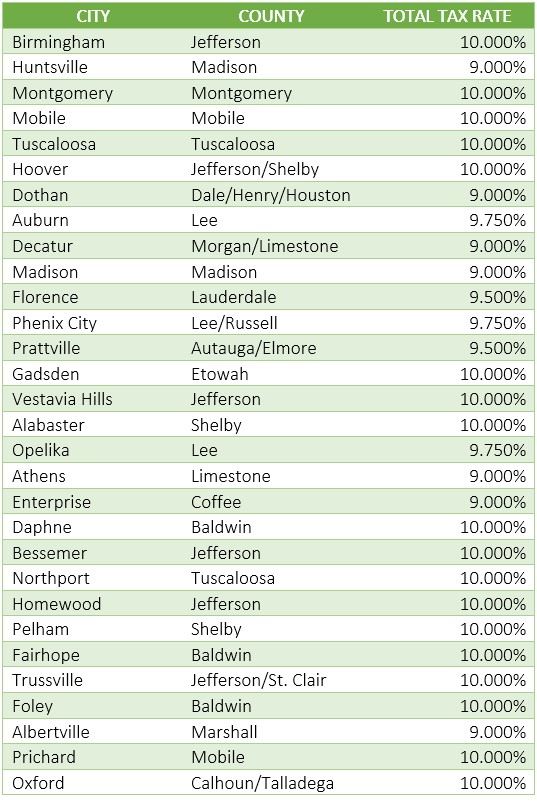
The sales and use tax in Alabama is a significant component of consumer spending and directly impacts both daily living costs and a traveler’s budget. The state sales tax rate is 4%. However, this is merely the baseline. What truly defines the sales tax burden in Alabama are the additional local sales taxes levied by counties and municipalities. These local rates can vary dramatically, often adding an additional 5% to 8% on top of the state rate, pushing the combined sales tax rate in some areas to as high as 10% or even 11%.
The Impact of Local Sales Taxes
Consider a scenario where you’re enjoying a family trip through Alabama. A meal at a restaurant in one city might carry a combined 8% sales tax, while the same meal in a neighboring county could incur 10%. This variability means that a budget-conscious traveler needs to be aware of where they are making purchases. For instance, in cities like Birmingham or Montgomery, the combined sales tax rate is often on the higher end, impacting everything from souvenirs to groceries and dining experiences. This contrasts sharply with states that have no sales tax or uniform state-wide rates, making Alabama’s approach a key consideration for daily spending.
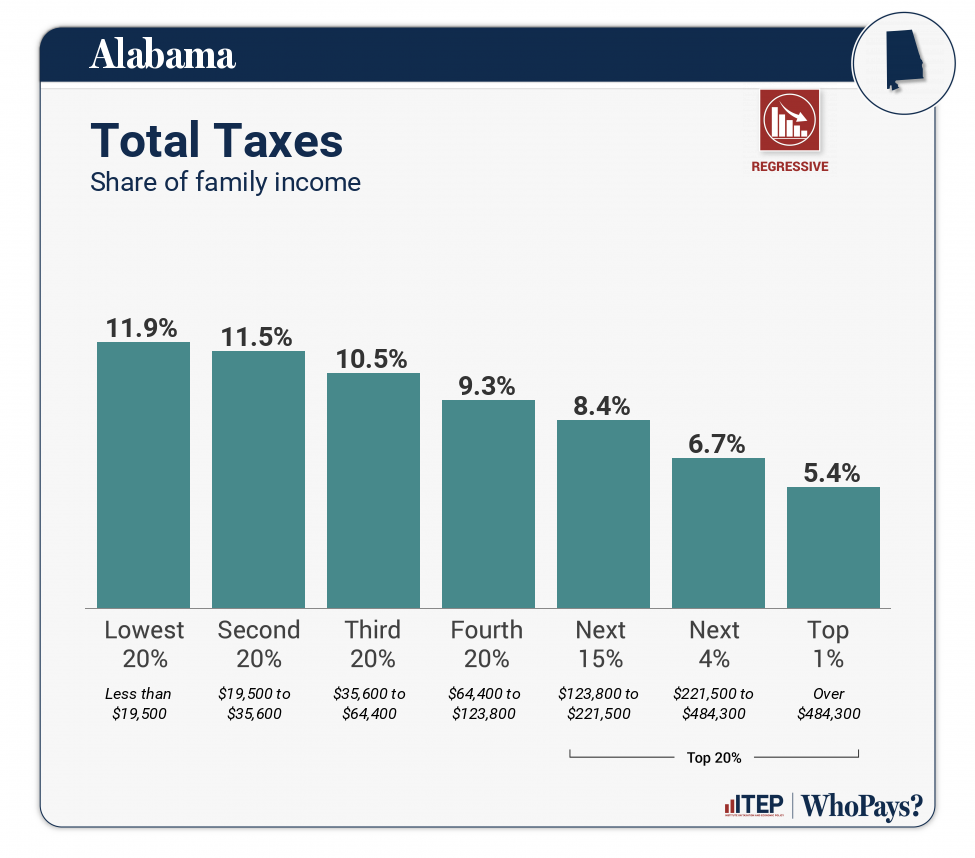
For residents, especially those on fixed incomes or those practicing budget-conscious living, these sales taxes accumulate significantly over time. Every purchase, from a new appliance to a cup of coffee, contributes to this tax burden. This structure places a heavier proportionate burden on consumption, meaning that the more you spend on goods and services, the more you contribute in sales tax. For luxury travel or those with higher discretionary spending, this might be a minor inconvenience, but for budget travel or everyday lifestyle, it’s a critical budgeting factor. Understanding these fluctuating rates is essential for anyone looking to optimize their finances while exploring or living in Alabama.
Income Tax: A Key Factor for Alabama Lifestyles
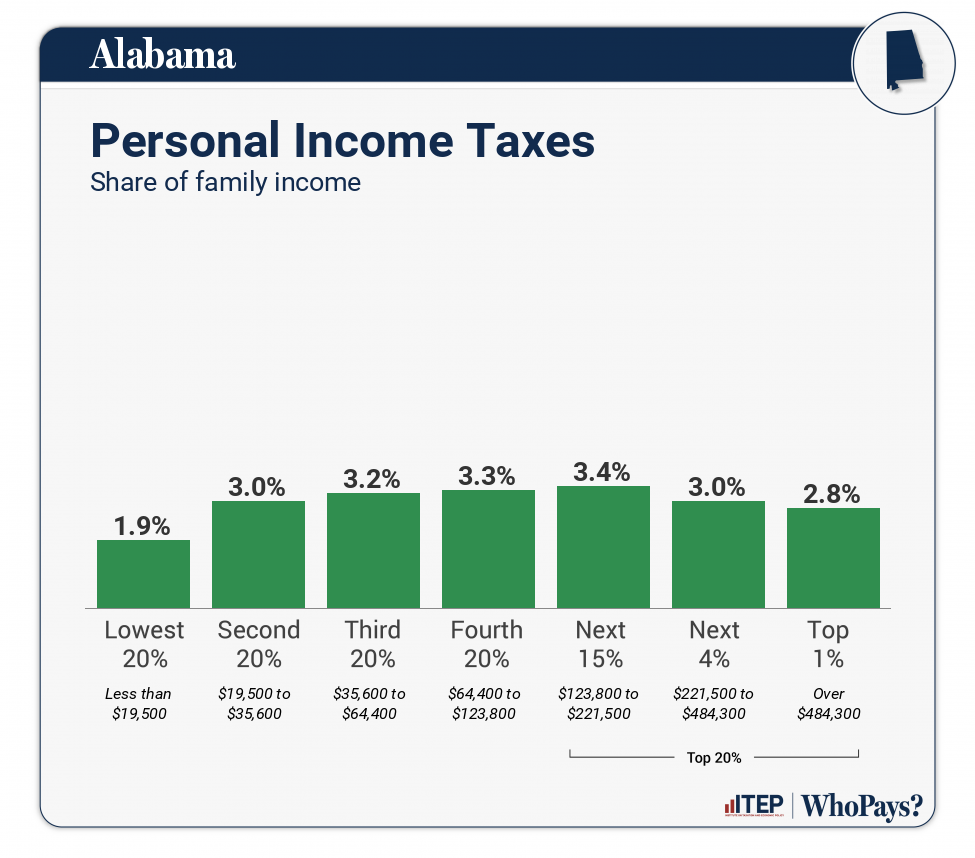
For individuals considering a move to Alabama for business or a long-term lifestyle change, understanding the state’s income tax is paramount. Alabama levies a progressive state income tax on individual earnings, meaning higher incomes are taxed at higher rates, up to a certain cap. The state’s individual income tax rates range from 2% to 5%, reaching the maximum rate for taxable incomes over approximately $3,000 for single filers and $6,000 for married couples filing jointly. This maximum 5% rate is considerably lower than many other states with income taxes, making Alabama an attractive option for those prioritizing take-home pay.
Implications for Relocation and Business Stays
The relatively low top income tax rate can significantly impact the financial well-being of residents. For professionals contemplating a business stay or a permanent relocation, this often translates into more disposable income compared to states with double-digit income tax rates. This favorable income tax environment can be a strong draw for businesses looking to attract talent or for individuals seeking a comfortable retirement lifestyle where income streams are less eroded by state taxation.
Furthermore, Alabama offers various deductions and exemptions that can further reduce an individual’s taxable income, similar to federal tax rules. These can include deductions for certain retirement contributions, health savings account contributions, and itemized deductions. While not as pertinent for short-term travelers, for those establishing a family or business in Alabama, these provisions are crucial for comprehensive financial planning. The state also exempts Social Security benefits and certain public and private pension incomes from taxation, enhancing its appeal for retirees and those planning for their golden years. This thoughtful approach to income taxation contributes positively to the overall cost of living and can greatly influence lifestyle choices, from where to establish a business to where to raise a family.
Property Taxes and Accommodation Costs
One of the most notable features of Alabama’s tax system, and a major draw for specific lifestyle choices, is its exceptionally low property tax rate. Consistently ranking among the lowest in the United States, Alabama’s property taxes are a significant advantage for homeowners and, indirectly, for long-term renters. The state assesses property based on a very low assessment ratio (typically 10% for residential property) and applies low millage rates, resulting in annual property tax bills that are often a fraction of what they would be in other states.
Low Property Taxes: A Boon for Homeowners
For those considering a long-term lifestyle in Alabama, perhaps retiring to a quiet town or investing in a vacation home along the Gulf Coast, the low property tax burden is a major financial benefit. It translates into lower monthly housing costs, freeing up more capital for other lifestyle pursuits, whether that’s travel, hobbies, or community engagement. This can significantly enhance the attractiveness of areas like Dauphin Island or the suburbs of Huntsville for those seeking homeownership.
Occupancy Taxes: A Factor for Travelers
While property taxes are low, visitors to Alabama will encounter another form of taxation related to accommodation: occupancy or lodging taxes, often referred to as “hotel taxes.” These taxes are levied on short-term rentals of rooms, lodgings, and accommodations. Like sales taxes, these rates are determined at both the state and local levels and can vary considerably depending on the city or county.
For example, a stay in Gulf Shores, a popular tourist destination, might include a combined state and local lodging tax rate significantly higher than in a less tourist-dense area. These taxes directly impact the cost of budget travel and can add a considerable amount to the final bill for luxury resorts or extended business stays. Travelers planning their itineraries and budgets should research the specific lodging tax rates for their chosen destinations, such as Mobile or Orange Beach, to avoid unexpected expenses. Understanding this duality – low property taxes for residents, but potentially higher occupancy taxes for visitors – is key to navigating the financial landscape of Alabama.
Other Taxes Affecting Lifestyle and Business
Beyond the primary taxes on sales, income, and property, several other taxes in Alabama contribute to the overall cost of living and doing business, influencing various lifestyle decisions. While individually smaller in scope, their cumulative effect can be significant for both residents and visitors.
Fuel Taxes
Alabama imposes a state fuel tax on gasoline and diesel. As of recent adjustments, this tax is competitive but still adds to the cost of transportation. For travelers embarking on road trips across the state, or for residents with daily commutes, understanding the fuel tax impacts their budget. This is particularly relevant for those whose lifestyle involves extensive driving, be it for adventure, business, or simply daily errands. The cost of filling up can influence decisions on vehicle efficiency and even the feasibility of certain travel itineraries for budget-conscious explorers.
Excise Taxes
Excise taxes are levied on specific goods and services, often considered “luxury” items or those with social costs. In Alabama, this includes taxes on tobacco products and alcoholic beverages. While these taxes might not affect everyone, they certainly impact the lifestyle choices of those who consume these goods. For a visitor planning to enjoy local craft beers or a resident who smokes, these taxes contribute to the overall expenditure on leisure and personal habits.
Business Privilege Tax and Corporate Income Tax
For entrepreneurs considering establishing a business in Alabama or for larger corporations planning business stays for their employees, understanding the state’s business taxation is critical. Alabama levies a business privilege tax, which is an annual tax for the privilege of doing business in the state. The amount is based on the business’s net worth. Additionally, corporations are subject to a state corporate income tax, currently at a flat rate of 6.5%. While not directly impacting individual consumer lifestyles, these taxes are crucial for the economic environment and can influence job creation, local amenities, and the overall prosperity that indirectly affects resident lifestyles. A favorable business tax climate can lead to more opportunities and a stronger economy, which benefits everyone living or vacationing in the state.
In summary, while Alabama boasts appealingly low property and income tax rates, its higher sales and local occupancy taxes mean that the financial picture requires a comprehensive understanding. Whether you’re planning a budget-friendly adventure, considering a luxury retreat, relocating for family reasons, or establishing a business presence, a thorough review of these diverse tax structures is essential for making informed lifestyle decisions in Alabama.
LifeOutOfTheBox is a participant in the Amazon Services LLC Associates Program, an affiliate advertising program designed to provide a means for sites to earn advertising fees by advertising and linking to Amazon.com. Amazon, the Amazon logo, AmazonSupply, and the AmazonSupply logo are trademarks of Amazon.com, Inc. or its affiliates. As an Amazon Associate we earn affiliate commissions from qualifying purchases.