
Understanding the weather in Tulsa is crucial for planning any visit, whether you’re seeking outdoor adventures, exploring cultural attractions, or simply enjoying the local ambiance. Located in the heart of Oklahoma, Tulsa experiences a diverse range of climatic conditions throughout the year, influenced by its position in the humid subtropical zone. This means distinct seasons, each with its own unique charm and set of considerations for travelers. From the sweltering heat of summer to the crisp air of autumn, and the occasional chill of winter, being prepared will significantly enhance your experience in this vibrant Oklahoma city.
Tulsa’s Seasonal Climate Overview
Tulsa is characterized by its four pronounced seasons, each offering a different facet of the city’s appeal. The average annual temperature hovers around 62°F (17°C), but this figure masks the considerable fluctuations experienced from month to month. Precipitation is distributed fairly evenly across the year, though thunderstorms are a common feature, particularly during the spring and summer months. Understanding these general patterns is the first step in packing appropriately and scheduling activities that align with the prevailing conditions.
Spring: A Time of Renewal and Thunderstorms
Spring in Tulsa, typically from March through May, is a period of transition marked by warming temperatures and increasing humidity. Average highs climb from the 50s°F (10-15°C) in early March to the 70s°F (21-26°C) by May. Nights remain cool, often dipping into the 40s°F (4-9°C). This season is renowned for its natural beauty, with wildflowers blooming across the Osage Hills and the city parks coming alive with greenery.
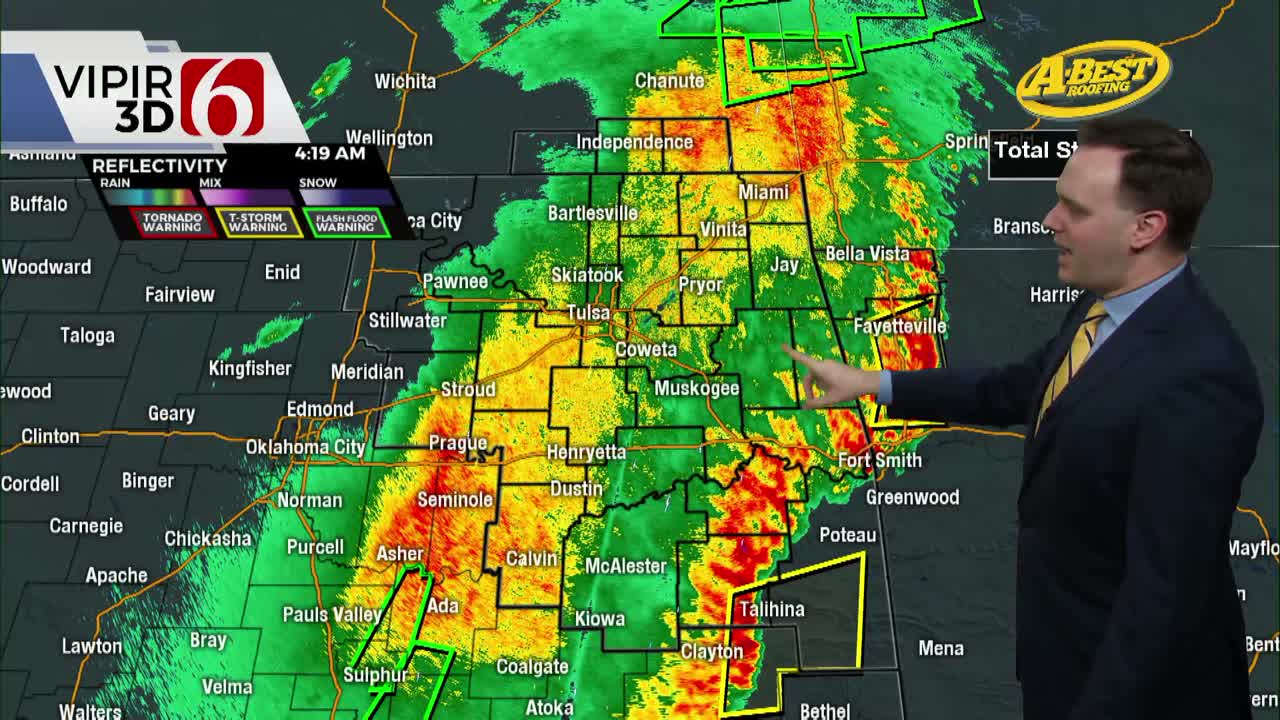
However, spring is also the prime season for severe weather in Oklahoma. Tulsa lies within “Tornado Alley,” and while not every spring brings a direct hit, the potential for strong winds, heavy rainfall, and, indeed, tornadoes is a significant factor. Thunderstorms are frequent, often accompanied by lightning and hail. Travelers visiting during this time should stay informed about weather forecasts and be prepared for potential disruptions. Despite the risks, the revitalized landscapes and blooming flora make spring a beautiful, albeit weather-watchful, time to visit.
Summer: Heat, Humidity, and Outdoor Pursuits
Summer in Tulsa, from June through August, is characterized by significant heat and humidity. Average daytime temperatures frequently reach the upper 80s°F to low 90s°F (31-34°C), with heat indices often climbing higher due to the humidity. Extended periods of 100°F (38°C) or more are not uncommon. Evenings offer little respite, with overnight lows usually staying in the comfortable 70s°F (21-26°C).
Despite the heat, summer is a popular time for outdoor activities in Tulsa. The Arkansas River offers opportunities for boating and fishing, and numerous parks provide shaded areas for relaxation. The city also hosts many outdoor festivals and events during these months. Visitors should prioritize hydration, seek shade during the hottest parts of the day, and consider indoor attractions like the Philbrook Museum of Art or the Gathering Place if the heat becomes too intense. Thunderstorms can still occur, bringing temporary relief from the heat but also posing risks of flash flooding and lightning.
Autumn: A Crisp and Colorful Transition
Autumn, from September through November, is often considered the most pleasant season in Tulsa. The oppressive heat of summer gradually gives way to cooler, drier air. September can still be quite warm, but by October and November, average highs are typically in the 60s°F to 70s°F (15-26°C), with comfortable nights dipping into the 40s°F to 50s°F (4-15°C).
This season is a visual spectacle, with the foliage in the surrounding Ozark Mountains transforming into a vibrant tapestry of reds, oranges, and yellows. It’s an ideal time for exploring Tulsa’s many parks, including the sprawling Mohawk Park, or enjoying outdoor dining. The risk of severe weather diminishes significantly compared to spring, making it a more predictable period for travel. The crisp air and stunning scenery make autumn a prime time for any visitor.
Winter: Cold Snaps and Occasional Snow
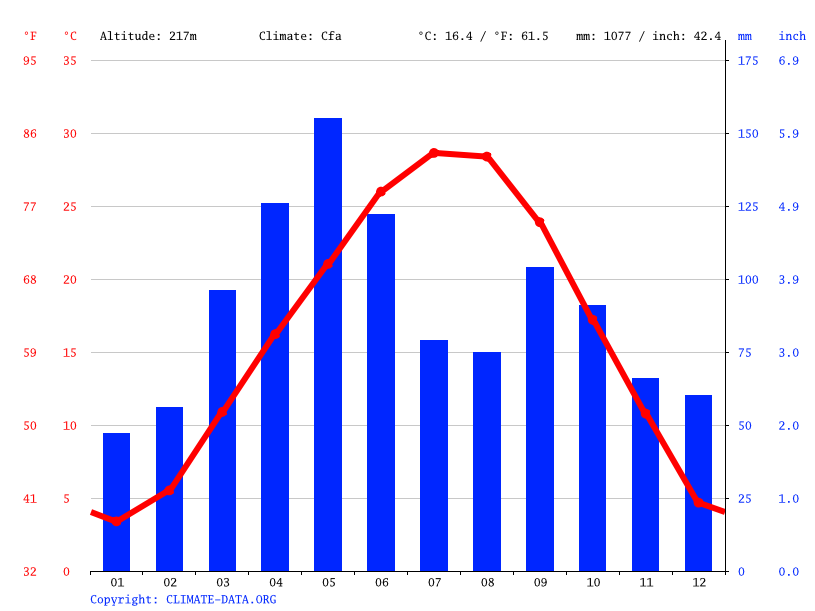
Winter in Tulsa, from December through February, can be cold, though generally milder than in more northerly states. Average daytime temperatures are in the 40s°F (4-9°C), with overnight lows frequently dropping below freezing, into the 20s°F (-7 to -1°C). Ice and snow are possible, though usually not persistent or heavy. A significant snowfall can disrupt travel, but more common are freezing rain events that can create hazardous road conditions.
While cold, winter also offers its own unique appeal. The city often adorns itself with festive lights, and indoor attractions remain plentiful. The Tulsa Performing Arts Center and various museums provide excellent opportunities to escape the cold. For those who enjoy the quiet beauty of a stark landscape, winter can be a peaceful time to visit. It’s essential to pack warm layers and stay updated on weather advisories, especially if driving.
Planning Your Visit Based on Tulsa’s Weather
The weather in Tulsa is a significant factor in planning, influencing everything from packing lists to itinerary choices. Understanding the seasonal nuances allows for a more enjoyable and seamless travel experience.
Packing Essentials for Every Season
Regardless of when you visit, it’s always wise to pack layers. However, specific items become more crucial depending on the season.
- Spring: Lightweight rain gear, an umbrella, a medium-weight jacket, comfortable walking shoes, and perhaps a scarf. Given the potential for severe weather, a small portable weather radio or a reliable weather app is a good idea.
- Summer: Light, breathable clothing (cotton, linen), shorts, t-shirts, a wide-brimmed hat, sunglasses, sunscreen, and a reusable water bottle. For evenings or air-conditioned interiors, a light cardigan or jacket.
- Autumn: Layers are key. Pack long-sleeved shirts, sweaters, a medium-weight jacket, and perhaps a light waterproof outer shell. Comfortable walking shoes are a must for exploring the fall colors.
- Winter: Heavy, warm clothing including a thick coat, sweaters, thermal base layers, a warm hat, gloves, and a scarf. Waterproof boots are advisable in case of snow or ice.
Maximizing Your Tulsa Experience
When planning your activities, consider how the weather might affect them.
- Outdoor Enthusiasts: Spring and autumn are ideal for hiking in areas like the Turkey Mountain Urban Wilderness Area or exploring the city’s extensive trail system. Summer offers water-based activities on the Arkansas River.
- Culture and Arts Aficionados: Tulsa boasts a rich cultural scene that is largely weather-independent. The Gilcrease Museum, the Harwelden Mansion, and numerous art galleries are perfect indoor escapes during inclement weather, whether it’s a summer downpour or a winter chill.
- Families: The Tulsa Zoo and the Oklahoma Aquarium are popular attractions for families, offering opportunities for both indoor and outdoor exploration. The Discovery Lab is an excellent choice for interactive fun, especially on cooler or rainy days. The Gathering Place offers a vast array of activities for all ages, with both indoor and outdoor spaces to enjoy.

Staying Informed About Weather Alerts
For any visitor, staying informed about the weather is paramount, especially during spring and summer. Utilize reliable sources for real-time updates:
- Local News Channels: Tulsa has several local news stations that provide comprehensive weather coverage.
- National Weather Service: The National Weather Service website and app offer detailed forecasts and crucial alerts for severe weather.
- Weather Apps: Numerous smartphone applications provide up-to-the-minute forecasts and severe weather notifications.
By understanding and respecting the unique weather patterns of Tulsa, you can ensure a comfortable, safe, and memorable journey through this dynamic Oklahoma city. Whether you’re drawn by its vibrant arts scene, its historical significance, or its beautiful natural landscapes, a little weather preparedness goes a long way in unlocking the best of what Tulsa has to offer.
LifeOutOfTheBox is a participant in the Amazon Services LLC Associates Program, an affiliate advertising program designed to provide a means for sites to earn advertising fees by advertising and linking to Amazon.com. Amazon, the Amazon logo, AmazonSupply, and the AmazonSupply logo are trademarks of Amazon.com, Inc. or its affiliates. As an Amazon Associate we earn affiliate commissions from qualifying purchases.