
The dedicated educators of Alabama play a pivotal role in shaping the next generation, yet their compensation often sparks public discussion. For those considering a move to the Heart of Dixie or simply curious about the financial realities faced by its teaching professionals, understanding teacher salaries is crucial. Beyond the raw numbers, these figures directly influence the lifestyle choices available to teachers, impacting everything from daily living to their ability to enjoy family trips, pursue personal interests, and plan for long-term financial well-being. This exploration delves into the salary landscape for Alabama teachers, connecting their earnings to the broader spectrum of lifestyle opportunities, particularly in the realm of travel and leisure.
Understanding the Alabama Teacher Salary Landscape
Teacher salaries in Alabama are influenced by a multitude of factors, including years of experience, level of education, and the specific school district. While the state provides a salary schedule that sets a baseline, local districts often supplement these amounts, leading to variations across regions.
State-Mandated Salary Schedule and Local Supplements
The Alabama Department of Education establishes a minimum salary schedule based on a teacher’s education level (e.g., Bachelor’s, Master’s, Ed.S., Doctorate) and years of service. A new teacher with a Bachelor’s degree, for instance, starts at a state-mandated base salary. This base salary incrementally increases with each year of experience and further education.
However, many school districts, particularly those in more affluent or populous areas, offer local salary supplements. These supplements can significantly boost a teacher’s take-home pay, making certain districts more financially attractive than others. For example, a teacher in a larger metropolitan area like Birmingham or Huntsville might earn substantially more than a counterpart with similar experience and education in a rural district, purely due to these local additions. This disparity can profoundly affect a teacher’s discretionary income, directly influencing their ability to engage in activities such as budget travel or even more extensive family vacations.
Average Earnings and Progression
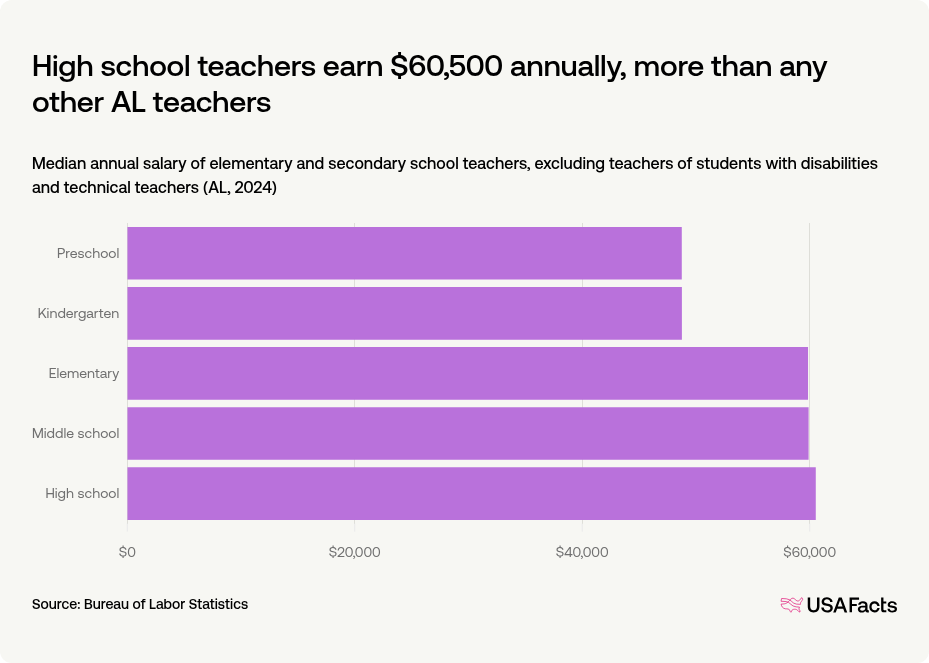
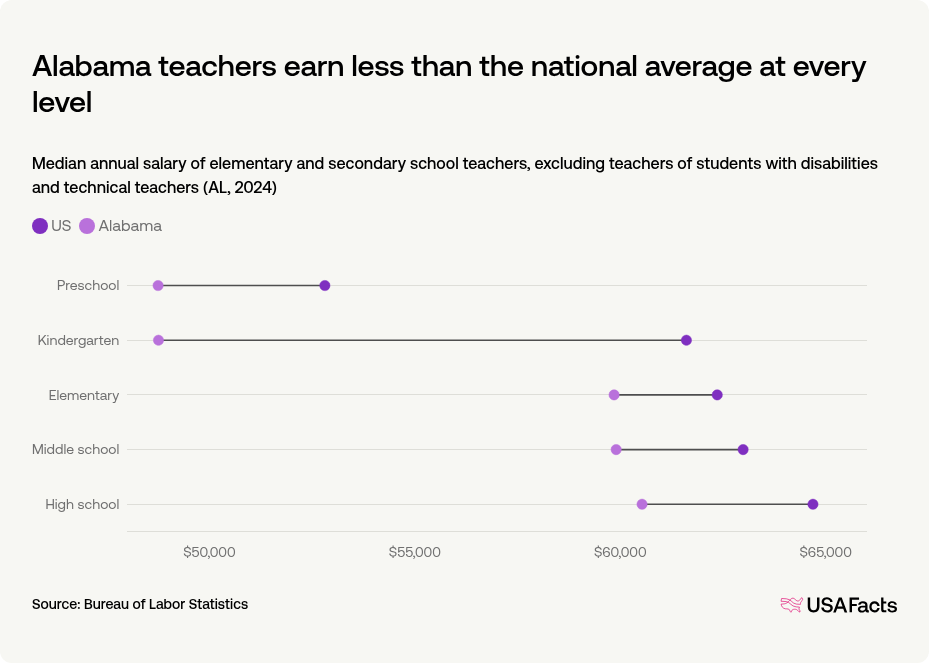
While specific figures fluctuate with legislative adjustments and district policies, the average teacher salary in Alabama typically falls below the national average. For a teacher with a Bachelor’s degree and mid-career experience (e.g., 10-15 years), annual salaries might range from the mid-$40,000s to low-$60,000s, with those holding advanced degrees and extensive experience reaching into the $70,000s or even higher in select districts with strong local supplements. These averages provide a critical lens through which to view the lifestyle possibilities for Alabama educators.
Consider a teacher earning in the lower end of this spectrum. Their financial planning for leisure and travel will necessarily be more conservative than someone in a higher-paying district. This often means prioritizing budget-friendly options, choosing closer destinations, or saving meticulously over several months to afford a desired experience.
Connecting Income to Lifestyle Choices: Travel & Beyond
The financial reality of an Alabama teacher’s salary directly dictates their daily lifestyle and long-term aspirations, especially concerning travel. It shapes the types of trips they can take, the frequency, and the overall scope of their leisure activities.
Impact on Travel Opportunities
For many Alabama teachers, their salary places them firmly in the realm of budget-conscious travel. A family trip, for example, might involve careful planning to maximize value. Instead of international excursions or luxury resorts, teachers might opt for:
- Regional Getaways: Exploring Alabama’s own diverse offerings, such as the beaches of Gulf Shores or Orange Beach, the historical sites of Montgomery, or the scientific wonders of the U.S. Space & Rocket Center in Huntsville. These destinations are often reachable by car, reducing transportation costs.
- Camping or Cabin Stays: Utilizing state parks or affordable rental cabins can significantly cut down on accommodation expenses, allowing for more frequent escapes into nature.
- Off-Peak Travel: Taking advantage of less popular times to visit attractions or destinations, when prices for flights and lodging are lower. This is often feasible during school breaks, though not always.
- Staycations: Enjoying local attractions and events in their home city or nearby towns, which minimizes travel costs entirely.
While luxury travel may be a rare indulgence, careful financial planning can still make enriching experiences attainable. Many teachers prioritize travel as a form of rejuvenation and education, often finding creative ways to make it happen within their budgetary constraints.

Daily Living and Discretionary Spending
Beyond travel, a teacher’s salary influences their everyday lifestyle. Mortgage or rent payments, groceries, utilities, and childcare consume a significant portion of their income. This leaves a variable amount for discretionary spending, which includes dining out, entertainment, and personal hobbies. In districts with lower local supplements or higher costs of living, teachers might find themselves making tougher choices to balance necessities with desires. This constant consideration of budget affects everything from wardrobe choices to the frequency of family outings, underscoring the direct link between compensation and quality of life.
Budgeting for Experiences: Making Travel Possible
Despite the financial limitations, many Alabama teachers are adept at budgeting and finding creative ways to pursue their passions, including travel. Financial literacy and strategic planning become essential tools.
Smart Saving Strategies
- Dedicated Travel Funds: Setting up a separate savings account specifically for travel and automating small contributions from each paycheck can make significant trips feasible over time.
- “Found Money” Allocation: Directing unexpected bonuses, tax refunds, or even small windfalls from side gigs directly into a travel fund.
- Cost-Cutting at Home: Identifying areas in their regular budget where savings can be made, such as cooking more at home, reducing subscription services, or finding free local entertainment. These small adjustments can collectively free up funds for travel.
Maximizing Travel Value
- Loyalty Programs and Rewards: Utilizing airline miles, hotel points, or credit card rewards can substantially reduce travel costs. Many teachers accrue points through everyday spending, then redeem them for flights or accommodation.
- Group Travel Deals: Organizing trips with friends or family can sometimes unlock group discounts on lodging or activities, making experiences more affordable for everyone.
- Utilizing Teacher Discounts: Many attractions, museums, and even some travel providers offer discounts specifically for educators, which can add up to significant savings.
- Exploring Free and Low-Cost Attractions: Researching destinations for free activities like hiking trails, public parks, free museum days, or open-air markets can make a trip more enriching without breaking the bank. For example, a trip to Mobile could include exploring its historic districts and parks without incurring significant costs.
By employing these strategies, Alabama teachers can transform the dream of travel into a tangible reality, demonstrating that a fulfilling lifestyle is not solely dependent on a high income but also on smart financial management and a commitment to personal experiences.
Long-Term Planning and Financial Well-being
An Alabama teacher’s salary also has long-term implications for their financial well-being, retirement planning, and the continuity of their desired lifestyle into their later years. Understanding these long-term facets is crucial for a complete picture of an educator’s lifestyle.
Retirement Benefits and Savings
Teachers in Alabama are part of the Teachers’ Retirement System of Alabama (TRS), a defined-benefit pension plan. Contributions are made from their salaries, and upon retirement, eligible teachers receive a monthly pension based on their years of service and highest average salary. This pension provides a stable income stream in retirement, which can be critical for maintaining a desired lifestyle, including continued travel and leisure activities.
Beyond the pension, many teachers also contribute to supplementary retirement accounts such as 403(b)s or 457(b) plans. These options allow them to save additional pre-tax or post-tax income, providing more flexibility and a larger nest egg for retirement travel or other significant expenses. The ability to contribute meaningfully to these additional plans is directly tied to their current salary and discretionary income. For a teacher with a higher salary, it’s easier to maximize these savings, ensuring a more comfortable and travel-rich retirement.
Career Progression and Future Lifestyle
The trajectory of a teacher’s salary is generally upward, especially with advanced degrees and increased experience. As a teacher progresses in their career, their earning potential grows, opening up more lifestyle options. A seasoned educator with a Master’s degree and 20+ years of experience will have significantly more disposable income than a novice teacher, allowing for more elaborate travel, greater financial security, and the ability to invest in other lifestyle enhancements. This career progression offers a pathway to a more expansive lifestyle, emphasizing the long-term rewards for dedicated service in education.
In conclusion, while Alabama teacher salaries may present certain financial considerations, the landscape is complex and dynamic. Through strategic budgeting, smart saving, and a clear understanding of available resources, Alabama educators can build a rewarding lifestyle that includes cherished travel experiences and long-term financial stability. Their commitment to education not only shapes the minds of students but also, with careful planning, allows them to lead fulfilling lives.
LifeOutOfTheBox is a participant in the Amazon Services LLC Associates Program, an affiliate advertising program designed to provide a means for sites to earn advertising fees by advertising and linking to Amazon.com. Amazon, the Amazon logo, AmazonSupply, and the AmazonSupply logo are trademarks of Amazon.com, Inc. or its affiliates. As an Amazon Associate we earn affiliate commissions from qualifying purchases.