
Durango, Colorado, a jewel nestled in the heart of the San Juan Mountains, captivates visitors with its rugged beauty, rich history, and abundant outdoor adventures. While its stunning vistas and vibrant downtown are often the focus of travel guides, understanding the altitude of Durango, Colorado is a crucial piece of information for any traveler planning a visit. The town sits at a significant elevation, and being prepared for it can greatly enhance your experience, ensuring you can fully immerse yourself in all that this magnificent destination has to offer. This guide delves into Durango’s elevation, its implications, and how to best enjoy your journey in this high-altitude paradise.

Understanding Durango’s Elevation
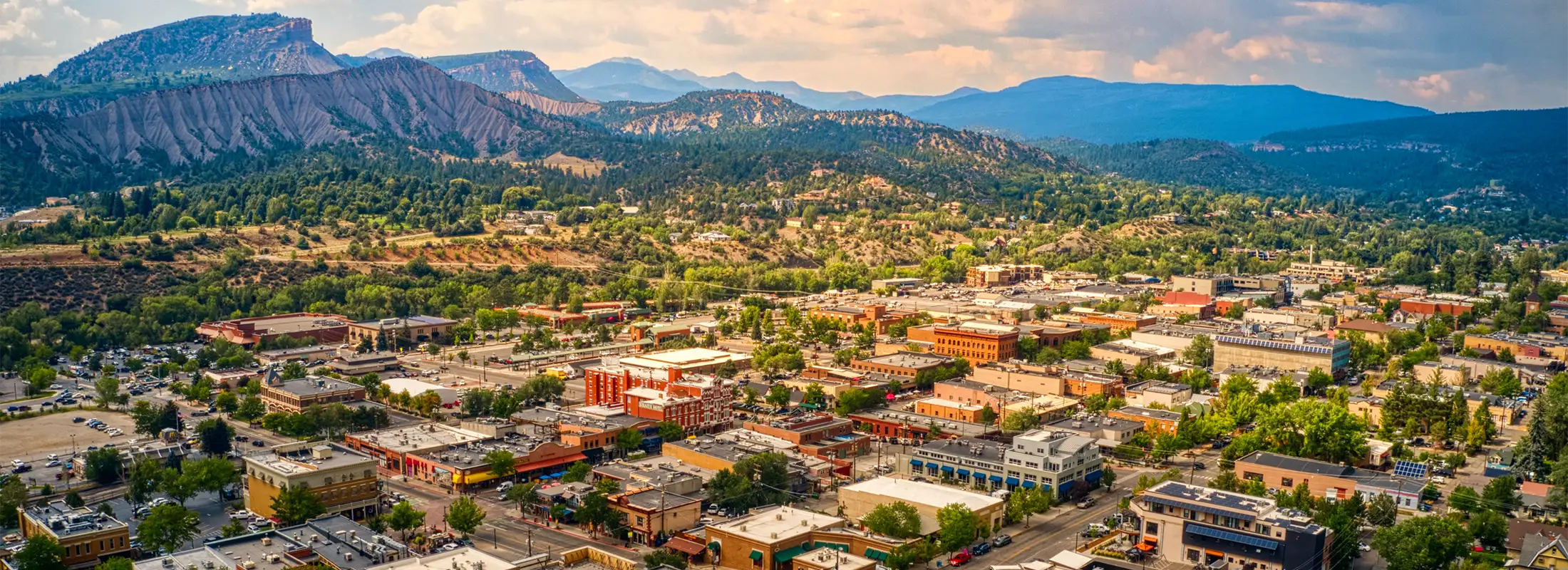
Durango, Colorado, is situated at an average elevation of approximately 6,512 feet (1,985 meters) above sea level. This places it firmly in the category of high-altitude cities, a characteristic shared with many renowned destinations in the American West. This elevation is not merely a number; it directly influences the climate, the environment, and the physiological responses of visitors.
Geographical Context
The San Juan Mountains provide a dramatic backdrop to Durango, and their imposing presence is a constant reminder of the region’s elevated landscape. The town is located in southwestern Colorado, in La Plata County, along the Animas River. The river valley itself contributes to the varied terrain, with lower elevations along its banks and higher plateaus surrounding the city. This geographical setting is responsible for the crisp mountain air and the generally cooler temperatures that characterize Durango, even during the summer months.
Comparison to Other High-Altitude Destinations
To put Durango’s elevation into perspective, consider other well-known high-altitude locations:
- Denver, Colorado: Known as the “Mile-High City,” Denver sits at 5,280 feet (1,609 meters). Durango is therefore over 1,200 feet higher.
- Aspen, Colorado: The popular ski resort town of Aspen has an elevation of 7,908 feet (2,410 meters), making it significantly higher than Durango.
- Santa Fe, New Mexico: Another high-altitude cultural hub, Santa Fe is located at 7,199 feet (2,194 meters).
While not as high as some of its mountain counterparts, Durango’s 6,512 feet is substantial enough to warrant attention, particularly for individuals unaccustomed to elevated living.
Implications of High Altitude on Visitors
The altitude of Durango, Colorado, while contributing to its unique charm and appeal, can present certain challenges for visitors, primarily related to their physical well-being.
Altitude Sickness
The most common concern for travelers arriving at high altitudes is altitude sickness, also known as Acute Mountain Sickness (AMS). This condition occurs when the body struggles to adjust to the lower oxygen levels present at higher elevations. Symptoms can range from mild to severe and may include:
- Headaches: Often the first and most common symptom.
- Nausea and Vomiting: The digestive system can be affected.
- Dizziness and Lightheadedness: A feeling of unsteadiness.
- Fatigue and Weakness: A general lack of energy.
- Shortness of Breath: Especially noticeable during physical exertion.
- Difficulty Sleeping: The body’s respiratory rate can change during sleep.
The severity of altitude sickness depends on individual susceptibility, the speed of ascent, and the level of physical activity undertaken. While many visitors experience mild or no symptoms, it is essential to be aware of the risks and take appropriate precautions.
Physiological Effects
Beyond the immediate symptoms of altitude sickness, the human body undergoes several physiological adaptations when exposed to high altitudes:
- Reduced Oxygen Saturation: The partial pressure of oxygen in the air is lower at higher elevations, meaning there are fewer oxygen molecules available for your lungs to absorb. This leads to a lower saturation of oxygen in your blood.
- Increased Respiration and Heart Rate: In response to lower oxygen levels, your body naturally increases its breathing rate and heart rate to try and compensate by circulating more oxygenated blood.
- Diuretic Effect: High altitudes can have a diuretic effect, meaning your body may lose fluids more quickly, leading to dehydration.
Understanding these effects underscores the importance of acclimatization and mindful preparation for a trip to Durango.
Preparing for Durango’s Altitude
Fortunately, with proper planning and awareness, most visitors can enjoy Durango without significant issues related to its elevation. The key is to allow your body time to adjust and to implement strategies that support this acclimatization process.
Acclimatization Strategies
The most effective way to combat altitude sickness is to ascend gradually. While this may not always be feasible for direct travel to Durango, employing the following strategies upon arrival can greatly assist:
- Take It Easy on Your First Day: Avoid strenuous activities, heavy meals, and excessive alcohol consumption. Opt for gentle walks and allow your body to rest and adapt.
- Stay Hydrated: Drink plenty of water. Dehydration can exacerbate altitude sickness symptoms. Avoid alcohol and caffeine, which can contribute to dehydration.
- Eat Light, High-Carbohydrate Meals: Carbohydrates are more easily metabolized at high altitudes, providing energy without overtaxing your system.
- Avoid Smoking: Smoking further reduces oxygen intake and can worsen altitude-related problems.
- Consider Medications: For individuals prone to altitude sickness or those with pre-existing respiratory or cardiovascular conditions, consulting a doctor about preventative medications like Acetazolamide (Diamox) is advisable.
Activities and Experiences at Altitude
Durango offers a plethora of activities that can be enjoyed at its elevated pace. By respecting your body’s needs and engaging in a gradual introduction to physical exertion, you can fully experience the magic of this mountain town.
Gentle Exploration
- Historic Downtown Durango: Stroll through the charming streets, browse local shops, and admire the historic architecture. This is an excellent way to get acquainted with the town without overexerting yourself.
- Durango & Silverton Narrow Gauge Railroad: A scenic journey through the San Juan Mountains on a historic steam train. This allows you to experience the breathtaking landscapes from the comfort of your seat, minimizing physical strain. The train itself ascends to significant altitudes during its route to Silverton, providing a gradual immersion into the mountainous terrain.
Moderate Activity
- Animas River Trail: This paved trail runs alongside the Animas River, offering a relatively flat path for walking, jogging, or cycling. As you become more acclimatized, you can gradually increase your distance and pace.
- Mild Hiking Trails: Several lower-elevation trails near town, such as those in the Horse Gulch area, offer opportunities for hiking without extreme elevation gains.
Advanced Adventures
For the more seasoned adventurers who are well-acclimatized, Durango provides access to a wealth of challenging outdoor pursuits:
- Hiking in the San Juan Mountains: Trails like those in the San Juan National Forest offer more demanding treks with significant elevation changes and rewarding panoramic views.
- Mountain Biking: Durango is a renowned destination for mountain biking, with trails catering to all skill levels, from scenic intermediate routes to expert downhill courses.
- Whitewater Rafting on the Animas River: A thrilling way to experience the power of the Animas River, often enjoyed during the warmer months.
It is imperative to listen to your body, hydrate diligently, and ascend to higher elevations or increase exertion levels gradually to ensure a safe and enjoyable experience.
The Benefits of Living at High Altitude
While visitors may focus on the challenges, there are distinct benefits associated with living and visiting a place like Durango, Colorado, at a high altitude.
Unique Climate and Environment
The elevation contributes to Durango’s crisp, clean air and its distinct four-season climate. Summers are generally mild and pleasant, offering a reprieve from the heat of lower elevations. Winters are snowy, providing excellent opportunities for winter sports, while spring and autumn boast spectacular displays of natural beauty. The clear skies at this altitude often result in incredible stargazing opportunities, with constellations vividly displayed against the dark mountain canvas.
Outdoor Recreation Opportunities
The high-altitude environment is the foundation for Durango’s unparalleled outdoor recreation scene. From the extensive network of hiking and biking trails in the surrounding national forests to world-class skiing and snowboarding at nearby resorts like Purgatory Resort, the opportunities for adventure are virtually limitless. The Animas River also provides fantastic settings for fishing, kayaking, and rafting.
Health and Well-being
Some studies suggest potential health benefits associated with living at high altitudes, including improved cardiovascular fitness and increased red blood cell production. While research is ongoing, the active lifestyle that high-altitude living often encourages contributes to overall well-being. The serene mountain environment itself can also have a profoundly positive impact on mental health, offering peace, tranquility, and a strong connection to nature.
Conclusion: Embracing Durango’s Elevation
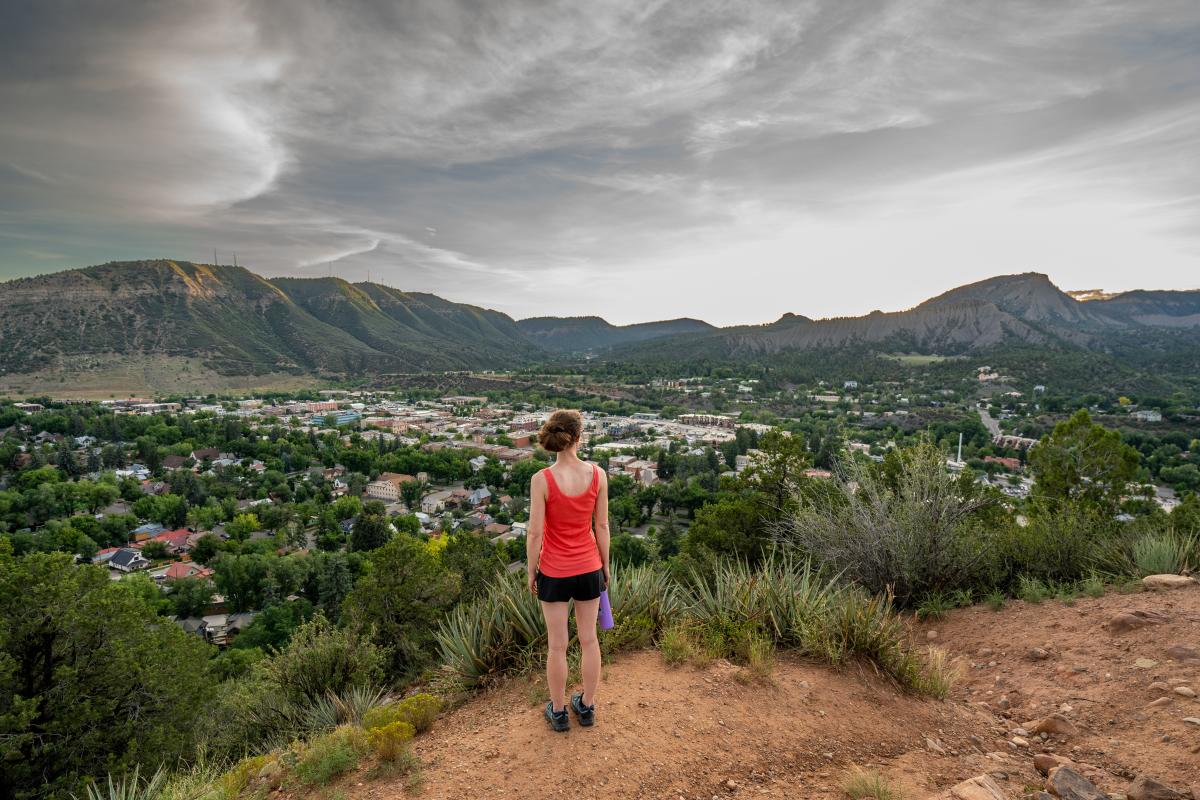
Durango, Colorado, at an elevation of 6,512 feet, offers a captivating blend of natural splendor and adventurous spirit. Understanding and respecting its altitude is key to unlocking the full potential of a visit to this extraordinary destination. By preparing for the physiological effects of high elevation, prioritizing acclimatization, and listening to your body, you can confidently explore the charming downtown, traverse scenic trails, and embark on thrilling adventures. The altitude is not just a statistic; it’s an integral part of the Durango experience, shaping its climate, its landscape, and the invigorating lifestyle it offers. Embrace the crisp mountain air, savor the panoramic views, and allow the elevated beauty of Durango, Colorado, to leave an indelible mark on your travels.
LifeOutOfTheBox is a participant in the Amazon Services LLC Associates Program, an affiliate advertising program designed to provide a means for sites to earn advertising fees by advertising and linking to Amazon.com. Amazon, the Amazon logo, AmazonSupply, and the AmazonSupply logo are trademarks of Amazon.com, Inc. or its affiliates. As an Amazon Associate we earn affiliate commissions from qualifying purchases.