
Understanding the Decision to Dissolve a Travel-Related LLC
The decision to dissolve an LLC, particularly one operating within the vibrant travel and hospitality sector of Alabama, marks a significant transition for any business owner. Whether your venture involved managing a charming bed and breakfast, operating a tour guide service, or overseeing a portfolio of vacation rentals, understanding the structured legal process is paramount. This isn’t merely closing the doors; it’s a formal legal act that severs the entity’s existence and protects its owners from future liabilities.
Common Scenarios for Hospitality Business Owners
Several situations might lead a hospitality entrepreneur to consider dissolving their LLC. Retirement often tops the list, perhaps after years of successfully running a boutique hotel in Huntsville or a beloved bed and breakfast in Fairhope. For others, it might be the culmination of a strategic sale, where the assets of a flourishing resort are sold, and the operating LLC needs to be formally closed. Shifting market dynamics can also play a role, compelling a tour company in Gulf Shores to transition to a different business model, or leading a vacation rental owner in Orange Beach to exit the market. Economic downturns or simply the pursuit of new ventures can also be catalysts for this important decision. Regardless of the motivation, the process requires careful attention to detail to ensure a smooth and compliant winding down.

Key Considerations Before Starting the Process
Before embarking on the dissolution journey, a thorough internal review is critical. Financial implications demand immediate attention: assessing all outstanding debts, valuing assets for liquidation, and understanding potential tax liabilities. For LLCs with employees, addressing severance packages, final payroll, and benefit closures is a priority. Contractual obligations, from vendor agreements for linens or catering to existing customer bookings for upcoming stays, must be carefully reviewed and resolved. Engaging legal counsel early in this phase is highly advisable, as their expertise can guide you through complex legal requirements and protect your interests during the process. This proactive approach helps to mitigate risks and ensures that all stakeholders are treated fairly and legally.
The Formal Steps for Voluntary Dissolution in Alabama
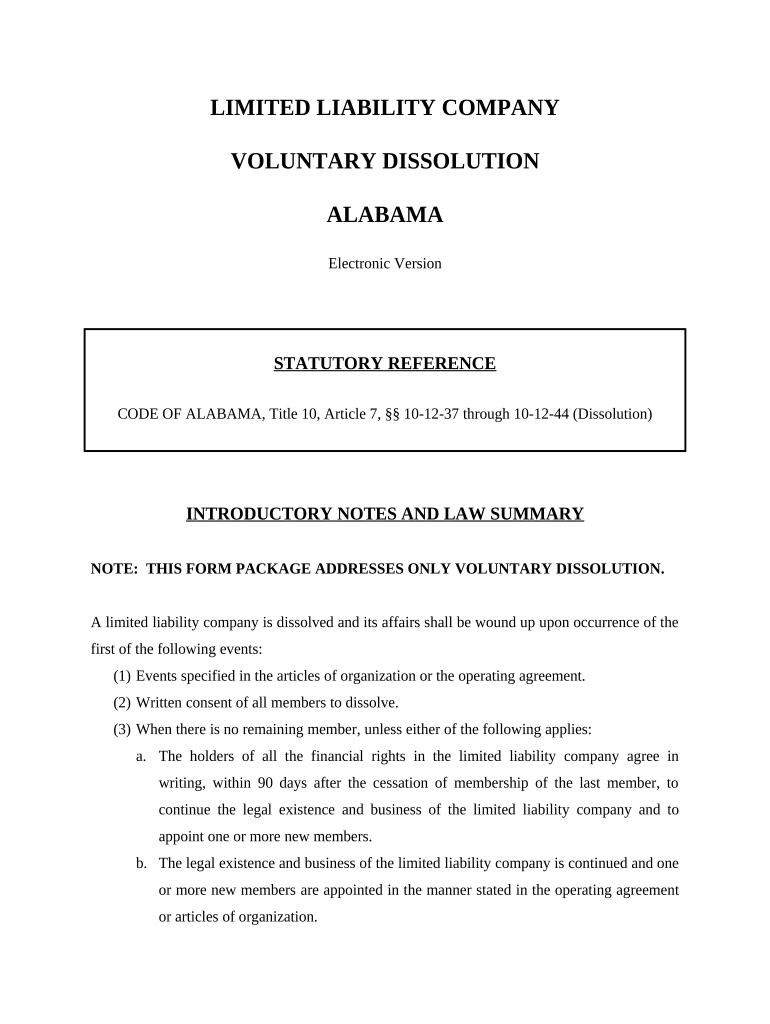
Voluntarily dissolving an LLC in Alabama is a multi-step process governed by state law. It requires careful adherence to statutory requirements to ensure the LLC is properly closed and its members are protected from future claims. The journey officially begins with an internal decision and then transitions into formal filings with state authorities.
Member Vote and Resolution
The first official step typically involves a formal decision by the LLC’s members to dissolve the entity. This decision is usually guided by the LLC’s operating agreement, which outlines the specific procedures for dissolution, including the percentage of member votes required. Some agreements might stipulate a simple majority, while others could require a supermajority vote. It is crucial to strictly follow these internal rules. Once the vote is passed, the decision should be formally documented in meeting minutes or a written consent resolution. This document serves as proof that the members have authorized the dissolution and is an essential internal record. This resolution should also empower a designated member or manager to execute the necessary filings and oversee the winding-up process.
Filing the Certificate of Dissolution with the Alabama Secretary of State
After the internal decision is made, the next critical step is to officially notify the state. This is accomplished by filing a Certificate of Dissolution (Form CD-1) with the Alabama Secretary of State. This form requires key information about your LLC, including its exact legal name, the date of its formation, and a statement confirming that the members have voted to dissolve the entity in accordance with the operating agreement and state law. There is an associated filing fee, and the form can typically be submitted online or via mail. The effective date of dissolution can be specified on the form; if not, it defaults to the filing date. Filing this certificate is essential because it formally notifies the state of your intent to cease operations and begins the legal process of terminating the LLC’s existence, which is crucial for limiting the ongoing liability of its members.
Winding Up Business Affairs
Once the Certificate of Dissolution is filed, the LLC enters the “winding up” phase, which involves systematically settling all business affairs. This is a comprehensive process that requires meticulous organization. A primary task is notifying all creditors of the LLC’s impending dissolution. While Alabama law may not mandate publication of dissolution notice in a newspaper, it is highly recommended to directly inform all known creditors to give them an opportunity to present their claims. This helps to prevent future disputes. All outstanding debts and liabilities must be paid, from vendor invoices to loan obligations. Simultaneously, efforts should be made to collect any outstanding receivables owed to the LLC.
Asset liquidation is another significant component of this phase. This could involve selling off property, such as a historic inn, specialized equipment from a tour operation, or business interests like a fishing charter in Dauphin Island. After all debts are satisfied, any remaining assets are distributed among the members according to the terms of the operating agreement, often proportional to their ownership interests. Proper documentation of all these transactions is vital.
Navigating Tax and Regulatory Obligations for Alabama Hospitality LLCs
Dissolving an LLC, especially one rooted in the hospitality industry, involves a complex web of tax and regulatory obligations. Failure to address these can lead to penalties or lingering liabilities for members. Both federal and state authorities must be notified, and all financial loose ends tied up.
Federal Tax Requirements
When dissolving your Alabama LLC, the Internal Revenue Service (IRS) requires specific actions. You must file a final federal tax return, the specific form depending on how your LLC was classified for tax purposes. This could be Form 1120-S for S corporations, Form 1065 for partnerships, or a Schedule C (Form 1040) for single-member LLCs taxed as sole proprietorships. This final return must indicate that it is the last one being filed. Additionally, if your LLC had an Employer Identification Number (EIN), you generally do not need to specifically close the EIN, but it will become inactive after your final returns are filed and all tax obligations met. It is crucial to consult the latest IRS guidelines or a tax professional to ensure full compliance and avoid future issues related to unpaid taxes or unfiled returns.
Alabama State Tax and Licensing Considerations
Beyond federal requirements, your hospitality LLC must also satisfy its obligations with the Alabama Department of Revenue. This typically involves filing final state income tax returns. More specifically for hospitality businesses, you must also address sales tax, lodging tax (if you operated a hotel, motel, or bed and breakfast), and any other industry-specific taxes or fees that applied to your operations. All applicable business licenses and permits, whether state-issued or from local municipalities (e.g., a specific permit for a resort in Montgomery or a restaurant license in Birmingham), should be formally closed or allowed to expire. It is advisable to directly contact the relevant state and local agencies to confirm all necessary closures and ensure there are no outstanding liabilities or reporting requirements that could delay your dissolution.
Handling Employees and Contracts
For LLCs with employees, the dissolution process includes several crucial steps related to personnel. This involves issuing final payroll checks, including any accrued vacation or unused benefits, and preparing final W-2s. Information regarding COBRA (for health insurance continuation, if applicable) and unemployment insurance eligibility must also be provided to former employees. Beyond personnel, all existing contracts with vendors, suppliers, and lessors (e.g., for office space or a restaurant lease) must be terminated in accordance with their terms. This may involve formal written notices, settlement of outstanding balances, or negotiating early termination fees. All business insurance policies—liability, property, workers’ compensation—should also be cancelled, ensuring that coverage is maintained until all operations have ceased and assets liquidated, but not unnecessarily prolonged.
Post-Dissolution and Record Keeping
Even after the formal dissolution documents have been filed and the winding-up process completed, certain responsibilities remain. Proper record keeping and an understanding of ongoing liabilities are vital for protecting the former members of the LLC.
Record Retention
Alabama law, like most state statutes, mandates that certain business records be retained for a specified period, even after an LLC has been formally dissolved. This typically includes financial records, tax filings for both federal and state purposes, legal documents related to the formation and dissolution of the LLC, member agreements, and any records concerning asset sales or distributions. These records are critical for several reasons: they can be required for future audits by tax authorities, may be necessary in the event of unforeseen legal inquiries or lawsuits, and provide a clear historical account of the LLC’s operations and closure. It is highly recommended to store these documents in an organized and secure manner, whether physically or digitally, ensuring accessibility for the statutory retention period.
Ongoing Liability
While dissolution aims to protect members from future liabilities related to the LLC’s past operations, it does not always provide an absolute shield. Certain liabilities can persist even after the formal dissolution. For instance, if the LLC failed to properly notify creditors during the winding-up phase, those creditors might still be able to pursue claims against the dissolved entity or, in some cases, its former members or managers if statutory procedures were not strictly followed. Similarly, if there were unaddressed tax liabilities or fraudulent activities, former members might still be held accountable. The effectiveness of the dissolution process in limiting ongoing liability largely hinges on the diligence with which all debts were settled, assets liquidated, and statutory procedures adhered to during the winding-up phase.
Seeking Professional Guidance
Given the complexities involved in dissolving an LLC, particularly one with specific operational characteristics typical of the hospitality industry, seeking professional guidance is not just advisable but often indispensable. Legal counsel specializing in Alabama business law can provide invaluable assistance, ensuring that all state statutes are meticulously followed, from proper member resolutions to the accurate filing of dissolution documents. They can also advise on potential liabilities and strategies for mitigation. Similarly, engaging a certified public accountant (CPA) is crucial for navigating federal and state tax requirements, ensuring all final returns are filed correctly, and addressing any lingering tax obligations. For hospitality businesses specifically, industry-specific advisors can offer insights into unwinding specialized contracts, managing booking cancellations, or liquidating unique assets, ensuring a compliant and orderly exit from the market. This team of experts ensures that the dissolution is managed efficiently, legally, and with minimal future risk.
LifeOutOfTheBox is a participant in the Amazon Services LLC Associates Program, an affiliate advertising program designed to provide a means for sites to earn advertising fees by advertising and linking to Amazon.com. Amazon, the Amazon logo, AmazonSupply, and the AmazonSupply logo are trademarks of Amazon.com, Inc. or its affiliates. As an Amazon Associate we earn affiliate commissions from qualifying purchases.