
Navigating the process of obtaining official identification in California is a crucial step for many, whether you’re a new resident, a tourist planning extended stays, or simply need to update your credentials. This guide focuses on the primary forms of identification issued by the state, particularly the California Driver’s License and the California Identification Card, as these are the most common and widely accepted forms of photo identification. Understanding the requirements will streamline your visit to a California Department of Motor Vehicles (DMV) office and ensure you have everything necessary to complete your application successfully.
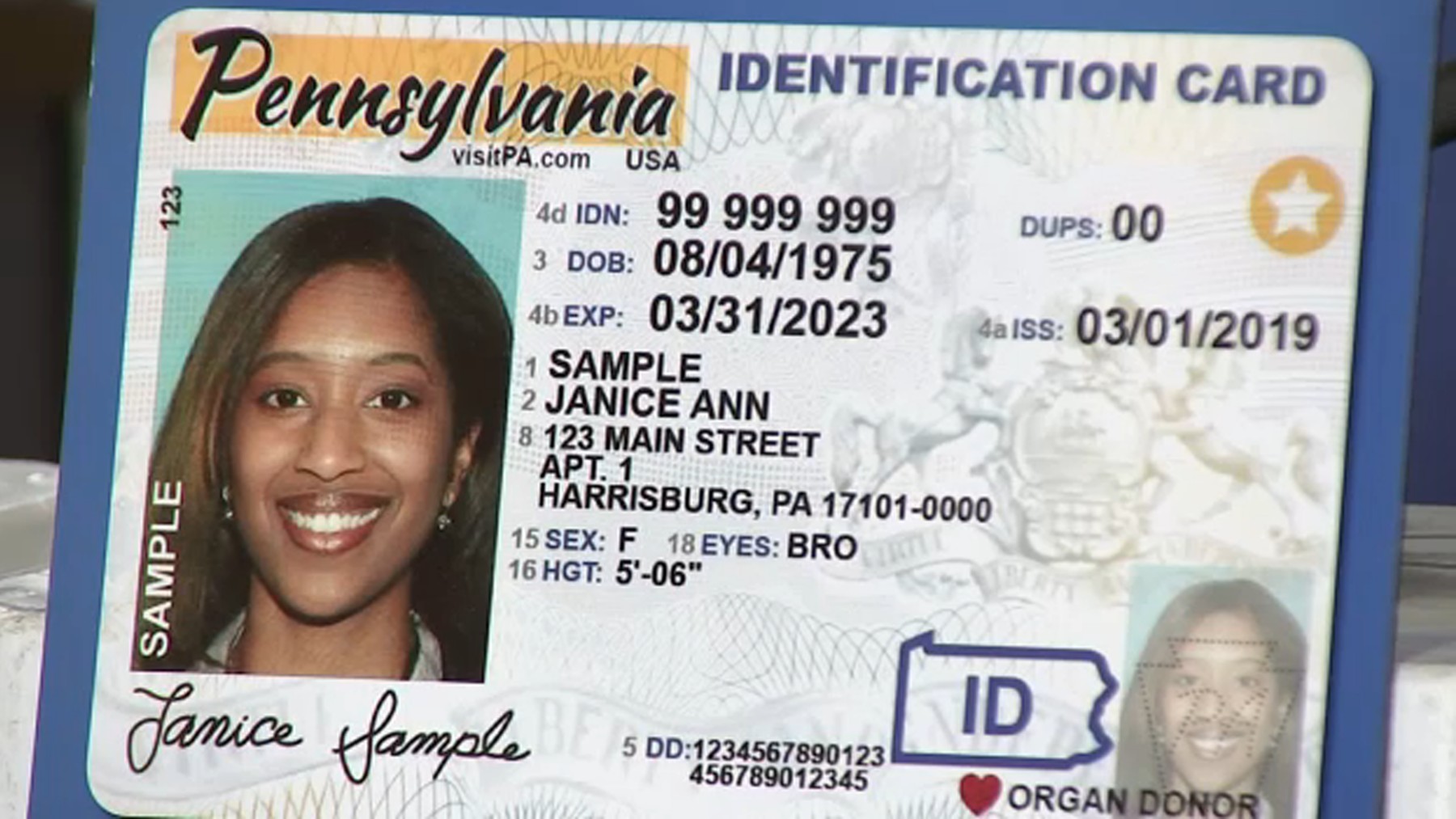
Understanding California Identification Options
The state of California offers several identification documents, with the driver’s license and ID card being the most prevalent. While a driver’s license permits you to operate a motor vehicle, an ID card serves purely as proof of identity and age. Both are issued by the DMV and are vital for various activities, from boarding a plane to opening a bank account.
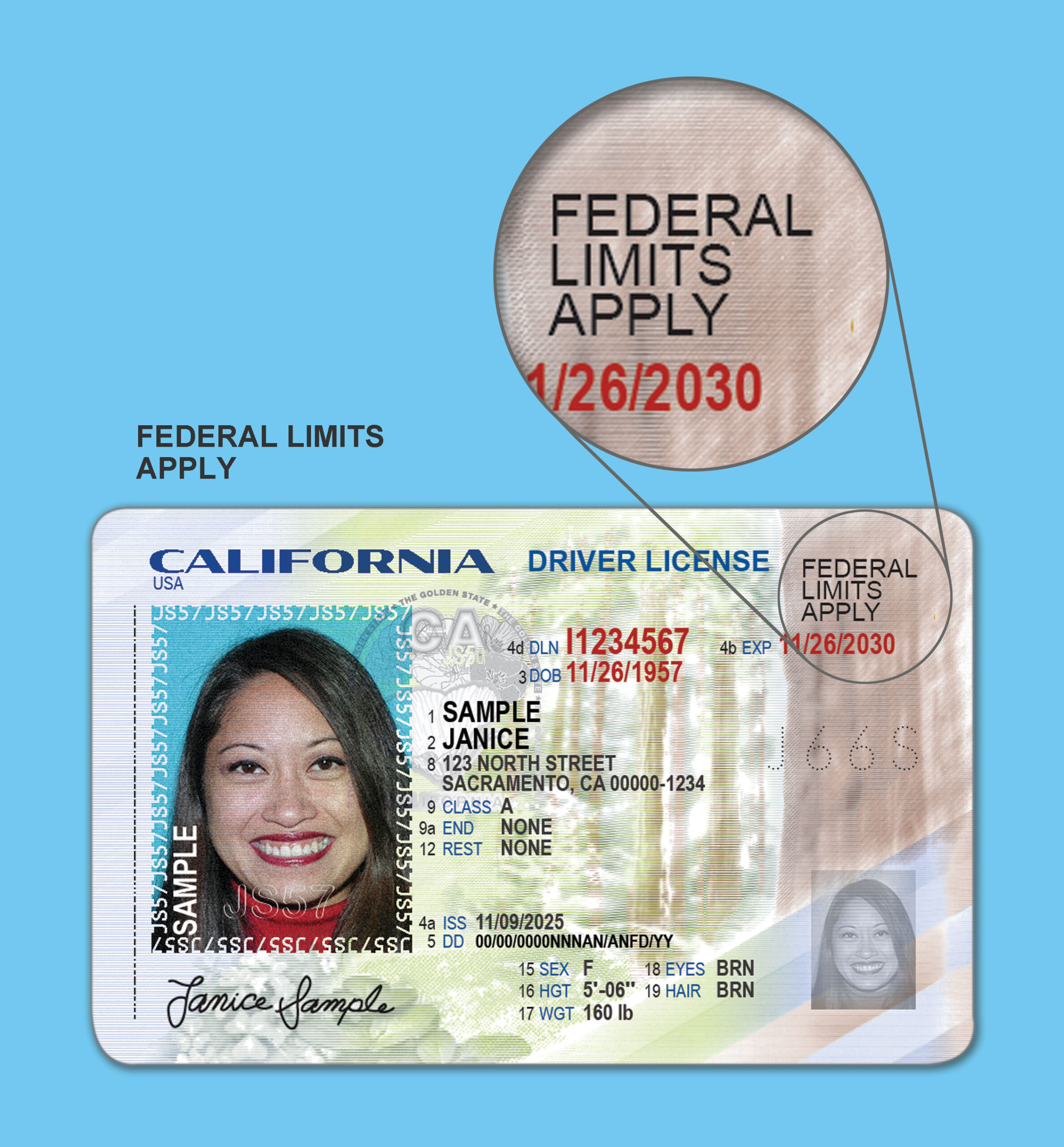
The California Driver’s License
A California Driver’s License is not only a permit to drive but also a primary form of identification recognized nationwide. It is essential for anyone intending to drive legally in the state. The application process involves demonstrating your identity, residency, and driving competence.
The California Identification Card
For individuals who do not drive or choose not to obtain a driver’s license, the California Identification Card is an excellent alternative. It functions identically to a driver’s license as a form of identification, featuring your photograph, physical description, and other personal details. This card is particularly useful for those who rely on public transportation or have a driving license from another state or country.
REAL ID Compliance
A significant development in identification is the REAL ID Act. California began issuing REAL ID-compliant driver’s licenses and ID cards on January 7, 2019. These cards meet federal security standards and will be required for boarding domestic flights and accessing certain federal facilities starting May 7, 2025. If your travel plans include flying within the U.S. after this date, obtaining a REAL ID is highly recommended. Non-compliant cards will still be valid for driving and other identification purposes within California.
Essential Documents for Your Application
The cornerstone of any successful DMV visit for identification is presenting the correct documentation. The DMV requires proof of identity, residency, and your social security number. It’s crucial to bring original documents or certified copies; photocopies are generally not accepted.
Proof of Identity
To establish your identity, you will need one document from the list of approved primary or secondary identification options. These documents must contain your legal name and date of birth.
Primary Identification Documents:
- U.S. Birth Certificate: Issued by a U.S. state or territory.
- Consular Report of Birth Abroad (CRBA): For U.S. citizens born abroad.
- Valid U.S. Passport: Unexpired and issued by the U.S. Department of State.
- Foreign Passport with Valid I-94 Form: This is for non-U.S. citizens.
- U.S. Certificate of Citizenship: Form N-560 or N-561.
- U.S. Certificate of Naturalization: Form N-550 or N-570.
- Permanent Resident Card: Form I-551.
- Employment Authorization Document (EAD): Form I-766.
- Valid Foreign Identification Card: This is often an option for non-immigrants.
Secondary Identification Documents:
If you cannot provide one of the primary documents, you may be able to use a combination of secondary documents.
- Social Security Card: Must have your full legal name.
- Certified copy of a marriage certificate or divorce decree: Issued by a U.S. state or territory.
- Court order for a name change: Must include your full legal name.
- Adoption decree: Must include your full legal name.
- Deeds or titles to real property: Must be in your name.
- School identification card: Usually from a U.S. high school or college.
- U.S. military identification card: Unexpired.
- Medical records: Typically from a U.S. hospital or doctor.
- Dental records: Typically from a U.S. dentist.
Proof of Social Security Number (SSN)
You must present proof of your Social Security number. Acceptable documents include:
- Social Security card: Your original card is preferred.
- W-2 form: Issued by an employer.
- Pay stub: With your full name and SSN.
- SSA-1099 form: Issued by the Social Security Administration.
- Letter from the Social Security Administration: Verifying your SSN.
If you do not have an SSN, you may need to provide proof of ineligibility. This typically involves obtaining a letter from the Social Security Administration stating that you are not eligible for an SSN.
Proof of California Residency
You will need to provide at least two documents that prove you reside in California. These documents must clearly display your name and California address.
Acceptable Residency Documents:
- Utility bills: Including electricity, gas, water, or landline telephone bills. Mobile phone bills are generally not accepted.
- Rental or lease agreements: Signed by the landlord and tenant.
- Mortgage statements: From a financial institution.
- Deeds or titles to residential property: In your name.
- Homeowner’s insurance policy or bill: For your residence.
- Property tax bills: For your residence.
- Bank statements: From a U.S. bank.
- Medical documents: Such as a hospital bill or statement.
- School documents: Like report cards or transcripts from a California school.
- Court documents: Such as a judgment or order.
- Valid U.S. military orders: If stationed in California.
- Letters from correctional facilities: If incarcerated.
- IRS tax filings: Such as Form 1040.
- Vehicle registration or title: For a vehicle registered in California.
Important Note: Documents should be recent, typically within the last 90 days, and clearly legible. Ensure the address on these documents matches the address you will provide on your application.
The Application Process at the DMV
Once you have gathered all the necessary documents, the next step is to visit a California DMV office. It is highly recommended to schedule an appointment online to minimize wait times.
Step 1: Complete the Application Form
You can typically start the application online through the DMV website. This pre-application process can save you time at the office. You will need to provide your personal information, including your name, date of birth, address, and SSN.
Step 2: Visit the DMV Office
Bring all your original documents with you to your appointment. A DMV representative will review your paperwork to ensure it meets all requirements.
Step 3: Pass Vision and Knowledge Tests (for Driver’s License)
If you are applying for a driver’s license, you will need to pass a vision screening and a written knowledge test on traffic laws and signs. The knowledge test is available in multiple languages.
Step 4: Take a Driving Test (for Driver’s License)
After passing the knowledge test, you will need to schedule and pass a behind-the-wheel driving test. You will need to provide a vehicle that is safe to drive, insured, and registered.
Step 5: Provide Thumbprints and Photograph
At the DMV, your thumbprint will be taken, and your photograph will be captured for your identification card or driver’s license.
Step 6: Pay the Required Fees
There are fees associated with obtaining a driver’s license or identification card. The amount can vary depending on the type of license or card and whether it is a renewal or a new application. You can check the DMV website for the most current fee schedule.
Special Considerations for Non-Citizens
For non-U.S. citizens, the documentation requirements may differ slightly. You will need to provide proof of lawful presence in the United States in addition to proof of identity and California residency.
Proof of Lawful Presence
This typically includes documents such as:
- Valid U.S. Passport
- Permanent Resident Card (Form I-551)
- Employment Authorization Document (EAD) (Form I-766)
- Foreign passport with a valid I-94 form and U.S. visa
The specific documents required will depend on your immigration status. It is advisable to consult the DMV website or contact them directly if you have any questions regarding your specific situation.

Renewing Your Identification
Renewing your driver’s license or ID card is also a process that can often be completed online, by mail, or in person at a DMV office. The renewal notice you receive from the DMV will provide instructions on how to proceed. For REAL ID renewals, in-person visits are often required to re-verify your documents.
By understanding these requirements and preparing thoroughly, you can ensure a smooth and efficient experience when obtaining your identification in California.
LifeOutOfTheBox is a participant in the Amazon Services LLC Associates Program, an affiliate advertising program designed to provide a means for sites to earn advertising fees by advertising and linking to Amazon.com. Amazon, the Amazon logo, AmazonSupply, and the AmazonSupply logo are trademarks of Amazon.com, Inc. or its affiliates. As an Amazon Associate we earn affiliate commissions from qualifying purchases.