
For professionals considering a move, an extended business stay, or a lifestyle change involving employment in the Heart of Dixie, understanding the nuances of local employment law is crucial. Alabama, like many states across the United States, operates under the principle of “at-will employment.” This fundamental legal doctrine significantly shapes the dynamics between employers and employees, impacting career trajectories, relocation decisions, and overall professional lifestyle in the state. Delving into what at-will employment truly means, its implications, and the protections that still exist provides an insightful perspective for anyone looking to build a career or embark on a new professional chapter in Alabama.
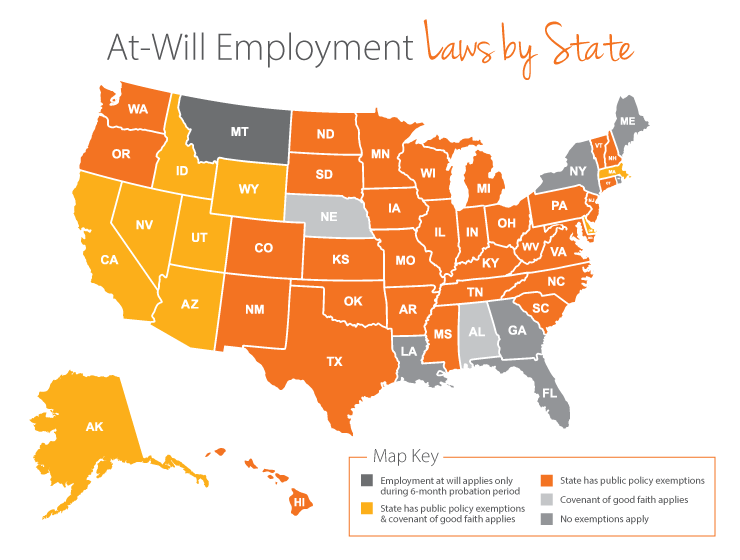
Understanding At-Will Employment in the Context of a Alabama Lifestyle
The concept of at-will employment is a cornerstone of labor law in most U.S. states, including Alabama. For individuals and families planning a relocation or an extended professional engagement, grasping this principle is as important as researching housing markets or school districts. It directly influences job security expectations and the framework within which one operates professionally.
Defining At-Will Employment
At its core, at-will employment means that either an employer can terminate an employee for any reason, or no reason at all, and an employee can leave a job for any reason, or no reason at all, without incurring legal liability. This applies as long as the reason for termination is not illegal. This broad discretion gives both parties significant flexibility, but it also places a distinct responsibility on individuals to understand their rights and potential vulnerabilities. For someone building a professional life or on an extended business stay in a new city like Birmingham or Huntsville, this legal framework underpins their entire employment experience.
The Legal Framework in Alabama
Alabama unequivocally adheres to the at-will employment doctrine. The state’s courts have consistently upheld this principle, emphasizing that absent a specific contract, a collective bargaining agreement, or a statutory exception, an employment relationship can be severed by either party at any time. This legal stance means that for the vast majority of employees in the state, there isn’t an inherent expectation of “just cause” for termination. This framework contrasts sharply with employment laws in some other countries or even unionized workplaces within the U.S., where specific grounds for dismissal are often required. Understanding this forms a critical part of a professional’s due diligence when considering Alabama as a destination for career growth or a long-term lifestyle change.
Implications for Professionals and Relocating Families
The at-will doctrine carries significant implications that extend beyond just job termination. It influences how professionals approach career planning, negotiate employment terms, and manage their overall work-life balance within the state. For families relocating, understanding this impacts financial planning, educational choices, and integration into the community.
Job Security and Career Planning
In an at-will state like Alabama, the traditional notion of job security is different. While performance and company needs remain primary drivers, employers have broader discretion. This can influence an individual’s career strategy, perhaps encouraging a greater focus on continuous skill development, networking, and maintaining a strong professional reputation. Professionals may also prioritize securing roles with clear growth paths or within companies known for stable employment practices. For those on a business stay, it means understanding the duration and conditions of their temporary assignments even more closely. This environment fosters a dynamic job market where both employers and employees have the freedom to adapt, yet it also necessitates a proactive approach to career management.
Navigating Employment Contracts and Offers
While at-will is the default, it’s not an absolute. Employment contracts can modify or supersede the at-will doctrine. Professionals negotiating offers in Alabama should carefully review any proposed agreements for terms related to duration of employment, “for cause” termination clauses, severance provisions, or non-compete agreements. These contractual elements can provide a degree of job security or define specific conditions under which employment can be terminated, moving a position out of the pure at-will realm. For executives or highly specialized roles, negotiating a robust employment contract is often a key strategy for safeguarding professional interests and providing greater stability for a family’s relocation to cities like Montgomery or Mobile.
Employer and Employee Rights and Responsibilities
The at-will doctrine, while granting flexibility, doesn’t negate all rights and responsibilities. Employers still have an obligation to provide a safe working environment and adhere to all federal and state labor laws. Similarly, employees have responsibilities regarding their performance, conduct, and adherence to company policies. Understanding these reciprocal obligations is vital for a healthy professional lifestyle. Employees in Alabama retain rights related to fair wages, workplace safety, and protection against unlawful discrimination, which are guaranteed by law regardless of at-will status. This balance ensures that while the employment relationship is flexible, it remains governed by ethical standards and legal mandates.
Beyond At-Will: Exceptions and Protections in Alabama

Despite Alabama’s adherence to at-will employment, there are several significant exceptions and statutory protections that limit an employer’s ability to terminate an employee. These exceptions are crucial for safeguarding employees’ rights and ensuring a fair working environment, especially for those who have made Alabama their professional and personal home.
Contractual Agreements and Collective Bargaining
The most common exception to at-will employment is the existence of an express or implied contract. An express contract, often in writing, can specify a term of employment, outline conditions for termination (e.g., “for cause” only), or guarantee certain benefits upon dismissal. Implied contracts can arise from employee handbooks, oral assurances, or consistent employer practices that create a reasonable expectation of job security or specific termination procedures. Additionally, employees covered by a collective bargaining agreement through a union are generally not at-will. These agreements typically establish grievance procedures and require “just cause” for dismissal, offering a much higher degree of job security. Professionals considering jobs in unionized industries or those with clear contractual agreements will find their employment relationship is governed by these specific terms, providing a different lifestyle of security and stability.
Public Policy Exceptions
Even in at-will states, there are public policy exceptions that prevent employers from terminating an employee for reasons that violate fundamental public interests. While Alabama recognizes these exceptions more narrowly than some other states, common examples include terminating an employee for:
- Refusing to commit an illegal act.
- Reporting illegal activity (whistleblower protection).
- Exercising a legal right (e.g., filing a workers’ compensation claim or engaging in protected concerted activity under the National Labor Relations Act).
- Serving on a jury.
These protections ensure that employees are not forced to choose between their job and upholding the law or exercising fundamental civic duties. Understanding these specific public policy protections is vital for any professional navigating the employment landscape in Alabama.
Anti-Discrimination Laws and Protected Classes
Perhaps the most significant limitations on at-will employment come from federal and state anti-discrimination laws. Employers in Alabama cannot terminate an employee based on their membership in a protected class. These protected characteristics include race, color, religion, sex (including pregnancy, sexual orientation, and gender identity), national origin, age (40 or older), disability, and genetic information. Termination based on any of these factors is illegal and constitutes wrongful termination, regardless of the at-will doctrine. These laws are critical for ensuring a fair and equitable professional lifestyle for all individuals, promoting diversity, and preventing prejudice in the workplace across all sectors from Birmingham’s growing tech industry to Dothan‘s agricultural hub.
Making Informed Lifestyle and Career Decisions in the Heart of the South
For those seeking to establish a professional life, undergo an extended business stay, or integrate into the vibrant communities of Alabama, understanding the nuances of at-will employment is key to making informed lifestyle and career decisions. It’s about preparedness and strategic planning.
Due Diligence for Prospective Employees
Before accepting a position or relocating to Alabama, prospective employees should conduct thorough due diligence. This includes:
- Reviewing Company Policies: Request and review employee handbooks or policy manuals for any clauses that might create an implied contract or detail specific termination procedures.
- Clarifying Employment Terms: During interviews or offer negotiations, seek clarity on job expectations, performance metrics, and any stated probationary periods.
- Understanding Industry Norms: Research typical employment practices within your specific industry in Alabama. Some sectors may have more formal contractual arrangements than others.
- Networking: Engage with professionals already working in Alabama to gain firsthand insights into local workplace cultures and expectations.
This proactive approach contributes to a smoother transition and a more confident professional lifestyle in the state.
Resources and Legal Counsel
If questions or concerns arise regarding employment terms or a potential termination, individuals should not hesitate to seek professional advice. Resources include:
- State Labor Departments: The Alabama Department of Labor provides information on workers’ rights and state employment laws.
- Equal Employment Opportunity Commission (EEOC): For issues related to discrimination, the EEOC is the federal agency responsible for enforcing anti-discrimination laws.
- Legal Counsel: Consulting with an employment law attorney in Alabama can provide personalized advice on specific situations, contract reviews, and understanding one’s rights.
Accessing these resources empowers individuals to navigate complex employment situations effectively and protect their professional interests.

Balancing Career Aspirations with Lifestyle Choices
Ultimately, the at-will employment doctrine in Alabama is one factor among many that contributes to the overall lifestyle equation. For many, the opportunities, the cost of living, the rich culture, and the natural beauty of Alabama far outweigh any perceived challenges associated with its employment laws. By understanding the legal landscape, leveraging contractual protections where possible, and knowing their rights, professionals can confidently pursue their career aspirations while building a fulfilling lifestyle in the Heart of Dixie. It’s about being informed, prepared, and ready to thrive in a dynamic employment environment that values both employer flexibility and essential employee protections.
LifeOutOfTheBox is a participant in the Amazon Services LLC Associates Program, an affiliate advertising program designed to provide a means for sites to earn advertising fees by advertising and linking to Amazon.com. Amazon, the Amazon logo, AmazonSupply, and the AmazonSupply logo are trademarks of Amazon.com, Inc. or its affiliates. As an Amazon Associate we earn affiliate commissions from qualifying purchases.