
Florida, often dubbed the “Sunshine State,” beckons travelers with its pristine beaches, vibrant theme parks, and lush natural landscapes. Beyond the iconic attractions, a rich tapestry of wildlife calls this peninsula home. From the smallest insects to the largest marine mammals, understanding the diverse animal inhabitants enhances any visit, transforming a simple vacation into an immersive journey into the natural world. This guide delves into the fascinating fauna you might encounter, offering insights for wildlife enthusiasts and curious explorers alike.
Coastal and Marine Marvels
Florida’s extensive coastline, bordering both the Atlantic Ocean and the Gulf of Mexico, supports an astonishing array of marine and coastal life. These ecosystems are vital for countless species, many of which are unique to the region or play crucial roles in the health of the environment.
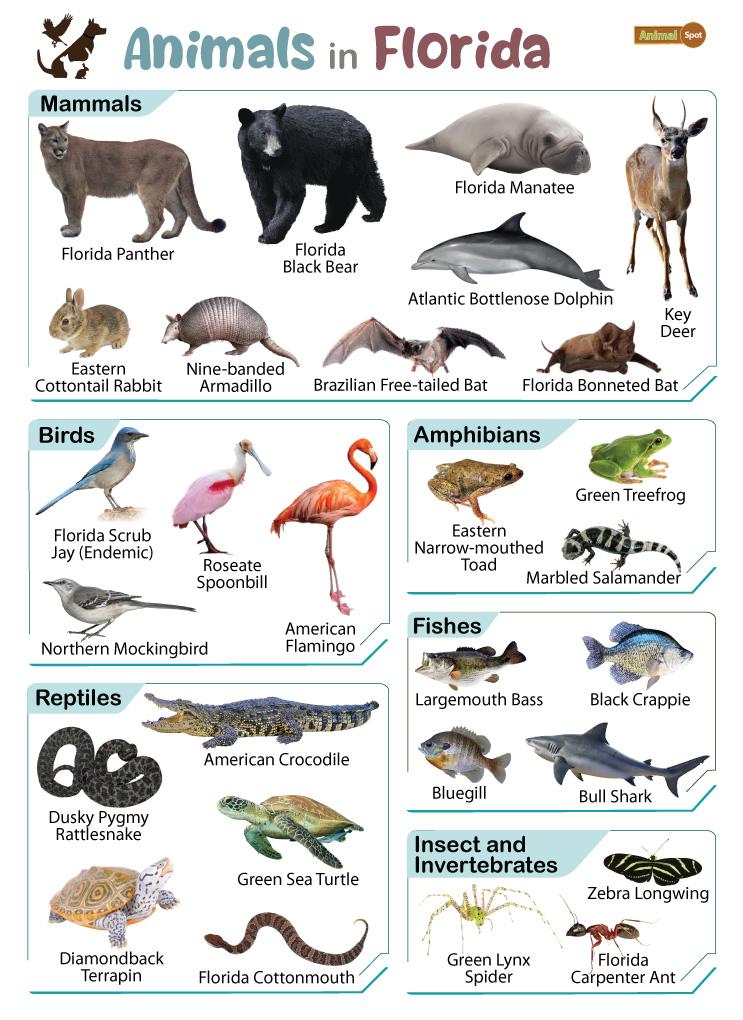
Marine Mammals
The warm, shallow waters of Florida are a haven for several species of marine mammals. The most iconic is perhaps the bottlenose dolphin (Tursiops truncatus). These intelligent and social creatures are frequently spotted leaping through the waves or playing near shorelines. Boat tours, particularly in areas like Clearwater and Sarasota Bay, offer excellent opportunities for dolphin watching.
More elusive, yet equally captivating, is the West Indian manatee (Trichechus manatus latirostris). These gentle giants, often called “sea cows,” are a symbol of Florida’s aquatic heritage. They can be found in rivers, bays, and along the coast, often congregating in warm waters during cooler months. Key viewing locations include the Crystal River National Wildlife Refuge and the outflow canal of the Tampa Electric Company’s Big Bend Power Station in Apollo Beach. It’s crucial to observe manatees from a respectful distance and never to feed or disturb them.
Sea Turtles
Florida’s beaches are critical nesting grounds for several species of sea turtles, including the loggerhead, green, and leatherback turtles. During nesting season, typically from May to October, female turtles emerge from the ocean at night to lay their eggs in the sand. Hatchlings emerge a few weeks later and make a perilous journey to the sea. While direct encounters are rare and regulated to protect these endangered species, observing nesting sites from a distance or visiting educational centers like the Loggerhead Marinelife Center in Juno Beach can provide a deeper appreciation for these ancient mariners.
Shorebirds and Wading Birds
The shallow waters and estuarine environments are teeming with birdlife. Wading birds like the Great Egret, Snowy Egret, and Roseate Spoonbill are common sights, their stark white or vibrant pink plumage creating a striking contrast against the blue waters and green mangroves. Further out on the shores, various species of plovers, sandpipers, and gulls can be observed foraging for food. National Seashores like the Canaveral National Seashore and coastal parks are prime locations for birdwatching.
Freshwater Ecosystems and Their Inhabitants
Florida’s interior is characterized by a vast network of freshwater lakes, rivers, springs, and wetlands, each supporting a unique set of animal residents. These habitats are essential for the state’s biodiversity, providing food, shelter, and breeding grounds for numerous species.
Reptiles and Amphibians
Florida is synonymous with American alligators (Alligator mississippiensis). These formidable predators are found in virtually every freshwater habitat across the state, from swamps and marshes to rivers and lakes. Parks like the Everglades National Park and the Ocala National Forest are renowned for their alligator populations, offering opportunities for guided tours or observation from designated boardwalks. While alligators are a significant part of the ecosystem, it’s paramount to maintain a safe distance and follow park regulations.
The American crocodile (Crocodylus acutus) also inhabits parts of South Florida, particularly in brackish and saltwater environments of the Everglades and the Florida Keys. Though less common than alligators, their presence signifies a healthy and diverse wetland ecosystem.
Florida is a hotspot for turtles. Beyond the sea turtles, freshwater species like the common snapping turtle (Chelydra serpentina) and various sliders and cooters are frequently encountered in ponds and waterways. The Gopher Tortoise (Gopherus polyphemus), a land-dwelling reptile, is also a keystone species, digging extensive burrows that provide shelter for many other animals.

Amphibians are also abundant, with numerous species of frogs and toads filling the night air with their calls. The Green Tree Frog (Hyla cinerea) and the Southern Toad (Anaxyrus terrestris) are common, while the more unique Florida Chorus Frog (Pseudacris ocularis) also inhabits the state.
Freshwater Fish
Florida’s waters are rich with diverse fish species, catering to both anglers and nature observers. Popular game fish include largemouth bass (Micropterus salmoides), sunfish, and various catfish species, making destinations like Lake Okeechobee popular for fishing. In the springs and clear rivers, you can find native fish like the Key Thriller (Atherinops affinis) and the Mosquitofish (Gambusia affinis).
Terrestrial Wildlife and Forest Dwellers
The interior forests, pine flatwoods, and scrublands of Florida support a variety of terrestrial animals. While some are more visible than others, their presence shapes the unique habitats found across the state.
Mammals
The most charismatic terrestrial mammal in Florida is the Florida panther (Puma concolor coryi), a critically endangered subspecies of cougar. These elusive big cats roam the wilder areas of South Florida, primarily in the Everglades and the Big Cypress National Preserve. Sightings are exceptionally rare, but their presence is a vital indicator of ecosystem health.
Other notable mammals include the white-tailed deer (Odocoileus virginianus), commonly seen in wooded areas and even suburban environments. Raccoons (Procyon lotor), opossums (Didelphis virginiana), and various squirrel species are ubiquitous and often encountered.
In the more rural and forested regions, you might spot bobcats (Lynx rufus), elusive predators that are more active during dawn and dusk. The Nine-banded Armadillo (Dasypus novemcinctus), an introduced species, is now widespread and often seen foraging for insects in yards and open fields.
Birds of Prey and Forest Birds
The skies and forests are home to a variety of avian predators and inhabitants. Ospreys (Pandion haliaetus) are frequently seen near water bodies, expertly fishing. Bald eagles (Haliaeetus leucocephalus) are also a common sight, often nesting in tall trees near lakes and rivers.
In the wooded areas, look for Northern Cardinals (Cardinalis cardinalis) with their vibrant red plumage, Blue Jays (Cyanocitta cristata) with their distinctive calls, and various woodpecker species that inhabit the diverse tree canopy. The iconic Great Horned Owl (Bubo virginianus) is also a resident, its haunting calls echoing through the night.
Visiting and Observing Florida’s Wildlife Responsibly
Experiencing Florida’s incredible animal diversity can be a highlight of any trip. However, it’s crucial to do so with respect for the wildlife and their habitats.

Key Principles for Wildlife Observation:
- Maintain Distance: Always observe animals from a safe and respectful distance. Never approach, feed, or attempt to touch wildlife. This is crucial for your safety and the animals’ well-being.
- Stay on Trails: When exploring natural areas, stick to designated trails to minimize disturbance to habitats and nesting sites.
- Respect Regulations: Be aware of and adhere to all park rules and regulations regarding wildlife viewing and interaction.
- Choose Eco-Tours: Opt for guided tours with reputable operators who prioritize ethical wildlife viewing practices. Many tours in areas like the Florida Keys and the 10,000 Islands focus on responsible observation.
- Leave No Trace: Pack out everything you pack in, and avoid leaving any impact on the natural environment.
By understanding and appreciating the rich array of animals that inhabit Florida, from its sun-drenched coasts to its verdant interiors, visitors can gain a deeper connection to the state’s natural heritage. Whether you are exploring the beaches of South Beach, paddling through the mangroves of the Ten Thousand Islands, or hiking through the Ocala National Forest, the opportunities to witness Florida’s wildlife are abundant, promising unforgettable encounters for those who seek them out with curiosity and care.
LifeOutOfTheBox is a participant in the Amazon Services LLC Associates Program, an affiliate advertising program designed to provide a means for sites to earn advertising fees by advertising and linking to Amazon.com. Amazon, the Amazon logo, AmazonSupply, and the AmazonSupply logo are trademarks of Amazon.com, Inc. or its affiliates. As an Amazon Associate we earn affiliate commissions from qualifying purchases.