
Understanding Alabama’s Economic Landscape: A Lifestyle Perspective
Understanding the economic fabric of a state provides crucial insights into the diverse lifestyles one can experience within its borders. For Alabama, a state rich in history, culture, and natural beauty, examining the poverty level offers a lens through which to comprehend the daily realities, challenges, and opportunities that shape the lives of its residents. While statistics can seem abstract, they directly translate into the cost of living, access to services, educational attainment, and overall quality of life, which are all fundamental components of lifestyle. For those considering relocation, extended stays, or simply wishing to engage more deeply with local communities, grasping these socio-economic indicators is essential for responsible and informed decision-making.
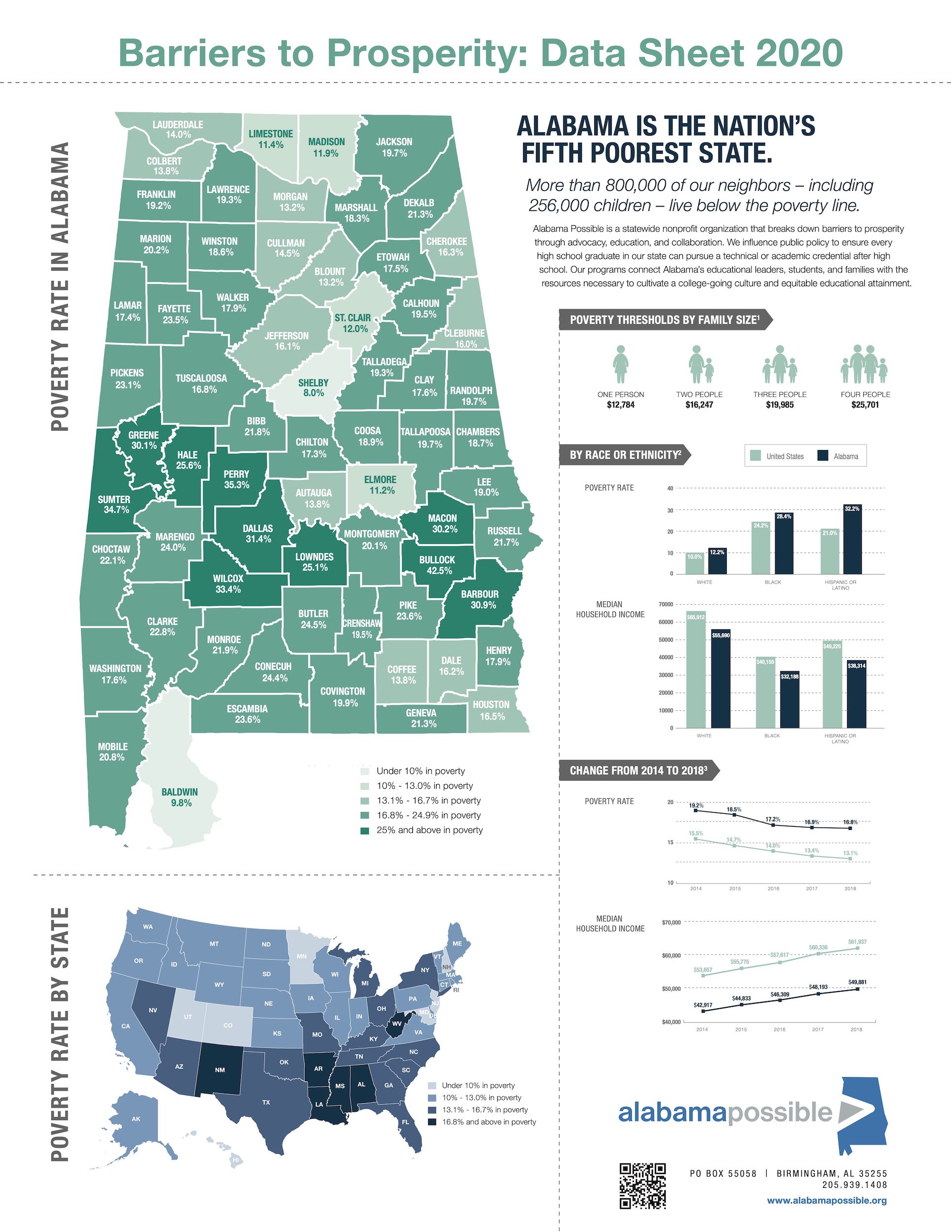
Defining Poverty and Its Measurement in Alabama
Poverty, as defined by the United States federal government, is measured by income thresholds that vary by family size and composition. These thresholds are established annually by the U.S. Census Bureau. A family or individual is considered to be living in poverty if their pre-tax cash income falls below the applicable threshold. For Alabama, the poverty rate has historically been a significant point of discussion, often ranking among states with higher poverty levels nationally. While the exact percentage fluctuates annually based on economic conditions and data collection, it generally indicates a substantial portion of the population facing financial hardship. Beyond the headline number, understanding who is affected (e.g., specific age groups, racial demographics, rural vs. urban populations) provides a more nuanced picture of lifestyle disparities. These statistics are not merely figures; they represent families striving to meet basic needs, children growing up with limited resources, and communities grappling with systemic challenges. This directly impacts everything from nutritional access and healthcare to recreational opportunities and educational pathways, fundamentally shaping the daily lifestyle experience.
Historical Context and Contributing Factors
Alabama’s poverty levels are not isolated figures but are deeply rooted in its historical and economic evolution. The state’s economic development has historically been tied to agriculture, particularly cotton, and later, heavy industry. Post-industrial shifts, coupled with historical disadvantages stemming from systemic inequality, have left lasting impacts on many communities. Factors contributing to persistent poverty include lower educational attainment rates in certain regions, limited access to quality healthcare, disparities in job opportunities, and the prevalence of low-wage employment. Furthermore, the decline of traditional industries in some areas without sufficient diversification into high-growth sectors has exacerbated economic struggles. These historical and structural factors mean that for many Alabamians, their lifestyle choices and opportunities are often constrained by the broader economic environment, reflecting generations of socio-economic trends rather than individual circumstances alone. Understanding this backdrop is crucial for appreciating the resilience and resourcefulness often found within communities striving for upward mobility.
Impact on Daily Living and Local Lifestyles
The poverty level in Alabama profoundly influences the daily living conditions and lifestyles of its residents, extending far beyond simple income figures. It shapes the choices available to families regarding housing, nutrition, healthcare, and education, thereby defining the contours of their everyday existence. For visitors and potential residents, this understanding is key to appreciating the local landscape and engaging authentically with its communities.
Access to Resources and Services
In areas with higher poverty rates, access to essential resources and services can be significantly limited, directly impacting lifestyle quality. This includes a scarcity of fresh, affordable groceries, leading to “food deserts” where healthy eating becomes a challenge. Healthcare access is another critical area; many individuals in poverty may lack health insurance or proximity to well-equipped medical facilities, resulting in poorer health outcomes. Public transportation infrastructure can also be underdeveloped in some of these communities, making it difficult for residents to access jobs, schools, and essential services, trapping them in cycles of limited mobility. For families, this translates into daily logistical hurdles and tough choices, from prioritizing rent over doctor visits to spending hours commuting for basic necessities. The lifestyle here is often one of constant negotiation and resilience, where community support networks become invaluable.
Housing and Cost of Living
While the overall cost of living in Alabama is generally lower than the national average, the impact of poverty means that even relatively modest housing costs can be burdensome for low-income households. Affordable housing remains a critical issue in many parts of the state. For those struggling, a significant portion of their income is often allocated to housing, leaving little for other essentials like food, utilities, and transportation. This financial strain can lead to housing instability, overcrowding, or living in substandard conditions. Conversely, for individuals and families with higher incomes, Alabama’s lower cost of living can translate into a more comfortable lifestyle, allowing for greater discretionary spending on leisure, travel, or savings. This stark contrast highlights the varied lifestyle experiences within the state, often dictated by economic standing.

Education and Economic Mobility
Education is often cited as a primary pathway out of poverty, yet access to quality education can be unevenly distributed in Alabama. Schools in impoverished areas often face challenges such as limited funding, fewer resources, and difficulties in attracting and retaining highly qualified teachers. This can lead to disparities in educational outcomes, which in turn affect future economic mobility. Children from low-income backgrounds may have fewer opportunities for early childhood education, extracurricular activities, or advanced academic programs, perpetuating a cycle of limited opportunity. However, significant efforts are being made by institutions like the University of Alabama and Auburn University and local initiatives to bridge these gaps and provide pathways to higher education and skilled employment. For individuals and families aspiring to improve their circumstances, the quality of educational resources available can be a determining factor in their long-term lifestyle trajectory.
Alabama’s Diverse Lifestyles: From Urban Centers to Rural Communities
Alabama is a state of contrasts, and its poverty levels, while a statewide concern, manifest differently across its varied geographies. From bustling metropolitan areas to serene rural landscapes, the experience of living, working, and thriving in Alabama is shaped by localized economic realities, offering a spectrum of lifestyles.
Urban Lifestyle Considerations
Alabama’s major urban centers, such as Birmingham, Huntsville, and Montgomery, offer more diverse economic opportunities and generally higher wages than rural areas. Cities like Huntsville, with its strong aerospace and technology sectors, have seen significant economic growth, attracting skilled professionals and fostering a more affluent lifestyle for many residents. Birmingham, a hub for healthcare, finance, and increasingly, tech startups, presents a vibrant urban environment with diverse cultural attractions, dining, and employment options. However, even within these cities, pockets of poverty exist, often concentrated in specific neighborhoods, reflecting historical segregation and economic disinvestment. The urban lifestyle for many Alabamians is characterized by access to amenities, diverse job markets, and cultural richness, but for others, it can involve navigating the challenges of urban poverty, including higher living costs and systemic barriers to opportunity. Mobile, with its port economy and proximity to the Gulf Coast, presents another unique urban lifestyle influenced by trade and tourism.
Rural Lifestyle Dynamics
In stark contrast, many of Alabama’s rural counties face higher poverty rates, often due to a reliance on traditional industries, limited access to infrastructure, and out-migration of younger populations. Lifestyles in these areas are often characterized by a strong sense of community, a slower pace of life, and a closer connection to nature, particularly in regions bordering the Appalachian Mountains or along the agricultural belts. However, economic challenges can mean limited job prospects, fewer public services, and significant distances to essential facilities like hospitals and specialized stores. For residents, this often means a lifestyle of self-reliance and resourcefulness, where community networks are vital for support. For those considering a rural Alabama lifestyle, understanding these dynamics is crucial. While appealing for its tranquility and lower cost of living, it also requires an awareness of the potential challenges regarding economic opportunities and access to comprehensive services.
Implications for Lifestyle Decisions and Responsible Engagement
Understanding Alabama’s poverty level has significant implications for individuals making lifestyle decisions, whether they are considering moving to the state, investing in local communities, or simply traveling responsibly. It encourages a more nuanced perspective on the state’s diverse offerings and challenges.
Budget-Conscious Lifestyles and Affordability
For individuals and families seeking a more budget-conscious lifestyle, Alabama generally offers a lower cost of living compared to many other United States states. This affordability extends to housing, utilities, and daily expenses, making it an attractive option for those looking to stretch their income further. However, this general affordability must be viewed in conjunction with job market opportunities. While the cost of living might be low, average wages in some sectors or regions can also be lower, requiring careful consideration of career prospects versus living expenses. A lifestyle focused on frugality can thrive here, especially for those with remote work capabilities or specialized skills in demand in emerging urban centers. For travelers, this translates to more affordable experiences, from dining to accommodation, allowing for extended stays or more frequent visits without breaking the bank.

Community Engagement and Social Responsibility
Engaging with Alabama’s communities with an awareness of its socio-economic landscape fosters a more responsible and enriching experience. For those choosing to live in Alabama, understanding local needs can inform choices about where to volunteer, support local businesses, or participate in community development initiatives. This might mean patronizing local farmers’ markets in rural areas, supporting educational programs in urban neighborhoods, or contributing to healthcare access initiatives. For visitors, this awareness can transform tourism into a more impactful experience, encouraging support for local artisans, authentic eateries, and community-based tours that directly benefit residents. A socially responsible lifestyle in [Alabama](https://lifeoutofthebox.com/alabama] involves acknowledging the challenges faced by many while celebrating the state’s rich culture, heritage, and the resilience of its people, contributing positively to its ongoing development.
LifeOutOfTheBox is a participant in the Amazon Services LLC Associates Program, an affiliate advertising program designed to provide a means for sites to earn advertising fees by advertising and linking to Amazon.com. Amazon, the Amazon logo, AmazonSupply, and the AmazonSupply logo are trademarks of Amazon.com, Inc. or its affiliates. As an Amazon Associate we earn affiliate commissions from qualifying purchases.