
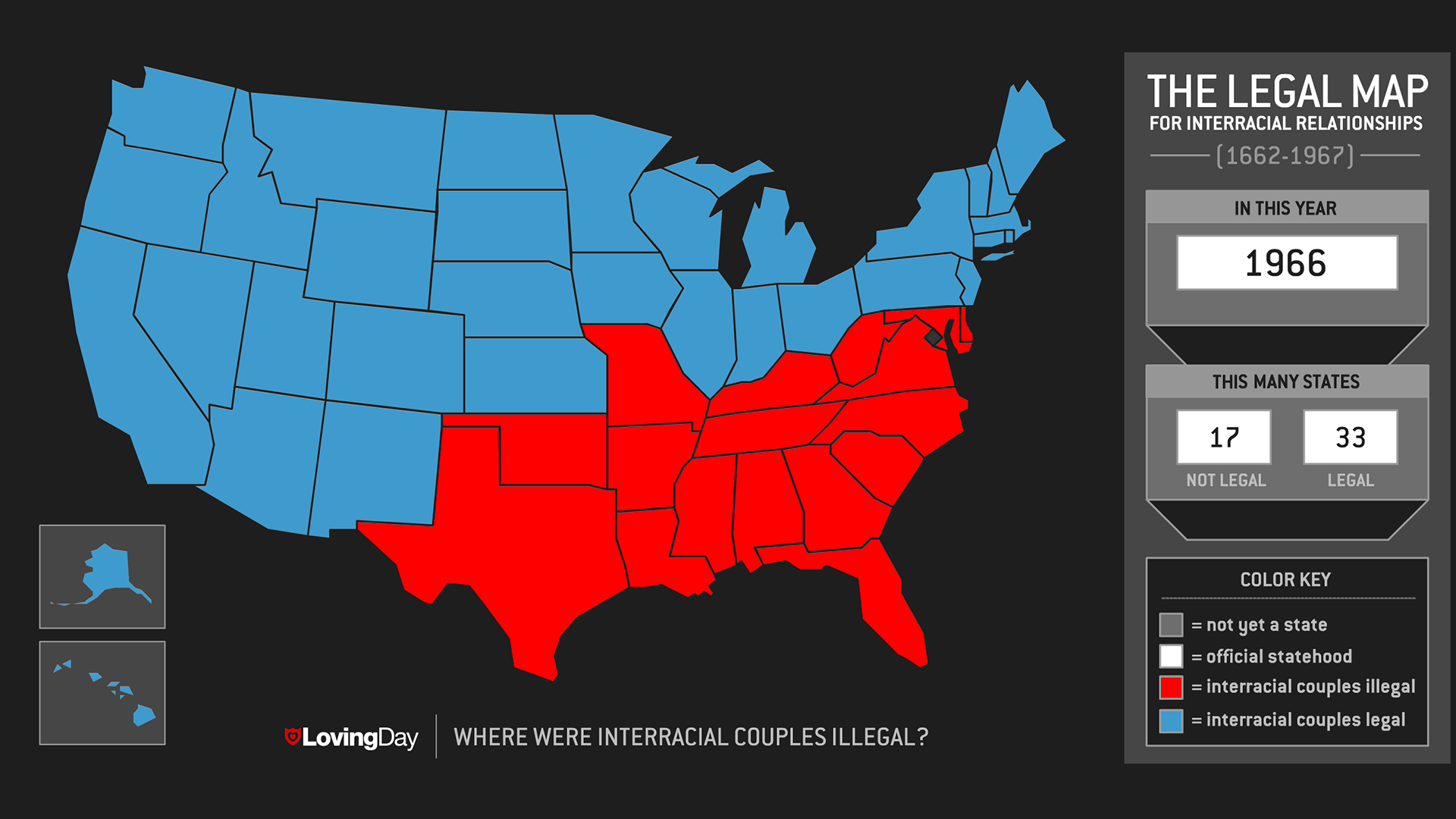
The question of when interracial marriage was legalized in Alabama delves into a complex and often painful chapter of American legal and social history, revealing a timeline that significantly lagged behind the rest of the United States. While the landmark United States Supreme Court decision in Loving v. Virginia in 1967 struck down all state bans on interracial marriage, Alabama maintained its unconstitutional prohibition for an additional 33 years, finally rectifying the injustice through a state-wide referendum in 2000. This prolonged resistance makes Alabama’s story a distinctive historical landmark in the broader narrative of civil rights and marriage equality.
The Deep Roots of Miscegenation Laws in Alabama
To understand Alabama’s position, one must first grasp the pervasive nature of miscegenation laws that plagued many Southern states for centuries. These laws, designed to uphold racial segregation and white supremacy, specifically prohibited marriage and sexual relations between people of different races.
Early Statutes and Social Context
The origins of miscegenation laws in Alabama can be traced back to its territorial days and early statehood. Driven by fears of racial mixing and the desire to maintain a rigid social hierarchy, these statutes were instrumental in defining and enforcing racial boundaries. The legal framework surrounding marriage was not merely about personal union; it was a powerful tool for social engineering, ensuring the perpetuation of racial caste systems, particularly following the abolition of slavery. By criminalizing interracial relationships, the state sought to prevent any perceived challenge to its established racial order, reinforcing the idea of racial purity and the perceived inferiority of non-white populations. The consequences for violating these laws were severe, often involving imprisonment or forced separation, which sent a clear message about the state’s commitment to racial segregation.
Alabama’s Constitutional Prohibitions
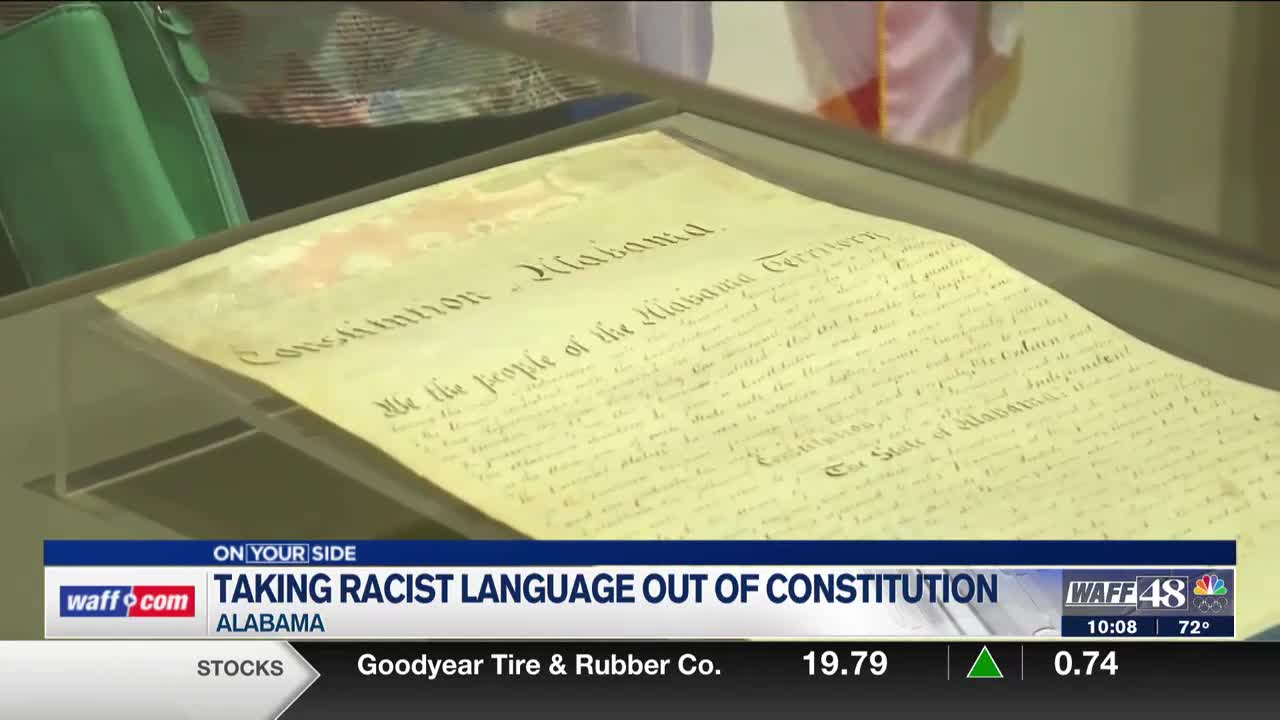
Alabama enshrined its prohibition on interracial marriage not just in statutory law, but directly within its Alabama State Constitution. Article IV, Section 102 of the 1901 Alabama State Constitution explicitly stated: “The legislature shall never pass any law to authorize or legalize any marriage between any white person and a Negro, or descendant of a Negro.” This constitutional embedding made the prohibition exceptionally difficult to overturn, requiring a state-wide vote rather than a simple legislative act. This particular clause underscored the depth of racial animosity and the legislative intent to maintain segregation at the most fundamental levels of society, making it a prominent feature of Alabama’s legal landscape for nearly a century. This constitutional provision stood as a stark symbol of the state’s historical resistance to racial equality and its unique role in the national struggle for civil rights.
The National Turning Point: Loving v. Virginia
While Alabama clung to its discriminatory laws, a pivotal case thousands of miles away would fundamentally alter the legal landscape for interracial marriage across the United States.
Mildred and Richard Loving’s Stand
The landmark case of Loving v. Virginia arose from the courageous actions of Mildred Loving, a Black and Native American woman, and Richard Loving, a white man, who were married in Washington D.C. in 1958. Upon returning to their home state of Virginia, they were arrested and charged under Virginia’s anti-miscegenation laws. They were given a choice: leave Virginia for 25 years or face a prison sentence. The Lovings chose to leave but eventually sought legal recourse. Their persistence, supported by the American Civil Liberties Union, brought their case to the highest court in the land, challenging the constitutionality of miscegenation laws head-on. Their personal struggle became a powerful symbol for the broader Civil Rights Movement, highlighting the fundamental injustice of denying individuals the right to marry based on race.
The Supreme Court’s Unanimous Decision

On June 12, 1967, the United States Supreme Court, in a unanimous decision, ruled that state bans on interracial marriage were unconstitutional. Writing for the Court, Chief Justice Earl Warren declared that “the freedom to marry has long been recognized as one of the vital personal rights essential to the orderly pursuit of happiness by free men.” The Court found that Virginia’s miscegenation laws violated both the Equal Protection Clause and the Due Process Clause of the Fourteenth Amendment to the United States Constitution. The ruling unequivocally stated that “under our Constitution, the freedom to marry or not marry, a person of another race resides with the individual and cannot be infringed by the State.” This decision effectively struck down anti-miscegenation laws in the 16 states that still had them, including Alabama, making them legally unenforceable nationwide.
Alabama’s Protracted Resistance and Eventual Change
Despite the clear and binding ruling of Loving v. Virginia, Alabama remained an outlier, retaining its constitutional ban on interracial marriage for decades.
Post-Loving Legal Landscape in Alabama
Following the 1967 Loving v. Virginia decision, Alabama’s constitutional provision prohibiting interracial marriage became legally moot. This meant that while the constitutional language remained on the books, any attempt to enforce it would be immediately struck down by federal courts as unconstitutional. Clerks in cities like Montgomery and elsewhere in the state were compelled to issue marriage licenses to interracial couples, as federal law superseded state law. However, the symbolic presence of the unconstitutional clause in the Alabama State Constitution continued to be a source of embarrassment and a stark reminder of the state’s slow progress on civil rights issues. It represented a lingering vestige of a discriminatory past, even if its practical legal effect had been nullified. For many, its retention was a deliberate act of defiance and a refusal to fully acknowledge the advancements made during the Civil Rights Movement of the 1970s and beyond. The incongruity of having a legally dead but constitutionally alive provision created a unique historical situation for Alabama, setting it apart from other states that had either proactively repealed their laws or simply allowed them to lapse into unenforceability without constitutional retention.
The 2000 Referendum: A Landmark for Alabama
The final, official removal of the ban from the Alabama State Constitution occurred on November 7, 2000, when Alabama voters approved a constitutional amendment to repeal Section 102. This decision, famously known as the 2000 Referendum, came 33 years after the Loving v. Virginia ruling and was a significant, albeit delayed, landmark in the state’s journey towards full civil rights. The margin of victory for the repeal was surprisingly narrow, with 59% voting to remove the ban and 41% voting to keep it. This outcome highlighted the deep-seated racial attitudes that still existed within certain segments of the population, even at the turn of the 21st century. The campaign leading up to the vote was contentious, reflecting lingering divisions. Ultimately, the successful repeal was a symbolic and practical victory, bringing Alabama’s foundational document into alignment with federal law and modern understandings of equality. It formally closed a chapter of legal discrimination that had defined much of the state’s history and allowed the state to shed one of its last overt constitutional remnants of segregationist policy. The repeal of Section 102 from the Alabama State Constitution and the corresponding removal of the outdated Section 30-1-5 of the Alabama Code marked the true and final legalization of interracial marriage in Alabama in both letter and spirit.
The Enduring Legacy and Historical Significance
The long road to fully legalizing interracial marriage in Alabama serves as a potent historical landmark, reminding us of the enduring struggles for equality and justice.
A Reflection on Civil Rights and Equality
Alabama’s eventual repeal of its constitutional ban on interracial marriage, coming decades after the federal mandate, underscores the complex and often contentious nature of civil rights progress. It highlights how legal reforms, while crucial, do not always immediately translate into societal acceptance or the swift dismantling of deeply entrenched prejudices. The fact that a significant portion of the electorate voted to retain an openly discriminatory and federally unconstitutional provision in 2000 speaks volumes about the historical legacy of racial division in the state. This period serves as a vital case study in the United States’ ongoing journey toward true equality, demonstrating that legislative and judicial decisions are often just the first steps in a longer process of social evolution and cultural change. The fight for marriage equality, whether based on race or sexual orientation, reflects a fundamental human right to choose one’s partner, free from state interference or discrimination.
Learning from Alabama’s Legal History
The history of interracial marriage laws in Alabama offers invaluable lessons for understanding the broader history of the United States. It illuminates the strategies used to enforce racial segregation, the power of individual courage in challenging unjust laws, and the persistent efforts required to achieve meaningful legal and social reform. For historians, legal scholars, and indeed, all citizens, this narrative serves as a landmark moment to reflect on how far society has come and how much work remains in fostering a truly equitable and inclusive society. The journey from the earliest anti-miscegenation laws to the 2000 referendum encapsulates a significant portion of Alabama’s unique contribution to the national discourse on civil liberties and human rights. It stands as a testament to the fact that progress is often hard-won and sometimes painfully slow, yet ultimately achievable through sustained advocacy and democratic processes.
LifeOutOfTheBox is a participant in the Amazon Services LLC Associates Program, an affiliate advertising program designed to provide a means for sites to earn advertising fees by advertising and linking to Amazon.com. Amazon, the Amazon logo, AmazonSupply, and the AmazonSupply logo are trademarks of Amazon.com, Inc. or its affiliates. As an Amazon Associate we earn affiliate commissions from qualifying purchases.