
The ability to navigate California‘s vast landscapes, from bustling urban centers like Los Angeles and San Francisco to serene natural wonders like Yosemite National Park, is integral to the lifestyle of many residents and visitors. Whether commuting for work, embarking on a family trip, or attending a business stay, a valid driver’s license is a cornerstone of personal freedom and mobility. Understanding the California Department of Motor Vehicles (DMV) points system is not merely about adhering to traffic laws; it’s about safeguarding your lifestyle, ensuring uninterrupted travel, and maintaining financial stability. This system acts as a crucial regulatory mechanism, tracking driver behavior and imposing consequences for unsafe or illegal actions behind the wheel, directly impacting one’s ability to live, work, and explore the Golden State.
The Foundation of Responsible Driving for a Flexible Lifestyle
At its core, the California DMV points system is a demerit program designed to identify and sanction drivers who repeatedly violate traffic laws. Each conviction for a moving violation, from minor speeding infractions to more serious offenses, carries a specific number of “points” that are added to a driver’s record. This system aims to encourage safer driving habits, ultimately contributing to safer roads for everyone, and preventing individuals from losing the driving privileges essential to their daily routines and travel plans.
What is the California DMV Points System?
The California DMV assigns points to a driver’s record based on the severity of traffic convictions. Most minor violations, such as speeding or running a stop sign, typically result in one point. More serious offenses, including reckless driving, hit-and-run incidents, or driving under the influence (DUI), often incur two points. These points remain on a driver’s record for a specific duration—typically 3, 7, or 10 years, depending on the offense. The accumulation of points triggers increasingly severe penalties, from warnings to license suspension, directly impacting a driver’s ability to maintain a flexible and mobile lifestyle. Understanding the point value of common infractions is the first step in proactive record management. For instance, a distracted driving violation, which might seem minor, can still add a point, contributing to a cumulative total that could jeopardize your license and your ability to pursue desired activities.
The Impact on Daily Commutes and Errands
For many, driving is not a luxury but a necessity. The ability to commute to work, transport children to school, or simply run essential errands forms the bedrock of daily life. Accumulating points can threaten this stability. Even a single-point violation can elevate a driver’s risk profile, potentially leading to increased scrutiny from the DMV. For individuals living in areas with limited public transportation, the loss of driving privileges can be catastrophic, severing access to employment, education, and social engagements. Imagine the disruption to a family’s routine if a parent can no longer drive to soccer practice or grocery stores because of accumulated points. The system, therefore, isn’t just about punishment; it’s about maintaining the integrity of the driving population to ensure that essential lifestyle functions remain unimpeded for responsible drivers.
Safeguarding Your Freedom to Explore and Travel
The freedom to hit the open road, whether for a spontaneous weekend getaway to Lake Tahoe or a planned cross-country adventure, is a cherished aspect of the California lifestyle. A clean driving record is paramount to preserving this freedom, as accumulated points can quickly put the brakes on travel plans and leisure activities.
How Points Accumulate from Traffic Violations
Points are recorded by the DMV once a traffic conviction is reported by the court. It’s not just moving violations that contribute; certain accidents can also result in points, especially if determined to be the driver’s fault. For example:
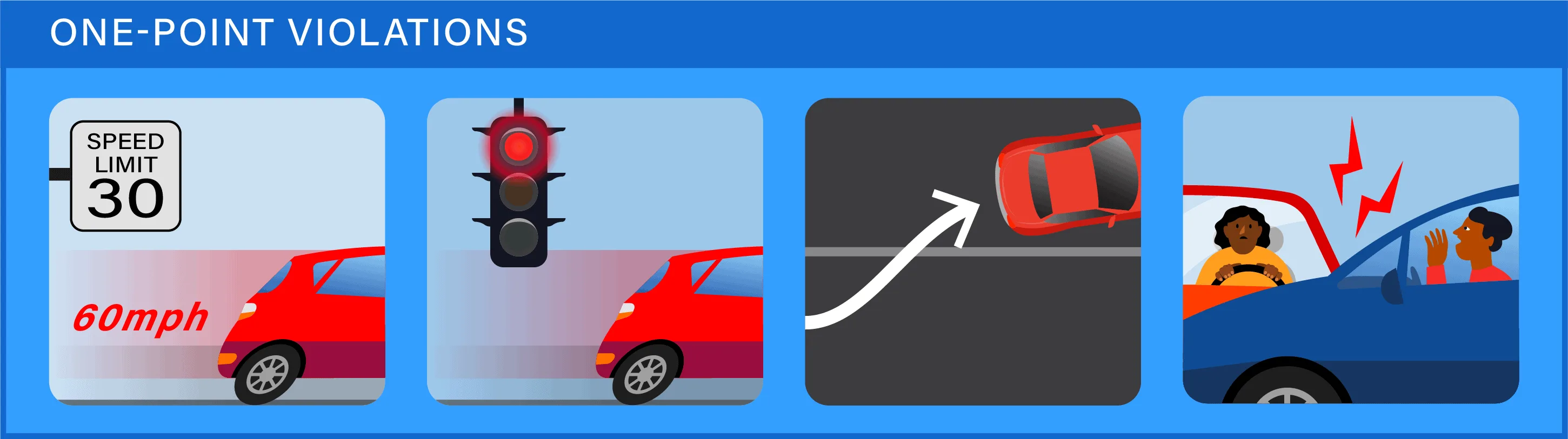
- 1-point violations: Speeding, unsafe lane changes, failure to stop at a stop sign or red light, minor at-fault accidents.
- 2-point violations: Reckless driving, hit-and-run (property damage), driving under the influence (DUI), evading a police officer, driving with a suspended license.
These points are cumulative. The more points you accumulate within specific timeframes, the greater the likelihood of disciplinary action from the DMV. This accumulation directly dictates the health of your driving record, which, in turn, dictates your mobility and access to travel and exploration. Drivers must be vigilant, as ignoring even minor infractions can build up to a larger problem that restricts their lifestyle choices.
Consequences for Travel and Leisure
The direct consequence of accumulating too many points is the loss of driving privileges. The California DMV operates on a “Negligent Operator Treatment System” (NOTS) which outlines specific thresholds for point accumulation:

- 4 points in 12 months: Typically results in a 6-month license suspension and a 1-year probation.
- 6 points in 24 months: Triggers similar actions.
- 8 points in 36 months: Triggers similar actions.
A license suspension or revocation directly curtails your ability to travel independently. Imagine planning a scenic drive along Highway 1 or a family trip to Disneyland only to find your license suspended. Such an event not only disrupts immediate plans but can also lead to significant inconvenience, reliance on others, or costly alternatives like ride-sharing services, eroding your budget for experiences. Beyond personal travel, some leisure activities, such as renting specialty vehicles for vacations or participating in motorsports, may also require a clean driving record.
Maintaining Your License for Family Trips and Business Stays
For families, the ability to drive is crucial for family trips, whether it’s a weekend getaway to the coast or a longer vacation across states. Losing this ability means missed opportunities for creating memories and shared experiences. Similarly, for professionals, a driver’s license is often indispensable for business stays and corporate travel, particularly for roles requiring client visits, site inspections, or travel to various conferences across California. A suspended license can lead to job insecurity, missed professional development opportunities, and significant logistical challenges for companies relying on their employees’ mobility. Maintaining a clean driving record is, therefore, an investment in both your personal and professional lifestyle.
Strategies for a Clear Driving Record and an Uninterrupted Lifestyle
Proactive management of your driving record is key to avoiding the detrimental effects of the points system on your lifestyle. Understanding mitigation strategies can help you retain your driving privileges and preserve your mobility.
Defensive Driving Courses and Point Reduction
One common method for point reduction is completing a traffic violator school (TVS) or a defensive driving course. If eligible, completing an approved TVS course can prevent a one-point moving violation from appearing on your public driving record, though the conviction itself will still be noted. This option is generally available only once every 18 months. Eligibility often depends on the specific violation and whether the driver has recently attended TVS. While these courses require an investment of time and money, they represent a valuable opportunity to prevent point accumulation and keep your driving record clear, safeguarding your lifestyle from potential disruption.
Monitoring Your Driving Record
Regularly checking your official California DMV driving record (Form H6) is a vital step in proactive management. This allows you to identify any errors, track your point total, and understand when points are set to expire. Being informed enables you to address issues promptly, plan for necessary defensive driving courses, and maintain peace of mind regarding your driving status. Accessing your record online or through a mail request ensures you have the most up-to-date information, crucial for making informed decisions about your driving habits and long-term lifestyle planning.
Long-Term Lifestyle Implications of Excessive Points
The impact of the California DMV points system extends beyond immediate license suspension. A history of traffic violations and accumulated points can have lasting repercussions on various aspects of your lifestyle, affecting everything from your finances to your overall mobility.
Insurance Premiums and Financial Lifestyle
One of the most immediate and significant long-term consequences of a poor driving record is a dramatic increase in auto insurance premiums. Insurers view drivers with numerous points as higher risk, leading to substantially higher rates, sometimes making insurance prohibitively expensive. This financial burden can impact your disposable income, limiting your budget for luxury travel, leisure activities, or other lifestyle choices. In severe cases, some insurance companies may even refuse to renew policies for high-risk drivers, forcing them to seek coverage from “high-risk” insurers, which comes with an even steeper price tag. The ripple effect of higher insurance costs can constrain your overall financial lifestyle, diverting funds that could otherwise be used for enriching experiences or essential savings.

Suspension, Revocation, and Mobility Restrictions
Beyond increased costs, the ultimate lifestyle disruption is the suspension or revocation of your driver’s license. A suspension is temporary, typically for a fixed period (e.g., 6 months to 1 year), after which privileges can be reinstated upon meeting specific conditions (e.g., paying fines, completing traffic school). Revocation, however, is a more severe and often longer-lasting penalty, sometimes requiring a multi-year waiting period before applying for a new license.
During a suspension or revocation, your mobility is severely restricted. You cannot legally drive, and doing so can result in further legal penalties, including extended suspension periods, hefty fines, and even jail time. This loss of mobility forces reliance on public transport, ride-sharing services, or the goodwill of friends and family, which can be inconvenient, costly, and significantly reduce your autonomy. For those whose professions require driving, a suspension or revocation can mean job loss. For individuals with limited access to alternative transportation, it can severely impact their ability to access medical appointments, grocery stores, and social activities, fundamentally altering their lifestyle and sense of independence. Therefore, understanding and respecting the California DMV points system is not merely about compliance; it’s about preserving the freedom, flexibility, and financial health that underpin a fulfilling lifestyle in California.
LifeOutOfTheBox is a participant in the Amazon Services LLC Associates Program, an affiliate advertising program designed to provide a means for sites to earn advertising fees by advertising and linking to Amazon.com. Amazon, the Amazon logo, AmazonSupply, and the AmazonSupply logo are trademarks of Amazon.com, Inc. or its affiliates. As an Amazon Associate we earn affiliate commissions from qualifying purchases.