
A Dynasty For The Ages: Tracing Alabama‘s Championship Legacy
The question of when the University of Alabama football team last claimed a national championship delves deep into the annals of collegiate sports history, highlighting a program synonymous with unparalleled success. For decades, the Crimson Tide has not merely competed; it has dominated, establishing a formidable legacy that resonates across the landscape of American football. These championship victories are more than just sports triumphs; they are historical markers that define eras, celebrate legendary figures, and imbue physical landmarks like Bryant-Denny Stadium and the entire city of Tuscaloosa with an almost mythical aura. Understanding the last championship requires examining the program’s consistent pursuit of excellence, which has sculpted its identity and elevated its status to that of a true American sporting institution.

The University of Alabama officially claims 18 national championships, a testament to its enduring power. Each title is a story of determination, strategic brilliance, and the unwavering support of a passionate fan base. These historical achievements collectively form a grand narrative, making the University of Alabama campus and its football facilities significant landmarks for sports enthusiasts and historians alike. The memory and celebration of these victories are woven into the fabric of the institution, influencing everything from campus architecture to local traditions. To trace the most recent pinnacle of this success, one must look to a period of unprecedented modern dominance.
The Saban Era: A Modern Landmark of Gridiron Excellence
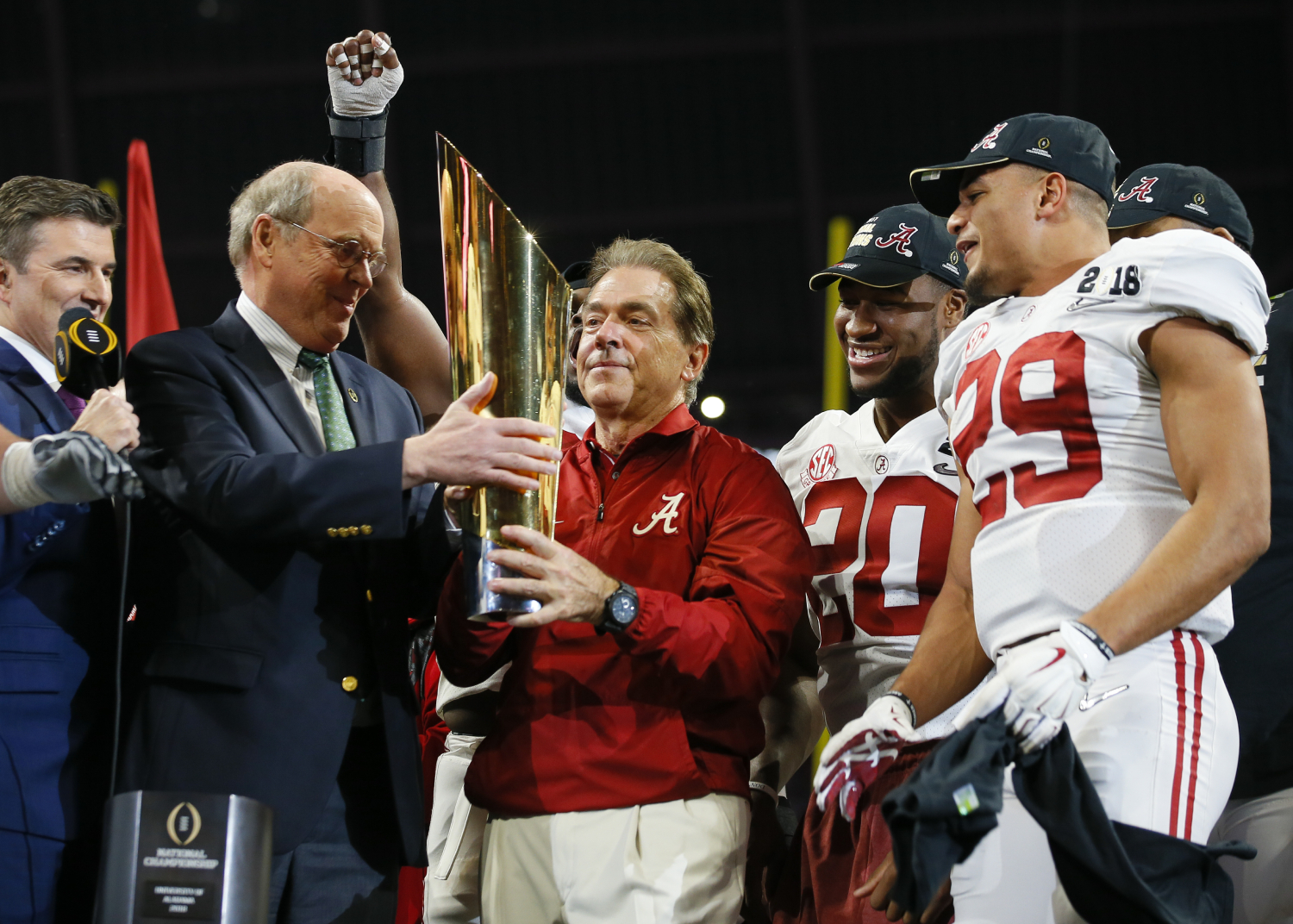
The most recent national championship won by the University of Alabama came during the 2020 college football season, which culminated in a decisive victory on January 11, 2021. This triumph marked a significant milestone, solidifying the program’s standing as a perpetual powerhouse under the leadership of head coach Nick Saban, often regarded as one of the greatest coaches in sports history. The Saban era, which began in 2007, transformed the Crimson Tide into an almost invincible force, adding an incredible six national championships to the university’s illustrious trophy cabinet. These victories under Saban are not just recent history; they represent a distinct and highly successful epoch that will forever be remembered as a golden age, shaping the legacy of the university as profoundly as any physical landmark.
The 2020 Triumph: An Unforgettable Season
The 2020 season was unique, played amidst the unprecedented challenges of a global pandemic. Despite the disruptions, Alabama navigated the season with remarkable poise and absolute dominance, finishing with a perfect 13-0 record. The team’s offensive prowess was led by Heisman Trophy-winning quarterback Mac Jones, dynamic running back Najee Harris, and standout wide receiver DeVonta Smith, who also won the Heisman Trophy that year, a rare feat for a non-quarterback. The defense, a hallmark of Saban’s teams, was as stifling as ever, complementing the explosive offense perfectly.
The National Championship Game, played in Miami Gardens, Florida, saw Alabama face off against the Ohio State Buckeyes. The Crimson Tide delivered a masterful performance, securing a resounding 52-24 victory. The game was a showcase of Alabama’s offensive firepower and defensive tenacity, leaving no doubt about their supremacy in college football that year. This championship was not only the program’s 18th claimed title but also Nick Saban’s seventh national championship as a head coach, surpassing the legendary Bear Bryant for the most national titles won by a major college football coach. The celebration in Tuscaloosa and across the state of Alabama following this victory was a poignant reminder of the cultural significance of football in the South, creating new historical memories for generations of fans.
Beyond 2020: The Pursuit of Further Glory
While the 2020 season marked their most recent national championship, the University of Alabama has remained at the pinnacle of college football, consistently contending for titles. Subsequent seasons have seen the team reach the College Football Playoff semifinals and even the championship game, demonstrating their continued excellence. This relentless pursuit of championships is part of what makes the University of Alabama a historical landmark in itself—a place where the past informs the present and sets the stage for future aspirations, perpetually adding new chapters to its storied history.

Historic Pillars: Key Eras Before Saban
While Nick Saban’s achievements are monumental, the foundation for Alabama’s storied program was laid by several iconic coaches and teams long before his arrival. These earlier eras are crucial historical pillars that contribute to the university’s enduring reputation and make its athletic legacy a significant landmark in itself. The cumulative history of these wins provides a powerful context for understanding the sustained success that has come to define the Crimson Tide.
The Bryant Years: Cementing a Legend
No discussion of Alabama football history is complete without reverent mention of Paul “Bear” Bryant. Coaching the Crimson Tide from 1958 to 1982, Bryant sculpted a program that would become the envy of college football, capturing six national championships in 1961, 1964, 1965, 1973, 1978, and 1979. His stern demeanor, iconic houndstooth hat, and unparalleled coaching philosophy became synonymous with Alabama football. The Bear Bryant Museum on the University of Alabama campus stands as a physical landmark dedicated to his monumental influence, preserving the history of his championships and the indelible mark he left on the university and the sport. His era cemented the tradition of winning and established the high expectations that continue to drive the program today.
Early Victories and Foundational Success
The Crimson Tide’s championship pedigree actually predates even the legendary Bear Bryant. The first claimed national championship dates back to 1925 under coach Wallace Wade, a pivotal figure who led Alabama to three national titles (1925, 1926, 1930). These early successes put Alabama on the national map and began the tradition of excellence. Coach Frank Thomas continued this legacy with two championships in 1934 and 1941. After Bryant, coach Gene Stallings added another significant title in 1992, guiding Alabama to an undefeated season and a Sugar Bowl victory over the heavily favored Miami Hurricanes. Each of these championships represents a specific point in time, a historical achievement that contributes to the grand tapestry of Alabama football, making the university’s entire athletic department a living historical landmark.
The Enduring Legacy and Its Impact on Tuscaloosa
The historical accumulation of national championships has an effect far beyond the trophy case; it profoundly shapes the cultural and physical landscape of Tuscaloosa and the University of Alabama. These victories are not just dates in a record book; they are the very essence of the university’s identity, drawing visitors from across the nation and beyond, eager to witness where history is made and celebrated. The history of winning has transformed athletic facilities and campus grounds into revered sites of pilgrimage for fans and a source of immense pride for alumni and residents.
Bryant-Denny Stadium: A Monument to Champions
Bryant-Denny Stadium, the iconic home of Alabama football, is itself a monumental landmark. Its hallowed grounds have witnessed countless historic moments, and its very architecture celebrates the program’s championship history. Statues of legendary coaches like Bear Bryant and Nick Saban stand as guardians of the stadium’s legacy, while banners commemorating each national title adorn its interior. For fans visiting Tuscaloosa, a tour of Bryant-Denny Stadium is an immersive historical experience, offering a tangible connection to the victories that define the program. The stadium is not just a venue; it’s a living museum of excellence, echoing with the roars of past triumphs.
The University of Alabama Campus: A Living Museum of Excellence
Beyond the stadium, the entire University of Alabama campus functions as a living historical landmark, where championship history is celebrated at every turn. The Paul W. Bryant Museum, for instance, houses an extensive collection of memorabilia, trophies, and exhibits detailing the rich history of Alabama athletics, with a significant focus on its national championships. Visitors can trace the lineage of coaches, players, and pivotal games that led to each title. The quad, a central gathering place, often becomes the site of celebratory rallies and historical reflections. The consistent thread of championship victories shapes the campus atmosphere, fostering a deep sense of tradition and pride. For many, a visit to Tuscaloosa is an opportunity to walk through the history of a legendary football program, experiencing firsthand the landmarks and traditions forged by an unparalleled record of success, the most recent chapter of which was written in the triumphant 2020 season.
LifeOutOfTheBox is a participant in the Amazon Services LLC Associates Program, an affiliate advertising program designed to provide a means for sites to earn advertising fees by advertising and linking to Amazon.com. Amazon, the Amazon logo, AmazonSupply, and the AmazonSupply logo are trademarks of Amazon.com, Inc. or its affiliates. As an Amazon Associate we earn affiliate commissions from qualifying purchases.