
Navigating the legalities of driving in a new state can often feel like deciphering an ancient scroll. For those planning a road trip through the vast landscapes of Texas or considering a move to the Lone Star State, understanding vehicle requirements is paramount. One of the most common questions that arises is about vehicle inspection. This guide aims to demystify the process, ensuring your journey through Texas is smooth, legal, and worry-free.
The Texas Vehicle Inspection Program: A Comprehensive Overview
For many years, Texas operated under a two-step inspection program, requiring both a safety inspection and an emissions inspection for most vehicles. However, recent legislative changes have significantly altered this landscape. As of January 1, 2025, the mandatory emissions testing component of the vehicle inspection program will be eliminated for most vehicles. This shift is a major development for drivers and has considerable implications for vehicle owners.

The Evolution of Vehicle Inspection in Texas
Historically, Texas employed a comprehensive inspection system designed to ensure vehicles on its roadways met certain safety and environmental standards. The safety inspection focused on essential components like brakes, lights, tires, and steering. The emissions inspection, on the other hand, aimed to reduce air pollution by verifying that a vehicle’s exhaust system met specific standards. Drivers were required to obtain an inspection certificate for both aspects before renewing their vehicle registration. This dual-pronged approach was intended to promote road safety and contribute to cleaner air across the state.
The Shift Away from Emissions Testing
The decision to phase out the emissions inspection was driven by several factors. Proponents argued that advancements in vehicle technology have made modern cars significantly cleaner, reducing the need for mandatory, state-wide emissions testing. Furthermore, the removal of this requirement aims to reduce the financial burden on vehicle owners and streamline the inspection process. This change primarily affects drivers in the 17 Texas counties that previously required emissions testing.
What Remains: The Safety Inspection
Despite the elimination of emissions testing, the safety inspection remains a crucial requirement for most vehicles registered in Texas. This ensures that vehicles are in safe operating condition, contributing to the overall safety of Texas roads. The safety inspection covers a range of critical components, including:
- Brakes: Ensuring proper function and adequate wear.
- Lights: Verifying that headlights, taillights, brake lights, and turn signals are operational.
- Tires: Checking for proper tread depth and any signs of damage.
- Steering and Suspension: Assessing the integrity of these vital systems.
- Windshield Wipers and Defrosters: Ensuring clear visibility in various weather conditions.
- Horn: Confirming its functionality.
- Mirrors: Checking for proper placement and condition.
- Exhaust System: While emissions testing is being removed, a visual inspection of the exhaust system for leaks or damage may still be part of the safety check.
- Seat Belts: Ensuring all seat belts are present and functional.
The safety inspection is typically performed annually by authorized inspection stations throughout the state. Upon passing the inspection, you will receive a certificate, which is generally required to renew your vehicle registration.
Who Needs a Vehicle Inspection in Texas?
The requirement for a vehicle inspection in Texas generally applies to most passenger vehicles, including cars, SUVs, and light trucks. However, there are certain exceptions.
Common Exemptions from Vehicle Inspection
While the safety inspection is widespread, some vehicles are exempt. These commonly include:
- Motorcycles: Typically do not require a safety inspection.
- Trailers: Most trailers are exempt from inspection.
- Vehicles older than 25 years: In some cases, older, classic vehicles may be exempt from the annual safety inspection. This exemption is subject to specific criteria and may vary.
- Vehicles that are not operated on public roads: Vehicles kept solely on private property and not used for general transportation are generally exempt.
- Certain types of commercial vehicles: Regulations can differ for commercial fleets, and some may have specific inspection requirements or exemptions.
It is always advisable to check the latest regulations from the Texas Department of Public Safety (DPS) or the Texas Department of Transportation (TxDOT) for the most up-to-date information regarding exemptions.
The Inspection Process: What to Expect
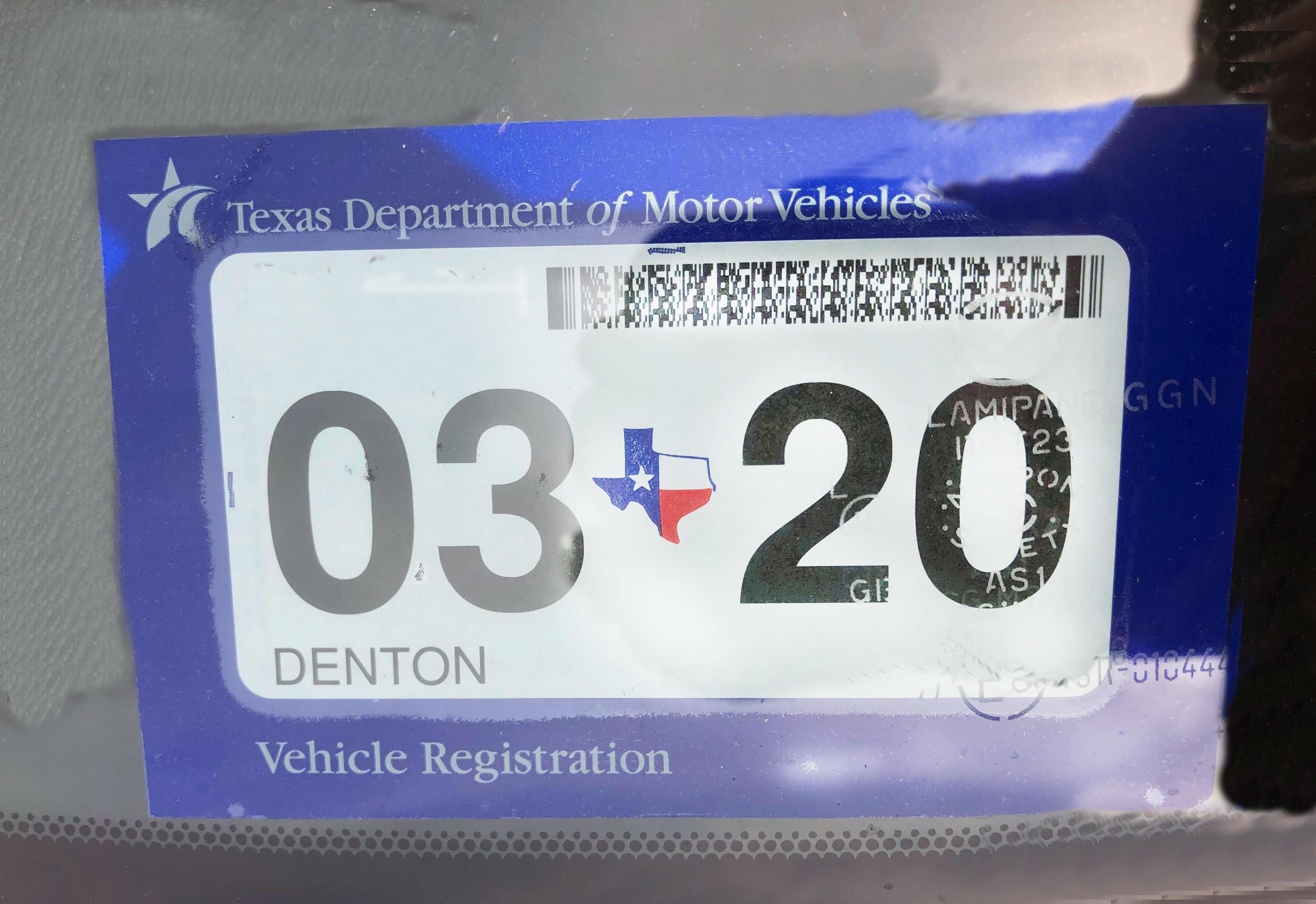
Understanding the inspection process can alleviate any anxieties associated with it. The Texas safety inspection is a straightforward procedure designed to be efficient.
Finding an Authorized Inspection Station
Inspection stations are readily available throughout Texas. These stations are authorized by the state to conduct official vehicle inspections. You can typically find them by looking for official signs or by checking online directories provided by state agencies. Many local auto repair shops and service centers are certified to perform inspections.
The Inspection Day
On the day of your inspection, ensure your vehicle is in a condition that allows for a thorough check. This means:
- Cleanliness: While not strictly mandatory, a reasonably clean vehicle can make it easier for the inspector to access and examine components.
- Accessibility: Ensure that important areas like the engine bay, undercarriage, and interior are accessible.
- Functionality: Make sure basic functions like lights and wipers are working prior to the inspection to avoid immediate failure.
The inspection itself usually takes between 15 to 45 minutes, depending on the station and the vehicle. The inspector will systematically check the required safety components.
Passing and Failing the Inspection
If your vehicle passes the safety inspection, you will receive a certificate of inspection. This certificate is your proof of compliance. You will need this certificate to renew your vehicle registration.
If your vehicle fails the inspection, the inspector will provide you with a report detailing the reasons for failure. You will then have a specific timeframe (typically 60 days) to make the necessary repairs and have the vehicle re-inspected. Most inspection stations offer a free re-inspection within this period, provided the repairs are made and the vehicle is brought back to the same station.
The Impact on Vehicle Registration and Renewal
The vehicle inspection, specifically the safety inspection, is intrinsically linked to the vehicle registration process in Texas.
Renewing Your Registration
When it comes time to renew your vehicle registration, you will generally be required to present a valid certificate of inspection. This ensures that your vehicle has met the state’s safety standards. The elimination of the emissions test means that you will no longer need an emissions sticker or report for this purpose in most counties. However, the safety inspection remains a key step.
What If You Don’t Have an Inspection?
Operating a vehicle in Texas without a current safety inspection certificate (where required) can lead to citations and fines. Law enforcement officers can issue tickets for non-compliance. Furthermore, you will not be able to renew your vehicle registration without proof of a passed inspection.

Tips for a Smooth Inspection Experience
To ensure a hassle-free inspection, consider these practical tips:
- Stay Informed: Keep up-to-date with the latest regulations from official Texas state resources. Laws and requirements can change.
- Pre-Inspection Check: Before heading to the inspection station, conduct a quick self-check of your vehicle’s basic safety features.
- Choose a Reputable Station: Opt for well-established and reputable inspection stations.
- Understand the Fee: Be aware that there is a state-mandated fee for the safety inspection. The price is standardized across all authorized stations.
- Keep Records: Retain your inspection certificates and any repair receipts. These documents are important for your records and for future registration renewals.
By understanding the requirements and preparing in advance, navigating the Texas vehicle inspection process becomes a simple and necessary part of responsible vehicle ownership, ensuring your travels across the state, whether exploring the San Antonio Riverwalk or the vast plains of West Texas, are conducted safely and legally. The ongoing evolution of Texas vehicle regulations reflects a commitment to adapting to modern needs while maintaining essential safety standards for all road users.
LifeOutOfTheBox is a participant in the Amazon Services LLC Associates Program, an affiliate advertising program designed to provide a means for sites to earn advertising fees by advertising and linking to Amazon.com. Amazon, the Amazon logo, AmazonSupply, and the AmazonSupply logo are trademarks of Amazon.com, Inc. or its affiliates. As an Amazon Associate we earn affiliate commissions from qualifying purchases.