
Crossing Alaska by foot is not merely a hike; it is an expedition into one of the world’s last great wildernesses, a test of endurance, resilience, and meticulous preparation. Unlike traversing smaller states or well-maintained long-distance trails, Alaska’s vastness, formidable terrain, and extreme weather present a unique set of challenges that significantly influence the timeline of such an ambitious journey. The question of “how long” is multifaceted, depending heavily on the chosen route, the hiker’s capabilities, and the logistical support available.
The Scale of the Alaskan Wilderness
Before estimating a timeline, it’s crucial to grasp the sheer magnitude and varied geography of Alaska. As the largest state in the United States, its land area alone is greater than Texas, California, and Montana combined. This immense scale means that “crossing” Alaska can imply vastly different distances and difficulties.

Defining “Crossing” Alaska
The concept of “crossing” Alaska by foot lacks a single, defined route like the Appalachian Trail or Pacific Crest Trail. A true north-to-south or east-to-west traverse could range from roughly 500 miles to over 1,000 miles, depending on the start and end points. For instance, a relatively direct route might involve starting near the Arctic Ocean coast, perhaps at Prudhoe Bay, and heading south towards the Pacific Ocean coast near Valdez or Seward. Such a journey would likely involve navigating portions of the Brooks Range, the expansive interior tundra, and the rugged Alaska Range or Chugach Mountains. The critical distinction is that much of this journey would be entirely off-trail, necessitating expert navigation and bushwhacking skills.
Geographical Challenges and Terrain
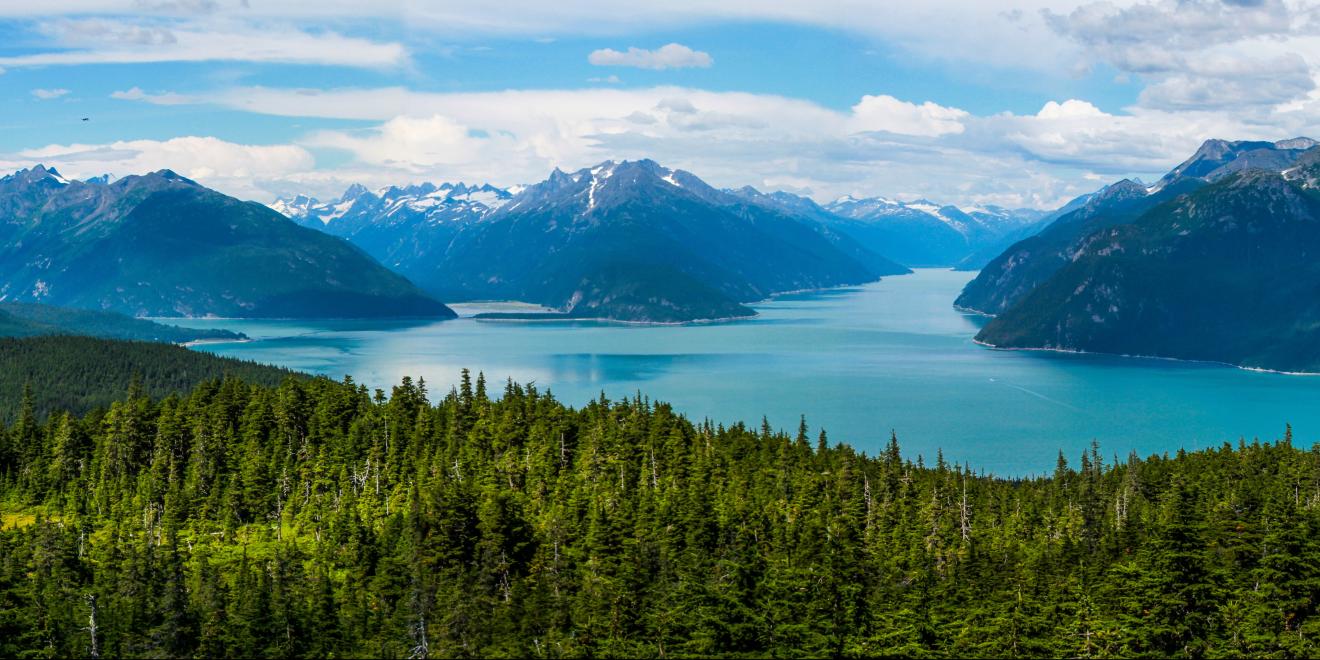
Alaska’s terrain is notoriously diverse and often unforgiving. Trekkers will encounter dense boreal forests, vast expanses of spongy tundra, glacial fields, swift-flowing rivers without bridges, and formidable mountain passes. The Brooks Range in the north, for example, presents a labyrinth of jagged peaks and remote valleys, while the Alaska Range in the south boasts Denali, North America’s highest peak, and surrounding glaciated terrain. River crossings are a constant hazard, with many rivers being too wide, deep, or swift to ford safely without specialized equipment or considerable risk. Swamps, bogs, and permafrost areas also slow progress dramatically. The absence of established trails means every step is a deliberate navigation choice, often through thick brush or uneven ground, far more taxing than walking on a defined path.
Key Factors Influencing Travel Time
The time taken to cross Alaska by foot is not a fixed metric but a variable influenced by several critical elements.
Pace and Endurance of the Hiker
An individual’s physical fitness, experience with challenging terrain, and mental fortitude are paramount. An average hiker might cover 15-20 miles per day on a well-maintained trail. In Alaska’s wilderness, daily mileage can drop to 5-10 miles or even less, especially during river crossings, bushwhacking, or navigating difficult mountain passes. Seasoned ultra-backpackers with extensive experience in off-trail navigation and survival might push for higher daily averages, but even they are subject to the whims of the landscape. The ability to carry heavy loads of supplies for extended periods, coupled with the psychological toll of isolation and constant vigilance for wildlife (such as bears), will dictate sustainable daily progress.
Route Selection and Trail Conditions
As mentioned, there are no established “crossing Alaska” trails. Routes are custom-designed, often following game trails, riverbeds, the path of the Trans-Alaska Pipeline, or simply navigating by compass and GPS. A route that attempts to minimize elevation gain might involve more extensive detours around mountain ranges, adding distance. Conversely, a more direct route might necessitate dangerous glacier travel or extremely steep ascents and descents. The “condition” of these non-existent trails is entirely natural – fallen trees, dense undergrowth, deep snow, or saturated ground are common obstacles.
Seasonal Variations and Weather
The timing of an Alaska foot crossing is critical. Most attempts would occur during the short summer months (late June through August), when daylight hours are longest, temperatures are warmest, and river levels might be lower (though glacial melt can still make them high). However, even in summer, Alaska can experience drastic weather shifts, including sudden snowfalls, torrential rain, and high winds. Attempting a crossing outside of these months would introduce extreme cold, much shorter daylight, and vastly more challenging conditions like deep snow, frozen rivers (potentially passable, but with ice hazards), and blizzards, likely making the journey impossible or extremely prolonged and dangerous.
Resupply Logistics and Support
Given the remote nature of most of Alaska’s interior, carrying enough food and fuel for the entire journey is usually impossible. Hikers must plan for resupply drops, often via bush plane or boat to remote cabins, villages, or pre-arranged caches. This requires extensive planning, significant financial investment, and flexibility, as weather can delay air drops for days or weeks. The distance between resupply points dictates how much weight a hiker must carry, directly impacting their pace. Without a robust resupply strategy, a crossing is not feasible.
Estimating Realistic Timelines
Considering all these factors, here’s a range of realistic estimates for crossing Alaska by foot, assuming a north-to-south or east-to-west route of approximately 700-1000 miles.
The Extreme Ultralight Trekker
An exceptionally experienced, physically peak-condition individual employing an ultralight philosophy and potentially a very direct, aggressive route. This person would move fast, minimize camp time, and be highly proficient in navigation and river crossings. They would likely aim for 15-20 miles on “good” days (e.g., along a riverbed or easier tundra) but would still face days of only 5-10 miles in dense bush or challenging mountains.
- Estimated Time: 45 to 70 days (approximately 6.5 to 10 weeks). This would require near-perfect conditions, minimal delays, and immense physical and mental strain.
The Prepared Expeditionary Hiker
This category represents a well-prepared, highly experienced wilderness traveler or small team, carrying appropriate gear, allowing for slower, safer progress through difficult sections, and accounting for weather delays. They would prioritize safety over speed. Daily mileage would average closer to 10-15 miles.
- Estimated Time: 70 to 100 days (approximately 10 to 14 weeks). This is a more realistic timeframe for a successful, albeit arduous, expedition, accounting for inevitable delays and the need for rest.
The Leisurely Explorer
Someone undertaking this journey with a more exploratory mindset, perhaps incorporating hunting, fishing, or extended stays in particularly scenic areas. This individual might carry more gear, be less concerned with speed, and embrace the unpredictable nature of the wilderness. Daily mileage could average 5-10 miles.
- Estimated Time: 100 to 150+ days (approximately 14 to 21+ weeks). Such a journey might span an entire summer season and extend into the early fall, pushing the limits of safe travel into colder weather. This would necessitate extremely complex resupply logistics.
It’s vital to note that these are estimates for successful crossings. Many attempts could be longer due to unforeseen challenges, injuries, or require bailing out altogether.
Essential Preparations for an Alaskan Foot Journey
Undertaking such a significant journey requires an unparalleled level of preparation, going far beyond what’s needed for typical long-distance hiking.
Gear and Supplies
The gear list for an Alaska crossing is extensive and specialized. It includes robust backpacking equipment, a reliable satellite communication device (e.g., Garmin inReach or Spot X), detailed topographic maps, a GPS unit, and a backup compass. Crucially, bear spray and perhaps a firearm for bear protection are non-negotiable. Specialized river-crossing gear, such as pack rafts, might be necessary for certain routes. High-quality rain gear, insect repellent, and layered clothing systems are essential for coping with Alaska’s unpredictable weather and notorious mosquito populations. Food choices must prioritize high calorie density and durability for long stretches without resupply.
Safety and Survival
Survival skills are paramount. Hikers must be proficient in wilderness first aid, navigation, shelter building, fire starting, and signaling for help. Encountering dangerous wildlife, particularly grizzly bears and black bears, is almost guaranteed. Knowledge of bear behavior and defense strategies is crucial. Understanding the signs of hypothermia and frostbite, even in summer, is vital. The sheer isolation means that self-sufficiency is the ultimate safety net; rescue can be days away, if at all possible.
Permitting and Regulations
While much of Alaska’s wilderness is open access, certain areas, especially within national parks and preserves like Gates of the Arctic National Park or Noatak National Preserve, may require permits or registration. Crossing private lands, tribal lands, or state-managed areas might also have specific regulations or require permission. Researching land ownership and regulations along the planned route is a critical planning step.

Beyond the Miles: The Transformative Experience
Beyond the technical challenges and logistical complexities, crossing Alaska by foot is a profound, life-altering experience. It is an immersion into an untouched realm where nature reigns supreme. The vast silence, the raw beauty of towering mountains, expansive tundra, and pristine rivers, coupled with the ever-present feeling of isolation, forge a deep connection with the wild. The journey is not just about the miles covered or the time elapsed; it is about the self-discovery, the unparalleled sense of accomplishment, and the indelible memories etched into the soul by the last frontier. It’s a journey that few undertake, and even fewer complete, making it one of the ultimate tests of human spirit and endurance.
LifeOutOfTheBox is a participant in the Amazon Services LLC Associates Program, an affiliate advertising program designed to provide a means for sites to earn advertising fees by advertising and linking to Amazon.com. Amazon, the Amazon logo, AmazonSupply, and the AmazonSupply logo are trademarks of Amazon.com, Inc. or its affiliates. As an Amazon Associate we earn affiliate commissions from qualifying purchases.