
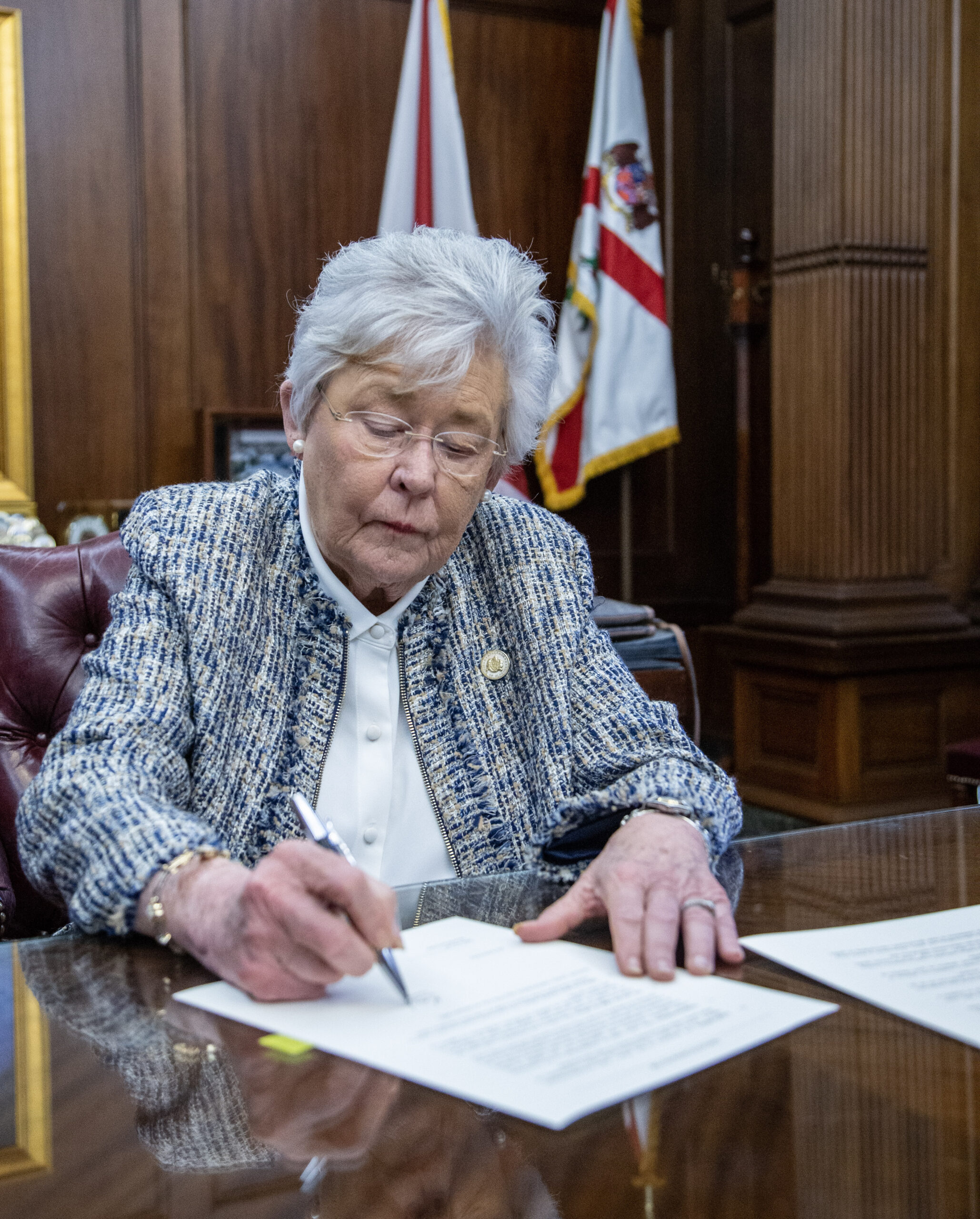
For travelers planning an immersive journey through the heart of the South, understanding the local landscape extends beyond picturesque views and culinary delights to include the foundational elements of its governance. While seemingly distinct from the immediate concerns of a tourist, the state’s leadership plays a pivotal role in shaping the very experiences visitors seek, from the preservation of natural wonders to the promotion of cultural heritage. In Alabama, the chief executive at the helm is Governor Kay Ivey, a seasoned politician whose administration influences a wide array of state functions, many of which directly or indirectly enhance the visitor experience.

Governor Ivey, a Republican, has served as Alabama’s 54th governor since 2017. Her tenure, like any state leader’s, involves navigating complex policy decisions, budget allocations, and strategic initiatives that resonate throughout the state’s diverse regions. For tourists, this means that decisions made in the state capital of Montgomery can directly impact the quality of state parks, the funding for historical sites, the infrastructure connecting popular destinations, and the overall economic climate that supports the hospitality industry. Understanding who holds this position, therefore, offers a more comprehensive perspective on the administrative backbone that supports Alabama’s vibrant tourism sector.
The Impact of State Governance on Alabama’s Tourist Appeal
The role of Alabama’s governor extends far beyond political headlines, deeply influencing the resources and strategies dedicated to attracting and accommodating visitors. State governance, under Governor Ivey, plays a crucial part in maintaining the allure of Alabama as a premier travel destination, touching upon everything from environmental conservation to cultural preservation and economic development.
Preserving Natural Beauty and Outdoor Activities
Alabama boasts an incredible diversity of natural landscapes, from the pristine white sand beaches of the Gulf Coast to the rolling foothills of the Appalachian Mountains. The governor’s office, in conjunction with the Alabama Department of Conservation and Natural Resources, is instrumental in allocating funds and setting policies that protect these precious resources. Initiatives under gubernatorial leadership often focus on the maintenance and enhancement of Alabama State Parks like Cheaha State Park, which offers breathtaking views from the highest point in Alabama, or Gulf State Park in Gulf Shores, a hub for outdoor recreation.
State budgets approved during the governor’s term directly affect trail maintenance, visitor center upgrades, and conservation efforts crucial for the longevity of wildlife habitats and natural attractions. These investments ensure that visitors can continue to enjoy activities such as hiking, fishing, boating, and birdwatching across the state. Furthermore, policies related to coastal management and environmental protection are vital for safeguarding popular beach destinations like Orange Beach, ensuring their beauty and accessibility for future generations of tourists. The governor’s commitment to these areas helps solidify Alabama’s reputation as an outdoor adventure destination, appealing to those who seek solace and excitement in nature.
Fostering Cultural and Historical Experiences
Alabama is a state rich in history and culture, particularly recognized for its pivotal role in the American Civil Rights Movement and its deep Southern heritage. State leadership significantly impacts the preservation and presentation of these narratives for visitors. Through entities like the Alabama Historical Commission and funding for cultural institutions, the governor’s administration supports museums, historical sites, and educational programs that draw tourists from around the globe.
Iconic sites such as the Birmingham Civil Rights Institute, the Edmund Pettus Bridge in Selma, and the various landmarks along the Selma to Montgomery National Historic Trail benefit from state support for their upkeep, interpretive programs, and accessibility. Beyond civil rights history, cultural attractions like the U.S. Space & Rocket Center in Huntsville, the Birmingham Museum of Art, and the Mobile Carnival Museum in Mobile also thrive with state encouragement and resources. The governor’s commitment to funding these institutions not only preserves Alabama’s past but also ensures that these stories and cultural expressions are professionally presented and remain accessible, offering profound and enriching experiences for visitors.
Economic Development and Infrastructure for Visitors
A vibrant tourism sector relies heavily on robust infrastructure and a healthy local economy, areas where the state government plays a foundational role. The governor’s administration often champions initiatives that improve transportation networks, including highway upgrades, port expansions in Mobile, and enhancements to airports like Birmingham-Shuttlesworth International Airport. These improvements are critical for easing travel into and around Alabama, making it more convenient for tourists to reach their destinations.

Furthermore, state policies under the governor’s purview can stimulate economic growth, fostering a welcoming environment for businesses in the hospitality sector—hotels, restaurants, tour operators, and local shops. Tax incentives, workforce development programs, and support for small businesses contribute to a thriving service industry, directly benefiting tourists through better amenities, diverse dining options showcasing Southern cuisine and fresh Gulf Coast seafood, and a higher quality of overall service. The governor’s vision for economic development is thus intrinsically linked to the health and attractiveness of Alabama’s tourism landscape.
Key Initiatives and Their Tourist Implications
Under Governor Kay Ivey’s leadership, several key initiatives and ongoing state efforts directly contribute to Alabama’s appeal as a tourist destination. These programs demonstrate the state’s strategic approach to leveraging its natural, historical, and cultural assets.
The Alabama Tourism Department, a state agency supported and overseen by the governor’s administration, is responsible for promoting Alabama as a destination. Its campaigns, often developed with state funding, highlight the unique attractions across the state, from the musical heritage of Muscle Shoals to the deep-sea fishing opportunities off the Gulf Coast. These marketing efforts are crucial for raising awareness and drawing visitors.
Beyond general promotion, the administration has also focused on specific niche tourism markets. For instance, strong support for heritage tourism helps maintain and promote sites tied to the Civil Rights Movement, ensuring the preservation of significant locations in Birmingham, Montgomery, and Selma. This focus not only honors history but also caters to a growing segment of travelers seeking meaningful and educational experiences. Similarly, efforts to enhance outdoor recreation opportunities and develop more extensive trail systems across state lands appeal to adventure tourists and ecotourists.
Another area of impact is the support for local festivals and events, which are often bolstered by state tourism grants or promotional assistance. Whether it’s the Mardi Gras celebrations in Mobile, the National Shrimp Festival in Gulf Shores, or numerous local arts and music festivals, these events create compelling reasons for people to visit Alabama, injecting vitality into local economies and offering authentic cultural engagement. The strategic direction provided by the governor’s office ensures that these initiatives are aligned with broader state goals for economic growth and cultural enrichment.
Navigating Alabama: Understanding the Local Context for Travelers
For an enriching travel experience, understanding the local context is paramount. While the governor’s office may seem distant from a traveler’s immediate itinerary, recognizing its role provides a fuller picture of what makes Alabama unique and how its various attractions are maintained and presented.
Civic Engagement and Local Flavor
Understanding the state’s leadership contributes to a deeper appreciation of Alabama’s “local culture.” The values and priorities of the state administration often reflect, and in turn shape, the prevailing social and economic environment. This insight can provide context for community initiatives, local attitudes, and the overall “flavor” of the place. For visitors interested in more than just surface-level attractions, a grasp of the civic landscape can offer a richer, more nuanced understanding of the destination. It informs how local communities interact with state resources, how historical narratives are preserved, and how public spaces are managed for both residents and visitors. Engaging with Alabama on this level can transform a simple trip into a more insightful cultural immersion, connecting travelers to the fabric of the state.
Resources for Travelers
Ultimately, the most direct way for travelers to benefit from state governance is through the resources provided by state-funded tourism agencies. The Alabama Bureau of Tourism & Travel serves as the primary gateway for planning a trip, offering comprehensive guides, maps, event calendars, and detailed information on attractions across the state. This bureau, operating under the umbrella of state administration, ensures that up-to-date and reliable information is readily available to both prospective and current visitors.
These resources are designed to help travelers navigate Alabama’s diverse offerings, from securing permits for certain outdoor activities to finding accredited accommodations and understanding local regulations. By utilizing these official channels, travelers can ensure a smoother, safer, and more enjoyable visit, confident that the information is accurate and endorsed by the state. The governor’s office, through its support of such agencies, implicitly facilitates the ease and enjoyment of every tourist’s journey through Alabama.
LifeOutOfTheBox is a participant in the Amazon Services LLC Associates Program, an affiliate advertising program designed to provide a means for sites to earn advertising fees by advertising and linking to Amazon.com. Amazon, the Amazon logo, AmazonSupply, and the AmazonSupply logo are trademarks of Amazon.com, Inc. or its affiliates. As an Amazon Associate we earn affiliate commissions from qualifying purchases.