
Embarking on a journey to Alaska, the United States’ largest and most sparsely populated state, conjures images of majestic mountains, vast wilderness, incredible glaciers, and diverse wildlife. Travelers often prepare for encounters with bears, moose, and eagles, but a common query, particularly among those with ophidiophobia or general curiosity, is about the presence of snakes. For those planning a trip to this breathtaking destination, the answer is a resounding, and perhaps reassuring, no, there are no native snakes in Alaska. This unique ecological characteristic significantly shapes the travel experience and highlights the state’s distinct natural environment.
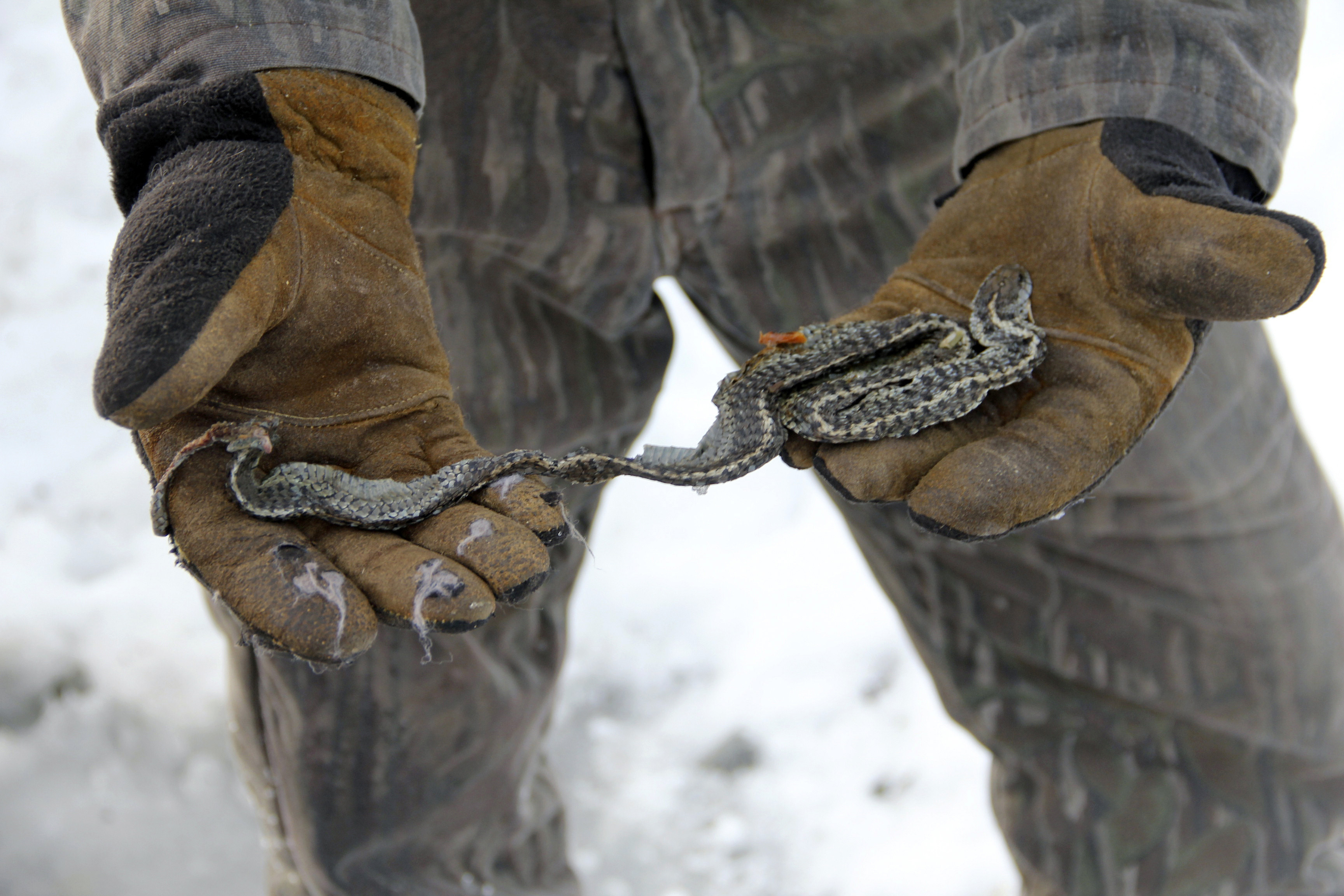
Dispelling the Reptilian Myth: Alaska’s Unique Ecosystem
The absence of native snakes in Alaska is not a mere coincidence but a direct consequence of its geographic and climatic conditions. Understanding these factors provides valuable insight into the state’s ecological makeup, which is crucial for any traveler seeking to fully appreciate its natural wonders.
The Cold Truth About Cold-Blooded Creatures
Snakes are poikilothermic, meaning their body temperature fluctuates with the ambient environment. They rely on external heat sources to regulate their body temperature, which is essential for metabolic processes like digestion and movement. Alaska’s extreme northern latitude results in harsh, prolonged winters with consistently freezing temperatures and short, cool summers. These conditions are simply too severe for snake species to survive and reproduce. The ground freezes deeply, and even during the warmer months, the average temperatures are insufficient to sustain a thriving snake population. Unlike mammals and birds, which can generate their own internal heat or migrate, snakes lack the biological adaptations necessary to endure Alaska’s challenging climate. This physiological limitation is the primary reason why the Alaskan wilderness, from the temperate rainforests of the Inside Passage to the arctic tundra of the North Slope, remains entirely snake-free.
Geographic Isolation and Glacial History
Beyond the immediate climatic challenges, Alaska’s’s geological history also plays a significant role. During the last glacial maximum, vast ice sheets covered much of North America, including most of Alaska. These glaciers acted as insurmountable barriers, preventing the migration of cold-blooded species from more southerly regions. Even as the ice receded, the subsequent recolonization of flora and fauna faced ongoing climatic limitations and geographic isolation. The relatively short period since the last glacial retreat, combined with persistent cold, has not provided enough time or suitable conditions for snakes to naturally re-establish themselves or evolve adaptations robust enough for the Alaskan environment. This makes Alaska one of the few places on Earth where one can explore vast wilderness without the concern of encountering a slithering reptile.
What Wildlife to Expect on Your Alaskan Adventure
While snakes are conspicuously absent, Alaska’s wildlife offerings are nonetheless spectacular and represent some of the most iconic creatures of the North American continent. Travelers to Alaska will find themselves immersed in a vibrant ecosystem teeming with incredible animals.
Iconic Mammals and Birds
Alaska is a premier destination for wildlife viewing, boasting an impressive array of large mammals. Brown bears (Grizzlies) and black bears are common sights, particularly in national parks like Denali National Park and the Kenai Fjords National Park, where they can be observed foraging for berries or salmon. Majestic moose are frequently spotted browsing in wetlands and forest clearings, even within the city limits of Anchorage. Herds of caribou roam the tundra, especially visible during their seasonal migrations. Other notable mammals include wolves, Dall sheep, mountain goats, lynx, wolverines, and the elusive muskox.
The coastal waters and islands, such as Kodiak Island, are vital habitats for marine life. Humpback whales, orcas, grey whales, sea otters, harbor seals, and Steller sea lions are frequently seen on boat tours and coastal excursions. Birdwatchers will be equally delighted, with bald eagles soaring overhead, numerous species of seabirds nesting on cliffs, and migratory birds like sandhill cranes gracing the skies. Alaska’s diverse avian population contributes significantly to its wilderness allure.
The Scarcity of Reptiles and Amphibians

Beyond snakes, Alaska’s overall reptile and amphibian diversity is extremely limited. The state is home to only a handful of amphibian species, primarily the wood frog and the boreal chorus frog, both of which possess remarkable adaptations to survive freezing conditions, such as producing a natural antifreeze in their cells. The wood frog is particularly widespread, found even north of the Arctic Circle. As for reptiles, the only native species that might be encountered, though incredibly rare and localized, is the common garter snake (Thamnophis sirtalis), but its presence is debated by some herpetologists, with most sources definitively stating no native snakes exist. Any reported sightings are often misidentifications or isolated occurrences of introduced pets. For all practical travel purposes, Alaska is a reptile-free zone. This ecological void is a unique characteristic that sets it apart from nearly all other major landmasses.
Planning Your Trip: Embracing Alaska’s Natural Wonders (Without Snakes)
The absence of snakes might be a minor detail for some, but for others, it significantly impacts how they plan and experience their Alaskan adventure. This distinction shapes the nature of outdoor exploration and offers a unique peace of mind for travelers.
Exploring National Parks and Wilderness Areas
Alaska is home to eight national parks, including Denali National Park (home to North America’s highest peak, Denali), Glacier Bay National Park, and Katmai National Park. These vast protected areas, along with numerous state parks and national forests like the Chugach National Forest, offer unparalleled opportunities for hiking, camping, fishing, kayaking, and wildlife viewing. The absence of snakes means hikers can traverse trails and explore dense vegetation without the concern of encountering a venomous or even non-venomous snake. This provides a certain freedom and relaxation, especially for families with children or individuals who might otherwise feel apprehensive in wilder terrains. While awareness of other wildlife, such as bears, is paramount, the reptilian element is entirely removed from the safety checklist.
Safety and Preparedness for Alaskan Wildlife Encounters
Even without snakes, preparedness for wildlife encounters in Alaska remains crucial. Travelers should always carry bear spray, know how to store food securely to prevent attracting animals, and understand proper etiquette when observing wildlife from a distance. Respecting the space of moose, caribou, and especially bears is fundamental for a safe and enjoyable trip. Participating in guided tours, particularly for bear viewing or wilderness treks, is highly recommended as experienced guides can provide invaluable insights into animal behavior and safety protocols. The focus shifts from watching where you step for snakes to being aware of your surroundings for larger, more visible, and potentially more dangerous mammals.
Unique Reptile-Free Experiences
The snake-free environment allows for certain types of experiences that might be less comfortable elsewhere. Camping in remote areas, fishing along riverbanks, or simply sitting in a meadow enjoying the solitude takes on a different dimension when the threat of an unseen reptile is absent. It enhances the feeling of pristine wilderness and untamed beauty. Travelers can explore dense undergrowth with a greater sense of security, allowing for deeper immersion in Alaska’s natural landscapes. This unique aspect contributes to the appeal of Alaska as a top-tier destination for nature enthusiasts and adventure seekers who prefer their wilderness experiences devoid of slithering surprises.
The Broader Implications for Travelers
The question of snakes in Alaska might seem trivial, but its answer holds significant implications for the traveler’s mindset and overall experience. It’s a small detail that contributes to the larger narrative of what makes Alaska an extraordinary travel destination.
Peace of Mind for Nature Enthusiasts
For many, the idea of hiking or camping in an area without snakes brings an undeniable sense of relief and peace of mind. This allows travelers to fully focus on the awe-inspiring scenery, the vibrant wildlife (of the non-reptilian kind), and the profound solitude that Alaska’s vast wilderness offers. It removes a layer of anxiety that can sometimes accompany explorations into wild environments in other parts of the world, fostering a more relaxed and immersive interaction with nature. This aspect can be particularly appealing to families traveling with young children, where concerns about potential wildlife dangers are often heightened.

Conservation and Respect for the Environment
Understanding Alaska’s’s unique ecological characteristics, including the absence of snakes, reinforces the importance of preserving this fragile environment. Travelers are encouraged to practice Leave No Trace principles, respecting the delicate balance of the ecosystem. While snakes are not a concern, the impact of human activity on the local flora and fauna, including the iconic bear and moose populations, is profound. By being informed about Alaska’s natural history and unique attributes, visitors can become more responsible and appreciative stewards of this magnificent destination, ensuring its pristine beauty and incredible wildlife remain undisturbed for future generations. The absence of snakes is just one fascinating facet of Alaska’s’s complex and captivating natural identity.
LifeOutOfTheBox is a participant in the Amazon Services LLC Associates Program, an affiliate advertising program designed to provide a means for sites to earn advertising fees by advertising and linking to Amazon.com. Amazon, the Amazon logo, AmazonSupply, and the AmazonSupply logo are trademarks of Amazon.com, Inc. or its affiliates. As an Amazon Associate we earn affiliate commissions from qualifying purchases.