
For individuals envisioning a vibrant lifestyle in the Golden State, understanding the intricacies of capital gains in California is paramount. Whether you’re considering a move to San Francisco for its tech scene, retiring amidst the vineyards of Napa Valley, investing in a Los Angeles vacation rental, or selling a long-held business in San Diego, the financial implications of capital gains can significantly shape your lifestyle and wealth management strategies. Unlike many states, California imposes its own state income tax on capital gains, which are also subject to federal taxes. This dual taxation requires a thoughtful approach to financial planning for anyone making significant asset transactions within the state.
Navigating California Capital Gains for Lifestyle Investors and Relocators
The concept of capital gains is central to personal finance, particularly for those with substantial assets or investment portfolios. For individuals making lifestyle shifts, such as relocating for work or retirement, or those pursuing investment opportunities like real estate or starting a business, understanding how capital gains are taxed is a critical step. California’s approach to capital gains taxation warrants specific attention due to its unique state-level imposition.
The Basics: What is a Capital Gain?
A capital gain arises when you sell an asset for more than you paid for it. This applies to a wide range of assets, including stocks, bonds, mutual funds, real estate, artwork, and even collectibles. From a lifestyle perspective, this could mean selling your primary residence before moving to California, divesting shares to fund a sabbatical, or selling an investment property that has appreciated significantly. The profit generated from such a sale is generally considered a capital gain, and both the federal government and the State of California will want their share.
There are two main categories of capital gains:
- Short-Term Capital Gains: These occur when you sell an asset held for one year or less. They are taxed at ordinary income tax rates, which can be considerably higher. For someone making quick investment decisions or selling a flip property, this distinction is vital.
- Long-Term Capital Gains: These occur when you sell an asset held for more than one year. These are typically taxed at preferential rates federally, offering a potential advantage for long-term investors planning their retirement or a gradual transition to a new lifestyle.
In California, however, the distinction between short-term and long-term gains is less pronounced for state tax purposes, as both are generally taxed at ordinary income rates. This is a crucial point for lifestyle investors used to the federal preferential treatment of long-term gains.
Federal vs. California State Rates: A Dual Consideration for Your California Dream
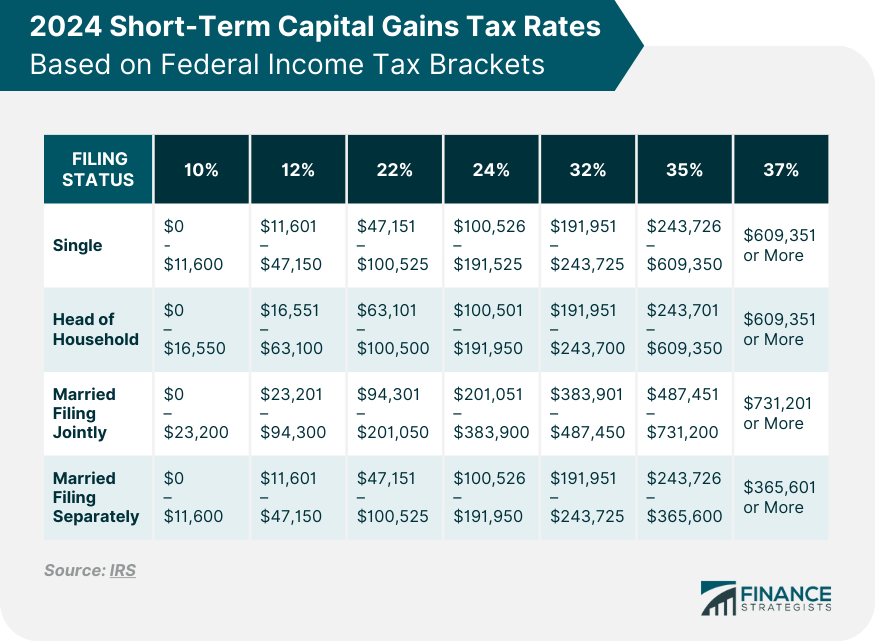
Understanding the dual layer of taxation is fundamental. Federally, long-term capital gains are taxed at 0%, 15%, or 20%, depending on your taxable income. Short-term capital gains are taxed at your ordinary income tax rates, which can range from 10% to 37%.
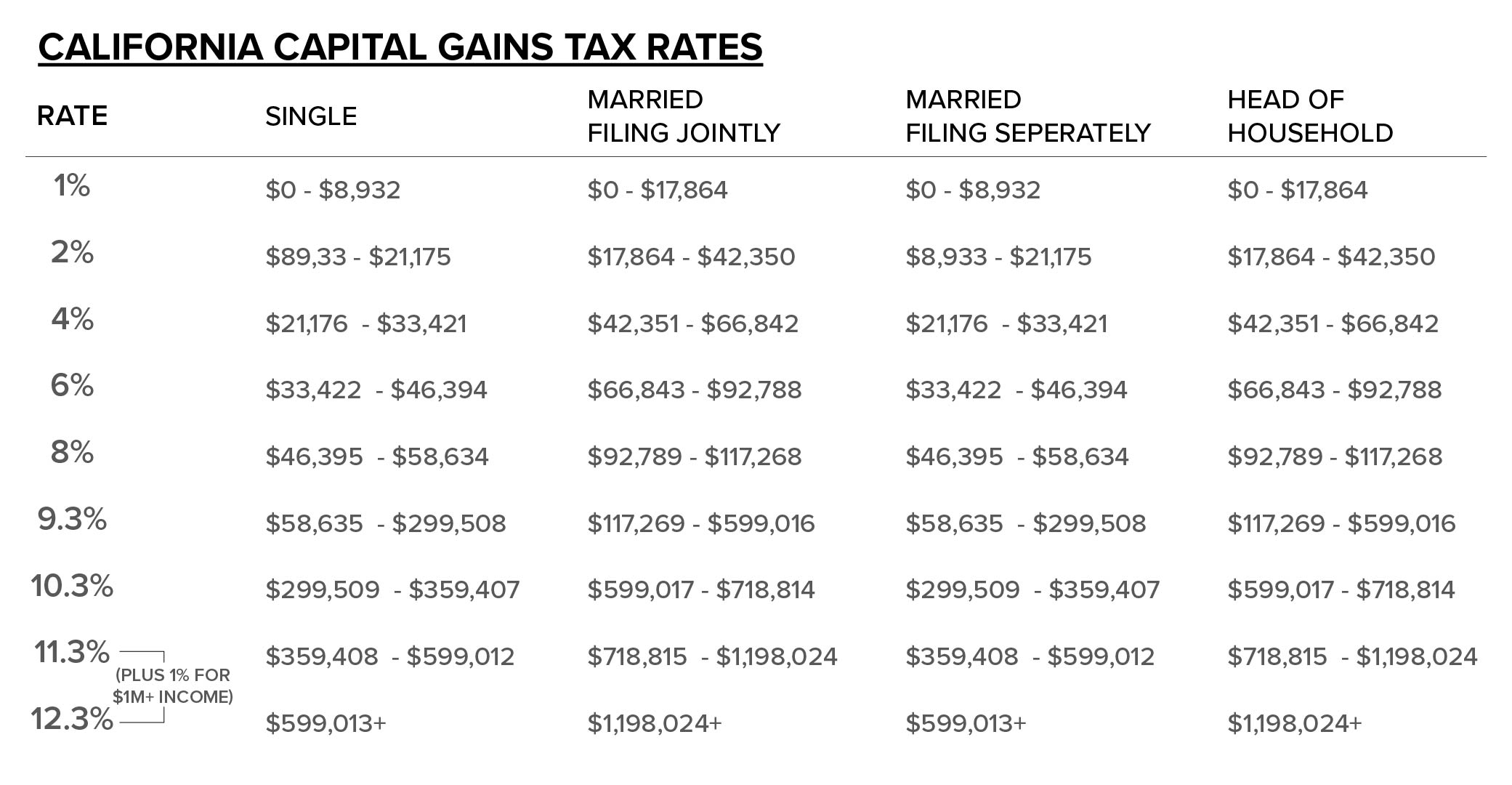
California takes a different approach. The state does not have a separate, lower tax rate for long-term capital gains. Instead, all capital gains – both short-term and long-term – are treated as ordinary income and are subject to California’s progressive income tax rates. These rates are among the highest in the nation, currently ranging from 1% to 12.3%, with an additional 1% mental health services tax for incomes over $1 million. This means that if you’re in a higher income bracket, a significant portion of your capital gain could be taxed away, impacting your plans for a luxury retirement or further investment.
For example, a high-income individual selling an appreciated asset could face a combined marginal tax rate approaching 37% (federal top rate) plus 13.3% (California top rate), totaling over 50% on their capital gain. This reality underscores the importance of strategic financial planning, especially when considering a move to or investment within California.
Real Estate and Lifestyle: Navigating Property Sales in the Golden State
Real estate is often the largest asset for many individuals and a key component of lifestyle planning, whether it’s a primary residence, a vacation home, or an investment property. California’s robust real estate market, from the beachfront properties of Malibu to the tech-hub homes of Silicon Valley, means that significant appreciation and thus capital gains are common.
Primary Residences vs. Investment Properties: Different Rules, Different Lifestyles
The tax treatment of capital gains varies significantly depending on whether the property sold is your primary residence or an investment property. This distinction is critical for those adjusting their living situation or managing a real estate portfolio.
- Primary Residence Exclusion: For many homeowners, a significant lifestyle benefit exists. Federal tax law allows for an exclusion of capital gains from the sale of a primary residence: up to $250,000 for single filers and $500,000 for married couples filing jointly. To qualify, you must have owned and lived in the home as your primary residence for at least two out of the five years leading up to the sale. California generally conforms to this federal exclusion for state income tax purposes. This exclusion can be a game-changer for individuals moving to a new California city or downsizing for retirement, allowing them to keep more of their profits to fund their next lifestyle chapter.
- Investment Properties and Vacation Homes: If you sell a rental property, a second home, or a vacation property in popular California destinations like Lake Tahoe or Palm Springs, the primary residence exclusion does not apply. Any capital gain realized from these sales will be fully subject to both federal and California state capital gains taxes. This is a crucial consideration for lifestyle investors who rely on real estate for passive income or wealth growth.
Tax Strategies for California Homeowners and Investors

For those engaged in the California real estate market, several strategies can help manage capital gains:
- 1031 Exchange (Like-Kind Exchange): For investment property owners, a 1031 exchange allows you to defer capital gains taxes when you sell a property and reinvest the proceeds into a “like-kind” property. This can be an excellent strategy for serial real estate investors looking to build wealth over time without immediate tax liabilities, allowing for continuous portfolio growth that supports a desired investment lifestyle. This is particularly relevant in California’s dynamic market.
- Depreciation Recapture: When selling an investment property, you’ll also need to consider depreciation recapture. The IRS requires you to “recapture” depreciation deductions you’ve taken over the years, taxing them at a federal rate of up to 25%. This is a separate consideration from capital gains but is part of the overall tax picture for real estate investors. California also taxes depreciation recapture at ordinary income rates.
- Cost Basis Adjustments: Keeping meticulous records of improvements made to your property can increase your cost basis, thereby reducing your taxable capital gain. For those who invest in home renovations as part of their lifestyle or for rental property enhancement, tracking these expenses is vital.
Impact on California Businesses and Entrepreneurial Lifestyles
California is a hub for innovation and entrepreneurship, from Silicon Valley to the burgeoning creative industries in Los Angeles. For business owners and those with significant stock investments, understanding capital gains is not just a matter of compliance, but a strategic component of their financial and professional lifestyle.
Selling a Business or Assets: Implications for the California Entrepreneur
When an entrepreneur sells their business in California, the proceeds are often subject to capital gains tax. This includes the sale of business assets, partnership interests, or shares in a privately held corporation. The tax treatment can vary widely depending on the structure of the business and the nature of the assets sold. For example, stock in a C-corporation typically generates capital gains, while the sale of an S-corporation or partnership interest may involve a mix of capital gains and ordinary income, especially if there’s depreciation recapture or inventory involved.
Entrepreneurs planning an exit strategy or selling their stake to fund a new venture or retirement must factor California’s high-income tax rates into their calculations. Strategic planning, including potentially structuring the sale as an installment sale, can help spread the tax burden over several years, aligning with a phased lifestyle transition.
Stock Options and Investment Portfolios: Wealth Management for a California Life
For individuals working in California’s tech sector or managing substantial investment portfolios, stock options and other equity compensation are common. When these are exercised and the underlying shares are sold, capital gains often arise.
- Incentive Stock Options (ISOs) and Non-Qualified Stock Options (NSOs): The tax treatment of stock options is complex. ISOs can offer more favorable capital gains treatment if held for specific periods, potentially reducing the ordinary income component. NSOs are typically taxed as ordinary income upon exercise (the “bargain element”), with any subsequent appreciation taxed as a capital gain when the shares are sold.
- Investment Portfolio Management: For high-net-worth individuals enjoying a California lifestyle, active management of investment portfolios to minimize capital gains tax is essential. Strategies include tax-loss harvesting, where investment losses are used to offset capital gains and a limited amount of ordinary income. Donating appreciated securities to charity is another way to avoid capital gains tax while benefiting a cause. These strategies are critical for maintaining and growing wealth in a high-tax state like California.
Planning Your California Lifestyle: Mitigating Capital Gains
Effective tax planning is not about avoiding taxes illegally, but about strategically managing your financial affairs within the legal framework to optimize your after-tax wealth. For those building a life or investing in California, proactive planning can make a substantial difference.
Long-Term vs. Short-Term Gains: Timing Your Life Transitions
As previously noted, the federal distinction between long-term and short-term capital gains offers preferential rates for assets held over a year. While California doesn’t mirror these lower rates at the state level, timing the sale of assets to qualify for federal long-term treatment is still highly beneficial. For someone selling a significant asset to fund a lifestyle change, such as early retirement or purchasing a dream property, ensuring the asset has been held for more than a year can lead to substantial federal tax savings. This consideration should be woven into any major financial decision or life transition.
Leveraging Exemptions and Exclusions: Smart Moves for Your Future in California
Beyond the primary residence exclusion, other avenues exist to reduce capital gains liabilities:
- Qualified Opportunity Zones: Investing in Qualified Opportunity Funds, which are designed to spur economic development in distressed communities, allows for the deferral, and in some cases, reduction or elimination of capital gains taxes on certain investments. California has numerous designated Opportunity Zones, presenting a dual opportunity for investors to support community development while potentially optimizing their tax situation, aligning with a socially conscious investment lifestyle.
- Charitable Giving: Donating highly appreciated assets (like stocks or real estate) to a qualified charity can allow you to avoid capital gains tax on the appreciation and potentially claim a charitable deduction. This can be a fulfilling way to manage wealth while supporting causes important to your lifestyle.
- Retirement Accounts: Capital gains within tax-advantaged retirement accounts, like 401(k)s and IRAs, grow tax-deferred until withdrawal in retirement. This long-term growth strategy is a cornerstone for many seeking a secure and comfortable California retirement.
Seeking Professional Guidance for Your California Financial Lifestyle
Given the complexity of California’s tax laws and the significant financial implications of capital gains, engaging with a qualified financial advisor or tax professional is indispensable. They can provide personalized advice tailored to your specific assets, income, and lifestyle goals, helping you navigate the nuances of both federal and state taxation. From optimizing real estate transactions to structuring business sales and managing investment portfolios, expert guidance ensures that your financial decisions align with your aspirations for a rewarding life in California. The right professional can help you develop a comprehensive strategy that minimizes tax liabilities and maximizes your wealth, allowing you to fully embrace the lifestyle you desire in the Golden State.
LifeOutOfTheBox is a participant in the Amazon Services LLC Associates Program, an affiliate advertising program designed to provide a means for sites to earn advertising fees by advertising and linking to Amazon.com. Amazon, the Amazon logo, AmazonSupply, and the AmazonSupply logo are trademarks of Amazon.com, Inc. or its affiliates. As an Amazon Associate we earn affiliate commissions from qualifying purchases.