
The query of whether Alaska is home to moose is met with an resounding affirmative: not only do moose thrive in the Last Frontier, but they are also one of its most iconic and frequently encountered large mammals. For travelers planning an Alaskan adventure, the opportunity to witness these magnificent creatures in their natural habitat is a highlight, offering a profound connection to the wild heart of the state. From bustling urban centers to vast wilderness preserves, the moose’s imposing silhouette and serene presence are an integral part of the Alaskan landscape and experience.
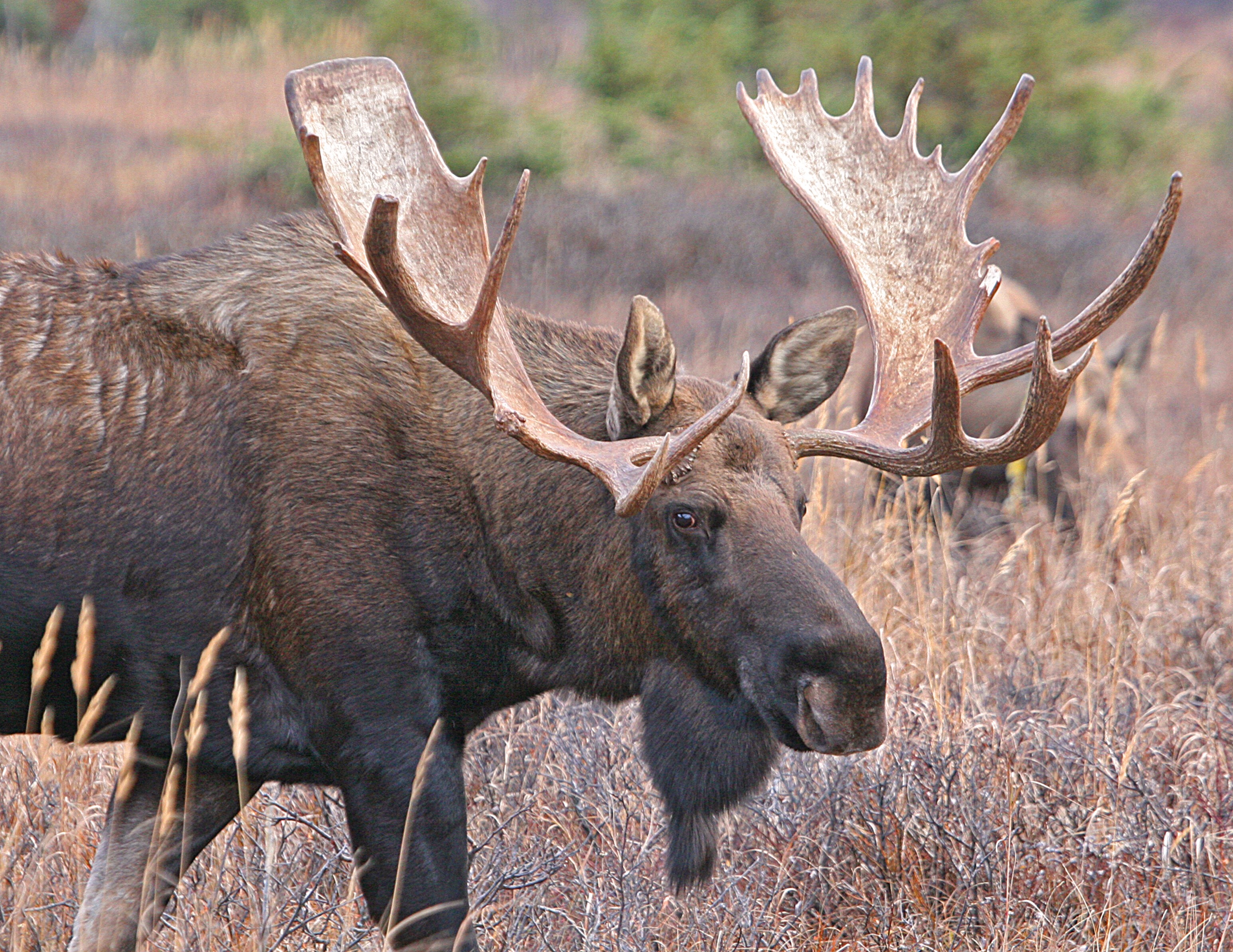
The Majestic Presence of Alaska’s Moose Population
Alaska boasts one of the healthiest and most robust moose populations in North America, estimated to be between 175,000 and 200,000 individuals. These colossal members of the deer family, scientifically known as Alces alces gigas, are the largest subspecies of moose globally, with bulls weighing up to 1,600 pounds and standing over six feet tall at the shoulder, sporting antlers that can span an impressive six feet. Their sheer size, combined with their distinctive bell and impressive antlers (on males), makes them an unforgettable sight.
Moose are uniquely adapted to the Alaskan environment, thriving in boreal forests, willow thickets, and wetland areas where their primary food sources—twigs, leaves, bark, and aquatic vegetation—are abundant. Their presence is a vital component of the state’s ecosystem, influencing vegetation patterns and serving as a food source for predators like wolves and bears, though their size makes them formidable adversaries. For visitors, encountering a moose is more than just spotting wildlife; it’s an immersive experience into the wild, untamed spirit of Alaska.
Where to Spot These Alaskan Giants
While moose are widespread across much of Alaska, certain areas offer higher probabilities for sightings, ranging from surprisingly accessible urban locales to remote wilderness havens. Knowing where to look significantly increases your chances of a memorable encounter.
Urban and Suburban Sightings
Perhaps one of the most surprising aspects for first-time visitors is the frequency with which moose are seen within and around Alaska’s largest city, Anchorage. The city’s greenbelts, parks, and even residential neighborhoods regularly host moose. These urban incursions are often driven by the search for food, especially during winter months when natural forage is scarce, or by a desire to escape predators like bears and wolves, which are less prevalent in populated areas.
For instance, Anchorage’s Kincaid Park and the trails along Campbell Creek are well-known hotspots. During winter, moose can often be seen browsing on willow bushes along roadsides. Similarly, the university campus and areas surrounding the Alaska Native Heritage Center often report sightings. While exciting, urban encounters also necessitate extreme caution, as moose can be unpredictable and dangerous, especially when startled or with calves.
Wilderness Hotspots and National Parks
For a more quintessential wilderness viewing experience, Alaska’s vast national parks and state parks are prime destinations.
Denali National Park and Preserve
Denali National Park and Preserve is arguably the most famous location for wildlife viewing in Alaska, and moose are a common sight along the Denali Park Road. Their preferred habitats here are the willow and spruce forests along riverbeds. Bus tours within the park offer excellent opportunities to spot moose, often providing unobstructed views from a safe distance.
Kenai Peninsula
The Kenai Peninsula, particularly areas around Soldotna and the Kenai National Wildlife Refuge, is another excellent region. The refuge’s extensive wetlands and forests are ideal moose habitat. Driving along the Sterling Highway can yield frequent sightings, especially in the early mornings or late evenings.
Chugach State Park
Just outside Anchorage, Chugach State Park offers expansive wilderness accessible by car or trail. The lower elevations of the park, with their dense vegetation and water sources, are prime locations for moose. Hikers often encounter them on trails such as those near Eagle River Nature Center.
Fairbanks Area
In interior Alaska, the region around Fairbanks is another stronghold for moose. The Tanana River lowlands and surrounding forests provide rich habitat. Visitors might spot them in areas like the Creamer’s Field Migratory Waterfowl Refuge or simply along rural roads outside the city.
Best Times and Methods for Moose Viewing
Timing and approach significantly influence your chances of a successful moose sighting. Being prepared with the right information can turn a hopeful search into a truly memorable encounter.

Seasonal Considerations
Moose are present year-round in Alaska, but their visibility and behavior vary with the seasons:
- Spring and Summer (May-August): This is an excellent time to see moose, often with their newborn calves. As vegetation becomes lush, they are more active and visible, especially in meadows and along water sources. Early mornings and late evenings are typically the best times for viewing.
- Autumn (September-October): The rutting season makes moose, particularly bulls, more active and less cautious, making sightings more frequent. However, this is also a period when bulls can be aggressive, so maintaining distance is crucial. The vibrant fall foliage provides a stunning backdrop for photography.
- Winter (November-April): Moose are often easier to spot against the snow-covered landscape. They frequently congregate near roadsides where plowing makes foraging easier, or where dense stands of willow provide shelter and food. However, deep snow can also make them harder to access in remote areas.
Guided Tours vs. Self-Exploration
Both guided tours and self-exploration offer distinct advantages for moose viewing.
- Guided Tours: Opting for a guided wildlife tour, particularly in national parks like Denali, significantly increases your chances of a sighting. Experienced guides possess intimate knowledge of animal behavior and local hotspots. They can often spot wildlife that an untrained eye might miss and provide valuable insights into their ecology. Many tours specialize in wildlife photography, ensuring you get the best possible shots from a safe distance.
- Self-Exploration: For independent travelers, renting a car and exploring areas like the Kenai Peninsula or the roads around Fairbanks offers flexibility. Patience is key. Equip yourself with binoculars or a spotting scope for distant viewing and a telephoto lens if you plan on photography. Always prioritize safety and adhere to wildlife viewing guidelines.
Responsible Moose Viewing: Safety and Etiquette
While spotting a moose is an exhilarating experience, it’s paramount to remember that these are large, wild animals whose behavior can be unpredictable. Responsible viewing practices ensure both your safety and the well-being of the moose.
Maintaining a Safe Distance
Moose, despite their seemingly placid demeanor, are not docile. They are herbivores, but they can be incredibly aggressive if they feel threatened, especially a cow with a calf or a bull during the rut.
- Rule of Thumb: Always maintain a minimum distance of 25 yards (about 75 feet) from a moose. If a moose begins to flatten its ears, lick its lips, or lower its head, it’s a sign of agitation, and you should slowly back away.
- Never Approach: Do not attempt to approach a moose for a closer photo or interaction. This is dangerous and illegal in some areas.
- Do Not Feed: Feeding wildlife disrupts their natural foraging habits, makes them dependent on humans, and can lead to aggressive behavior.
Respecting Wildlife and Their Habitat
Responsible tourism dictates a commitment to minimizing your impact on the environment and its inhabitants.
- Leave No Trace: Stick to designated trails, pack out all trash, and leave the natural environment as you found it.
- Quiet Observation: Observe moose quietly and avoid sudden movements or loud noises that could startle them.
- Photography: Use telephoto lenses for photography to capture stunning images from a safe and respectful distance. Flash photography should be avoided at night, as it can disorient and distress animals.
Awareness of Alaska Wildlife Laws
Alaska has specific regulations regarding wildlife interaction. Harassing, feeding, or disturbing wildlife is illegal and can result in fines. Educate yourself on local guidelines, especially when visiting national parks or refuges, where rules may be stricter.

Beyond the Sighting: The Alaskan Moose Experience
Encountering a moose in Alaska is more than just checking an item off a wildlife list; it’s an immersive dive into the rugged beauty and untamed spirit of the region. The sheer scale and presence of these animals in their natural element evoke a sense of awe and wonder that few other experiences can rival. Whether you witness a bull grazing serenely against a backdrop of mountains or a cow and her calf navigating an urban park, the memory of seeing an Alaskan moose will undoubtedly become a cherished part of your travel narrative. Integrating responsible moose viewing into your itinerary is not just possible, but highly recommended, offering an unforgettable highlight to any Alaskan journey.
LifeOutOfTheBox is a participant in the Amazon Services LLC Associates Program, an affiliate advertising program designed to provide a means for sites to earn advertising fees by advertising and linking to Amazon.com. Amazon, the Amazon logo, AmazonSupply, and the AmazonSupply logo are trademarks of Amazon.com, Inc. or its affiliates. As an Amazon Associate we earn affiliate commissions from qualifying purchases.