
Embarking on a road trip to Alaska is a quintessential adventure, a journey many dream of but few fully understand the scope of. The short answer to whether you can drive from the United States to Alaska is a resounding “yes.” However, this seemingly straightforward query unravels into a fascinating exploration of geography, logistics, and unparalleled scenic beauty that demands meticulous planning and a spirit of true discovery. This epic drive traverses not just miles, but also international borders and some of the most remote and captivating landscapes in North America.
The Definitive Answer: Yes, But With a Catch
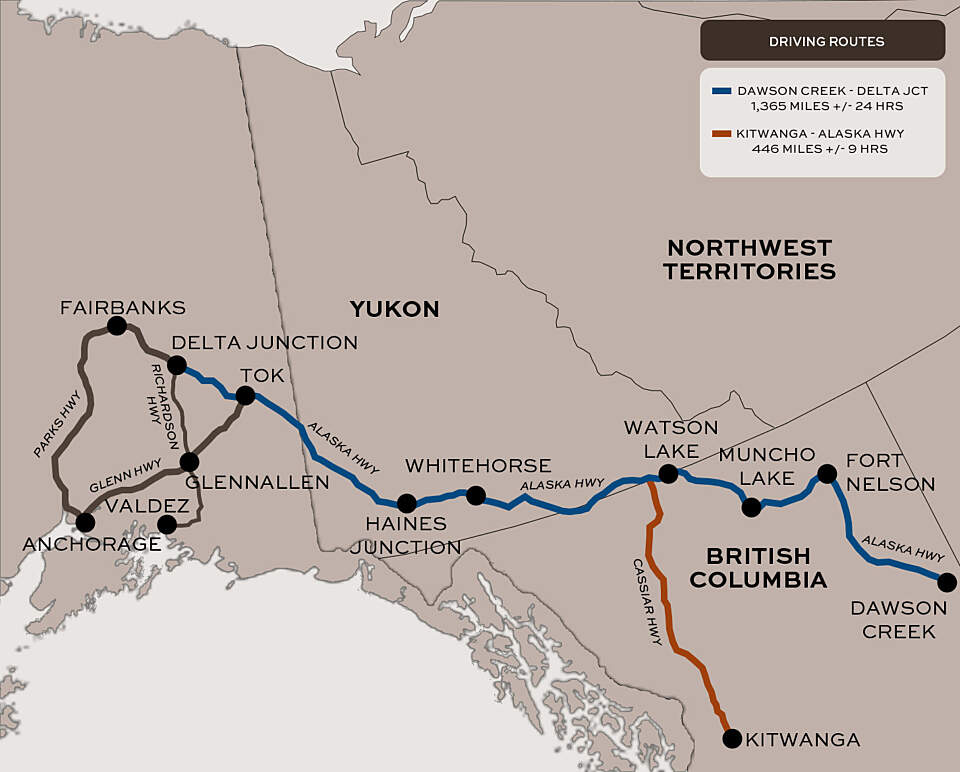
Geographically, Alaska is separated from the contiguous United States by Canada. This means any overland journey will inevitably involve an international border crossing and a significant drive through vast Canadian provinces and territories. The primary artery for this incredible trek is the renowned Alaska Highway, also famously known as the Alcan Highway. Constructed during World War II as a military supply route, it has since transformed into a bucket-list drive for adventurers seeking the raw beauty of the North.
The Alaska Highway begins in Dawson Creek, British Columbia, Canada, and stretches approximately 1,387 miles (2,232 kilometers) northwest, concluding in Delta Junction, Alaska. From Delta Junction, travelers can then continue to major Alaskan cities like Fairbanks or Anchorage via other state highways. While driving to Alaska is entirely possible and a profoundly rewarding experience, it is far more than just a drive; it is an expedition requiring careful preparation and an understanding of the unique challenges and wonders it presents.
Planning Your Epic Journey: Key Considerations
Successfully navigating the overland route to Alaska hinges on meticulous planning, from route selection to vehicle readiness and understanding border requirements.
Route Selection and Duration
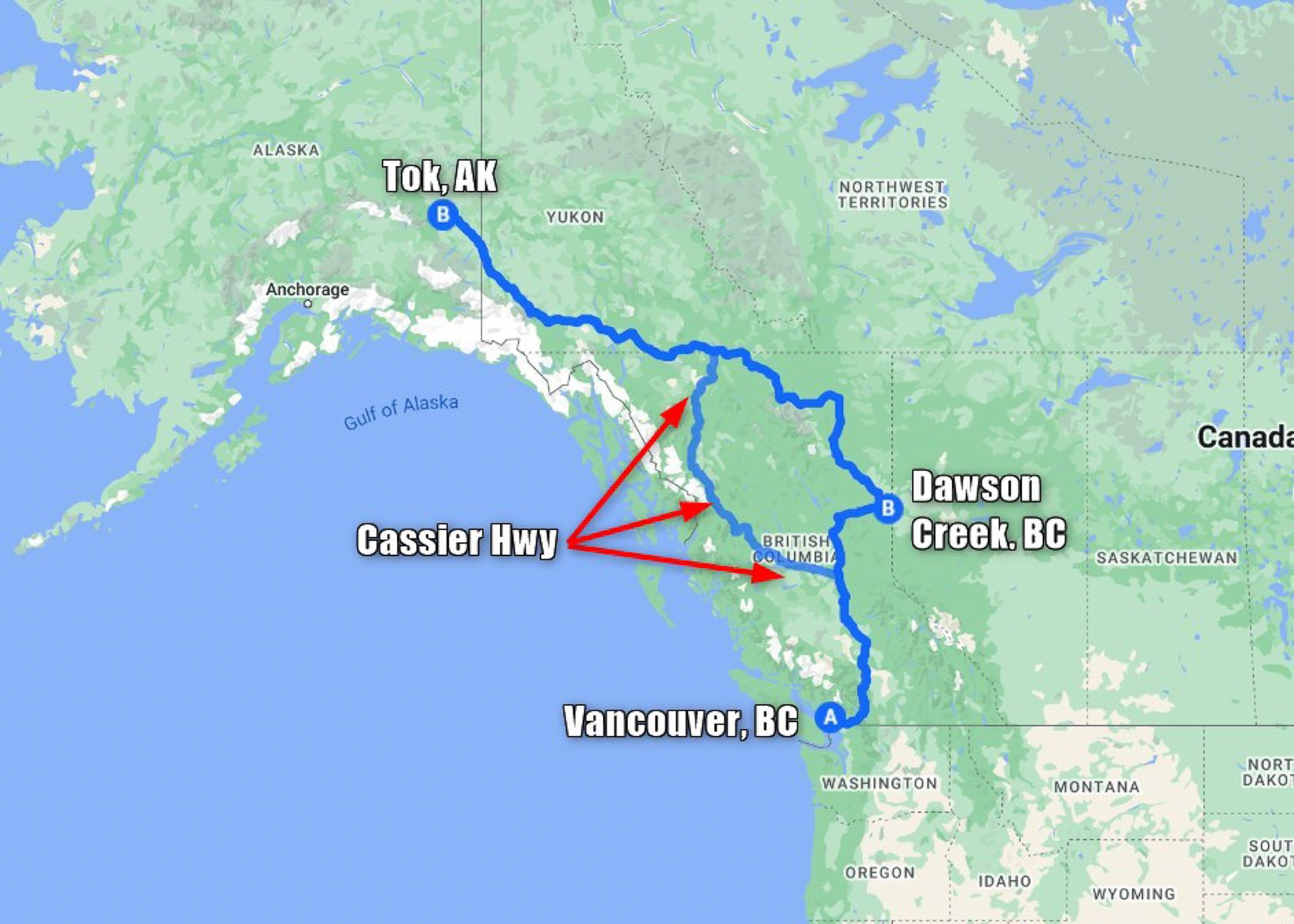
While the Alaska Highway is the most famous and well-traveled route, several options exist, each offering a distinct experience. Most travelers originating from the Lower 48 will drive north through Western Canada, primarily utilizing routes that lead to Dawson Creek.
- The Alaska Highway (Alcan Highway): This is the classic route, offering the most services and generally well-maintained roads. It’s an iconic journey through vast forests, mountains, and along scenic rivers.
- The Cassiar Highway (Highway 37): This alternative route branches off Highway 16 in British Columbia and runs northward, eventually connecting back to the Alaska Highway near Watson Lake, Yukon Territory. The Cassiar is often praised for its stunning, wilder scenery and fewer crowds but typically has fewer services and more unpaved sections.
The total driving distance from a central U.S. location (e.g., Seattle) to Anchorage can range from 3,000 to 5,000 miles (4,800 to 8,000 kilometers), depending on your starting point and chosen route. Most travelers allocate 7 to 14 days for the one-way trip, allowing for comfortable driving days, stops for sightseeing, and overnight stays. Pushing too hard can lead to exhaustion and missing out on the unique charm of the journey itself.
Border Crossings and Documentation
Crossing the U.S.-Canada border and then the Canada-Alaska border requires proper documentation. For U.S. citizens, a valid passport is essential. Additionally, you’ll need your vehicle’s registration, proof of insurance (it’s wise to contact your insurer to confirm coverage in Canada), and a valid driver’s license. Be aware of restrictions on certain items, such as firearms, specific food items, and excessive quantities of alcohol or tobacco. Always check the latest entry requirements for both countries well in advance of your trip, as regulations can change.
Vehicle Preparation
Your vehicle is your lifeline on this journey, especially given the remote stretches. A thorough inspection and tune-up by a trusted mechanic are paramount. Key areas to focus on include:
- Tires: Ensure they are in excellent condition, with good tread depth. A full-sized spare tire, a jack, and lug wrench are non-negotiable.
- Fluids and Filters: Check oil, coolant, brake fluid, and windshield washer fluid. Carry extra if space allows. Replace air and fuel filters.
- Brakes and Lights: Ensure they are fully functional.
- Emergency Kit: Pack a comprehensive kit including a first-aid kit, jumper cables, basic tools, extra fuses, a flashlight with spare batteries, non-perishable food and water, blankets, a reflective triangle or flares, and a small shovel.
- Communications: Cell service is sporadic to non-existent on large portions of the highway. Consider renting or purchasing a satellite phone or a SPOT device for emergency communication.
- Fuel: While services exist, distances between gas stations can be long. Consider carrying an extra fuel can, especially if you plan to explore side roads or the Cassiar Highway.
- Wildlife Preparedness: Bear spray (check Canadian regulations regarding import), a bear-resistant food container if camping, and knowledge of wildlife safety are important.
Navigating the Alaska Highway: What to Expect
The drive itself is an integral part of the Alaskan experience, offering a blend of challenges and rewards.
Road Conditions and Services
For the most part, the Alaska Highway is paved and well-maintained, especially during the peak summer months. However, be prepared for occasional gravel sections, construction zones, and frost heaves which can create significant bumps and potholes. Drive defensively and be mindful of changing road conditions. Services like gas stations, motels, and restaurants are available in towns along the route, but they can be spread out over hundreds of miles in some areas. Planning your stops and ensuring you have enough fuel and supplies to cover long stretches is crucial. Prices for fuel and amenities generally increase the further north you go.
Wildlife Encounters
One of the most thrilling aspects of the drive is the abundant wildlife. Moose, caribou, bears (both black and grizzly), bison, and a myriad of bird species like bald eagles are commonly sighted. While exciting, wildlife also poses a significant road hazard, especially at dawn, dusk, and night. Drive cautiously, adhere to speed limits, and be prepared to stop suddenly. Never approach or feed wild animals.
Scenery and Attractions Along the Way
The journey through British Columbia and the Yukon Territory is a continuous panorama of breathtaking landscapes. You’ll traverse the foothills of the Northern Rockies, skirt pristine lakes, cross roaring rivers, and wind through dense boreal forests. Notable stops and scenic highlights include:
- Milepost 0 in Dawson Creek: The official start of the Alaska Highway, marked by an iconic sign.
- Liard River Hot Springs Provincial Park: A natural oasis offering a soothing dip in thermal waters amidst the wilderness.
- Sign Post Forest in Watson Lake, Yukon Territory: A quirky collection of over 100,000 signs left by travelers from all over the world.
- Whitehorse, Yukon Territory: The capital of the Yukon, offering amenities, historical sites, and a chance to rest and resupply.
- Kluane National Park and Reserve: Home to Mount Logan, Canada’s highest peak, and expansive icefields.
The journey itself is the attraction, with countless opportunities for photography, short hikes, and simply soaking in the immense solitude and grandeur of the North.
The Best Time to Drive to Alaska
Timing your trip can significantly impact your experience, with each season presenting its own unique set of conditions.
Summer (June-August)
This is by far the most popular time to drive to Alaska. The advantages are numerous: long daylight hours (up to 20 hours in some areas), warmer temperatures, all services are open and operating, and road conditions are generally at their best. However, it’s also peak tourist season, meaning more traffic, higher prices for accommodations and services, and a need to book ahead, especially for popular spots.
Shoulder Seasons (May, September)
May and September offer a compelling alternative. In May, the landscape awakens with fresh greenery, and waterfalls are at their fullest from snowmelt. September brings stunning fall foliage, cooler temperatures, and fewer crowds. Services may start to reduce their hours or close in late September, and there’s a higher chance of encountering early snow or ice, particularly on higher elevations or the Cassiar Highway.
Winter (October-April)
Driving to Alaska in winter is an undertaking reserved for the most experienced and prepared drivers. Expect extreme cold, heavy snow, ice-covered roads, significantly reduced daylight hours, and very limited services. Vehicle preparation must be impeccable, including winter tires (studded are highly recommended), an engine block heater, and a comprehensive winter survival kit. While the aurora borealis can be spectacular, the challenges of winter driving should not be underestimated.

Reaching the Last Frontier: Arrival in Alaska
The moment you cross into Alaska is often met with a profound sense of accomplishment. The landscape subtly shifts, and the air of wilderness intensifies. From Delta Junction, the “End of the Alaska Highway”, you can head north to Fairbanks, the “Golden Heart City,” or south to Anchorage, Alaska’s largest city, which serves as a gateway to exploring the vast southern and coastal regions. Whether your final destination is a remote wilderness lodge, a bustling city, or the starting point for further adventures, the drive itself will have etched an indelible mark on your memory, proving that the journey can indeed be as breathtaking as the destination.
LifeOutOfTheBox is a participant in the Amazon Services LLC Associates Program, an affiliate advertising program designed to provide a means for sites to earn advertising fees by advertising and linking to Amazon.com. Amazon, the Amazon logo, AmazonSupply, and the AmazonSupply logo are trademarks of Amazon.com, Inc. or its affiliates. As an Amazon Associate we earn affiliate commissions from qualifying purchases.