
California, with its iconic coastline stretching thousands of miles, is a dream destination for travelers worldwide. From the bustling shores of Southern California to the rugged beauty of the North Coast, its beaches, surf breaks, and ocean-side attractions draw millions annually. However, behind this idyllic facade lies a geological reality: California is located within an active seismic zone, raising a crucial question for any prospective visitor: Can a tsunami hit California? The answer, unequivocally, is yes. While infrequent, the potential for a tsunami is a real consideration, and understanding this risk is essential for safe and informed travel planning.
Understanding California’s Tsunami Risk Profile
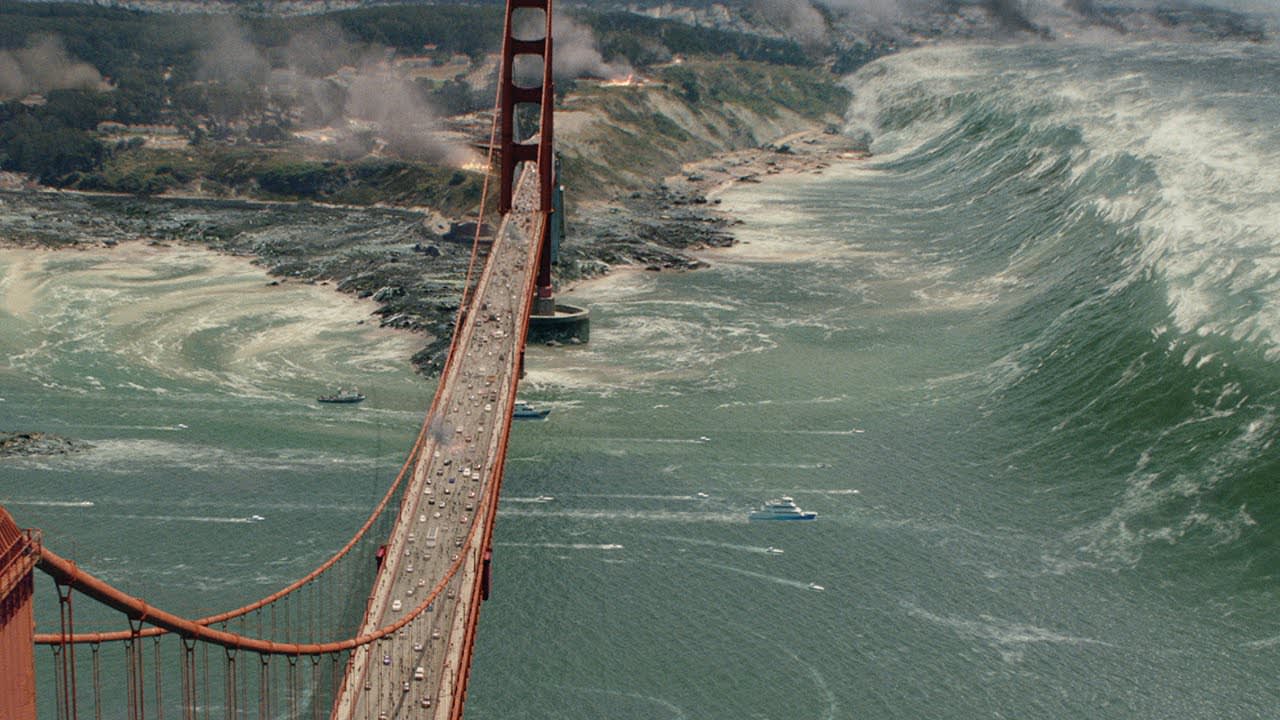
California’s geographical position and geological makeup place it at a distinct risk for tsunamis. This isn’t just theoretical; the state has experienced the effects of these powerful ocean waves multiple times in its history, though rarely on the scale of devastating events seen elsewhere in the world.
Geological Context and Plate Tectonics
The primary driver of tsunami risk for California is its proximity to the Pacific Ring of Fire, a horseshoe-shaped zone of frequent earthquakes and volcanic eruptions encircling the Pacific Ocean. The interaction of several major tectonic plates off the coast of North America creates the potential for significant seismic activity.
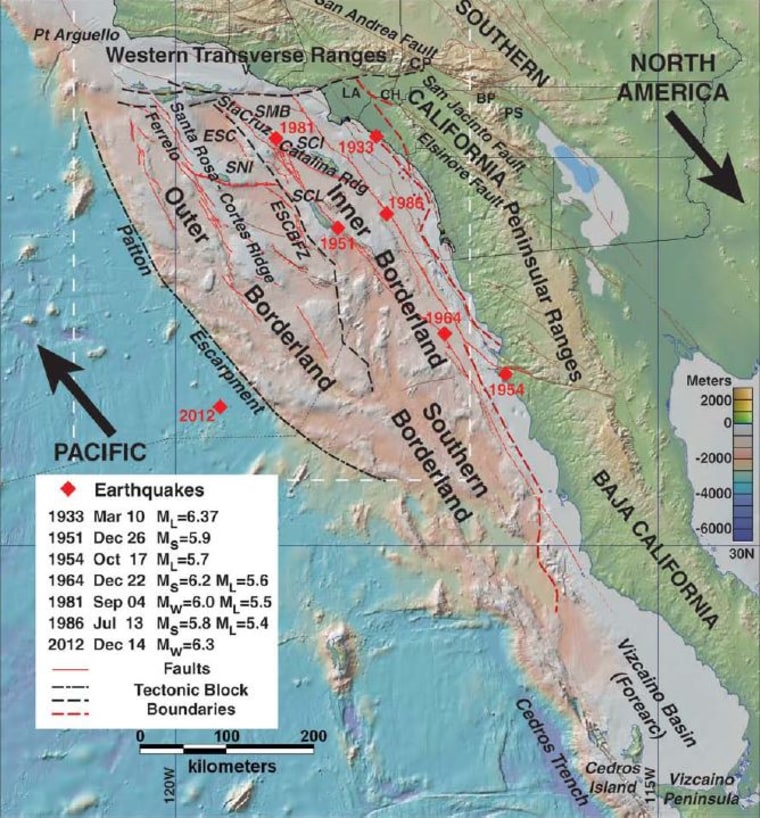
One of the most concerning features is the Cascadia Subduction Zone, a fault line stretching from northern California up to British Columbia. This zone is capable of producing “mega-thrust” earthquakes, which can vertically displace large volumes of seawater, generating powerful tsunamis that could reach the entire west coast of North America within minutes to hours. While the famous San Andreas Fault is a prominent seismic feature, it is primarily a strike-slip fault, meaning plates move horizontally past each other, making it less likely to generate large tsunamis directly. However, an earthquake on the San Andreas Fault could trigger underwater landslides, which are also a potential source of local tsunamis.
Historical Precedents
California has indeed felt the impact of tsunamis. The most significant historical event affecting California was the 1964 Great Alaska Earthquake (magnitude 9.2), which generated a trans-Pacific tsunami. This event caused significant damage and several fatalities in communities along the California coast, particularly in Crescent City, which was hit by multiple destructive waves.
More recently, the 2011 Tōhoku Earthquake and Tsunami in Japan also sent surges across the Pacific, resulting in significant harbor damage and coastal flooding in California, particularly in areas like Santa Cruz and Crescent City once again, where docks, boats, and infrastructure were heavily impacted. While no lives were lost in California from the 2011 event, it served as a stark reminder of the global reach of tsunamis. These events highlight that California faces threats from both distant-source tsunamis (generated thousands of miles away) and the lesser-known, but potentially more rapid and destructive, local-source tsunamis.
How Tsunamis Form and Their Impact on Coastal Regions
Understanding the mechanics of a tsunami is crucial for appreciating its potential impact and for traveler preparedness. Tsunamis are not typical ocean waves; they are often described as a series of powerful surges of water that can travel across entire oceans.
Seismic Activity and Underwater Landslides
The most common cause of tsunamis is a large underwater earthquake, specifically one that causes the vertical movement of the seafloor. When a segment of the seafloor abruptly moves up or down during an earthquake, it displaces the entire water column above it. This sudden displacement generates immense waves that propagate outward in all directions. Less commonly, but still significant for coastal areas, tsunamis can be triggered by large underwater landslides or even colossal volcanic eruptions, such as the 2022 Hunga Tonga-Hunga Ha’apai eruption, which generated a Pacific-wide tsunami. These local events can produce extremely rapid and devastating tsunamis that offer very little warning time for nearby coastlines.
The Physics of Tsunami Waves
In the deep ocean, tsunami waves can travel at speeds comparable to a jetliner (up to 500 mph or 800 km/h) and may only be a few feet high, making them imperceptible to ships. However, as these waves approach shallower coastal waters, their speed decreases dramatically, but their height increases rapidly due to the compression of energy. This phenomenon, known as “shoaling,” can transform a barely noticeable swell into a towering wall of water or, more commonly, a series of powerful, fast-moving surges that inundate coastal areas. The “run-up” refers to the maximum vertical height a tsunami wave reaches above sea level, and it can be far greater than the wave’s initial height at the shoreline, extending significant distances inland.
Vulnerable Coastal Areas in California
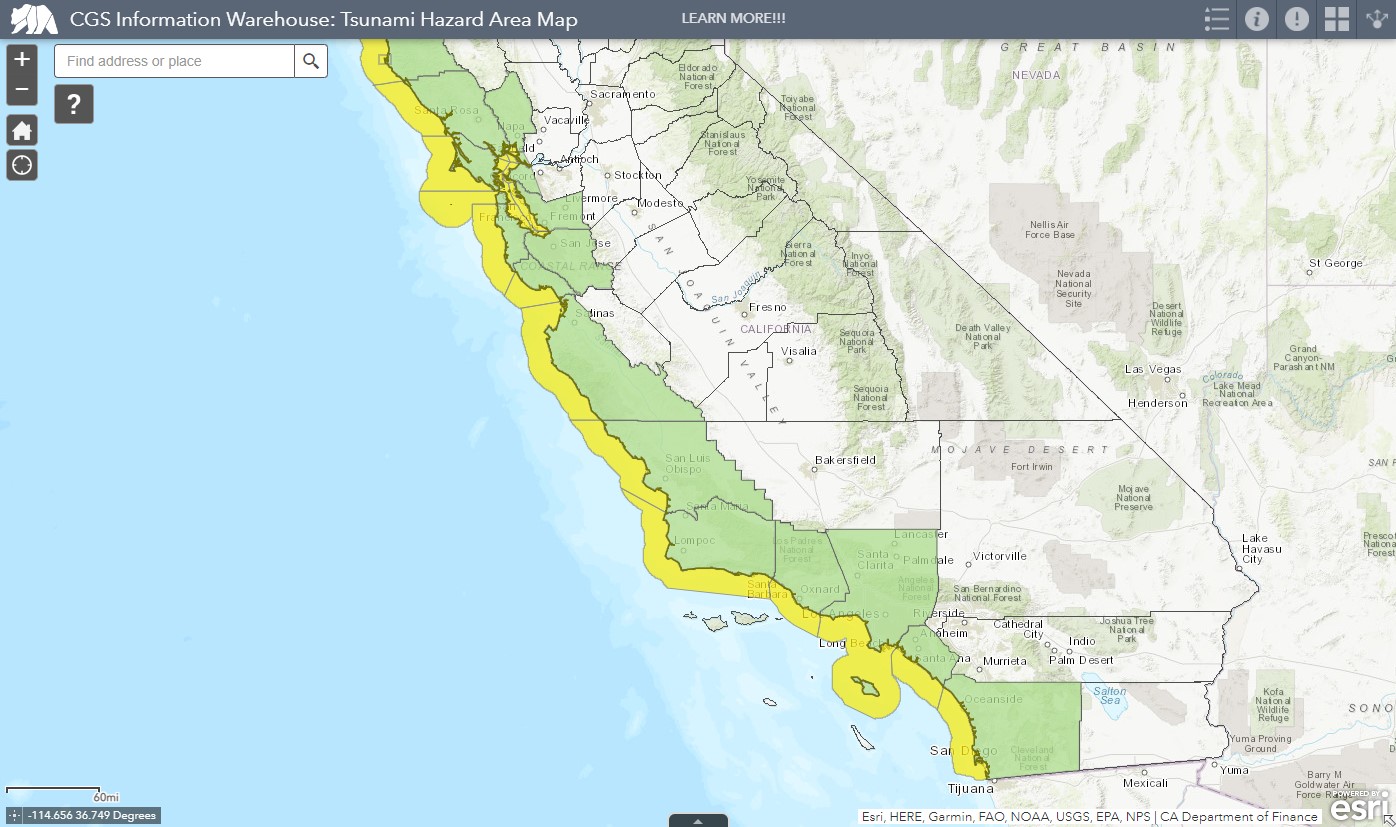
Nearly all of California’s coastal cities and communities are designated as tsunami hazard zones, though the degree of risk varies based on topography, harbor configurations, and offshore bathymetry.
Major population centers like San Francisco, Los Angeles, and San Diego are vulnerable, especially their low-lying waterfront areas, ports, and beaches. Areas with bays and inlets, such as Monterey Bay or Humboldt Bay, can experience amplified wave action due to wave reflection and resonance. The narrow canyons and steep cliffs characteristic of some parts of the California coast (like portions of Malibu) might seem safer, but even these areas can be impacted by powerful currents and debris, and low-lying access points remain at risk. Travelers visiting any coastal region in California should be aware of their immediate surroundings.
Preparedness and Safety for Travelers to California
For any traveler planning a trip to California, especially those drawn to its magnificent coastline, understanding preparedness measures is not about fear but about responsible and informed exploration.
Understanding Warning Systems
California benefits from a robust tsunami warning system. The National Oceanic and Atmospheric Administration (NOAA) operates the Pacific Tsunami Warning Center (PTWC) and the National Tsunami Warning Center (NTWC). These centers monitor seismic activity globally and issue alerts for distant-source tsunamis, providing hours of lead time in many cases. For local-source tsunamis, warnings might be issued within minutes.
Warnings are disseminated through various channels:
- Emergency Alert System (EAS): Broadcasts on radio and television.
- Wireless Emergency Alerts (WEA): Text messages sent to cell phones in affected areas.
- NOAA Weather Radio: Continuous broadcasts of weather and hazard information.
- Outdoor Sirens: Some coastal communities have sirens specifically for tsunami warnings.
- Local Authorities: Police, fire departments, and lifeguards will provide guidance.
As a traveler, it’s advisable to enable WEA on your phone and pay attention to local news and emergency services alerts, particularly if staying directly on the coast.
Evacuation Procedures and Routes
Most coastal communities in California have designated Tsunami Hazard Zones and clearly marked evacuation routes. These zones are typically low-lying areas vulnerable to inundation.
- Look for Blue Lines: Many coastal cities have painted blue lines on roads to indicate the maximum inland reach of a potential tsunami. If you are seaward of this line, you are in a hazard zone.
- Follow Signs: Tsunami evacuation route signs are posted along coastal roads, directing people to higher ground.
- Head Inland and Uphill: The safest action during a tsunami warning is to immediately move inland and to higher ground, preferably to an elevation of at least 100 feet (30 meters) above sea level. Do not wait for an official evacuation order if you feel a strong earthquake near the coast or witness unusual ocean behavior.
- Walk, Don’t Drive: Traffic congestion can hinder evacuation efforts. If possible, evacuate on foot.
Essential Safety Gear and Emergency Kits
While unlikely that a short-term traveler would carry a full emergency kit, awareness of crucial items is beneficial.
- “Go Bag” Essentials: If you’re on a road trip or staying for an extended period, consider a small bag with water, non-perishable food, a flashlight, a first-aid kit, copies of important documents, and any necessary medications.
- Sturdy Footwear: During an evacuation, you may encounter debris. Having closed-toe, sturdy shoes is far safer than sandals.
- Communication: A fully charged cell phone and a portable charger are invaluable.
Practical Steps During a Tsunami Warning
The most critical aspect of tsunami safety is rapid response.
- Strong Earthquake = Immediate Self-Evacuation: If you are on the coast and feel an earthquake strong enough to make it difficult to stand, or if it lasts for 20 seconds or more, do not wait for an official warning. Assume a tsunami could be generated and immediately move to higher ground.
- Unusual Ocean Behavior: A sudden draw-down of the ocean (exposing the seafloor) or a sudden rise in water level are natural signs of an approaching tsunami. Do not go to the shore to investigate; evacuate immediately.
- Stay Informed: Once you have evacuated, listen to local radio or official channels for updates. Do not return to the coast until authorities declare it safe. Tsunamis are often a series of waves, and the first wave may not be the largest or most destructive.
Planning Your California Travel with Tsunami Awareness
Integrating tsunami awareness into your travel plans doesn’t mean avoiding the California coast; it means making informed choices to enhance your safety and peace of mind.
Choosing Safe Accommodations
When booking coastal accommodations, consider their elevation and distance from the shore. Many hotels and resorts will be located outside designated Tsunami Hazard Zones. If you’re unsure, check the local emergency services website for tsunami inundation maps, or ask the hotel directly about their emergency preparedness plans. Higher floors in multi-story buildings within a hazard zone might offer some protection against smaller waves, but immediate evacuation to higher ground remains the safest course of action for any significant event.
Engaging in Coastal Activities Responsibly
Enjoying California’s beaches, surfing, and boating is a highlight for many travelers.
- Beach Visits: Always check current conditions and heed any warnings posted by lifeguards. If you feel an earthquake on the beach, move away from the water immediately.
- Surfing/Boating: If you are on the water and a tsunami warning is issued, do not return to shore. Instead, head to deep water (at least 100 feet deep) as quickly as possible. Tsunamis are much less dangerous in deep water. If you cannot reach deep water, abandon your vessel and seek higher ground.
- Avoid Storm Drains and Rivers: Coastal rivers and storm drains can funnel tsunami waters far inland. Stay clear of these areas during an event.
Resources for Real-time Information
Before and during your trip, leverage official resources:
- California Office of Emergency Services (CalOES): Their website provides comprehensive information, including tsunami preparedness guides and links to local resources.
- County and City Emergency Management Websites: Most coastal counties and cities publish detailed tsunami inundation maps and evacuation plans specific to their areas. A quick search for “[City Name] Tsunami Evacuation Map” can be very helpful.
- NOAA Tsunami Program: Offers national and international tsunami information.
By integrating this awareness into your travel itinerary, you can fully embrace the beauty and excitement of California’s coastline with an added layer of confidence and readiness, ensuring a memorable and safe experience.
LifeOutOfTheBox is a participant in the Amazon Services LLC Associates Program, an affiliate advertising program designed to provide a means for sites to earn advertising fees by advertising and linking to Amazon.com. Amazon, the Amazon logo, AmazonSupply, and the AmazonSupply logo are trademarks of Amazon.com, Inc. or its affiliates. As an Amazon Associate we earn affiliate commissions from qualifying purchases.