
Navigating the distance between New York City and the diverse landscapes of New Jersey is a common query for travelers, commuters, and those looking to explore the vibrant tapestry of the Tri-State Area. While seemingly adjacent, the exact “how far” depends on your starting point within the sprawling metropolis of New York and your chosen destination within the Garden State. This guide delves into the various distances, travel times, and considerations for traversing this frequently traveled corridor, focusing on making informed decisions for your journey.
Understanding the Geographic Proximity
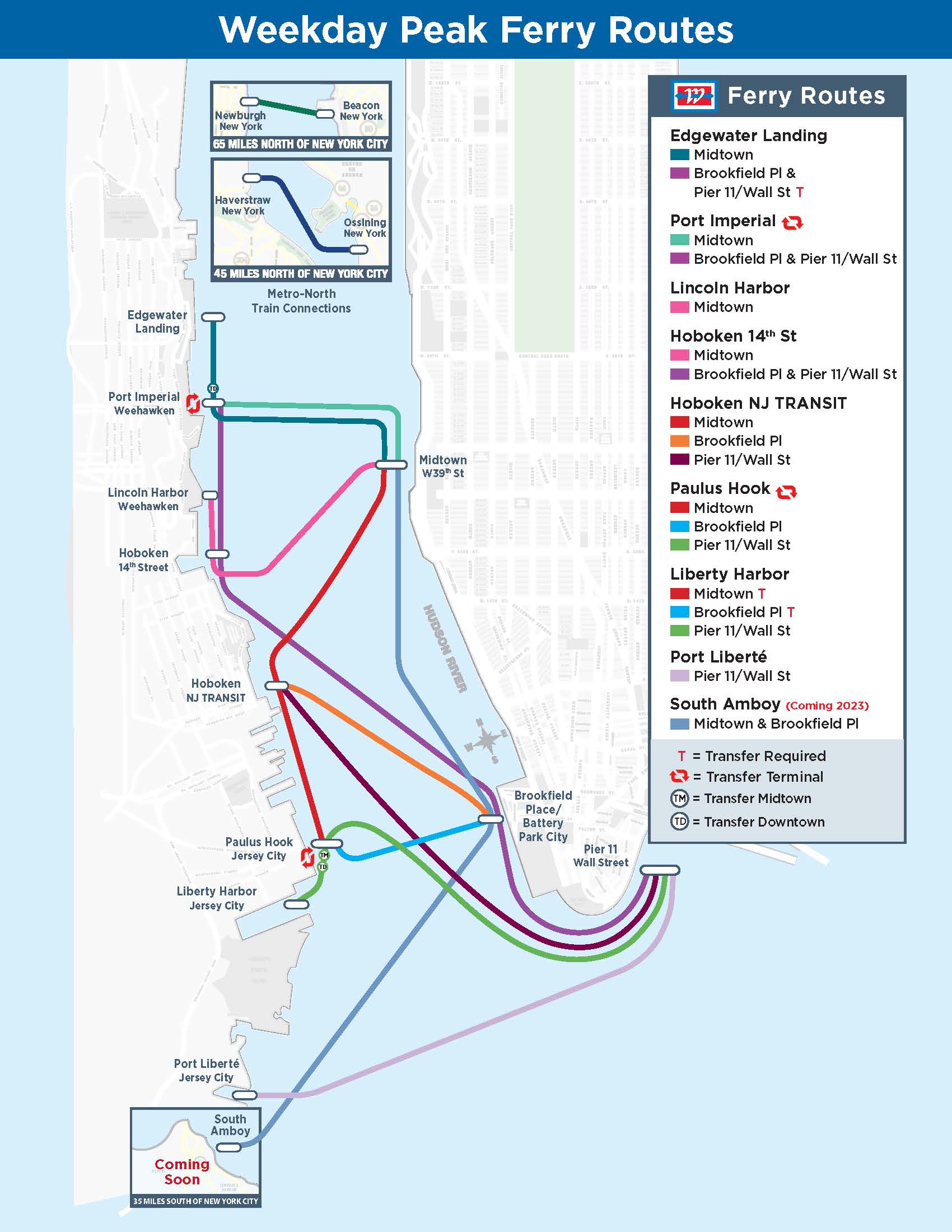
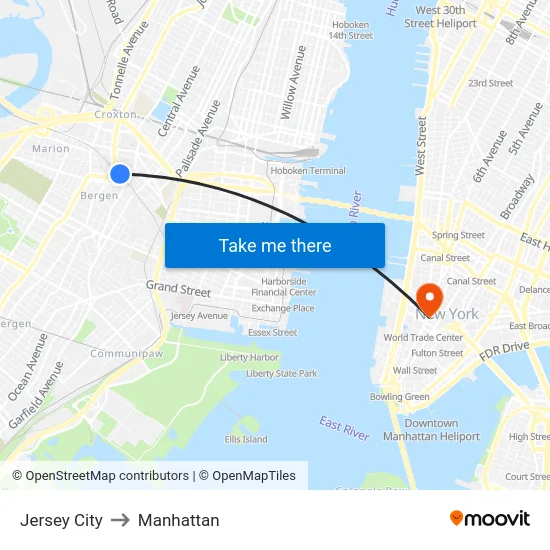
The physical separation between New York and New Jersey is surprisingly varied. The most direct routes often involve crossing the iconic Hudson River. From Manhattan, the distance to the closest parts of New Jersey—primarily Jersey City and Hoboken—is mere miles. These urban centers are essentially extensions of the metropolitan area, sharing a dense population and an interconnected infrastructure.
Manhattan to Northern New Jersey (Urban Centers)
- Distance: Approximately 5-15 miles from Midtown Manhattan to the Hudson River waterfront cities.
- Travel Time (Car): This can range from 15 minutes during off-peak hours to over an hour during the notorious New York City rush hour. Traffic congestion, especially on bridges like the George Washington Bridge or tunnels like the Lincoln Tunnel and Holland Tunnel, is a significant factor.
- Travel Time (Public Transit): The PATH train system offers a remarkably efficient and often faster alternative. Commutes from stations like World Trade Center or Midtown Manhattan to Hoboken or Jersey City typically take between 10-30 minutes, excluding wait times. Ferries also provide scenic and timely crossings, especially from Manhattan’s West Side to various New Jersey waterfront communities.
Manhattan to Central and Southern New Jersey
As you move further into New Jersey, the distances increase substantially. Traveling to areas like Newark, Princeton, or the popular shore towns along the Jersey Shore requires covering more ground.
-
Manhattan to Newark:
- Distance: Approximately 15-25 miles.
- Travel Time (Car): 30 minutes to 1.5 hours, heavily dependent on traffic.
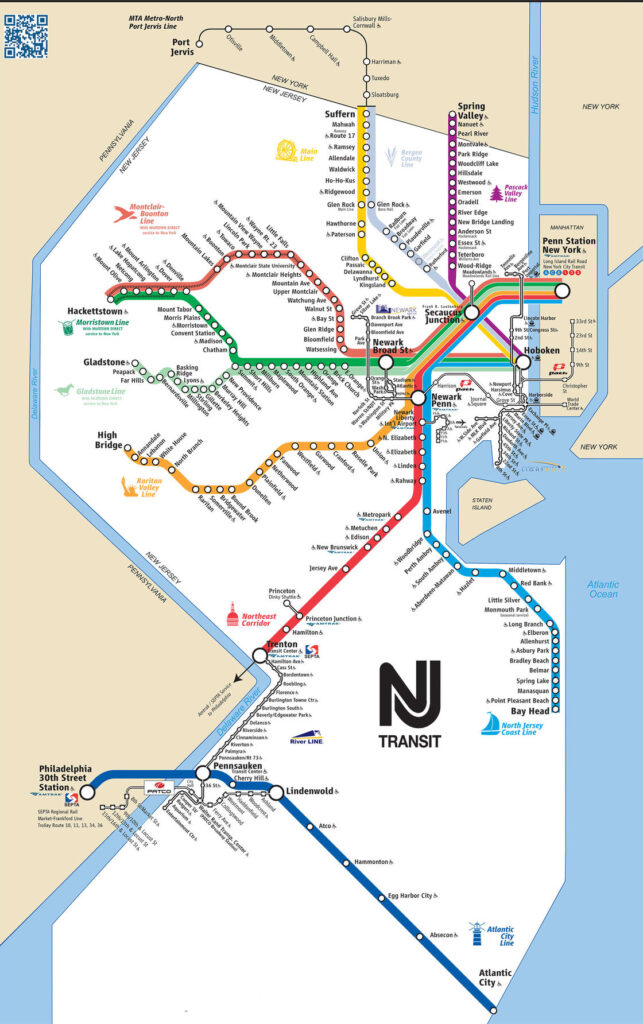
- Travel Time (Public Transit): Amtrak and NJ Transit trains offer direct services from Penn Station in Manhattan to Newark Penn Station in under 20 minutes, excluding station navigation and waiting. This is an exceptionally fast and reliable option.
-
Manhattan to Princeton:
- Distance: Approximately 50-60 miles.
- Travel Time (Car): 1 to 1.5 hours without significant traffic.
- Travel Time (Public Transit): This typically involves a combination of NJ Transit trains from Penn Station to stations like Princeton Junction, followed by a short connecting train (the “Dinky”) or bus service into the heart of Princeton. The total journey can take around 1.5 to 2 hours.
-
Manhattan to the Jersey Shore (e.g., Atlantic City, Cape May):
- Distance: 120-150 miles or more, depending on the specific town.
- Travel Time (Car): Expect 2.5 to 4 hours, particularly during peak summer travel or holiday weekends, when traffic can be exceptionally heavy on routes like the Garden State Parkway.
- Travel Time (Public Transit): NJ Transit operates bus services and some train routes, though these are often less direct and significantly longer than driving. For example, bus routes from Port Authority Bus Terminal to Atlantic City can take 3 to 4 hours.
Factors Influencing Travel Time and Distance
Several key variables determine the “how far” in terms of both physical distance and the time it takes to cover it:
Mode of Transportation
The choice of transport is perhaps the most critical factor.
- Automobile: Offers flexibility but is highly susceptible to traffic. Tolls on bridges and tunnels can add to the cost. Parking in New York and many New Jersey urban centers can be expensive.
- Public Transit (Trains & Buses): Often the most efficient and cost-effective way to travel between major hubs. NJ Transit and Amtrak are the primary rail operators, while Port Authority Bus Terminal and other regional operators manage bus services. The PATH system is integral for cross-river commuting to immediate New Jersey neighbors.
- Ferries: A scenic and often swift option for specific routes, particularly from Manhattan’s West Side to waterfront communities like Hoboken and Jersey City.
- Ride-Sharing Services (Uber/Lyft): Provide convenience but can be costly for longer distances and are subject to the same traffic conditions as private vehicles.
Time of Day and Day of Week
This cannot be overstated when discussing travel in the New York metropolitan area.
- Rush Hour (Weekdays): Typically 6 AM to 10 AM and 3 PM to 7 PM. Travel times can easily double or triple during these periods, especially when crossing major arteries or entering/exiting New York City.
- Weekends and Holidays: While generally less congested than weekday rush hours, popular destinations like the Jersey Shore can experience significant outbound traffic on Friday afternoons and inbound traffic on Sunday evenings. Major holidays also see increased travel volumes.
- Off-Peak Hours: Traveling mid-morning, mid-afternoon, or late at night on weekdays will generally result in the quickest and most predictable journey times.
Specific Start and End Points
The vastness of both New York City (comprising five boroughs) and New Jersey (21 counties) means that “New York to New Jersey” is a broad generalization.
- Uptown Manhattan to Fort Lee, New Jersey: Closer than Downtown Manhattan to the same point, utilizing the George Washington Bridge.
- Lower Manhattan to Atlantic City: A considerable journey requiring significant travel time, regardless of the mode of transport.
- Queens, New York to Elizabeth, New Jersey: Requires navigating different bridge and tunnel options compared to Manhattan departures.
Popular Routes and Their Distances
To provide a clearer picture, let’s consider some of the most common travel scenarios:
The Urban Commute: Manhattan to Jersey City / Hoboken
This is the shortest and most frequent inter-state journey.
-
Via PATH Train:
- Distance: Minimal, as the PATH tunnels under the Hudson River.
- Time: 10-30 minutes from station to station.
- Pros: Predictable, avoids road traffic, affordable.
- Cons: Can be crowded, limited to PATH station locations.
-
Via Car (e.g., Lincoln Tunnel):
- Distance: ~7 miles from Midtown Manhattan to the New Jersey entrance of the tunnel.
- Time: 15 minutes (off-peak) to 60+ minutes (peak).
- Pros: Door-to-door convenience (if parking is available).
- Cons: Subject to heavy tolls and extreme traffic delays.
-
Via Ferry:
- Distance: Across the Hudson River.
- Time: 10-20 minutes.
- Pros: Scenic, avoids traffic, pleasant experience.
- Cons: Limited to ferry terminal locations and schedules.
The Business & Academic Trip: Manhattan to Newark or Princeton
These destinations serve important business, academic, and transportation hubs.
-
Manhattan to Newark (e.g., for Newark Liberty International Airport):
- Via NJ Transit/Amtrak:
- Distance: ~15 miles.
- Time: ~20 minutes train ride.
- Pros: Fast, direct, reliable to Newark Penn Station. Access to the airport via the AirTrain from Newark Penn Station.
- Via Car:
- Distance: ~15 miles.
- Time: 30 minutes to 1.5 hours.
- Pros: Direct access to any point in Newark.
- Cons: Traffic, tolls.
- Via NJ Transit/Amtrak:
-
Manhattan to Princeton:
- Via NJ Transit (combined):
- Distance: ~50 miles.
- Time: 1.5 – 2 hours.
- Pros: Connects directly to the university town.
- Cons: Requires a transfer, can be a longer journey.
- Via Car:
- Distance: ~50 miles.
- Time: 1 – 1.5 hours (off-peak).
- Pros: Direct travel.
- Cons: Potential for traffic, especially on routes like the New Jersey Turnpike.
- Via NJ Transit (combined):
The Leisure Excursion: Manhattan to the Jersey Shore
A popular destination for summer vacations and day trips.
-
Manhattan to Atlantic City:
- Via Car:
- Distance: ~130 miles.
- Time: 2.5 – 4 hours (highly variable with traffic).
- Pros: Flexibility to explore various casinos and attractions.
- Cons: Significant driving time, tolls on the Atlantic City Expressway.
- Via Bus:
- Distance: ~130 miles.
- Time: 3 – 4 hours.
- Pros: Allows relaxation during the journey, often more economical than driving and parking.
- Cons: Longer travel time, fixed schedules.
- Via Car:
-
Manhattan to Cape May (Southernmost point):
- Via Car:
- Distance: ~150 miles.
- Time: 3 – 4.5 hours.
- Pros: Scenic coastal drive once you reach the southern part of the state.
- Cons: Longest driving distance and potentially longest travel time from New York City.
- Via Public Transit:
- Options are limited and involve multiple transfers, making it a very time-consuming endeavor, often exceeding 5-6 hours.
- Via Car:
Planning Your Journey
Understanding the distances and travel times is the first step. To truly answer “How far New York to New Jersey?” for your specific needs, consider these planning tips:
- Define Your Destination: Know the precise town or city in New Jersey you are traveling to.
- Identify Your Starting Point: Specify your location within New York City (e.g., Upper East Side, Financial District).
- Choose Your Mode of Transport Wisely: Weigh the pros and cons of driving, trains, buses, or ferries based on time, cost, and convenience.
- Consult Real-Time Traffic and Transit Apps: Use services like Google Maps, Waze, or the transit apps for NJ Transit and MTA to get the most up-to-date travel estimates.
- Factor in Buffer Time: Always add extra time for unexpected delays, traffic jams, or finding parking. This is especially crucial for time-sensitive trips like catching flights at Newark Liberty International Airport.
In conclusion, the distance from New York to New Jersey is not a single, fixed number. It’s a dynamic range that shifts based on your specific locations, chosen route, and the ever-present influence of traffic and transit schedules. By understanding these variables, you can better plan your travels across this bustling and interconnected region.
LifeOutOfTheBox is a participant in the Amazon Services LLC Associates Program, an affiliate advertising program designed to provide a means for sites to earn advertising fees by advertising and linking to Amazon.com. Amazon, the Amazon logo, AmazonSupply, and the AmazonSupply logo are trademarks of Amazon.com, Inc. or its affiliates. As an Amazon Associate we earn affiliate commissions from qualifying purchases.