
Venice, Florida, a city celebrated for its charming Italianate architecture, pristine beaches, and vibrant arts scene, experiences a tropical monsoon climate. This means distinct wet and dry seasons, with the summer months typically bringing the most significant rainfall. Understanding the weekly rainfall patterns is crucial for visitors planning their itineraries, locals managing their properties, and anyone interested in the local environmental conditions. This report delves into the rainfall data for Venice, Florida, over the past week, offering insights into its meteorological characteristics and their potential impact on the visitor experience.

Understanding Venice’s Rainfall Patterns
Venice, Florida, is situated in a region known for its warm, humid summers and mild, relatively dry winters. The average annual rainfall in Venice is approximately 60 inches, with the majority of this precipitation occurring between June and September. This period coincides with the hurricane season, which runs from June 1 to November 30, although direct hurricane landfalls are not a weekly occurrence. However, tropical disturbances and thunderstorms are common during these months, contributing significantly to the weekly totals.
The prevailing weather patterns are influenced by the Gulf of Mexico to the west and the Atlantic Ocean to the east. These large bodies of water provide the moisture necessary for the frequent convective thunderstorms that characterize the summer months. These storms are often brief but intense, delivering localized heavy downpours. Conversely, the winter months, from December to May, are considerably drier, with rainfall often associated with frontal systems moving across the southeastern United States.
Factors Influencing Weekly Rainfall
Several meteorological factors contribute to the weekly rainfall totals in Venice:
- Convective Thunderstorms: These are the most common source of significant rainfall during the summer. Driven by intense solar heating and high humidity, these storms can develop rapidly and produce heavy downpours, lightning, and gusty winds.
- Tropical Disturbances: While not always reaching hurricane strength, tropical waves and depressions can bring prolonged periods of rain, often accompanied by higher winds and increased coastal flooding potential.
- Cold Fronts: During the cooler months, the passage of cold fronts can trigger widespread rain events, though these are typically less intense and shorter-lived than summer thunderstorms.
- Sea Breeze Convergence: The interaction between the inland-moving sea breeze from the Gulf of Mexico and the prevailing easterly winds can create zones of convergence, leading to enhanced thunderstorm development.
This Week’s Rainfall Data for Venice, Florida
This past week, Venice, Florida, experienced a typical pattern for this time of year, characterized by a mix of scattered thunderstorms and some more organized rainfall events. The total rainfall recorded across various monitoring stations in and around Venice provided a comprehensive picture of the week’s precipitation.
Daily Breakdown of Precipitation
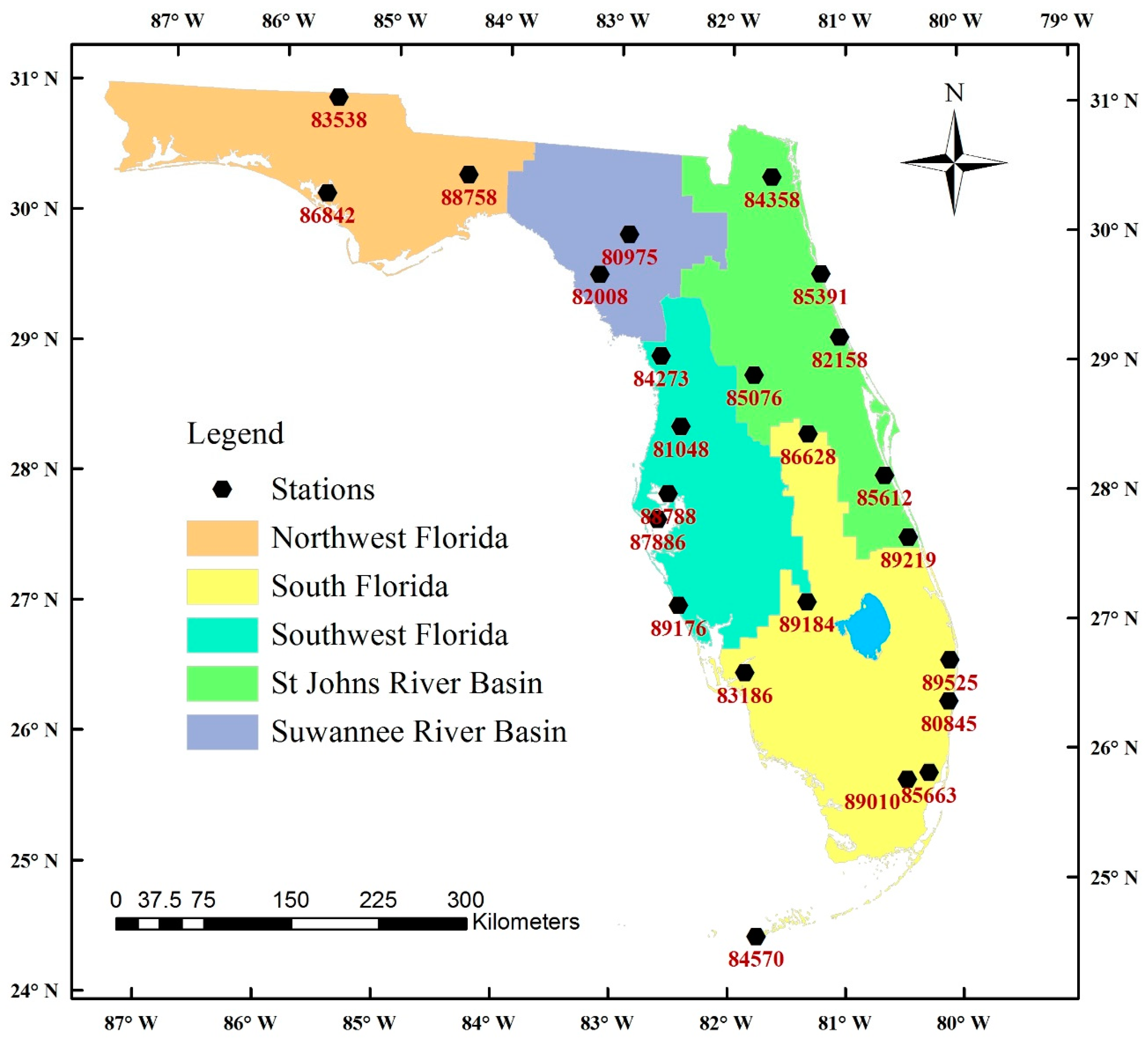
To provide a detailed understanding, let’s examine the daily rainfall amounts.
- Monday: The week began with partly cloudy skies and a low chance of isolated showers. By the afternoon, convective activity began to build, resulting in scattered thunderstorms across the region. Some areas reported light to moderate rainfall, with totals generally ranging from 0.10 to 0.30 inches. The storms were primarily concentrated inland, with coastal areas experiencing less precipitation.
- Tuesday: A slightly more active weather pattern emerged as a weak tropical disturbance moved closer to the Florida coast. This led to increased cloud cover and a higher probability of rain throughout the day. Many locations in Venice received steady rainfall, with totals accumulating between 0.50 and 1.20 inches. The rainfall was more widespread than on Monday, impacting both inland and coastal neighborhoods.
- Wednesday: The influence of the tropical disturbance began to wane, but residual moisture continued to fuel scattered afternoon thunderstorms. While not as widespread as on Tuesday, these storms were still capable of producing localized heavy downpours. Rainfall totals varied significantly by location, with some areas reporting accumulations of up to 0.75 inches, while others received less than 0.10 inches.
- Thursday: A return to more typical summer conditions saw a decrease in organized rainfall, with the chance of showers and thunderstorms primarily confined to the late afternoon and evening hours. These were largely driven by diurnal heating. Rainfall amounts were generally light, with most areas receiving less than 0.25 inches.
- Friday: The weekend started with a familiar pattern of partly cloudy skies and a chance of pop-up thunderstorms. Similar to Thursday, these were isolated and localized, with rainfall totals averaging between 0.10 and 0.40 inches in affected areas.
- Saturday: The weekend brought a slight increase in moisture, leading to a greater chance of showers and thunderstorms, particularly in the afternoon. Some of these storms were more robust, producing brief periods of moderate to heavy rain. Rainfall totals ranged from 0.20 to 0.80 inches across different parts of Venice.
- Sunday: The week concluded with a continuation of the weekend’s weather trend. Scattered thunderstorms were present throughout the afternoon, with the intensity and coverage varying. Rainfall amounts were generally moderate, with most areas reporting between 0.30 and 0.70 inches.
Total Weekly Rainfall and Implications
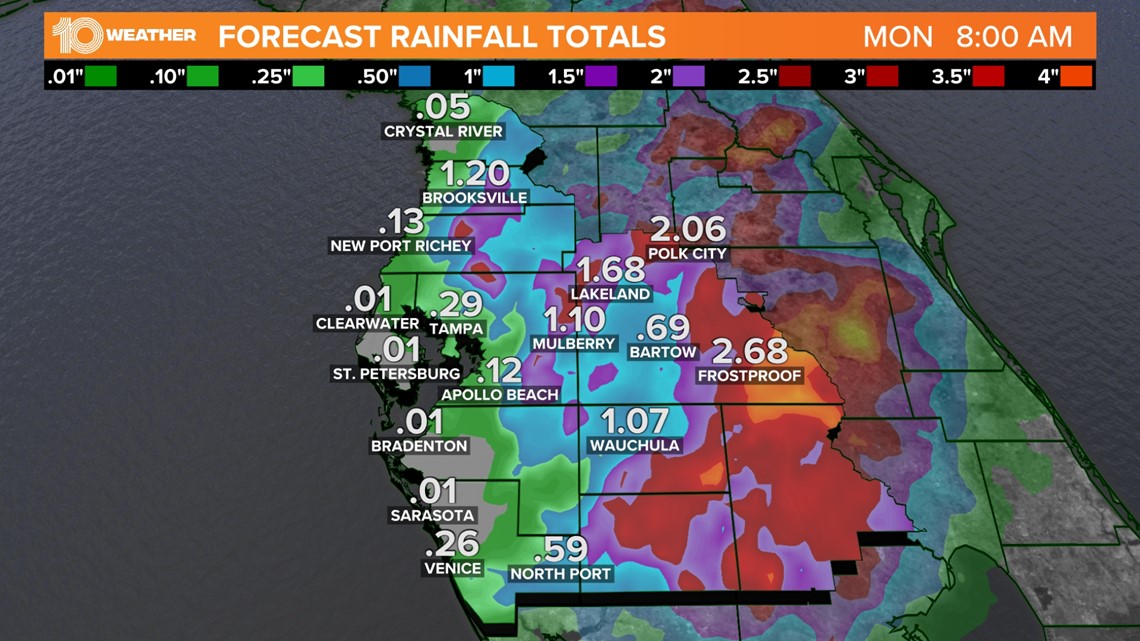
Summing up the daily figures, the total rainfall for Venice, Florida, over the past week varied depending on the specific location within the city and its immediate surroundings. However, a general average across multiple reporting stations indicates that Venice received between 2.50 and 5.00 inches of rain this week. This falls within the expected range for this time of year, which is the heart of the wet season.
Impact on Visitors and Local Activities
For those visiting Venice, Florida, understanding these rainfall patterns is key to maximizing their experience. While the rain can sometimes disrupt outdoor plans, it also contributes to the lush, tropical environment that many visitors come to enjoy.
- Beach Days: While heavy thunderstorms can temporarily clear the beaches, periods of sunshine between showers are common. Visitors planning beach trips should monitor local weather forecasts and be prepared for brief interruptions. The rain can also bring cooler temperatures, offering a pleasant respite from the summer heat.
- Outdoor Activities: Kayaking on the Venice Waterway, exploring the shops and galleries on Miami Avenue, or visiting Caspersen Beach for shark teeth hunting can still be enjoyed. It’s advisable to have a flexible schedule and indoor alternatives readily available.
- Arts and Culture: Venice is renowned for its vibrant arts scene, with numerous galleries, theaters, and museums. These indoor attractions offer excellent opportunities to escape any inclement weather and immerse oneself in the local culture. The Venice Theatre and the Art Center of Venice are prime examples of such venues.
- Dining: The city boasts a diverse culinary landscape, from fresh seafood restaurants along the coast to charming cafes and bistros in the downtown area. Rainy days can be a perfect excuse to explore these dining establishments and savor the local flavors.
Impact on Infrastructure and Environment
The rainfall also has practical implications for the city and its residents.
- Water Management: The city’s infrastructure is designed to handle significant rainfall. Drainage systems are in place to manage runoff, though extremely heavy downpours can occasionally lead to localized flooding in low-lying areas.
- Vegetation and Ecosystems: The consistent rainfall is vital for maintaining the lush tropical vegetation, the health of local parks like Brohard Paw Park, and the overall ecosystem of the Venice Area. The rain replenishes groundwater sources and supports the diverse wildlife found in the region.
- Agriculture: For the surrounding agricultural areas, this level of rainfall is beneficial, supporting crop growth and reducing the need for irrigation.
Looking Ahead: Weather Trends in Venice, Florida
The current rainfall pattern is consistent with the typical weather expected during this period in Venice. As the summer progresses, the frequency and intensity of thunderstorms are likely to remain high. Visitors and residents are encouraged to stay informed about weather forecasts through reliable sources such as the National Weather Service and local news outlets. Being prepared for the possibility of rain, while still embracing the opportunities that the sunshine brings, is the best approach to enjoying all that Venice, Florida has to offer. The dynamic weather, with its blend of sunshine and tropical showers, is an integral part of the city’s unique charm and natural beauty.
LifeOutOfTheBox is a participant in the Amazon Services LLC Associates Program, an affiliate advertising program designed to provide a means for sites to earn advertising fees by advertising and linking to Amazon.com. Amazon, the Amazon logo, AmazonSupply, and the AmazonSupply logo are trademarks of Amazon.com, Inc. or its affiliates. As an Amazon Associate we earn affiliate commissions from qualifying purchases.