
The allure of the Northern Lights, or Aurora Borealis, draws countless travelers to the far reaches of the globe, including the vast wilderness of Alaska. However, the dream of witnessing this celestial ballet in July in Alaska is, unfortunately, a challenging one to realize. While the aurora itself doesn’t take a summer vacation, the unique phenomenon of Alaska’s Midnight Sun during the summer months renders the majestic light show virtually invisible to the human eye. Understanding the science behind the aurora and the specific conditions required for its visibility is key to managing expectations and planning an unforgettable Alaskan adventure, whether it includes aurora chasing or embracing the abundant daylight.
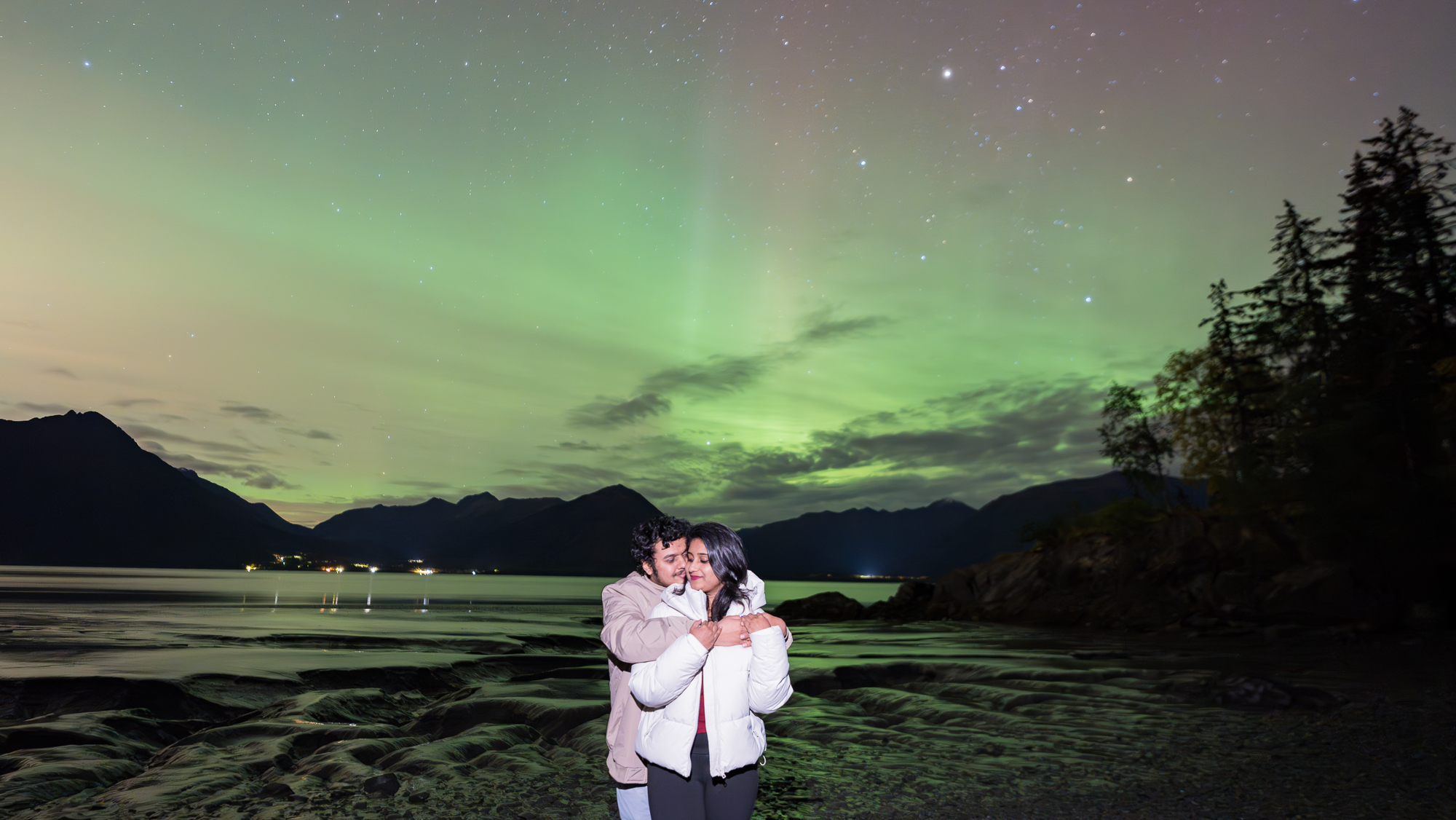
The Indispensable Role of Darkness for Aurora Visibility
At its core, the Aurora Borealis is a spectacular natural light display caused by collisions between electrically charged particles from the sun and gaseous particles in the Earth’s atmosphere. These collisions emit light of varying colors, creating the vibrant reds, greens, blues, and purples that dance across the night sky. For humans on Earth to see these relatively faint emissions, a crucial ingredient is absolute darkness. Any significant light pollution, be it from urban centers or, more powerfully, from the sun itself, will effectively wash out the aurora, making it imperceptible.
The Earth’s axial tilt is responsible for the dramatic seasonal variations in daylight hours at higher latitudes. During the summer months in the Northern Hemisphere, regions like Alaska tilt towards the sun. This orientation leads to exceptionally long days and very short, or non-existent, nights. While solar activity, which fuels the aurora, occurs year-round, the continuous daylight effectively blinds observers to its presence. Even if a powerful geomagnetic storm were to ignite an exceptionally bright display in July, the persistent twilight or daylight would likely prevent anyone from seeing it with the naked eye. Photographic equipment with long exposures might capture faint hints, but the experience of seeing the aurora dance vividly across a dark sky is simply not possible.
Alaska’s Midnight Sun: The Aurora’s Summer Adversary
Alaska’s position as the northernmost state in the United States places much of its landmass within or very close to the Arctic Circle. This geographical reality dictates extreme seasonal light variations. In July, the state is bathed in the glow of the Midnight Sun, where the sun either never fully sets or dips below the horizon for only a very brief period, resulting in perpetual twilight rather than true darkness.
Consider cities like Fairbanks, often touted as one of the best places in the United States to see the aurora during winter. In July, Fairbanks experiences nearly 24 hours of daylight, with civil twilight lasting through the “night.” Further north, in places like Utqiaġvik (formerly Barrow), the sun doesn’t set at all for several months. Even in more southerly Alaskan cities like Anchorage, the longest day of the year around the summer solstice (June 20-21) brings well over 19 hours of direct daylight, with several more hours of twilight. By July, while the days are slowly shortening, there is still insufficient darkness for the aurora to become visible.
This constant illumination means that regardless of how strong the solar activity might be, the sky remains too bright for the human eye to perceive the relatively faint glow of the aurora. Therefore, if seeing the Northern Lights is the primary goal of your trip to Alaska, July is unequivocally the wrong time to visit.
The Optimal Season for Northern Lights Viewing in Alaska
To witness the magical dance of the Aurora Borealis in Alaska, timing is everything. The prime viewing season generally stretches from late August through mid-April, aligning with the periods of extended darkness necessary for visibility.
Ideal Months for Aurora Chasing
- August and September: These months offer a transition from summer’s endless daylight to increasing hours of darkness. Late August, particularly from the third week onwards, can provide excellent viewing opportunities, especially if you venture away from city lights. September is often considered a sweet spot, as the nights are long enough, but temperatures are not yet at their winter extremes, and roads are typically still clear. The fall equinox (around September 22) often correlates with increased geomagnetic activity, making it a potentially fruitful time.
- October to March: This is the heart of Alaska’s aurora season. The nights are at their longest, and the chances of clear, dark skies are generally higher, especially in interior Alaska. However, temperatures can plummet significantly, requiring robust cold-weather gear.
- April: Similar to late August/early September, April offers a fading window of opportunity before the daylight hours become too dominant. Early April can still yield spectacular displays, particularly in the first half of the month.
Top Locations for Aurora Viewing
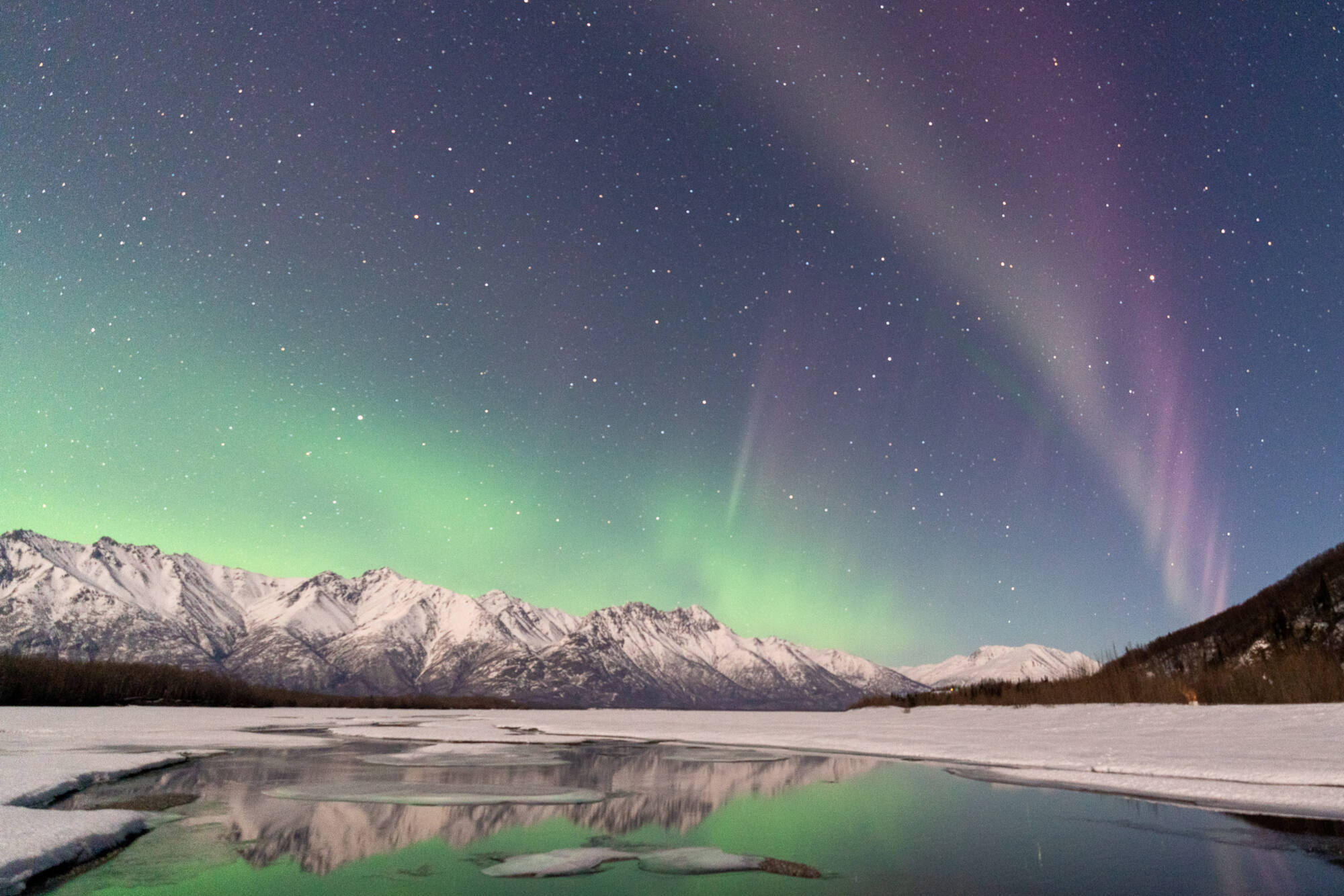
To maximize your chances, head to locations known for their dark skies and position within the “auroral oval” – a band around the Earth’s magnetic poles where aurora activity is most concentrated.
- Fairbanks: Widely regarded as the best place in the United States for aurora viewing, Fairbanks sits directly under the auroral oval. It benefits from relatively clear, dry winter weather and offers abundant tour operators, lodges, and amenities catering to aurora tourists.
- Denali National Park: Away from city lights, Denali National Park provides an incredible backdrop for the aurora, with the potential for Mount Denali itself to be illuminated. Access can be limited in winter, so check road conditions.
- Anchorage and Southcentral Alaska: While Anchorage itself has light pollution, driving 30-60 minutes outside the city to areas like Eagle River, Palmer, or along the Turnagain Arm can offer decent viewing on strong aurora nights.
- Remote Interior: For the truly adventurous, locations like Coldfoot, Bettles, or lodges along the Dalton Highway offer extremely dark skies and unparalleled solitude.
Maximizing Your Aurora Chasing Experience (Outside of July)
If you’re planning a trip to Alaska specifically for the Northern Lights, here are essential tips to enhance your chances of a successful viewing:
- Duration of Stay: Plan to stay for at least three to seven nights. The aurora is a natural phenomenon, and visibility depends on solar activity, cloud cover, and darkness. A longer stay increases your odds.
- Location, Location, Location: Prioritize destinations known for their high aurora visibility and minimal light pollution, such as Fairbanks or areas surrounding Denali National Park. Consider remote cabins or lodges that specialize in aurora viewing.
- Monitor Forecasts: Utilize aurora forecast websites and apps (e.g., University of Alaska Fairbanks Geophysical Institute, NOAA’s Space Weather Prediction Center). These provide Kp-index predictions (a measure of geomagnetic activity) and cloud cover forecasts.
- Dress Warmly: Alaskan nights, even in late August or early September, can be chilly, and winter nights are exceptionally cold. Layering is crucial, with thermal base layers, insulating mid-layers, and a waterproof/windproof outer shell. Don’t forget hats, gloves, and insulated boots.
- Patience and Persistence: Aurora viewing requires patience. It can appear at any time during dark hours and may last minutes or hours. Be prepared to wait, and be willing to go out multiple nights. Some lodges offer “aurora wake-up calls” if you’re sleeping.
- Photography Gear: If you plan to photograph the aurora, bring a camera with manual settings, a wide-angle lens, and a sturdy tripod.
- Guided Tours: Consider joining a guided aurora tour. Local experts know the best viewing spots, can provide insights into the phenomenon, and handle transportation in potentially challenging conditions. Many tours provide heated shelters or yurts.
Embracing Alaska’s Summer Charms (When Aurora Isn’t an Option)
While July is unsuitable for aurora viewing, it is hands down the peak season for experiencing many of Alaska’s other magnificent attractions and activities. If your travel plans necessitate a summer visit, you’ll be treated to a different, equally spectacular side of the Last Frontier.
Wildlife Encounters
July is prime time for wildlife viewing. Bears, both brown and black, are active, often seen fishing for salmon in rivers. Destinations like Katmai National Park (via Brooks Falls) offer unparalleled bear viewing opportunities. Whale watching tours in places like Seward or Juneau often guarantee sightings of humpbacks, orcas, and other marine life. Moose, caribou, Dall sheep, and eagles are also commonly spotted throughout the state.
Outdoor Adventures Under the Midnight Sun
The extended daylight hours of July mean more time for outdoor exploration.
- Hiking: Alaska boasts an incredible network of trails, from leisurely strolls to multi-day backcountry treks. Explore the Chugach Mountains near Anchorage or the pristine wilderness of Denali National Park.
- Glacier Cruising and Kayaking: Take a boat tour through Kenai Fjords National Park or Prince William Sound to witness tidewater glaciers calving into the ocean. Kayak among icebergs for an unforgettable experience.
- Fishing: July is prime salmon season, attracting anglers from around the world to Alaska’s prolific rivers and coastal waters.
- Flightseeing: Experience the grandeur of Alaska’s vast landscapes, glaciers, and Mount Denali from a small plane or helicopter.

Cultural and Scenic Exploration
Visit Alaska’s charming towns and cities, explore indigenous cultures, or simply soak in the dramatic scenery. The Alaska Railroad offers scenic routes connecting major destinations. Enjoy vibrant local festivals, farmer’s markets, and the unique atmosphere that only endless daylight can create.
In conclusion, while July in Alaska is a truly magical time to visit for its abundant wildlife, outdoor activities, and the surreal experience of the Midnight Sun, it is not the season for aurora viewing. To witness the Northern Lights, plan your Alaskan adventure between late August and mid-April, prioritizing dark skies and patience for an unforgettable celestial spectacle.
LifeOutOfTheBox is a participant in the Amazon Services LLC Associates Program, an affiliate advertising program designed to provide a means for sites to earn advertising fees by advertising and linking to Amazon.com. Amazon, the Amazon logo, AmazonSupply, and the AmazonSupply logo are trademarks of Amazon.com, Inc. or its affiliates. As an Amazon Associate we earn affiliate commissions from qualifying purchases.