
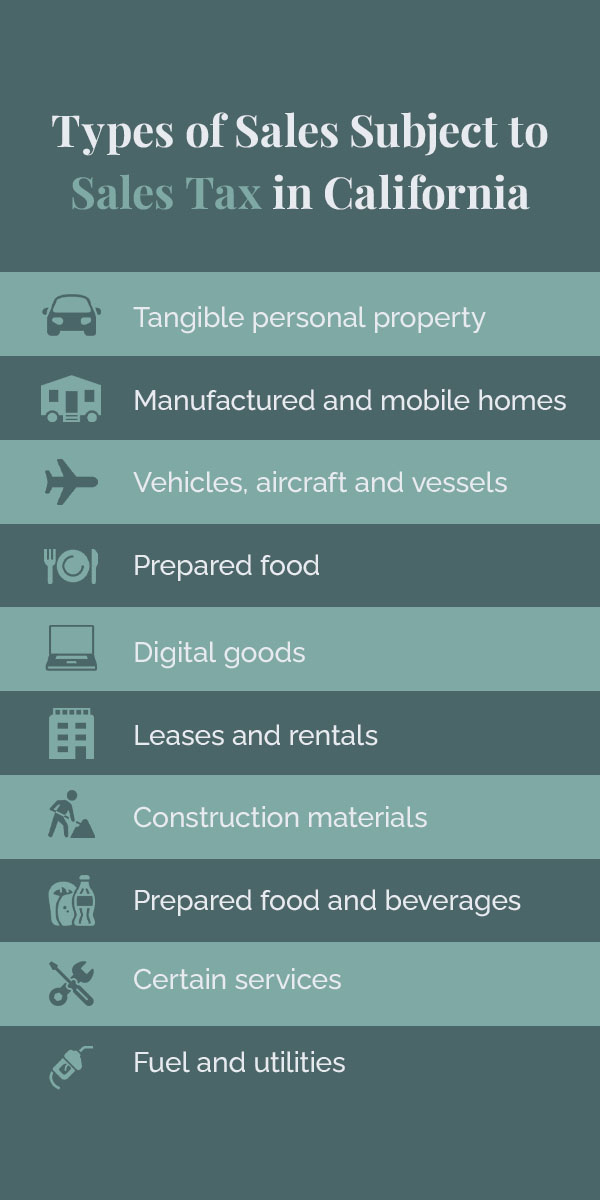
Navigating the intricacies of sales tax in California can be a complex undertaking, especially when planning a vacation or business trip. Understanding what purchases are subject to tax and, more importantly, what items are exempt, can lead to significant savings and a more streamlined experience. While the California Department of Tax and Fee Administration (CDTFA) oversees these regulations, a traveler’s perspective often focuses on the immediate impact these rules have on their spending on essentials, souvenirs, and services related to their stay. This guide delves into common exemptions that are particularly relevant to those visiting or residing in the Golden State, ensuring you can make informed purchasing decisions.
Essential Goods and Services Exempted for Travelers
When you embark on a journey to California, whether for leisure or business, certain essential purchases are often shielded from sales tax. These exemptions are designed to ease the burden on consumers and, in some cases, to encourage specific types of economic activity. For a traveler, recognizing these can significantly impact the overall cost of a trip.
Food Products for Home Consumption
A cornerstone of sales tax exemption in California revolves around most food products intended for home consumption. This is a broad category that encompasses a wide array of items readily available at grocery stores and markets across the state, from the bustling streets of Los Angeles to the quaint towns of the Napa Valley.
Groceries and Staple Foods
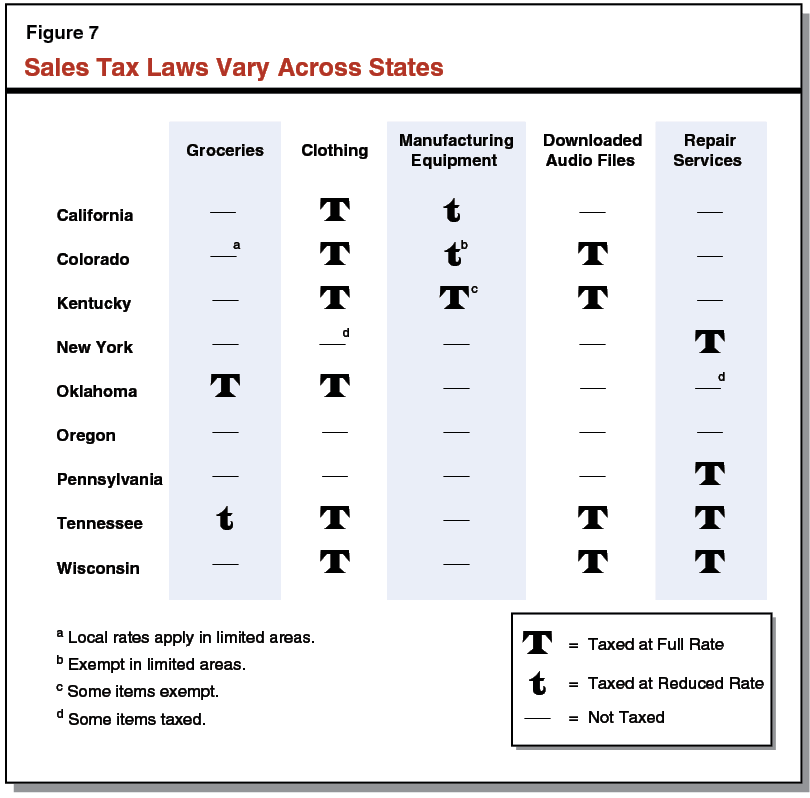
The exemption typically applies to most food items that are considered basic staples. This includes fresh produce such as fruits and vegetables, dairy products like milk and cheese, meats, poultry, fish, eggs, bread, cereals, and pasta. When you’re stocking up your rental kitchen or preparing meals at a hotel with kitchen facilities, these purchases will generally not incur sales tax. The key differentiator is that the food must be intended for consumption off-premises, meaning you’re not eating it at a restaurant or a food court.
Bottled Water and Non-Carbonated Drinks
Bottled water, along with many non-carbonated beverages like unsweetened teas and juices, also falls under this exemption. This is a welcome relief for travelers who rely on purchasing these items throughout their stay, especially during warmer months or while exploring outdoor attractions like Yosemite National Park.
Exceptions to the Food Exemption
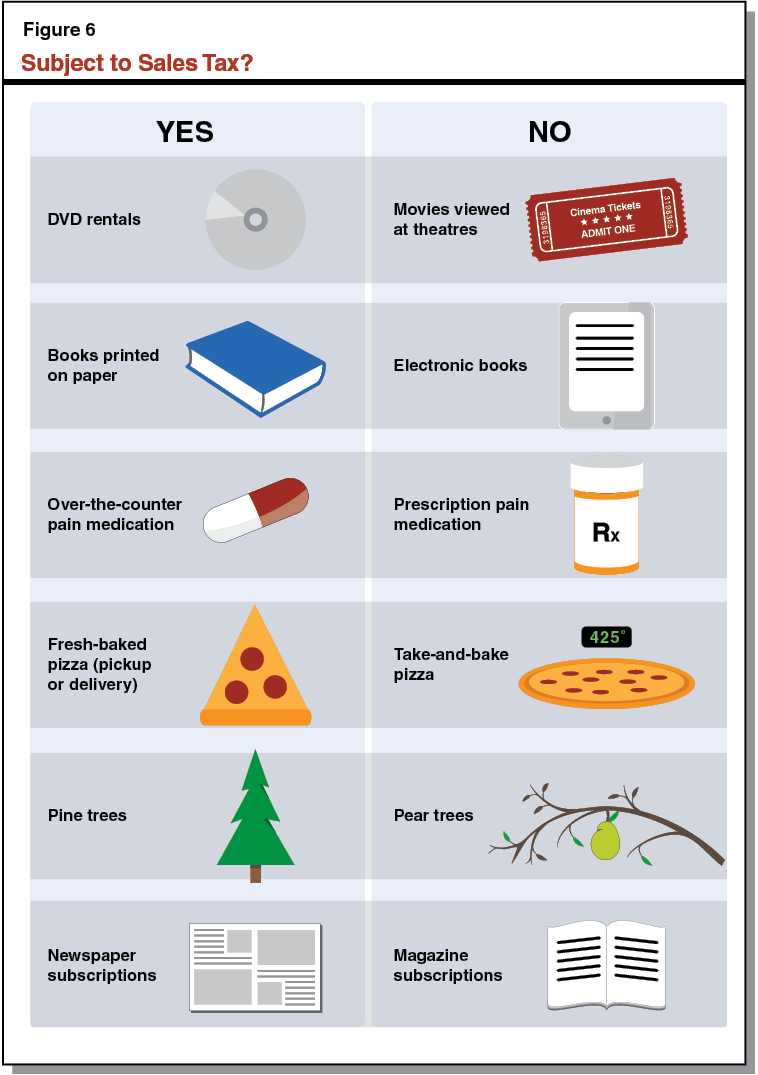
It’s crucial to be aware of common exceptions. Prepared foods sold by restaurants, caterers, or snack bars are generally taxable. This includes hot prepared foods, sandwiches, salads intended for immediate consumption, and items sold in vending machines that are heated or cooled for immediate consumption. Furthermore, alcoholic beverages, candy, and soft drinks (carbonated beverages) are typically subject to sales tax, even if purchased at a grocery store. This distinction is important when choosing between a refreshing soda and a bottle of water after a day of sightseeing at the Golden Gate Bridge.
Prescription Medications and Medical Devices
The health and well-being of residents and visitors are paramount, and California provides significant sales tax exemptions for essential medical necessities. These exemptions aim to make healthcare more accessible and affordable.
Prescription Drugs
Prescription medications dispensed by a licensed pharmacist are entirely exempt from sales tax. This includes a wide range of pharmaceuticals prescribed by a physician, providing critical relief for travelers managing chronic conditions or facing unexpected health issues during their trip. Whether you need to refill a prescription in San Francisco or obtain medication for a travel-related ailment, you can rest assured that these purchases will not be taxed.
Medical Devices and Equipment
Beyond prescription drugs, many medical devices and equipment are also exempt. This can include items like prosthetic limbs, corrective lenses (glasses and contact lenses), hearing aids, and durable medical equipment prescribed by a healthcare professional. For travelers with specific medical needs, these exemptions can represent substantial cost savings, making it easier to manage their health while away from home. It’s always advisable to consult with your healthcare provider or pharmacist if you are unsure about the taxability of a specific medical item.
Goods and Services for Specific Industries and Organizations
Beyond individual consumer needs, California also offers sales tax exemptions that support broader economic sectors and specific types of organizations. While not directly impacting every tourist, these can influence the cost of certain services or the availability of goods.
Manufacturing and Research and Development
California actively promotes its manufacturing and technology sectors through various tax incentives, including sales tax exemptions. These are designed to encourage businesses to invest, innovate, and create jobs within the state.
Manufacturing Equipment Exemption
A significant exemption exists for the purchase of qualified machinery and equipment used in manufacturing, processing, refining, or recycling. This exemption applies to tangible personal property that becomes a component part of the manufactured product or is used directly in the production process. For businesses operating in California or considering relocation, this exemption can significantly reduce the capital investment required for new facilities or upgrades, potentially impacting the pricing of goods and services derived from these industries.
Research and Development Equipment
Similarly, equipment purchased for use in qualified research and development activities is also exempt from sales tax. This encourages innovation and the growth of high-tech industries. The focus here is on equipment used in scientific and technical research, supporting sectors like biotechnology, aerospace, and software development.
Sales to the United States Government
Transactions involving the United States government are generally exempt from state and local sales taxes. This is a matter of constitutional law, as states cannot directly tax the federal government.
Direct Purchases by Federal Agencies
When federal agencies make direct purchases of goods and services, these transactions are not subject to California sales tax. This can include purchases made by military bases, federal research institutions, or other government entities. Travelers who might be visiting or working on a federal installation should be aware that their purchases might be handled differently depending on whether they are acting on behalf of the government or as private individuals.
Agricultural Items
The agricultural sector, a vital part of California’s economy, also benefits from specific sales tax exemptions. These are intended to support farmers and agricultural businesses.
Farm Equipment and Supplies
Many items used in the production of agricultural products are exempt from sales tax. This includes certain types of farm equipment, seeds, fertilizer, animal feed, and other supplies directly used in farming operations. While a tourist might not be purchasing farm equipment, understanding these exemptions highlights the state’s commitment to its agricultural producers, which in turn impacts the availability and cost of produce available throughout the state, from the farmers’ markets of San Diego to the vineyards of the Central Coast.
Services and Other Exemptions of Note
Beyond tangible goods, certain services and other specific items also benefit from sales tax exemptions in California, further shaping the economic landscape for residents and visitors alike.
Certain Services
While most services performed in California are subject to sales tax, there are a few exceptions. The most prominent is the exemption for services provided by certain non-profit organizations.
Services Performed by Non-Profit Organizations
Sales and services provided by qualified charitable organizations, hospital organizations, and certain other non-profit entities are often exempt from sales tax. This exemption typically applies to sales made by the organization and services it performs for the public benefit. For example, a museum gift shop operated by a non-profit arts organization might be exempt from collecting sales tax on its sales, a benefit that can translate into slightly lower prices for souvenirs and gifts for tourists.
Certain Religious and Charitable Sales
Direct sales of tangible personal property made by qualified religious and charitable organizations are also generally exempt from sales tax. This encourages these organizations to raise funds through sales activities.
Fundraising Sales
When these organizations hold specific fundraising events, such as bake sales, craft fairs, or auctions, the proceeds from these sales are often tax-exempt. This allows them to maximize the funds they collect for their charitable or religious purposes, directly benefiting their mission within communities across California.
Vessels Used in Interstate or Foreign Commerce
For businesses involved in maritime commerce, specific exemptions apply to the sale of vessels.
Ships and Boats
Vessels of more than 50 tons burden used in interstate or foreign commerce are exempt from sales and use tax. This exemption supports the shipping industry and international trade, a critical component of California’s coastal economy. While this might not directly affect the average traveler, it is a significant exemption for a specific industry operating within the state’s jurisdiction.
Newspapers and Periodicals
The dissemination of information through print media is also a protected area for sales tax exemption in California.
Newspapers
Newspapers are generally exempt from sales tax. This ensures that the public has access to readily available news and information without an added tax burden. This exemption applies to both the purchase of individual newspapers and subscriptions.
Periodicals
Similarly, periodicals, which are publications issued at regular intervals (e.g., magazines), are also exempt from sales tax, provided they are published more frequently than once a week. This encourages the availability of diverse information and entertainment through print media.
Staying Informed and Maximizing Savings
Navigating California’s sales tax regulations can seem daunting, but understanding the key exemptions can lead to tangible savings for any traveler. The California Department of Tax and Fee Administration (CDTFA) is the ultimate authority on these matters, and their website offers detailed information and specific guidelines.
Consult Official Sources
For definitive answers and the most up-to-date information, always refer to the official publications and guidelines provided by the CDTFA. Tax laws can change, and their website is the most reliable resource for ensuring compliance and understanding your rights as a consumer.
Ask Questions at the Point of Sale
When in doubt about whether an item or service is taxable, don’t hesitate to ask the vendor or service provider. Reputable businesses are usually knowledgeable about California’s sales tax laws or can direct you to where you can find that information. This proactive approach can prevent misunderstandings and ensure accurate transactions.
By staying informed about these exemptions, travelers can better budget their expenses, make informed purchasing decisions, and enjoy their time in California with greater financial clarity. From essential groceries to specialized equipment, a little knowledge goes a long way in managing the costs associated with visiting or living in this vibrant state.
LifeOutOfTheBox is a participant in the Amazon Services LLC Associates Program, an affiliate advertising program designed to provide a means for sites to earn advertising fees by advertising and linking to Amazon.com. Amazon, the Amazon logo, AmazonSupply, and the AmazonSupply logo are trademarks of Amazon.com, Inc. or its affiliates. As an Amazon Associate we earn affiliate commissions from qualifying purchases.