
The dream of transforming loyalty points into tangible cash is a common aspiration for many travelers, offering a seductive promise of financial flexibility. When it comes to Alaska Airlines miles, the question of direct cash conversion delves into the intricate mechanics of airline loyalty programs and the broader lifestyle choices that define savvy travel. While a direct “cash out” button for your Alaska Airlines miles is a rarity in the world of frequent flyer programs, understanding the intrinsic value of these miles and exploring indirect monetization strategies can significantly impact a traveler’s financial landscape and overall travel lifestyle.

The Intrinsic Value of Alaska Airlines Miles
Airline miles, including those earned through Alaska Airlines’ renowned Mileage Plan program, are not designed to be a liquid asset. Instead, they represent a form of proprietary currency, specifically engineered for redemption within the airline’s ecosystem and its partner network. This fundamental design dictates their value proposition and the limitations surrounding their conversion to cash.
Understanding Mileage Programs and Their Purpose
Loyalty programs like Alaska Airlines’ Mileage Plan are primarily marketing tools. Their purpose is to incentivize customer loyalty, encourage repeat business, and drive engagement with the brand and its affiliated partners. By offering miles, airlines create a valuable asset that motivates travelers to choose their services over competitors. The value is realized when these miles are redeemed for flights, upgrades, or other travel-related benefits, not when they are exchanged for cold, hard currency. Airlines derive significant financial benefit from selling miles to credit card partners and other entities, and allowing direct cash conversion would undermine this revenue model and significantly alter the perceived value and utility of the program.
Why Direct Cash Conversion is Not Standard Practice
The rarity of direct cash conversion for airline miles stems from several commercial and operational realities. Firstly, if miles could be easily converted to cash, their perceived value would fluctuate wildly with market demand and supply, complicating pricing models for airlines and partners. Secondly, it would transform a marketing tool into a financial instrument, introducing regulatory complexities and potentially attracting arbitrageurs looking to profit from minor discrepancies. For Alaska Airlines, like most major carriers, the aim is to keep travelers within their sphere of influence, utilizing their services or those of their extensive network of global airline partners, which includes carriers like American Airlines, British Airways, Cathay Pacific, Qantas, and Fiji Airways. Direct cash conversion would dilute this strategic imperative.
Indirect Pathways to Monetize Your Miles
While a straightforward conversion to cash is largely unavailable, savvy travelers can explore several indirect methods to derive monetary value from their Alaska Airlines miles, effectively freeing up cash they would otherwise spend on travel or related expenses. These strategies require a thoughtful approach and an understanding of the associated risks and rewards, fitting squarely into a proactive travel lifestyle.
Gift Cards and Merchandise Redemptions
Some loyalty programs offer redemption options for gift cards or merchandise. While this isn’t a direct cash conversion, it can be a way to acquire items or services you would otherwise purchase with cash. However, the redemption rates for gift cards and merchandise through airline loyalty portals are often notoriously poor. The value you receive per mile is typically far lower than what you would get by redeeming them for flights. For example, 20,000 Alaska Airlines miles might fetch you a flight worth hundreds of dollars, but only a fraction of that in gift card value. Therefore, this option should generally be considered a last resort, particularly if you have no immediate travel plans and face miles expiration.
Selling Miles via Third-Party Brokers: Understanding the Risks
A more direct, albeit highly risky, pathway involves selling your miles to third-party brokers. These brokers facilitate the sale of miles from individuals to other individuals who wish to purchase cheap flights. The process typically involves the broker using your miles to book a flight for their client, and then paying you a predetermined cash amount. While this appears to be a direct cash-out method, it comes with significant caveats.
Firstly, it is explicitly against the terms and conditions of most airline loyalty programs, including Alaska Airlines’ Mileage Plan. If caught, both the seller and the buyer risk severe penalties, including the forfeiture of all miles, suspension of the Mileage Plan account, and even a ban from future participation in the program. Secondly, there are inherent security risks, as you are providing access to your loyalty account to an unknown third party. Lastly, the cash value offered by brokers is often significantly lower than the potential value you could extract by redeeming the miles strategically for flights. For these reasons, this method is generally not recommended for ethical or financial considerations.
Using Miles for Travel Credits or Upgrades that Offset Cash Spend
A more practical and sanctioned way to indirectly “monetize” miles is to use them to reduce your out-of-pocket travel expenses. This could involve redeeming miles for flights you would have otherwise paid for in cash, using miles for upgrades that would incur a cash fee, or even leveraging miles to cover baggage fees or in-flight purchases (where available). While not directly receiving cash, you are effectively preserving your cash reserves by using miles to cover costs you would have absorbed. This strategy is particularly effective for budget-conscious travelers or those who manage their travel finances meticulously, making it a cornerstone of a smart travel lifestyle.
Maximizing the Value of Alaska Miles Beyond Cash
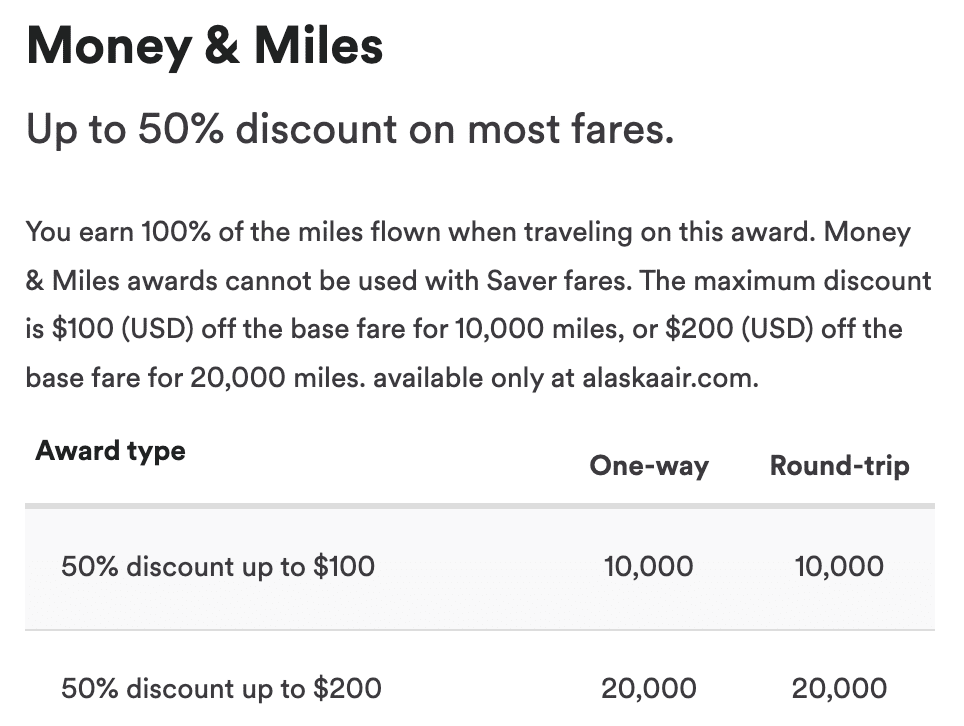
For those committed to optimizing their travel lifestyle, the true “cash value” of Alaska Airlines miles is realized through strategic redemptions that yield significantly higher returns than any indirect cash conversion method. Alaska Airlines is renowned for its generous Mileage Plan and its valuable network of partner airlines, offering some of the best redemption opportunities in the industry.
Strategic Redemption for Flights
The most effective way to extract maximum value from your Alaska Airlines miles is by redeeming them for premium cabin travel, especially long-haul international flights. While economy redemptions can also offer good value, the cost difference between cash and miles for business or first class can be astronomical, leading to significantly higher cents-per-mile valuations. For instance, a first-class ticket that might cost several thousand dollars in cash could be acquired for a fraction of that in miles, making your points effectively worth far more. This strategy is central to luxurious yet budget-savvy travel lifestyles, where premium experiences are accessible through smart use of loyalty points.
Partner Airline Redemptions
Alaska Airlines’ strength lies in its diverse and powerful network of global partners, which often provides some of the best redemption opportunities available. By leveraging partners like Cathay Pacific for flights to Asia, British Airways for Europe, or Qantas for Australia, travelers can unlock routes and cabins that might be incredibly expensive with cash or even unavailable on Alaska Airlines’ own metal. These partner redemptions often present sweet spots in the Mileage Plan award chart, allowing travelers to experience world-class airlines and destinations at a fraction of the monetary cost. Mastering these partner redemptions is a hallmark of sophisticated travel hacking and a valuable component of a flexible travel lifestyle.
Leveraging Elite Status for Greater Returns
Achieving elite status within Alaska Airlines’ Mileage Plan can further enhance the value derived from your miles. Elite members often receive benefits such as complimentary upgrades, bonus miles on flights, waived fees, and priority services. While not a direct cash equivalent, these perks reduce out-of-pocket expenses and elevate the travel experience, thereby preserving cash that would otherwise be spent on comfort and convenience. For a frequent traveler, the cumulative savings and enhanced experiences from elite status can represent significant indirect monetary value over time, aligning perfectly with a lifestyle focused on maximizing travel benefits.
Alaska Airlines Specific Considerations
Understanding the nuances of the Mileage Plan is crucial for anyone seeking to maximize the value of their Alaska Airlines miles, whether directly or indirectly impacting their finances.
Mileage Plan Program Overview
Alaska Airlines’ Mileage Plan is highly regarded for its distance-based award chart on some partner redemptions and its generally favorable redemption rates, especially when compared to some revenue-based programs. Unlike programs that tie the mileage cost of a flight directly to its cash price, Alaska Airlines often maintains a fixed award chart for partner travel, meaning you could fly a long distance in a premium cabin for a set number of miles, regardless of the fluctuating cash price. This predictability allows for strategic planning and optimization, which is a key component of a financially savvy travel lifestyle.
When to Consider Alternative Redemptions
While flight redemptions offer the best value, there might be specific situations where alternative redemptions make sense. If your miles are nearing expiration and you have no immediate travel plans, or if you have a small, unusable balance of miles, redeeming them for gift cards or merchandise (if available and even at a lower value) could prevent them from being completely lost. However, it’s always advisable to exhaust all flight redemption possibilities, including short-haul flights or booking for friends and family (if allowed by program rules for gifting), before resorting to significantly devalued redemptions.
The Lifestyle Perspective: Smart Travel and Financial Flexibility
The inability to convert Alaska Airlines miles directly to cash does not diminish their financial impact on a traveler’s lifestyle. Instead, it shifts the focus to strategic management and optimization, turning loyalty points into a powerful tool for financial flexibility within the realm of travel.
Integrating Miles into Your Budget Travel Strategy
For individuals who prioritize budget travel, Alaska Airlines miles can be an invaluable asset. By redeeming miles for flights, particularly those that would otherwise be expensive, travelers can significantly reduce their overall travel budget. This allows them to allocate cash saved to other aspects of their trip, such as accommodations, local experiences, or even extending the duration of their travels. This integration of miles into a broader financial plan is a hallmark of a resourceful and financially agile travel lifestyle.

Travel Hacking as a Lifestyle Choice
Embracing the world of points and miles, often termed “travel hacking,” is more than just collecting rewards; it’s a lifestyle choice centered on maximizing value and achieving aspirational travel experiences without breaking the bank. Understanding how to earn Alaska Airlines miles efficiently (through credit card bonuses, flying, or promotions) and then redeeming them strategically is a skill that directly translates into a richer, more flexible travel life. While direct cash conversion remains elusive, the indirect financial benefits—the hundreds or thousands of dollars saved on flights, the luxury experiences made affordable—far outweigh the nominal value of cashing out. The true genius of Alaska Airlines miles, when viewed through a lifestyle lens, is their capacity to unlock incredible travel opportunities and augment financial freedom by smartly navigating the complexities of loyalty programs.
LifeOutOfTheBox is a participant in the Amazon Services LLC Associates Program, an affiliate advertising program designed to provide a means for sites to earn advertising fees by advertising and linking to Amazon.com. Amazon, the Amazon logo, AmazonSupply, and the AmazonSupply logo are trademarks of Amazon.com, Inc. or its affiliates. As an Amazon Associate we earn affiliate commissions from qualifying purchases.