
The question “How many wineries in California?” frequently arises in the minds of prospective travelers, hinting at the vastness and allure of the Golden State‘s wine industry. California is not merely a significant player in the global wine market; it is a universe unto itself, offering an unparalleled diversity of terroirs, varietals, and visitor experiences. While precise figures fluctuate annually due to new openings, closures, and data compilation methods, the consensus places the number of bonded wineries in California at well over 4,000, with some estimates reaching close to 5,000. This staggering number underscores California’s dominance as a wine-producing region and, crucially for travelers, positions it as a premier global destination for wine tourism. This immense scale means that every visit to California’s wine country can be a unique adventure, whether you’re a seasoned oenophile or a curious novice.
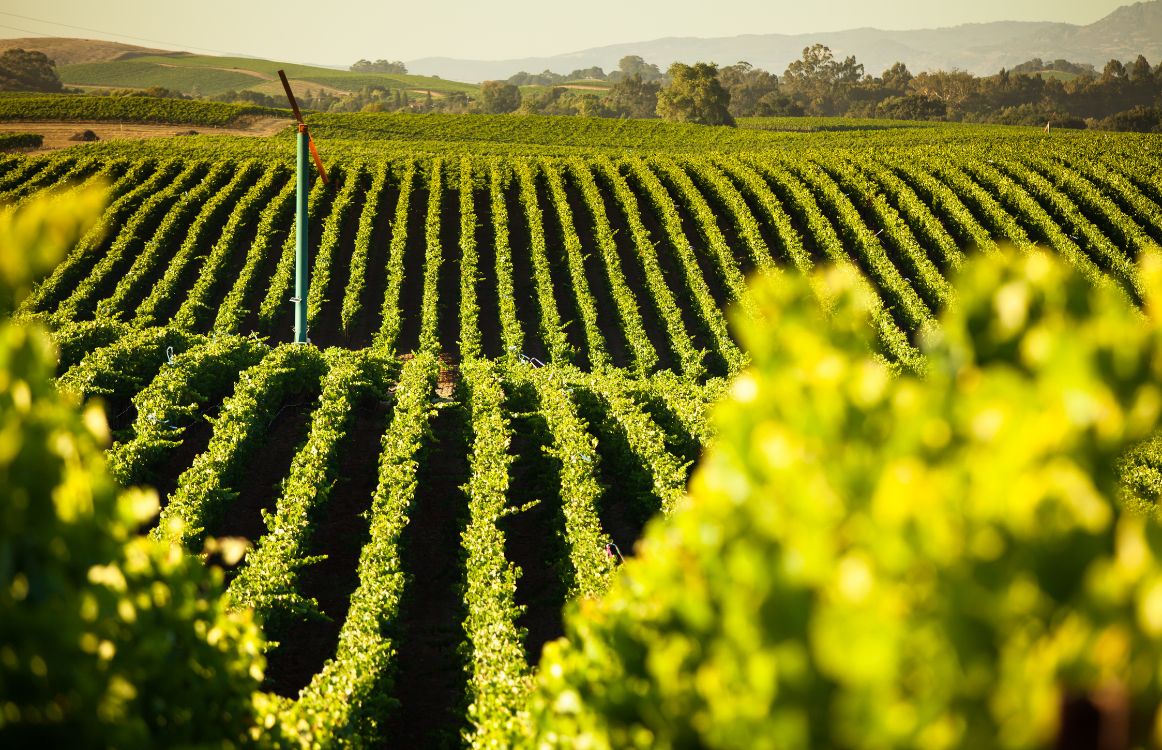
The Golden State’s Bountiful Vineyards: An Overview for Travelers
For travelers, the sheer volume of wineries in California translates directly into an almost limitless array of choices and experiences. This isn’t just about the quantity of producers; it’s about the depth and breadth of what’s available. California wine country spans more than 100 American Viticultural Areas (AVAs), each with distinct climates, soil types, and grape characteristics. From the sun-drenched valleys of the south to the cooler, fog-kissed hills of the north, California cultivates a remarkable diversity of grape varietals, including Cabernet Sauvignon, Chardonnay, Pinot Noir, Zinfandel, Merlot, and Sauvignon Blanc, among many others.
Understanding the magnitude of California’s wine industry helps travelers contextualize their journey. It means that no single trip can encompass even a fraction of what’s available, encouraging return visits and specialized itineraries. The industry is a cornerstone of California’s agricultural economy, but more importantly for visitors, it represents a vibrant culture deeply intertwined with cuisine, hospitality, and scenic beauty. The history of wine in California dates back to the 18th century with Spanish missionaries, evolving through booms and busts, including Prohibition, to emerge as the sophisticated powerhouse it is today. This rich heritage contributes to the authentic experiences found at many family-owned wineries that have been stewards of the land for generations.
Navigating California’s Diverse Wine Regions
The vast number of wineries is distributed across numerous distinct wine regions, each offering a unique flavor of California wine country. For travelers, choosing a region often dictates the overall character of their trip.
Napa Valley & Sonoma County: The Icons
When most people envision California wine country, their thoughts often turn to Napa Valley and Sonoma County. These two neighboring regions, just an hour’s drive north of San Francisco, are undoubtedly the most famous and highly trafficked. Napa Valley is renowned globally for its opulent Cabernet Sauvignon and high-end experiences. Here, travelers will find world-class wineries, Michelin-starred restaurants, luxury resorts, and meticulously manicured vineyards. Visiting Napa Valley often involves booking reservations well in advance, especially for popular estates, and embracing a more refined, upscale itinerary.
Sonoma County, while adjacent to Napa, offers a distinctly different vibe. It’s larger, more geographically diverse, and often described as more laid-back and rustic. Sonoma is celebrated for its exceptional Pinot Noir and Chardonnay, particularly from regions like the Russian River Valley and Carneros. Travelers can explore a mix of grand estates and charming, boutique wineries, often without the need for extensive prior booking, though it is always recommended. Sonoma also boasts a stunning coastline, redwood forests, and a strong farm-to-table culinary scene, adding layers to the travel experience beyond just wine tasting.
Central Coast’s Emerging Stars: Paso Robles & Santa Barbara
Moving south, California’s Central Coast has rapidly gained international acclaim, spearheaded by regions like Paso Robles and Santa Barbara County. Paso Robles, roughly halfway between San Francisco and Los Angeles, is an expansive region characterized by its warm days and cool nights, ideal for Rhone varietals (Syrah, Grenache, Mourvèdre) and Zinfandel, alongside Cabernet Sauvignon. The atmosphere here is often more casual and incredibly welcoming, with many winemakers personally greeting visitors. Travelers to Paso Robles can enjoy stunning vineyard views, burgeoning culinary scene, and a genuine sense of pioneering spirit.
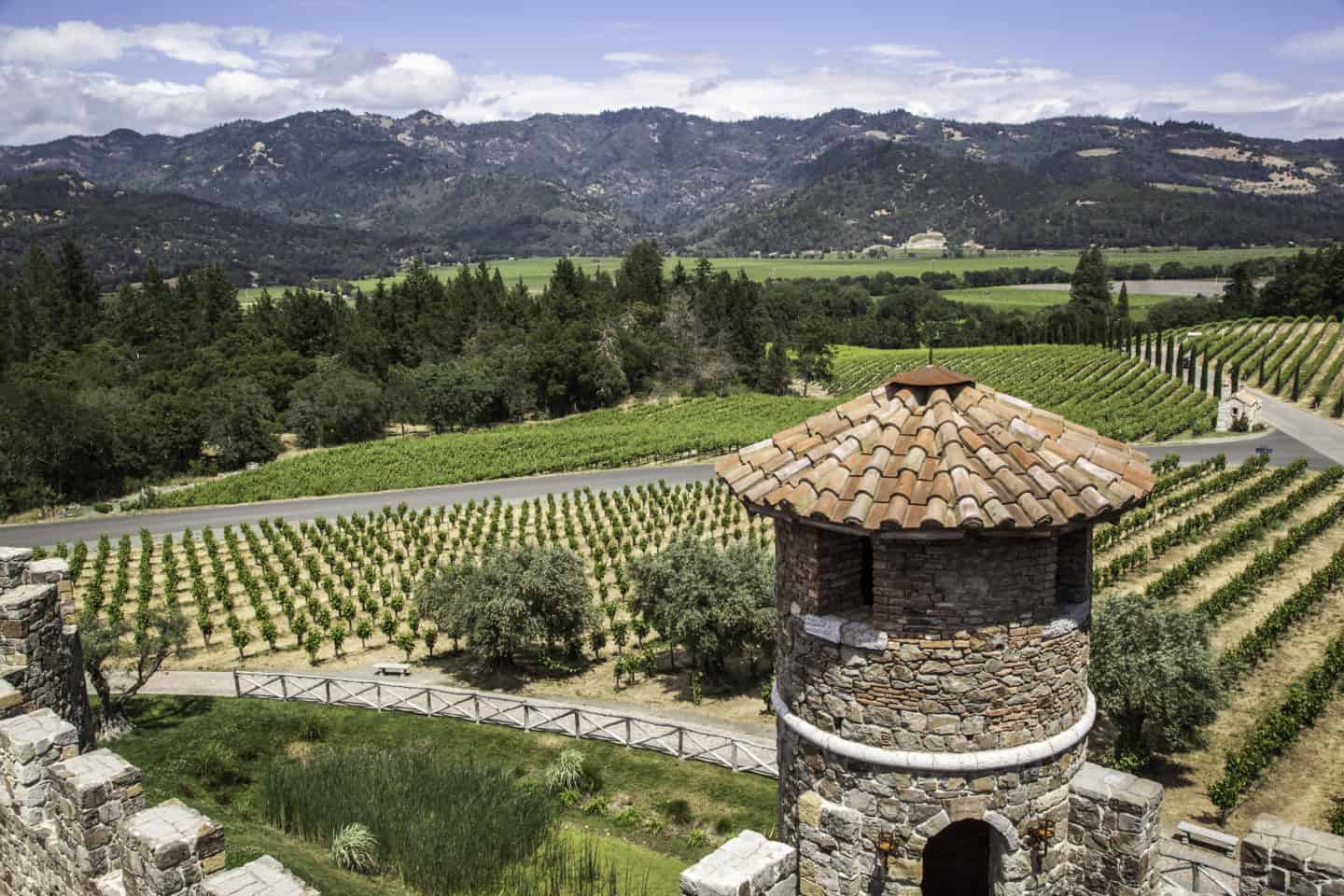
Further south, Santa Barbara County offers a unique east-west oriented valley system that brings cool ocean breezes inland, creating exceptional conditions for Pinot Noir and Chardonnay, immortalized in the film Sideways. The urban wine trail in downtown Santa Barbara allows for easy, walkable tastings, while the scenic Santa Ynez Valley offers expansive vineyard landscapes and quaint towns. This region appeals to travelers looking for a sophisticated coastal escape with diverse wine offerings and a relaxed, yet elegant, ambiance.
Hidden Gems and Lesser-Known Trails
Beyond the famous regions, California harbors a treasure trove of smaller, often more intimate, wine destinations. Regions like Lodi are celebrated for their old-vine Zinfandel and sustainable farming practices, offering a down-to-earth experience. Mendocino County, known for its organic and biodynamic wines, provides a ruggedly beautiful backdrop. The historic Livermore Valley, one of California’s oldest wine regions, offers a convenient wine country escape close to the San Francisco Bay Area. In Southern California, Temecula Valley provides a vibrant, accessible wine experience popular with visitors from San Diego and Los Angeles, known for its Mediterranean varietals and hot air balloon rides over the vineyards. These lesser-known regions offer travelers the chance to discover unique wines, meet the winemakers, and enjoy a more tranquil, personalized travel experience away from the larger crowds.
Planning Your Wine Country Journey: Travel Tips and Experiences
With thousands of wineries and diverse regions, planning a trip to California wine country requires thoughtful consideration to maximize the experience.
Choosing Your Adventure: Tasting Room Styles
Wineries vary immensely in their approach to hospitality. Travelers can choose between grand, château-style estates with formal tasting experiences and guided tours, offering a peek into large-scale production and historical significance. Alternatively, many boutique, family-run operations offer intimate, personal tastings, often led by the winemakers themselves, providing deep insights into their craft and philosophy. Understanding these differences can help travelers tailor their itinerary to match their preferences, whether they seek luxury, education, or a relaxed, friendly atmosphere. Reservations are increasingly common, even at smaller wineries, to manage guest flow and ensure a quality experience.
Beyond the Glass: Culinary and Activity Pairings
A trip to California wine country extends far beyond just tasting wine. The regions are renowned for their farm-to-table dining, with many wineries offering exquisite food pairings, full-service restaurants, or gourmet picnic options. Travelers can indulge in cooking classes, explore local farmers’ markets, or simply savor fresh, seasonal cuisine that complements the local wines. Beyond gastronomy, wine country often provides opportunities for other activities. Many regions offer scenic cycling routes through vineyards, hot air balloon rides over valleys at sunrise, spa treatments, art galleries, and charming small towns to explore. Integrating these activities creates a richer, more diverse travel experience.
Logistics and Responsible Travel
Effective planning is key. Designating a sober driver or arranging for a professional wine tour operator is essential for safe and responsible wine tasting. Many companies offer guided tours that handle transportation and curate winery visits, allowing travelers to relax and enjoy without worry. The best time to visit can vary; harvest season (late August through October) is vibrant and exciting but also the busiest. Spring (April-May) offers beautiful blossoming vineyards and fewer crowds, while winter provides a quieter, more intimate experience with cozy fireplace tastings. Always check winery hours and make reservations, especially for groups or during peak season, to avoid disappointment.
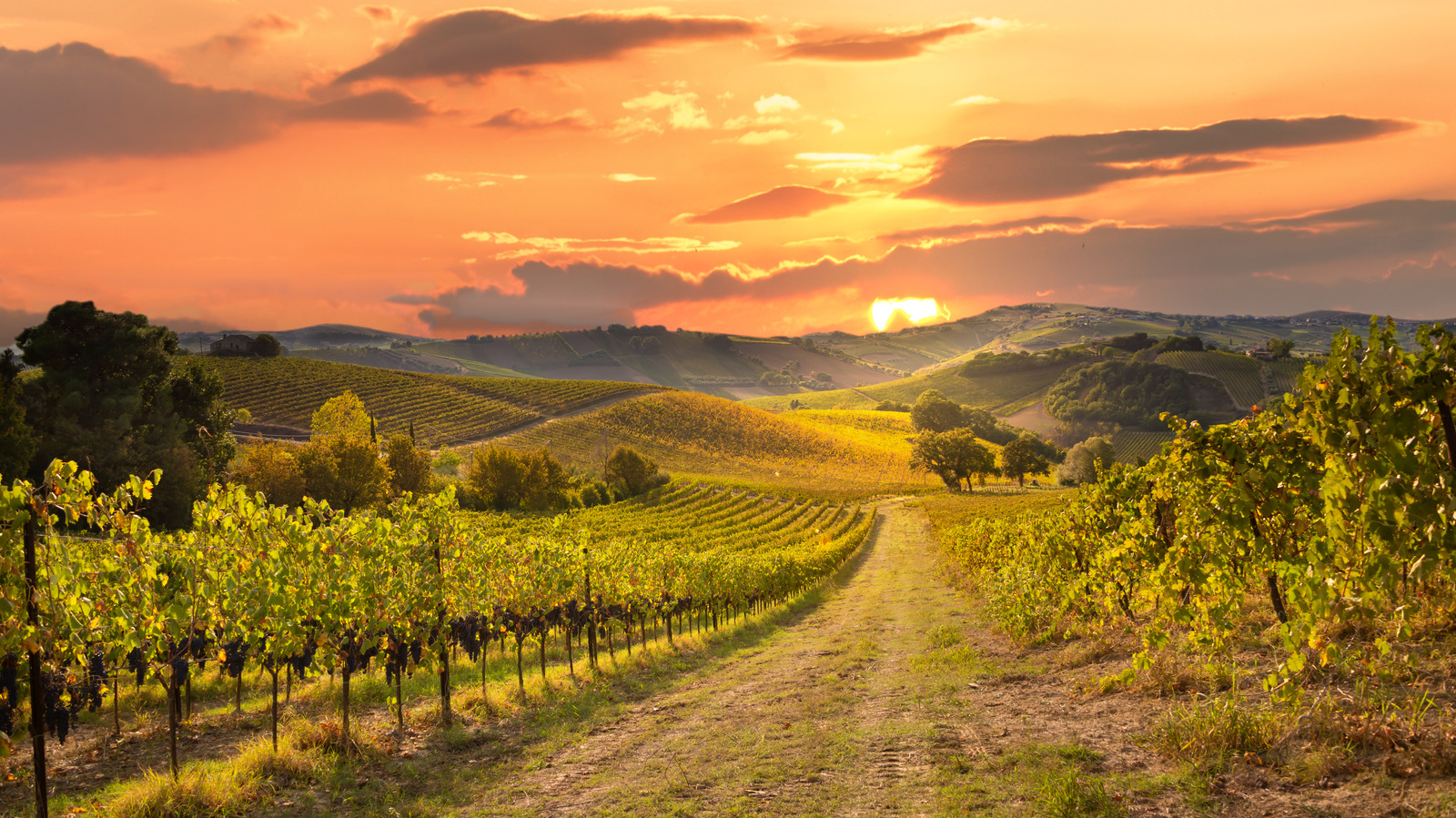
The Evolving Landscape of California Wine Tourism
The California wine industry continues to evolve, influencing travel experiences. A growing emphasis on sustainability, organic, and biodynamic farming practices means travelers can increasingly find wineries committed to environmental stewardship, often providing educational tours on these topics. The trend towards personalized experiences and direct-to-consumer sales also shapes tourism, with many wineries offering exclusive club memberships and bespoke tasting opportunities for loyal customers. This dynamic environment ensures that California wine country remains a perpetually exciting and rewarding travel destination, promising new discoveries with every visit.
LifeOutOfTheBox is a participant in the Amazon Services LLC Associates Program, an affiliate advertising program designed to provide a means for sites to earn advertising fees by advertising and linking to Amazon.com. Amazon, the Amazon logo, AmazonSupply, and the AmazonSupply logo are trademarks of Amazon.com, Inc. or its affiliates. As an Amazon Associate we earn affiliate commissions from qualifying purchases.