
While Anchorage, Alaska, the state’s largest city, serves as a pivotal travel hub for exploring the vast wilderness and stunning coastal areas of Alaska, it’s a common misconception that whale watching tours directly depart from its urban core. The city itself, nestled on the Cook Inlet and framed by the majestic Chugach Mountains, is not a direct launching point for the classic deep-sea whale watching excursions many envision. However, Anchorage’s strategic location makes it an indispensable gateway to some of the world’s most spectacular marine mammal viewing opportunities. Travelers keen on witnessing these magnificent creatures in their natural habitat will find Anchorage an excellent starting point for venturing to nearby coastal communities where whale watching thrives. The key is understanding that the experience requires a short journey from the city, unlocking access to rich marine ecosystems in the Gulf of Alaska and Prince William Sound.

Anchorage: A Gateway, Not a Direct Whale Watching Hub
Anchorage’s unique geography positions it perfectly as a launchpad for diverse Alaskan adventures, including those focused on marine wildlife. Although the city’s waterfront on the Cook Inlet doesn’t host typical whale watching tours, its surrounding waters offer a distinct, albeit different, marine viewing experience.
The Belugas of Turnagain Arm
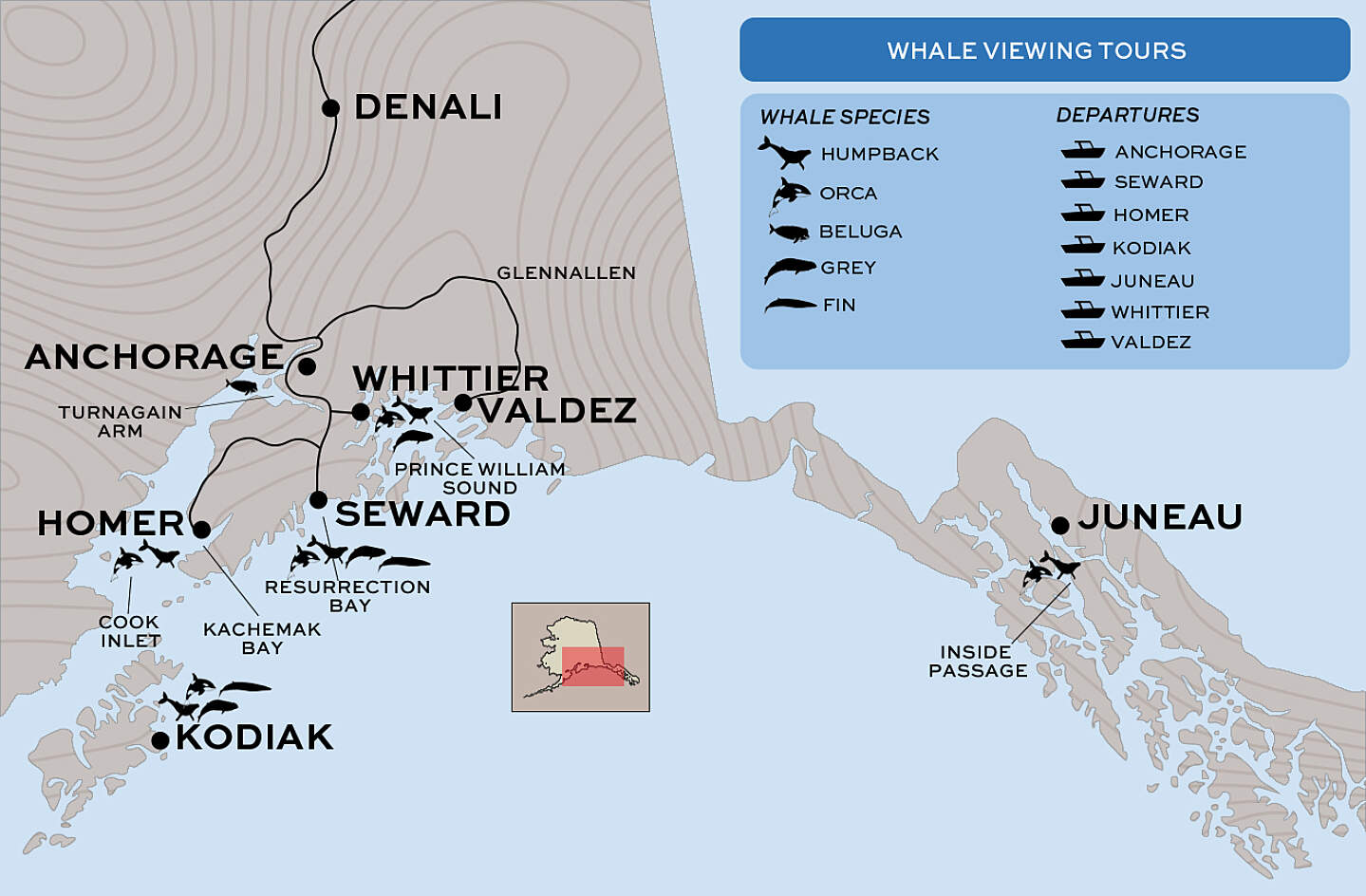
One notable exception to the “no whale watching in Anchorage” rule involves the elusive beluga whales. These smaller, white whales are occasionally sighted in the Turnagain Arm, a narrow fjord extending southeast from Anchorage. Unlike the grand ocean excursions for humpbacks or orcas, beluga watching here is typically a land-based affair. During late summer and early fall, especially when salmon runs are strong, belugas sometimes venture into the shallower waters of the Turnagain Arm in pursuit of food. Popular viewing spots include scenic pull-offs along the Seward Highway, offering a chance to spot these unique creatures from shore. While thrilling, these sightings are less predictable and not part of structured boat tours directly from Anchorage. Visitors often combine this with a visit to the nearby Alaska Wildlife Conservation Center in Portage Valley for a comprehensive wildlife experience.
Proximity to Coastal Destinations
The true potential for grand whale watching lies in the coastal towns accessible from Anchorage. These include Seward, Whittier, and to a lesser extent, Homer. Each offers a unique window into Alaska’s marine environment, making the journey from Anchorage an integral part of the adventure. The scenic drives to these locations are themselves a highlight, winding through breathtaking landscapes that prepare travelers for the natural wonders awaiting them on the water.
Prime Whale Watching Destinations Near Anchorage
To experience world-class whale watching, travelers departing from Anchorage will journey to specific coastal towns, each renowned for its distinct marine ecosystems and tour offerings.
Seward: Gateway to Kenai Fjords National Park
Approximately 125 miles south of Anchorage, Seward is arguably the most popular and accessible destination for deep-sea whale watching. Situated on Resurrection Bay, Seward is the gateway to Kenai Fjords National Park, a pristine wilderness of glaciers, towering cliffs, and abundant marine life. From Seward, numerous tour operators offer half-day and full-day cruises that venture into these rich waters.
- Target Species: Here, you’re most likely to encounter magnificent humpback whales, often seen breaching or fluking as they feed on rich krill and fish. Orcas (killer whales) are also common, with resident pods frequently spotted. Fin whales, gray whales (during migration), and minke whales can also be observed.
- Beyond Whales: These tours often include opportunities to see a diverse array of other marine mammals and seabirds, such as sea otters, Stellar sea lions, harbor seals, puffins, murres, and kittiwakes. Many excursions also take passengers close to tidewater glaciers, offering spectacular views of calving ice. The Alaska SeaLife Center in Seward provides an excellent complementary experience, allowing visitors to see marine life up close and learn about conservation efforts.
Whittier and Prince William Sound
East of Anchorage, accessible through a unique one-way tunnel, lies the port town of Whittier. From here, tours explore the protected, calm waters of Prince William Sound. While primarily known for its glacier cruises, Prince William Sound also offers excellent opportunities for whale watching, particularly for orcas and humpbacks.
- Target Species: Orcas are year-round residents and frequently spotted. Humpback whales enter the Sound during the summer months to feed. Gray whales are also seen during their spring and fall migrations.
- Unique Scenery: Prince William Sound is characterized by its numerous islands, fjords, and active glaciers, making for a truly picturesque backdrop to any marine excursion. The sheltered waters can also make for a smoother ride compared to the open ocean.
Homer and Kachemak Bay
Further south on the Kenai Peninsula, about a 4-5 hour scenic drive from Anchorage, is the charming town of Homer. While Homer is more famous for its halibut fishing and vibrant arts scene, the waters of Kachemak Bay and the wider Gulf of Alaska also host various whale species. Dedicated whale watching tours are less common here compared to Seward or Whittier, but incidental sightings are possible on fishing charters or water taxi services exploring the bay.
- Target Species: Humpbacks, orcas, and gray whales are all known to frequent these waters.
- Scenic Appeal: Homer offers stunning views of glaciers, mountains, and the bay, with opportunities for bear viewing across the bay in Katmai National Park or Lake Clark National Park, making it a comprehensive destination for wildlife enthusiasts.

Seasonal Rhythms: Best Times for Your Alaskan Whale Adventure
Timing is crucial when planning a whale watching trip in Alaska, as different species adhere to distinct migratory patterns and feeding seasons.
Spring Migration (April – May)
The spring months mark the beginning of the whale watching season, highlighted by the annual migration of gray whales. These incredible mammals undertake one of the longest migrations of any mammal, traveling from their breeding lagoons in Mexico to the rich feeding grounds of the Arctic.
- Focus: Gray whales are the primary target during this period, often seen close to shore as they pass through the Gulf of Alaska and Prince William Sound.
- Advantages: Fewer crowds and a chance to witness an epic journey. The landscapes are often still covered in snow, offering a dramatic contrast.
Summer Peak (June – August)
Summer is the peak season for whale watching in Alaska, offering the widest variety of species and the most frequent sightings. The long daylight hours and generally calmer waters contribute to ideal viewing conditions.
- Focus: Humpback whales are abundant, actively feeding in the nutrient-rich waters. Orcas are also frequently spotted, often hunting in pods. Minke whales and fin whales are present.
- Advantages: High probability of multiple whale sightings, warmer weather, and a wider selection of tour operators and departure times. This is also the best time for combining whale watching with other popular Alaskan activities like glacier viewing, kayaking, and hiking.
Fall Opportunities (September)
As summer wanes, early fall can still offer excellent whale watching, particularly for humpbacks preparing for their southern migration. The crowds thin out, and the autumn colors begin to emerge, adding another layer of beauty to the landscape.
- Focus: Humpbacks are still present and often very active as they fatten up for migration. Orcas remain in the waters. Beluga sightings in Turnagain Arm are also more likely during the early fall salmon runs.
- Advantages: Fewer tourists, potentially more dramatic weather, and a sense of serenity as the season transitions. Tour options may be more limited towards the end of September.
Crafting Your Whale Watching Excursion from Anchorage
Planning your journey from Anchorage to the prime whale watching locations involves logistical considerations that can enhance your overall travel experience.
Transportation from Anchorage to Coastal Towns
Getting from Anchorage to Seward or Whittier is part of the adventure.
- Scenic Drives: The drive to Seward along the Seward Highway (Alaska Route 1) is consistently ranked among the most scenic drives in North America. It offers breathtaking views of the Turnagain Arm, mountains, and glaciers. Rental cars provide flexibility, allowing stops at viewpoints and attractions like the Alaska Wildlife Conservation Center.
- Alaska Railroad: For a truly iconic Alaskan experience, consider taking the Alaska Railroad’s Coastal Classic route to Seward or the Glacier Discovery route to Whittier. The train offers unparalleled views not accessible by road, often with narration, making the journey itself a highlight.
- Bus Services: Several private bus operators offer daily transportation between Anchorage and Seward or Whittier, providing a convenient and often cost-effective option.
Choosing a Reputable Tour Operator
Once you’ve reached your departure point, selecting the right whale watching tour operator is essential for a safe, informative, and ethical experience.
- Research and Reviews: Look for operators with strong reputations, positive reviews, and a commitment to responsible wildlife viewing practices.
- Tour Length and Focus: Decide whether you prefer a half-day or full-day tour. Full-day tours often venture further into the Kenai Fjords National Park or Prince William Sound, increasing the chances of diverse sightings and including glacier viewing. Some tours may specialize in certain types of marine life.
- Boat Size and Amenities: Consider the size of the boat (smaller vessels can offer a more intimate experience, larger ones provide more stability), viewing decks, and onboard amenities like restrooms and food services. Experienced naturalists or guides are a huge plus, providing educational commentary throughout the tour.
Essential Gear for Your Expedition
Regardless of when or where you go, preparation is key for enjoying your Alaskan whale watching adventure.
- Layers of Clothing: Alaskan weather is famously unpredictable. Dress in warm, waterproof layers, even in summer. Include a waterproof jacket, hat, and gloves.
- Camera and Binoculars: Don’t forget a camera with a good zoom lens to capture those distant breaches, and a pair of binoculars for close-up views of wildlife.
- Seasickness Medication: If you are prone to motion sickness, take preventative measures before boarding, especially for tours that venture into the open Gulf of Alaska.
- Sun Protection: Even on cloudy days, the sun’s reflection off the water can be intense. Sunglasses and sunscreen are recommended.
In conclusion, while Anchorage may not be a direct departure point for traditional whale watching, it stands as the ideal starting point for travelers seeking to immerse themselves in Alaska’s spectacular marine world. A short journey to coastal towns like Seward or Whittier opens the door to unforgettable encounters with whales and other incredible wildlife against the backdrop of some of the most stunning natural scenery on Earth.
LifeOutOfTheBox is a participant in the Amazon Services LLC Associates Program, an affiliate advertising program designed to provide a means for sites to earn advertising fees by advertising and linking to Amazon.com. Amazon, the Amazon logo, AmazonSupply, and the AmazonSupply logo are trademarks of Amazon.com, Inc. or its affiliates. As an Amazon Associate we earn affiliate commissions from qualifying purchases.