
Understanding the demographic landscape of a city like Boston, Massachusetts, offers profound insights into its character, culture, and the very essence of the tourist experience. While a simple number can quantify its population, it’s the nuances of that population — who they are, where they live, and how they interact — that truly shape the city for both residents and visitors alike. Boston’s population is not merely a static figure; it’s a dynamic tapestry woven from permanent residents, a massive student influx, daily commuters, and a constant stream of domestic and international tourists. This multifaceted demographic reality defines Boston’s unique appeal, influencing everything from its vibrant culinary scene to its bustling public spaces and rich cultural offerings.

Understanding Boston’s Population Landscape
At its core, Boston is home to approximately 675,000 residents within its city limits, making it the largest city in New England. However, this number dramatically understates the true human footprint that defines the metropolitan area and the city’s daily rhythms. The greater Boston metropolitan statistical area, encompassing surrounding cities and towns like Cambridge and Somerville, boasts a population of around 4.9 million people. This distinction is critical for tourists, as the urban sprawl and interconnectedness mean that attractions and experiences often extend beyond the municipal boundaries.
Core Demographics: Residents vs. Visitors
The resident population of Boston is diverse, comprising a mix of long-time families, young professionals, and a significant immigrant community, each contributing to the city’s distinctive neighborhoods and cultural fabric. For tourists, interacting with this local population offers authentic glimpses into Boston life, whether it’s through conversations with shopkeepers in the North End or sharing a bench with a local in Boston Common. Beyond its permanent inhabitants, Boston attracts millions of tourists annually, drawn to its historical sites, world-class museums, and lively atmosphere. These visitors, while transient, add another layer of dynamism, especially in popular areas like the Freedom Trail or Faneuil Hall Marketplace.
The Impact of Student Populations
Perhaps one of the most defining characteristics of Boston’s population is its immense student contingent. Home to over 50 colleges and universities, including prestigious institutions like Harvard University and MIT just across the Charles River in Cambridge, the city swells with hundreds of thousands of students during the academic year. This youthful demographic injects unparalleled vibrancy and energy into Boston. Their presence fuels a thriving café culture, diverse and affordable dining options, independent bookstores, and a lively arts and music scene. For tourists, this means a city that feels perpetually young and innovative, with a constant buzz of intellectual curiosity and creative expression, particularly noticeable in neighborhoods surrounding major campuses.
Daytime vs. Nighttime Population Dynamics
The city’s population also experiences significant daily fluctuations. On weekdays, the daytime population of Boston dramatically increases as commuters pour in from surrounding suburbs for work. This influx impacts everything from public transportation ridership to lunch crowd densities in business districts like the Financial District and the Seaport District. Come evening, as commuters depart, the city shifts again, becoming more focused on its resident and student populations. Understanding these dynamics can help tourists plan their visits to avoid peak congestion, making their exploration of Boston’s attractions more enjoyable and efficient.
Population Density and the Tourist Experience
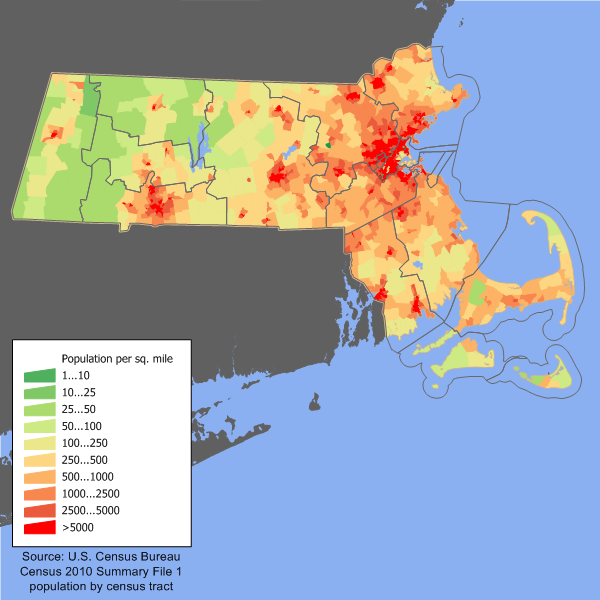
With a relatively compact urban core and a high population density, navigating Boston offers a distinct experience. The closeness of historical sites, cultural institutions, and vibrant neighborhoods means much of the city is walkable, yet this density also presents challenges and opportunities for tourists.
Navigating Crowds at Key Attractions
Boston’s popularity as a tourist destination means that iconic sites often draw large crowds, especially during peak seasons like summer and fall foliage. Historic landmarks along the Freedom Trail, the Museum of Fine Arts, and sporting venues like Fenway Park can become quite busy. Tourists should factor this into their planning, considering early morning visits or weekdays for popular spots to enhance their experience. Understanding that Boston is a living, breathing city with a substantial population helps set realistic expectations for crowd levels and the pace of urban life.
Public Transportation and Infrastructure
The high population density is also a key driver for Boston’s comprehensive public transportation system, the “T” (operated by the MBTA). For tourists, this means efficient travel throughout the city and surrounding areas without the need for a car. The extensive network of subways, buses, and commuter rail lines is well-utilized by residents and students, making it an authentic way for visitors to move around. While rush hour can be crowded, the T remains an invaluable tool for exploring Boston’s diverse neighborhoods, from the historic Beacon Hill to the bustling Allston-Brighton student area.
Local Business and Cultural Diversity
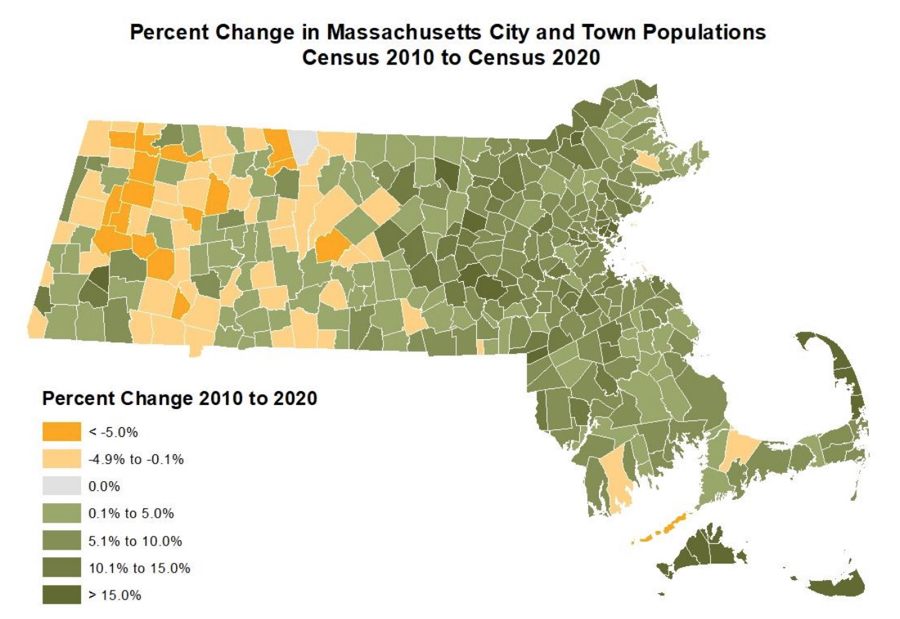
The sheer number of people in Boston supports an incredibly rich and diverse array of local businesses, from family-run restaurants that have been serving the community for generations to innovative startups in the booming tech and biotech sectors. This translates into an unparalleled variety of experiences for tourists, whether they’re seeking authentic Italian pastries in the North End, fresh seafood on the waterfront, or cutting-edge cuisine in the Seaport District. The multicultural tapestry of Boston’s population ensures a vibrant cultural scene, with festivals, markets, and events reflecting traditions from around the globe, providing endless opportunities for discovery.
How Population Shapes Boston’s Unique Charm
The size and composition of Boston’s population are intrinsically linked to its charm, creating a city that feels both grand and intimately scaled. It’s a place where history intertwines with modernity, and where diverse communities contribute to a singular identity.
Culinary Scene: From Neighborhood Eateries to Fine Dining
Boston’s robust population supports an astonishingly varied culinary scene. Neighborhoods like the North End, with its dense Italian-American population, are legendary for their authentic eateries. The influx of students and young professionals has driven a demand for trendy cafes, gastropubs, and international flavors, particularly in areas like Allston and Davis Square. For the discerning diner, Boston also boasts a collection of high-end restaurants, often spearheaded by renowned chefs, catering to the city’s affluent residents and business travelers. This diversity means tourists can embark on a culinary journey that mirrors the city’s population mosaic.
Arts, Culture, and Community Events
A large and engaged population is the lifeblood of a thriving arts and cultural scene. Boston excels in this regard, offering everything from world-class institutions like the Isabella Stewart Gardner Museum and the New England Aquarium to independent galleries and live music venues. The student population, in particular, contributes to a youthful and experimental artistic energy, with countless performances, exhibitions, and public art installations throughout the year. Community events, whether it’s a marathon, a seasonal festival on the Rose Fitzgerald Kennedy Greenway, or a neighborhood parade, draw large crowds and offer tourists a chance to experience Boston’s collective spirit.
The Sense of Community in a Major City
Despite its status as a major metropolitan center, Boston retains a distinct sense of community, particularly within its many well-defined neighborhoods. Each area, from the historic charm of Beacon Hill to the artistic vibe of South End and the bustling Chinatown, has its own unique character, fostered by its resident population. This allows tourists to delve into distinct micro-cultures within the broader city, offering a more intimate and authentic travel experience than might be expected in a city of its size. The loyalty to local sports teams, the pride in the city’s history, and the active participation in civic life all contribute to this strong communal identity, which is palpable even to casual visitors.
Tips for Tourists: Thriving in Boston’s Vibrant Environment
For tourists planning a visit, understanding Boston’s population dynamics can significantly enhance their trip. Strategic planning and an open mind can turn potential challenges into unique opportunities.
Best Times to Visit for Fewer Crowds
To avoid the densest crowds, consider visiting Boston during the shoulder seasons (April-May or September-October), when the weather is pleasant but the peak summer tourist rush and student influx (for the academic year start/end) are less pronounced. Late fall and winter offer a different charm, with festive lights and cozy atmospheres, and significantly fewer tourists, especially at outdoor attractions like the Public Garden. Weekday mornings are generally the best time to visit popular museums and historical sites.
Exploring Beyond the Beaten Path
While the iconic attractions are a must-see, venturing into Boston’s diverse neighborhoods offers a deeper connection to the city’s living culture. Places like Jamaica Plain for its independent shops and community feel, or East Boston for its stunning skyline views and growing Latin American culinary scene, showcase the city’s demographic richness away from the main tourist thoroughfares. Engaging with these local areas provides insight into the daily lives of Boston’s various populations.
Engaging with Local Life
Don’t be afraid to strike up a conversation with a local or try a restaurant that seems to cater more to residents than tourists. Attend a local market, catch a performance by a student group, or simply enjoy people-watching in a park. By immersing yourself in the everyday rhythms of Boston life, you’ll gain a richer appreciation for its diverse population and the unique character they collectively create. The number of people in Boston isn’t just a statistic; it’s the very heartbeat of a city brimming with history, innovation, and an undeniable spirit.
LifeOutOfTheBox is a participant in the Amazon Services LLC Associates Program, an affiliate advertising program designed to provide a means for sites to earn advertising fees by advertising and linking to Amazon.com. Amazon, the Amazon logo, AmazonSupply, and the AmazonSupply logo are trademarks of Amazon.com, Inc. or its affiliates. As an Amazon Associate we earn affiliate commissions from qualifying purchases.