
The notion of Alaska often conjures images of vast, snow-covered landscapes, majestic glaciers, and the ethereal glow of the Northern Lights. While these iconic scenes are indeed part of the state’s allure, they paint only a partial picture. Many prospective travelers ponder whether the “Last Frontier” experiences a true summer season, or if it remains locked in a perpetual winter. The definitive answer is a resounding yes: Alaska not only has summer, but it is a vibrant, breathtaking, and surprisingly warm period that transforms the state into an unparalleled travel destination.
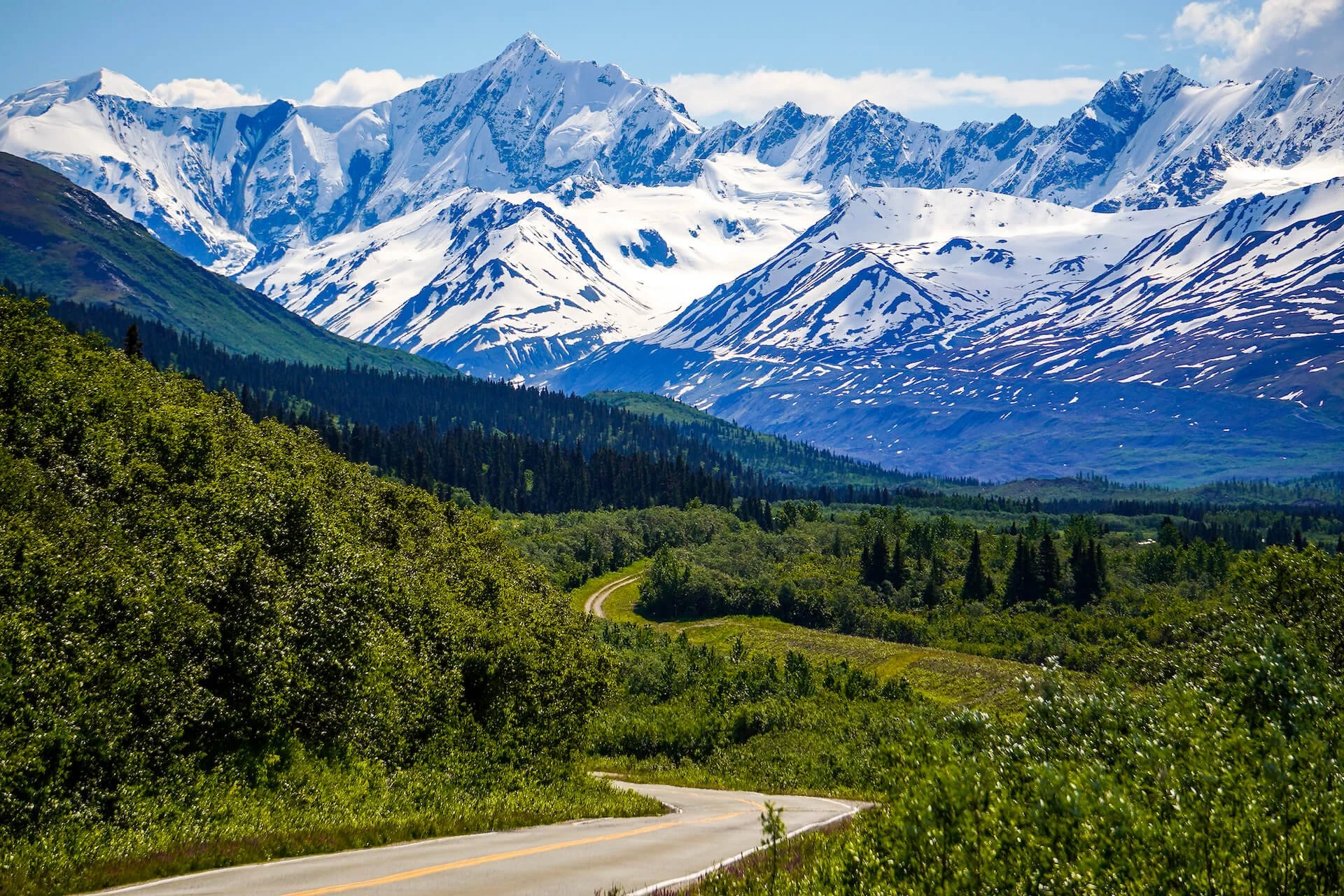
From late May through early September, Alaska awakens from its frosty slumber, revealing a lush, green landscape teeming with life. This brief but intense season is characterized by incredibly long daylight hours, often stretching to 20 hours or more in the interior, and even reaching 24 hours of functional daylight above the Arctic Circle. This extended sunlight fuels an explosion of wildflowers, activates wildlife, and unlocks a myriad of outdoor adventures that are simply not possible during other times of the year. Travelers seeking to immerse themselves in Alaska’s natural beauty and rich cultural tapestry will find summer to be the most accessible and rewarding time to visit.
The Myth and The Reality: Unpacking Alaska’s Summer Season
Dispelling the myth of year-round cold is crucial for understanding why Alaska is a premier summer travel destination. While temperatures are moderate, the persistent daylight and vibrant ecosystem create an atmosphere distinct from the lower 48 states.
When Summer Truly Arrives in Alaska (June-August)
Alaska’s summer season typically spans from June to August, though late May and early September can also offer pleasant conditions. June marks the beginning of the peak season, with temperatures becoming consistently mild across much of the state. July is generally the warmest month, often seeing average daytime temperatures in the 60s and 70s Fahrenheit (15-25°C) in interior regions like Fairbanks and Anchorage, and cooler, but comfortable, temperatures along the coast. August gradually transitions into autumn, with cooler evenings and the first hints of fall foliage beginning to appear, particularly in the northern latitudes. While the weather can be unpredictable, with sudden shifts from sunshine to rain, the prevailing conditions during these months are conducive to extensive outdoor exploration.
Day Length and Midnight Sun Phenomenon
Perhaps the most astonishing aspect of an Alaskan summer is the incredible duration of daylight. Due to Alaska’s high latitude, the tilt of the Earth’s axis results in exceptionally long days during the summer solstice. In cities like Fairbanks, situated near the Arctic Circle, the sun barely dips below the horizon for weeks around June 21st, leading to the famous Midnight Sun phenomenon. Further south, in Anchorage, daylight can last for nearly 20 hours. This extended daylight provides ample time for activities, allowing travelers to pack more experiences into each day and witness the landscape bathed in a perpetual golden glow. It’s a surreal experience that resets one’s internal clock and offers a unique perspective on time itself.
A Kaleidoscope of Summer Experiences
The arrival of summer transforms Alaska into an adventurer’s paradise, offering an array of activities and sights that cater to every interest, from serene nature walks to exhilarating wilderness expeditions.
Wildlife Encounters and Nature Exploration
Summer is prime time for wildlife viewing. Bears—both grizzly and black—are active, feeding on salmon runs that surge up rivers and streams. Travelers can embark on guided bear-viewing tours in places like Katmai National Park or on the Kenai Peninsula. Moose are frequently spotted grazing in meadows, caribou herds migrate across the tundra, and Dall sheep cling to rocky cliffs. Coastal waters teem with marine life, offering opportunities for whale watching (humpbacks, orcas), sea otter sightings, and puffin colonies. Birdwatchers will revel in the migratory species that flock to Alaska’s wetlands and coastlines to nest. National parks such as Denali National Park and Preserve become accessible, offering bus tours deep into the wilderness for unparalleled wildlife encounters and views of Denali, North America’s highest peak.
Outdoor Adventures for Every Traveler
The long days invite a wealth of outdoor pursuits. Hiking trails range from easy strolls through wildflower-filled meadows to challenging multi-day treks across rugged terrain. Kayaking and paddleboarding are popular on calm lakes and fjords, providing intimate access to stunning coastal scenery and glaciers. Fishing enthusiasts flock to Alaska’s world-renowned rivers for salmon, halibut, and trout. For thrill-seekers, opportunities abound for glacier trekking, ice climbing, whitewater rafting, and even flightseeing tours that offer bird’s-eye views of immense icefields and volcanic peaks. Cruising the Inside Passage or Gulf of Alaska is another quintessential summer experience, allowing travelers to witness glaciers calving into the sea, explore charming port towns, and observe abundant marine wildlife from the comfort of a ship.
Cultural Festivities and Local Charm
Beyond its natural grandeur, Alaskan summer is a time for cultural celebrations and community gatherings. Towns across the state host festivals, farmers’ markets, and local events that showcase Alaska’s unique heritage. Visitors can explore Native Alaskan cultural centers and museums, learn about indigenous traditions, and witness vibrant art forms. The extra daylight seems to infuse local communities with a palpable energy, making it an ideal time to connect with residents and experience the authentic Alaskan lifestyle, from bustling city markets in Anchorage to remote fishing villages.
Essential Travel Tips for an Alaskan Summer

To make the most of an Alaskan summer adventure, strategic planning and an understanding of the local conditions are key.
Packing Smart for Variable Weather
Despite the warm daytime temperatures, Alaskan weather can be highly variable, especially along the coast and in mountainous regions. Travelers should pack layers, including waterproof and windproof outerwear. A good fleece jacket or insulated vest is essential, even in July. Sturdy, waterproof hiking boots are a must for exploring trails. Sun protection (hat, sunglasses, sunscreen) is crucial due to the extended daylight and strong UV rays, even on cloudy days. Insect repellent is also highly recommended, particularly for evenings and near water bodies, as mosquitoes can be prevalent.
Planning and Booking Ahead
Summer is Alaska’s peak tourist season, meaning popular accommodations, tours, and transportation (like Alaska Railroad tickets or ferry reservations for the Alaska Marine Highway System) can book up months in advance. It is advisable to plan your itinerary and make reservations as early as possible, especially if traveling during July or August. Flexibility can sometimes be rewarded with last-minute deals, but relying on it for critical bookings is risky. Consider travel insurance, as remote locations and changeable weather can sometimes lead to unexpected delays or cancellations.
Navigating the Vast Wilderness
Alaska is vast, and distances between destinations can be significant. While major routes are paved, many side roads and routes to remote areas are gravel. Renting a sturdy vehicle, such as an SUV, is often recommended for self-drive tours. Alternatively, consider organized tours, cruises, or utilizing Alaska’s comprehensive air taxi services for reaching more secluded spots. Always inform someone of your itinerary when venturing into the wilderness, especially for hiking or camping, and be prepared with emergency supplies. Local guides offer invaluable expertise for safe and enriching excursions.
Iconic Destinations to Explore During Summer
While every corner of Alaska holds its unique summer charm, certain regions stand out as must-visit destinations.
Denali National Park and Preserve
No summer trip to Alaska is complete without a visit to Denali National Park. The park road, primarily accessible by bus during summer, takes visitors deep into the wilderness, offering spectacular views of Denali (weather permitting) and unparalleled opportunities for wildlife viewing, including grizzly bears, moose, caribou, and wolves. Hiking, camping, and ranger-led programs are popular activities. The peak season sees the park’s subarctic tundra explode with wildflowers.
Anchorage and the Kenai Peninsula
Anchorage, Alaska’s largest city, serves as a central hub for many summer adventures. From here, travelers can easily access the scenic Kenai Peninsula, a microcosm of Alaskan beauty. Destinations like Seward offer glacier and wildlife cruises in Kenai Fjords National Park, while Homer is known as the “Halibut Fishing Capital of the World” and a gateway to bear viewing across Kachemak Bay. The Alaska Wildlife Conservation Center near Portage Glacier provides guaranteed sightings of native Alaskan animals.
Southeast Alaska and the Inside Passage
The panhandle of Alaska, accessible primarily by cruise ship or ferry, is a mosaic of islands, fjords, and temperate rainforests. Juneau (the capital), Ketchikan, and Skagway are charming towns offering a blend of history, culture, and natural beauty. Whale watching, fishing, and exploring totem poles are highlights. The Mendenhall Glacier near Juneau is a particularly accessible and impressive natural wonder.

Fairbanks and the Land of the Midnight Sun
As Alaska’s second-largest city, Fairbanks is the heart of the interior and the epicenter of the Midnight Sun experience. Visitors can enjoy riverboat tours on the Chena River, visit the University of Alaska Museum of the North, and explore nearby hot springs. It also serves as a jumping-off point for adventures further north into the Arctic, offering a unique perspective on the true extent of Alaskan summer.
In conclusion, Alaska does indeed have a magnificent summer, a season of unparalleled natural beauty, abundant wildlife, and endless daylight. For travelers seeking an unforgettable journey filled with adventure, discovery, and awe-inspiring landscapes, planning a summer trip to the “Last Frontier” is not just an option—it’s an imperative.
LifeOutOfTheBox is a participant in the Amazon Services LLC Associates Program, an affiliate advertising program designed to provide a means for sites to earn advertising fees by advertising and linking to Amazon.com. Amazon, the Amazon logo, AmazonSupply, and the AmazonSupply logo are trademarks of Amazon.com, Inc. or its affiliates. As an Amazon Associate we earn affiliate commissions from qualifying purchases.