
Colorado, a state synonymous with majestic mountain ranges and world-class winter sports, draws visitors from across the globe eager to experience its powdery slopes and breathtaking winter landscapes. For many, the allure of a snow-dusted Colorado is intrinsically linked to planning their dream vacation, seeking that perfect moment when the skies open up and blanket the Rocky Mountains in white. Understanding the typical snowfall patterns is not just a matter of curiosity; it’s a crucial element for any discerning traveler aiming to maximize their winter adventure. Whether you’re a seasoned skier, a snowboard enthusiast, or simply someone who cherishes the serene beauty of a snowy vista, knowing when to expect the snow in Colorado can significantly shape your travel plans.
Understanding Colorado’s Snowfall Patterns
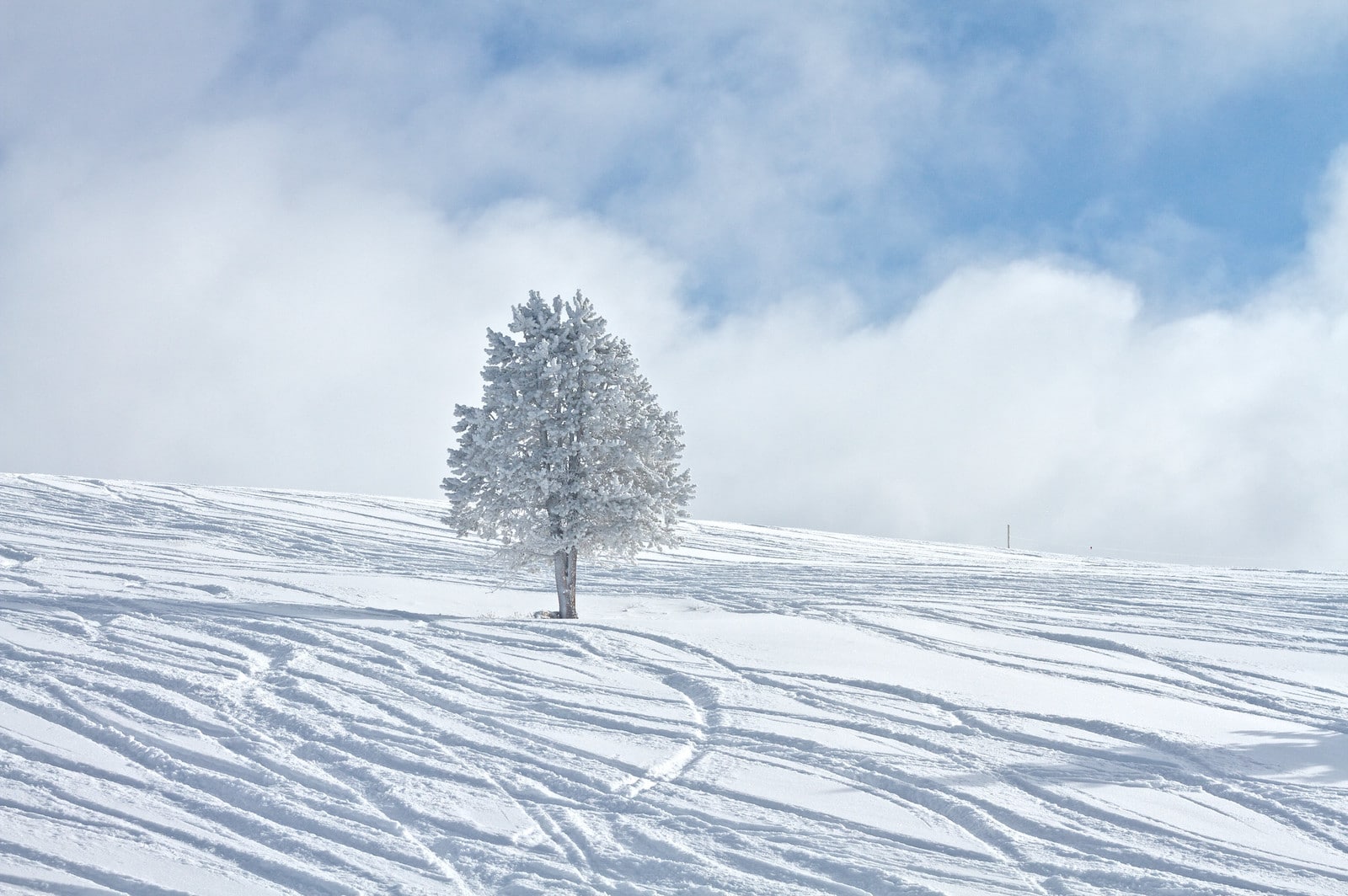
Colorado experiences a diverse range of snowfall, heavily influenced by its varied topography. The Rocky Mountains create a natural barrier that interacts with weather systems, leading to distinct microclimates and snowfall patterns across the state. Generally, the winter season in Colorado extends from late October or early November through April. However, the timing, intensity, and distribution of snowfall can vary considerably from year to year and region to region.
Early Season Snow: A Glimpse of Winter
The first whispers of winter often arrive in the higher elevations of the Rocky Mountains in late September and October. While this early snow is usually not substantial enough for widespread skiing, it offers a tantalizing preview for dedicated powder hounds. Ski resorts, particularly those at higher altitudes like Arapahoe Basin and Loveland Ski Area, often begin their operations in late October or early November, relying on this early snowfall to open their slopes. These early weeks are perfect for those who want to beat the crowds and experience the thrill of being among the first to carve tracks on fresh snow. However, it’s important to note that early-season snow can be sporadic, and conditions can change rapidly. Travelers considering an early November trip should monitor resort snow reports closely.
Mid-Winter Peak: The Heart of the Snow Season
The period from December through February is typically the heart of Colorado‘s snow season. During these months, the state often experiences its most significant and consistent snowfall. Major winter storms, often referred to as “El Niño” or “La Niña” events, can bring substantial accumulations, particularly to the western slopes of the Rocky Mountains. These are the months when Colorado‘s famed ski resorts, including giants like Aspen Snowmass, Vail Ski Resort, and Breckenridge Ski Resort, are in full swing, boasting deep powder and ideal skiing conditions.
For travelers planning a trip during this peak season, expect a vibrant atmosphere with bustling resorts and a wide array of winter activities. The Denver metropolitan area and the eastern plains of Colorado may experience snow, but typically less intensely than the mountains. However, blizzards can affect these lower elevations, leading to travel disruptions. It’s during these months that the iconic images of snow-covered Colorado are most often realized.
Late Season Snow: Extending the Winter Magic
The snow doesn’t always disappear with the arrival of spring. March and even April can bring significant snowfall to Colorado, particularly to the higher elevations. Many ski resorts remain open through April, and some, like Arapahoe Basin, are renowned for their late-season skiing, often continuing into June. This late-season snow can be a delightful surprise for travelers looking for a more extended winter experience or those who prefer slightly warmer temperatures while still enjoying ample snow.
The snowpack in March and April can be deep and stable, offering excellent conditions for both skiing and snowboarding. Moreover, the longer daylight hours and warmer temperatures can make for more pleasant days on the mountain. For those seeking a more relaxed winter vacation, the combination of fewer crowds and lingering snow can make late season a particularly attractive option. Spring skiing in Colorado offers a unique blend of winter sports and the promise of spring, with sunny days often following snowy mornings.
Regional Snowfall Differences in Colorado
Colorado‘s diverse geography means snowfall varies significantly from one region to another. Understanding these regional differences is key to planning a trip tailored to your specific snow-related expectations.
The Northern Mountains: A Snow Magnet
The northern Colorado mountains, encompassing areas around Estes Park and including resorts like Winter Park Resort and Steamboat Ski Resort, are often the first to receive snow and tend to accumulate substantial amounts. The Continental Divide plays a significant role here, with storms frequently dumping heavy snow on western-facing slopes. This region is a reliable destination for consistent snow throughout the winter.
Central Colorado: The Heart of the Rockies
Central Colorado, home to iconic destinations like Aspen, Breckenridge, and Vail, is a prime snow destination. The high altitudes and rugged terrain create ideal conditions for heavy snowfall. This area consistently receives abundant snow throughout the winter months, making it a magnet for skiers and snowboarders from around the world. The infrastructure in these resort towns is well-developed, ensuring a comfortable and exciting experience.
Southern Colorado: A Different Snowfall Profile
Southern Colorado, including areas around Durango and Telluride Ski Resort, also experiences significant snowfall, though patterns can be slightly different. These regions can receive substantial snow, often later in the season, and the snow quality is highly regarded. Telluride, in particular, is known for its challenging terrain and breathtaking scenery, often enhanced by a generous dusting of fresh powder.

Front Range and Eastern Plains: Occasional Snowfall
The Front Range, including cities like Denver, Boulder, and Colorado Springs, experiences snowfall less frequently and with less intensity compared to the mountains. Snowfall in these areas is often characterized by short-lived accumulations that can temporarily disrupt daily life. While the Front Range can experience beautiful snowfalls, they are generally not the primary draw for winter sports enthusiasts. However, these cities offer a vibrant cultural scene and are excellent bases for day trips to nearby mountain resorts.
Factors Influencing Snowfall Timing and Accumulation
Several meteorological factors contribute to when and how much snow falls in Colorado. Understanding these can provide a broader context for predicting winter weather.
El Niño and La Niña Cycles
El Niño and La Niña are significant climate patterns that influence global weather, including Colorado‘s snowfall. During El Niño years, Colorado typically experiences wetter and colder conditions, often leading to increased snowfall, especially in the southern and central mountains. Conversely, La Niña years can sometimes bring drier conditions to the southern part of the state, while the northern mountains might still receive good snow. While these cycles provide a general outlook, they are not definitive predictors of snowfall for any given season.
Jet Stream Activity
The position and strength of the jet stream are critical in directing storm systems towards Colorado. A southerly jet stream often brings moisture from the Pacific Ocean, resulting in significant snow. When the jet stream dips south over the western United States, it can create ideal conditions for powerful storms to impact the Rocky Mountains. Monitoring jet stream patterns can offer clues about incoming weather systems and potential snowfall events.
Cold Air Masses
The presence of cold air masses is essential for snow formation. Colorado typically receives cold air from the north and northwest during the winter months. When this cold air interacts with moisture-laden storm systems, snow is the result. The temperature at various altitudes is a crucial determinant of whether precipitation falls as snow, rain, or a mix.
Topography and Elevation
As mentioned earlier, Colorado‘s dramatic topography and high elevations are primary drivers of snowfall. Higher elevations are colder, making them more conducive to snow. Furthermore, the mountains act as barriers, forcing moist air to rise and cool, which can trigger precipitation. The “lake-effect” snow, though less prominent in Colorado than in other regions, can occur when cold air passes over larger bodies of water. More relevantly, mountain ranges can enhance snowfall on their windward slopes through a phenomenon known as orographic lift.
Planning Your Snow-Focused Colorado Trip
To ensure you experience the best of Colorado‘s winter wonderland, strategic planning is essential.
The Best Time to Visit for Snow
For guaranteed snow and optimal skiing conditions, the period from mid-December to late March is generally the most reliable. However, if you’re seeking fewer crowds and potentially better deals, consider the shoulder seasons: early December or the latter half of March and into April, especially in higher-elevation resorts. For those who enjoy the unique experience of spring skiing and a more relaxed atmosphere, April can be an excellent choice, provided you check snow reports.
Choosing Your Destination
Your choice of destination should align with your snowfall expectations. If you prioritize consistent and deep powder, consider resorts in the northern and central Rocky Mountains. If you’re looking for a blend of luxury and excellent snow, Aspen and Vail are perennial favorites. For a more laid-back vibe with guaranteed snow, Steamboat or Winter Park are strong contenders. If you’re interested in exploring beyond the major resorts, smaller towns in the mountains often offer a more authentic experience and can still receive ample snowfall.
Checking Snow Reports and Forecasts
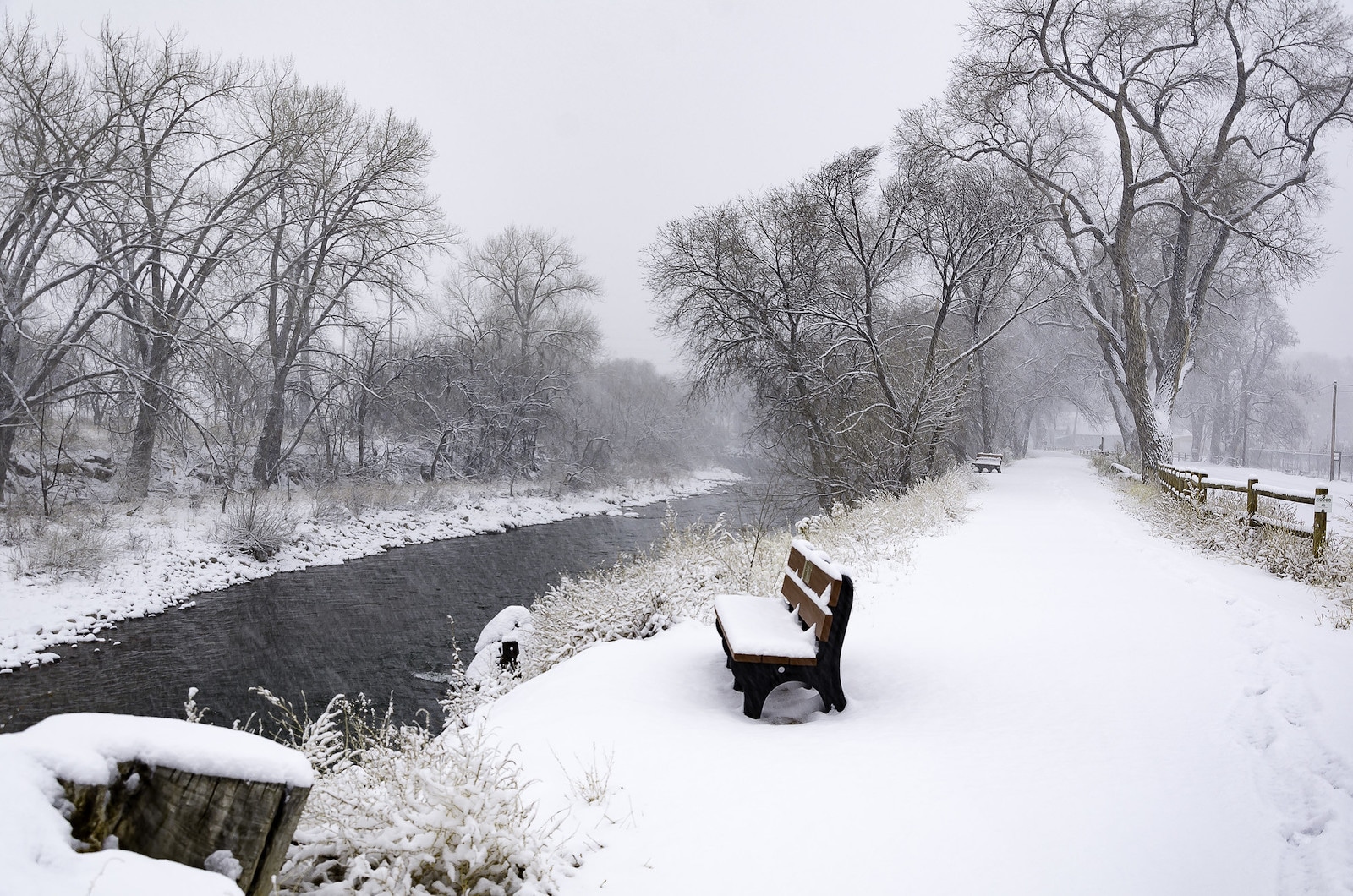
Before and during your trip, diligently check snow reports and weather forecasts. Websites like OpenSnow.com, Colorado Ski Country USA, and individual resort websites provide up-to-date information on snowfall, snow depth, and upcoming weather. These resources are invaluable for tailoring your daily activities and ensuring you’re in the right place at the right time for the freshest powder.
By understanding the nuances of Colorado‘s snow season, from its early hints to its late-season grace, travelers can meticulously plan an unforgettable winter escape. The allure of snow-covered peaks and crisp mountain air awaits, ready to be experienced at its finest.
LifeOutOfTheBox is a participant in the Amazon Services LLC Associates Program, an affiliate advertising program designed to provide a means for sites to earn advertising fees by advertising and linking to Amazon.com. Amazon, the Amazon logo, AmazonSupply, and the AmazonSupply logo are trademarks of Amazon.com, Inc. or its affiliates. As an Amazon Associate we earn affiliate commissions from qualifying purchases.