
Navigating the vast landscape of air travel options can often be a complex endeavor, especially when planning a trip to a unique and geographically distinct destination like Alaska. For travelers accustomed to the ultra-low-cost model, a natural question arises: “Does Frontier Airlines fly to Alaska?” The answer, at present, is a definitive no. While Frontier Airlines serves a broad network across the United States and select international destinations, the Last Frontier remains outside its current operational scope. This article will delve into Frontier Airlines’ business model, explore why Alaska doesn’t fit into its current route map, and provide comprehensive alternatives for reaching this majestic state.
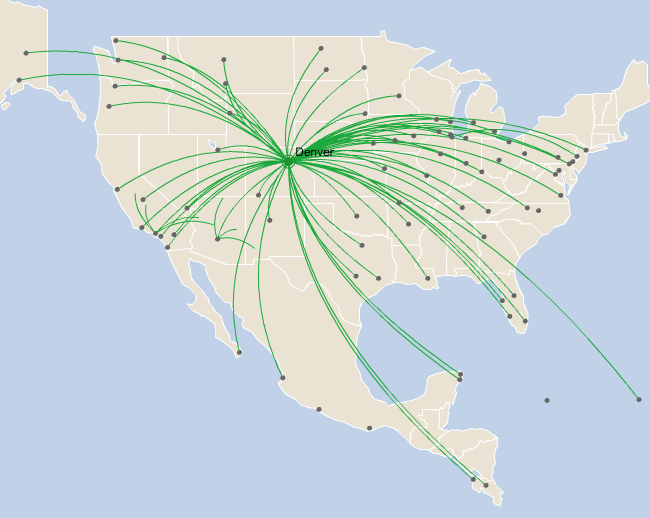
Understanding Frontier Airlines’ Route Network and Business Model
Frontier Airlines operates as an ultra-low-cost carrier (ULCC), a model characterized by offering extremely low base fares and then charging separately for almost all additional services, such as seat selection, checked baggage, carry-on bags (beyond a personal item), and in-flight refreshments. This model allows them to maintain competitive pricing, appealing to budget-conscious travelers.
The core of Frontier’s strategy revolves around several key principles:
- Point-to-Point Routes: Unlike traditional hub-and-spoke models, Frontier often flies directly between cities, minimizing connection times and the complexities of transferring passengers through large hubs. This also reduces reliance on major gateway airports where landing fees might be higher.
- Focus on Leisure Travel: A significant portion of Frontier’s destinations are popular tourist spots, including warm-weather destinations in Florida, Nevada, Arizona, and some Caribbean and Mexican resort areas. These routes typically see high demand from vacationers looking for affordable flights.
- Aircraft Utilization: ULCCs maximize the use of their aircraft, often scheduling more flights per day with shorter turnarounds to keep planes in the air and generating revenue. They typically operate a uniform fleet, primarily Airbus A320 family aircraft, which simplifies maintenance and crew training.
- Operational Efficiency: Every aspect of the operation is streamlined to cut costs, from online-only booking systems to charging for call center support.
Given this operational framework, Frontier Airlines strategically selects routes that align with its cost-cutting model and target demographic. Long-haul flights, especially those requiring specific operational considerations or facing lower overall demand from their typical customer base, are generally avoided. This leads us to the unique case of Alaska.
The Current Reality: Frontier and Alaska Routes
As of the current travel landscape, Frontier Airlines does not operate any flights to Alaska. This means you won’t find direct services to major Alaskan airports such as Ted Stevens Anchorage International Airport (ANC), Fairbanks International Airport (FAI), or Juneau International Airport (JNU) under the Frontier banner.
Several factors contribute to this absence from the Alaskan market:
Operational Costs and Route Length
Flights to Alaska, especially from the contiguous United States, are generally longer than the typical routes Frontier prefers. Longer flight times mean higher fuel consumption, increased crew costs, and less aircraft utilization per day. While Frontier’s Airbus A320 family aircraft have the range for many Alaskan routes, the economics might not align with the ULCC model for a sustained period, particularly given the seasonal nature of high demand for Alaskan travel.
Demand Profile and Market Fit
Alaska is a destination known for its rugged wilderness, unique wildlife, and adventure tourism. While popular, it often attracts travelers willing to spend more for a premium experience, or those planning more extensive, multi-stop itineraries that don’t always align with the direct, no-frills approach of a ULCC. The market for ultra-low-cost travel to Alaska might not be robust enough to justify the necessary operational investments for Frontier.
Competitive Landscape
The Alaskan air travel market is already well-served by several major carriers, most notably Alaska Airlines, which has a dominant presence both to and within the state. Other legacy carriers like Delta Air Lines, United Airlines, and American Airlines also offer extensive seasonal and year-round service. Entering such a competitive, established market, especially with a different service model, would require significant strategic planning and potential deviation from Frontier’s core operating principles.
Alternative Airlines for Your Alaskan Adventure
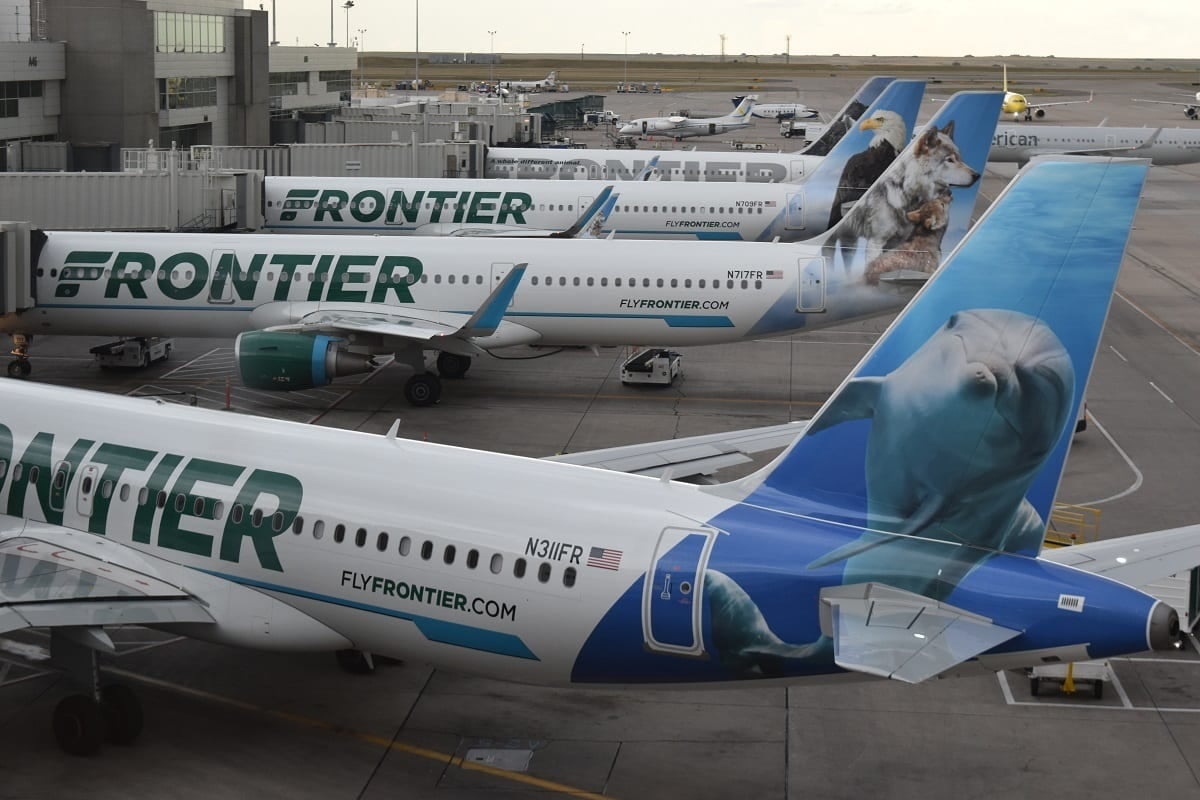
While Frontier Airlines may not be an option, numerous other airlines offer reliable service to Alaska. The choice often depends on your departure city, budget, and desired level of service.
Major U.S. Carriers
- Alaska Airlines: Without a doubt, Alaska Airlines is the premier choice for travel to and within Alaska. It offers the most extensive network of flights, connecting cities across the United States (with a primary hub in Seattle-Tacoma International Airport (SEA)) to major Alaskan gateways like Anchorage, Fairbanks, and Juneau, as well as many smaller regional airports. Their deep understanding of Alaskan travel conditions and local connections makes them an excellent choice.
- Delta Air Lines: Delta provides robust service to Anchorage and Fairbanks, particularly from its Western hubs like Seattle, Salt Lake City, and Minneapolis. They often offer competitive pricing and a good range of amenities.
- United Airlines: Travelers can find flights to Alaska with United from various hubs, including Denver, Chicago, Houston, and San Francisco. United offers both year-round and seasonal services, often catering to the busy summer tourist season.
- American Airlines: American Airlines typically offers seasonal flights to Anchorage from its major hubs such as Dallas/Fort Worth and Chicago, aligning with peak tourist demand.
Other Options and Considerations
- Seasonal Service: Many airlines increase their flight frequencies and introduce new routes to Alaska during the summer months (June-August) when demand is highest. If you’re traveling outside this peak season, options might be more limited.
- Connecting Flights: Most travelers from the lower 48 states will find themselves connecting through a major West Coast hub, with Seattle-Tacoma International Airport (SEA) being the most common and convenient gateway to Alaska. Other connecting cities might include Portland or Vancouver (for international connections).
- Booking Strategies: To secure the best fares, especially during the high season, it is advisable to book flights well in advance. Flexibility with travel dates can also lead to significant savings. Consider flying mid-week or during shoulder seasons (May, September) for potentially lower prices and fewer crowds.
Planning Your Trip to Alaska: Essential Travel Tips
Regardless of which airline you choose, a trip to Alaska requires careful planning to maximize your experience.
Best Time to Visit
The peak season for tourism is generally from mid-June to mid-August, offering the warmest weather, longest daylight hours, and the best opportunities for wildlife viewing, hiking, and cruising. Shoulder seasons (May and September) can provide a good balance of decent weather, fewer crowds, and potentially lower prices. Winter (October-April) is ideal for aurora borealis viewing, skiing, and dog mushing, but requires robust cold-weather gear and an appreciation for shorter daylight hours.
Booking Flights and Accommodations
Given the seasonal nature of Alaskan tourism, flights and accommodations can book up quickly, especially during summer. It’s highly recommended to book your airfare and lodging at least 6-12 months in advance for peak travel periods. Last-minute deals are rare for popular dates and destinations within Alaska.
Packing Essentials
Alaska’s weather can be unpredictable, even in summer, necessitating a layered approach to clothing. Essential items include waterproof and windproof outerwear, sturdy hiking boots, warm layers (fleece, wool), a hat, gloves, insect repellent, and sunscreen. Binoculars are also a must for wildlife viewing.
Key Destinations and Experiences
- Anchorage: Alaska’s largest city, serving as a gateway to many adventures. Explore the Alaska Native Heritage Center, Tony Knowles Coastal Trail, and enjoy its vibrant culinary scene.
- Denali National Park: Home to North America’s tallest peak, Denali offers unparalleled wilderness, diverse wildlife (grizzly bears, moose, caribou), and opportunities for hiking and bus tours.
- Fairbanks: Known as the “Golden Heart City,” Fairbanks is an excellent base for aurora borealis viewing in winter and experiencing the midnight sun in summer.
- Juneau: The state capital, accessible only by air or sea. Highlights include the Mendenhall Glacier, whale watching, and exploring the historic downtown.
- Inside Passage Cruises: A popular way to experience Southeast Alaska’s stunning fjords, glaciers, and coastal towns like Skagway, Ketchikan, and Sitka.
Transportation within Alaska
Once you arrive, exploring Alaska offers various modes of transport. Rental cars are available in major cities but can be expensive and often have mileage restrictions. The Alaska Railroad provides scenic journeys between Anchorage, Denali, and Fairbanks. Small plane charters are common for accessing remote areas, and the Alaska Marine Highway System (ferry system) serves coastal communities.

The Future of Ultra-Low-Cost Carriers in Alaska
While Frontier Airlines currently does not serve Alaska, the aviation industry is dynamic. Could this change in the future? It’s not impossible, but several factors would need to align for an ultra-low-cost carrier to establish a significant presence in the Alaskan market.
Increased demand for budget travel to Alaska, coupled with more efficient aircraft that can operate longer routes more economically, might entice ULCCs to reconsider. A shift in strategic focus from other carriers, or the development of new tourism models that better suit the ULCC approach, could also play a role. However, the unique challenges of Alaskan operations — including extreme weather conditions, the need for specialized de-icing equipment, the substantial seasonal fluctuations in passenger volume, and the often-higher operational costs associated with more remote airports — pose significant hurdles for a model that prioritizes minimizing every expense.
For now, travelers seeking to explore the vast and breathtaking landscapes of Alaska should plan to fly with established carriers like Alaska Airlines, Delta, United, or American, focusing on booking early and leveraging connections through major West Coast hubs to embark on their unforgettable adventure to the Last Frontier.
LifeOutOfTheBox is a participant in the Amazon Services LLC Associates Program, an affiliate advertising program designed to provide a means for sites to earn advertising fees by advertising and linking to Amazon.com. Amazon, the Amazon logo, AmazonSupply, and the AmazonSupply logo are trademarks of Amazon.com, Inc. or its affiliates. As an Amazon Associate we earn affiliate commissions from qualifying purchases.