
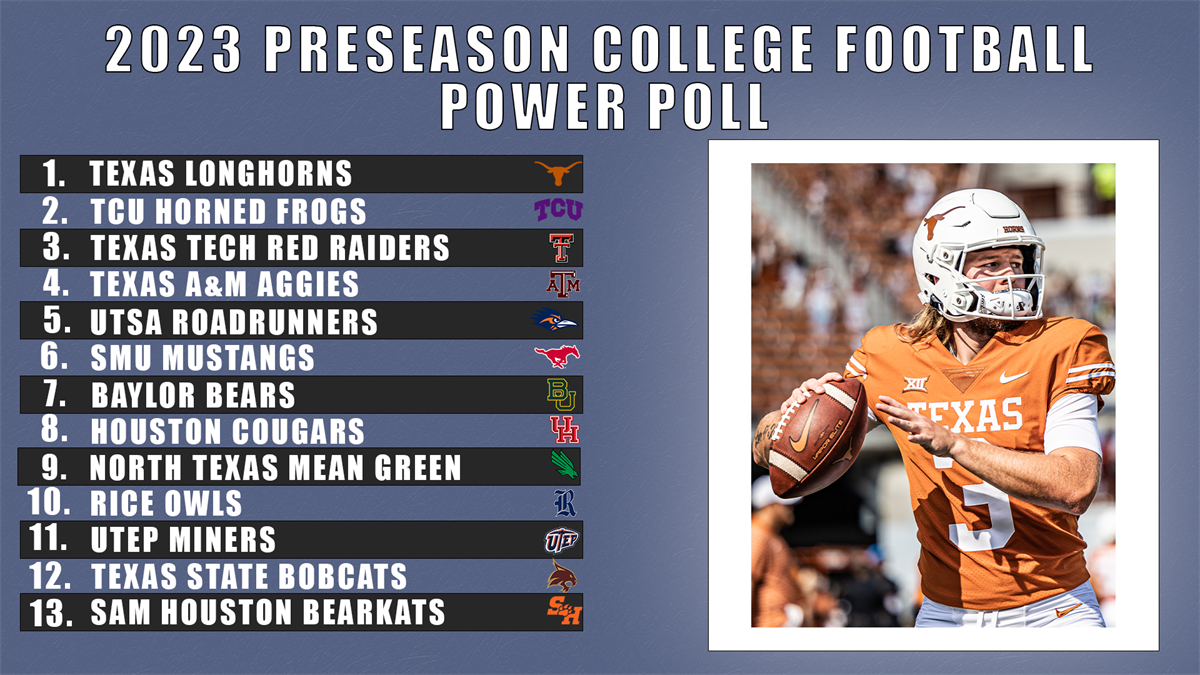
Texas, a state synonymous with size, spirit, and a fervent passion for football, often finds itself at the heart of discussions about collegiate and professional athletic rankings. When people inquire “What Is Texas Ranked Football?”, they are typically seeking to understand the standing of the state’s prominent football programs within national collegiate rankings, particularly concerning the NCAA Division I Football Bowl Subdivision (FBS). This encompasses not only the on-field performance and team rankings but also the perceived prestige and historical significance of football within the Lone Star State.
The question can also touch upon the talent pipeline – how many of Texas’s high school football stars are being recruited by top-tier collegiate programs, and how these young athletes ultimately shape the future landscape of college football. Understanding “Texas Ranked Football” is, in essence, delving into the deep-rooted culture of the sport in Texas, its economic impact on cities and universities, and the ongoing narrative of dominance and aspiration that defines its football identity.

The Pinnacle of Collegiate Football: Texas Programs in National Rankings
The state of Texas boasts a formidable collection of college football programs, many of which consistently appear in national rankings and contend for major championships. The primary focus of “Texas Ranked Football” usually revolves around the Big 12 Conference and, historically, the Southeastern Conference (SEC) due to the significant presence of Texas teams within these powerful athletic organizations.
Powerhouses and Their National Standing
-
The University of Texas at Austin (Texas Longhorns): Arguably the most iconic football program in the state, the Texas Longhorns have a storied history, including multiple national championships and Heisman Trophy winners. Their ranking fluctuates year to year based on team performance, but they are almost always considered a perennial contender and a program that draws national attention. Their move to the SEC in 2024 further solidifies their position in a highly competitive conference, guaranteeing high-stakes matchups against other top-ranked teams.
-
Texas A&M University (Texas A&M Aggies): Another titan of Texas college football, the Texas A&M Aggies also have a rich tradition and a passionate fanbase. Like the Longhorns, they compete in the SEC, facing rigorous competition that often places them in or near national rankings. Their performance in the SEC will be a key factor in their year-to-year standing.
-
Texas Christian University (TCU Horned Frogs): While perhaps not possessing the historical weight of Texas or Texas A&M, TCU has emerged as a consistent contender in recent years. The TCU Horned Frogs made a remarkable run to the College Football Playoff National Championship in the 2022 season, demonstrating their capability to compete at the highest level and earning significant national recognition. Their sustained success has placed them firmly on the map in collegiate football rankings.
-
Baylor University (Baylor Bears): The Baylor Bears have also experienced periods of national relevance, including winning a Big 12 championship and making appearances in major bowl games. Their performance under current coaching leadership often determines their national ranking and perception.
-
Texas Tech University (Texas Tech Red Raiders): Known for its high-octane offense, the Texas Tech Red Raiders have had seasons where they’ve garnered national attention and achieved respectable rankings. Their consistency and ability to pull off upsets against ranked opponents are often key to their placement.
The Impact of Conference Realignment
The landscape of college athletics is constantly shifting, and Texas is at the epicenter of significant conference realignment. The departure of Texas and Texas A&M from the Big 12 to the SEC will dramatically alter the competitive dynamics and national perception of these programs. For the remaining Big 12 teams, this presents both challenges and opportunities. For the traditional Texas powers, their move to the SEC means playing a more demanding schedule, which can lead to both higher rankings if successful, and potentially lower rankings if they falter against elite competition. This realignment is a crucial component of understanding “Texas Ranked Football” as it directly influences the quality of competition and the visibility of these programs on the national stage.
The NFL Pipeline: Texas Talent and Pro Rankings
Beyond collegiate rankings, “Texas Ranked Football” also implicitly refers to the state’s unparalleled production of talent for the National Football League (NFL). Texas high schools are renowned for developing elite athletes, and many of the top players in the NFL hail from the Lone Star State. This continuous influx of talent into the professional ranks contributes to the overall perception of Texas as a football powerhouse.
Recruiting Dominance
Texas consistently ranks among the top states for producing highly-rated recruits in national rankings like those from ESPN and 247Sports. Universities across the country, not just those within Texas, vie for these talented athletes. The ability of Texas college programs to retain and develop this in-state talent is a critical factor in their own collegiate rankings. When teams like the Longhorns and Aggies can secure commitments from a significant number of highly-ranked high school players, it signals their potential for future success and boosts their perceived standing among college football analysts.
Notable NFL Alums
The list of NFL stars who played their college ball in Texas or came through Texas high schools is extensive. Players like Peyton Manning (who played college football at the University of Tennessee but grew up in New Orleans), Patrick Mahomes II (Texas Tech), Drew Brees (Purdue, but from Texas), and countless others underscore the state’s role as a breeding ground for professional talent. The success of these athletes in the NFL further validates the quality of football development within Texas.
The Culture of Football in Texas: More Than Just Rankings
Understanding “Texas Ranked Football” requires looking beyond mere numerical rankings and acknowledging the deeply ingrained cultural significance of the sport. Football in Texas is not just a pastime; it is an institution, a unifying force, and a significant economic driver for many communities.
Friday Night Lights: A State Tradition
The phenomenon of “Friday Night Lights,” referring to high school football games played across Texas, is legendary. These games often draw thousands of spectators, rivaling college attendance in many other states. The passion and dedication at the high school level create a robust talent pool and instill a love for the game from a young age, directly feeding into the collegiate and professional pipelines.
Economic and Social Impact
The presence of highly-ranked college football programs brings substantial economic benefits to their respective cities. Game days turn cities like Austin and College Station into bustling hubs, with hotels, restaurants, and local businesses seeing significant upticks in revenue. The social fabric of many Texan communities is interwoven with their local football teams, fostering a sense of pride and shared identity. The success of these teams in national rankings translates into increased visibility, alumni engagement, and philanthropic support, further solidifying their importance.
Media Coverage and Fan Engagement
Texas football, from high school to the professional level, receives extensive media coverage. Local newspapers, sports radio stations, and dedicated television channels provide in-depth analysis, game previews, and post-game breakdowns. This constant attention fuels fan engagement, creating a cycle of heightened interest and expectation for success. When Texas teams are ranked highly, this coverage intensifies, amplifying their presence on the national sports scene.
Evaluating Texas Football Rankings: Key Metrics and Considerations
When assessing “Texas Ranked Football,” it’s important to understand the criteria used by various ranking systems and what factors contribute to a program’s standing.
The AP Poll and Coaches Poll
The Associated Press (AP) Poll and the Coaches Poll are two of the most historically significant and widely followed college football rankings. These polls are voted on by journalists and coaches, respectively, and reflect a subjective assessment of team performance, strength of schedule, and head-to-head results. Teams from Texas, especially the historically prominent ones, often feature prominently in these polls when they are performing well.
The College Football Playoff (CFP) Rankings
The College Football Playoff (CFP) rankings are the ultimate arbiter of national championship contention. These rankings, determined by a selection committee, are highly scrutinized and have a direct impact on which teams qualify for the four-team playoff. Texas programs that are consistently performing at a high level, winning their conference, and defeating ranked opponents are the ones most likely to appear in the CFP rankings and contend for a national title.
Strength of Schedule
A critical factor in any ranking system is the strength of schedule. Teams that play a more challenging slate of opponents, especially other ranked teams and conference rivals, are often rewarded with higher rankings if they achieve success. For Texas teams, particularly those now in the SEC, their rigorous conference schedules will be a significant determinant of their national standing. The ability to navigate these tough games and secure victories is paramount to climbing the rankings.

Historical Success and Brand Recognition
While current performance is key, historical success and brand recognition also play a role, especially in more subjective polls. Programs with a long tradition of winning, national championships, and a large alumni base, such as the Texas Longhorns and Texas A&M Aggies, often carry a certain weight. Even in down years, their name recognition can keep them in the conversation and influence voter perception. This historical context is an essential layer to understanding the overall “Texas Ranked Football” narrative.
In conclusion, “What Is Texas Ranked Football?” is a multifaceted question that delves into the current performance of the state’s collegiate programs, their historical significance, their impact on professional football, and the pervasive cultural embrace of the sport. It’s a dynamic narrative, constantly evolving with conference realignments, recruiting cycles, and the perennial quest for national championships.
LifeOutOfTheBox is a participant in the Amazon Services LLC Associates Program, an affiliate advertising program designed to provide a means for sites to earn advertising fees by advertising and linking to Amazon.com. Amazon, the Amazon logo, AmazonSupply, and the AmazonSupply logo are trademarks of Amazon.com, Inc. or its affiliates. As an Amazon Associate we earn affiliate commissions from qualifying purchases.