
The Unique Accessibility of Alaska’s Capital
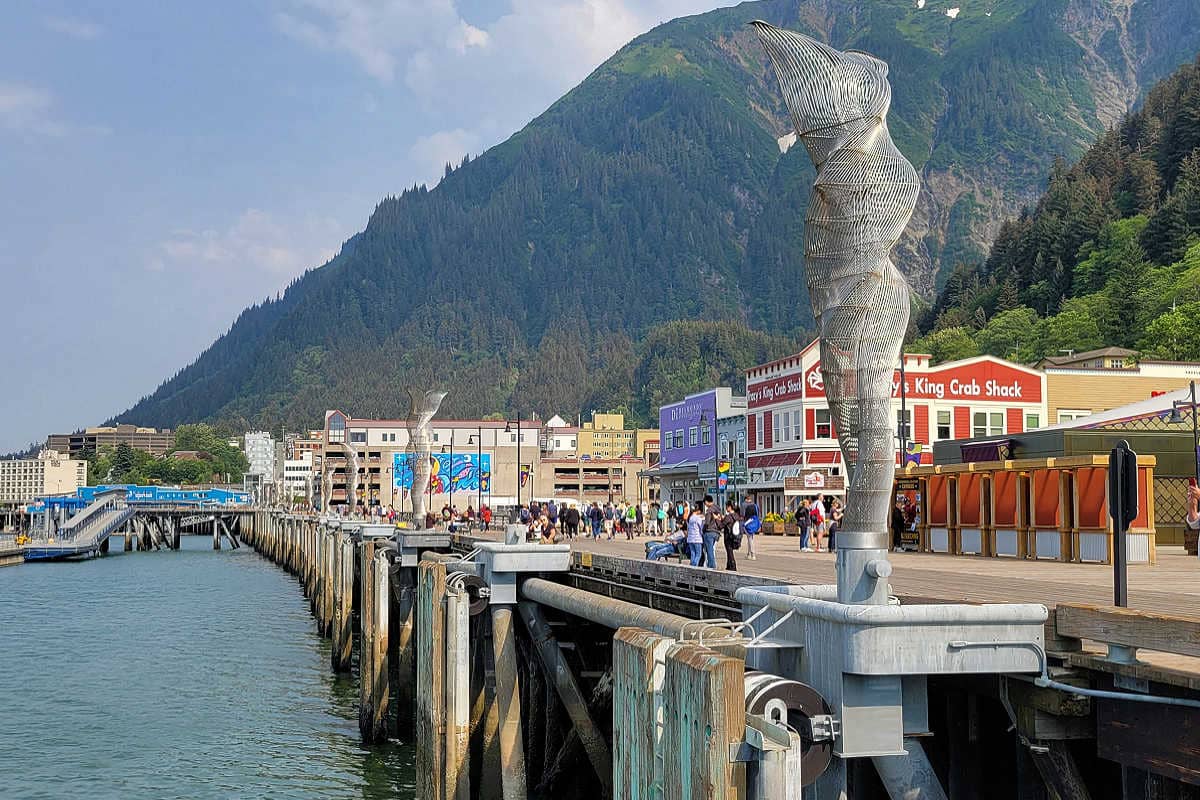
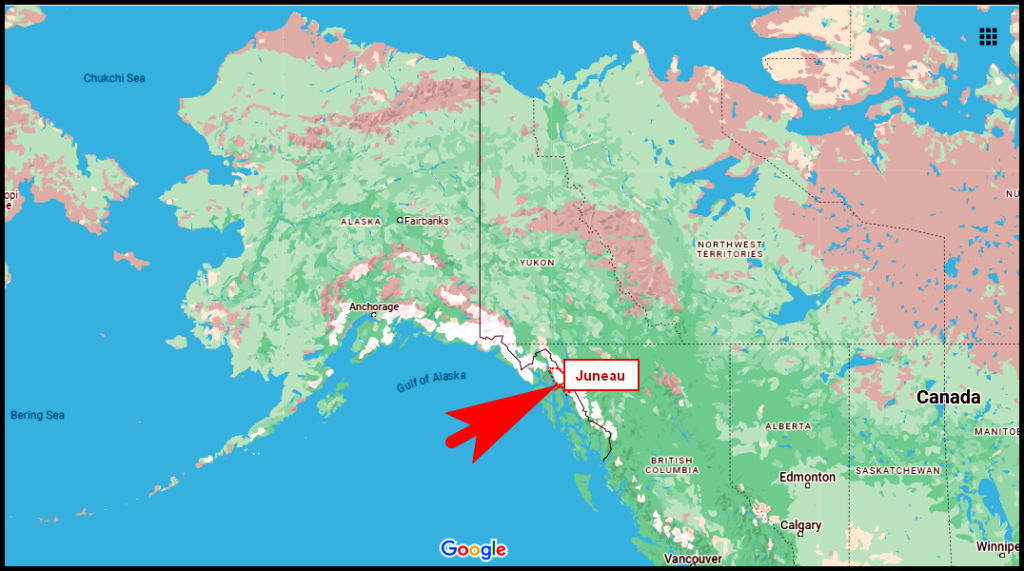
Juneau, the capital city of Alaska, stands apart from most other state capitals in North America due to a distinctive geographical feature: it is one of only a handful of state capitals in the United States not accessible by road from the contiguous highway system. Nestled amidst towering mountains and the deep blue waters of the Gastineau Channel, Juneau’s isolation makes reaching it an adventure in itself, requiring either air or sea travel. This unique characteristic isn’t a hindrance but rather an integral part of the Juneau experience, shaping how visitors arrive and interact with this stunning corner of the world. Understanding these primary modes of transport is key to planning an unforgettable trip to Alaska’s enchanting capital.
Air Travel: The Most Common Approach
For many travelers, flying is the quickest and most straightforward method of reaching Juneau. The city is served by a modern airport that connects it to major hubs, making it accessible even with its lack of road connectivity.
Primary Airport & Airlines
The gateway to Juneau by air is Juneau International Airport (JNU). Despite its relatively small size, JNU is a crucial transportation hub for Southeast Alaska. The dominant carrier serving Juneau is Alaska Airlines, which provides numerous daily flights, especially during the peak summer season. These flights primarily originate from Seattle, Washington, which serves as a major gateway for all of Alaska and offers connections from across the United States and international destinations. Other common departure points include Anchorage, Alaska, and other smaller communities within Southeast Alaska. Regional air taxi services also operate out of JNU, connecting to even more remote villages and lodges.
Flight Considerations
When planning air travel to Juneau, several factors warrant consideration. Booking flights well in advance is highly recommended, particularly if your travel dates fall within the busy summer months (June through August). Fares tend to be higher during this peak season, and popular flight times can sell out quickly. Weather conditions in Alaska can be unpredictable, even in summer, so it’s wise to monitor flight statuses as your departure date approaches. While Juneau International Airport is equipped for instrument landings, dense fog or severe storms can occasionally cause delays or cancellations. Baggage policies should also be reviewed, especially if you plan to bring specialized outdoor gear, fishing equipment, or other oversized items, as regional flights may have stricter limits.
Getting to Your Final Destination from JNU
Upon arrival at Juneau International Airport, travelers have several options for reaching their accommodations or downtown Juneau. Taxis are readily available outside the terminal, as are some limited ride-sharing services. Many local hotels and lodges offer complimentary shuttle services, so it’s advisable to inquire about this when booking your stay. For those preferring public transit, Capital Transit, Juneau’s public bus system, has a stop at the airport, providing an affordable route to various parts of the city. Rental cars are also available from agencies located at or near the airport, offering flexibility for exploring beyond the immediate downtown area. However, given Juneau’s compact core and the prevalence of tours for major attractions, a rental car may not be essential for every visitor.
Sea Travel: An Iconic Alaskan Experience
For those seeking a more scenic and immersive journey, arriving in Juneau by sea offers an unparalleled experience, allowing travelers to witness the stunning landscapes and abundant wildlife of Southeast Alaska firsthand.
Alaska Marine Highway System (AMHS)
The Alaska Marine Highway System, often referred to as “Alaska’s ferries,” provides a unique and vital transportation link to Juneau and other coastal communities. These blue-and-white vessels are more than just ferries; they are working ships that offer a genuine slice of Alaskan life. Passengers can embark on the AMHS from various points, including Bellingham, Washington, for an extended journey up the Inside Passage, or from numerous towns within Southeast Alaska such as Sitka, Ketchikan, Haines, and Skagway.

The AMHS journey is an adventure in itself. Travelers can reserve private cabins for overnight segments, bring their vehicles (cars, RVs, motorcycles), and enjoy amenities like observation lounges, cafeterias, and even movie rooms. The pace is leisurely, encouraging passengers to scan the waters for marine wildlife like whales and porpoises, and to marvel at the pristine coastal wilderness, glaciers, and small towns that dot the route. Booking in advance is crucial, especially during summer, and those planning to bring a vehicle should secure reservations far ahead of time.
Cruise Ships
Without a doubt, cruise ships represent the most popular way for tourists to visit Juneau. Each year, hundreds of thousands of visitors arrive via major cruise lines such as Holland America Line, Princess Cruises, Norwegian Cruise Line, and Royal Caribbean, among others. Most Alaska cruises follow a 7-day Inside Passage itinerary, typically departing from Seattle or Vancouver, British Columbia.
When cruise ships dock in Juneau, passengers are usually within walking distance or a short shuttle ride to the heart of downtown. This allows for easy access to shops, restaurants, and the tramway up Mount Roberts. Shore excursions, pre-booked through the cruise line or locally upon arrival, often include popular activities like whale watching, Mendenhall Glacier tours, dog sledding, and flightseeing. While cruising offers convenience and a structured itinerary, it provides a less independent travel experience compared to flying in or using the ferry system, as port calls are typically limited to several hours.
Small Ship Expeditions and Charters
For those desiring a more intimate and specialized sea journey, small ship expeditions and private charters offer an excellent alternative. These vessels, ranging from luxury yachts to nimble adventure boats, typically carry fewer passengers and focus on in-depth exploration of the wilderness, wildlife, and remote coves that larger cruise ships cannot access. Many of these tours depart from other points in Southeast Alaska or even Seattle, providing a flexible and deeply immersive way to reach and experience the natural wonders surrounding Juneau. These expeditions cater to specific interests, such as photography, kayaking, hiking, or wildlife observation, often spending more time in specific areas, allowing for unparalleled opportunities to connect with the Alaskan wilderness.
Planning Your Journey: Essential Tips
Regardless of how you choose to arrive, a well-planned trip ensures a smoother and more enjoyable experience in Juneau.
Best Time to Travel
The peak travel season for Juneau is generally from May through September. During these months, the weather is milder, daylight hours are long, and all tour operators and attractions are in full swing. This is when you’ll find the most flight and ferry options, but also the largest crowds and highest prices. The shoulder seasons (late April, early October) can offer a good balance of fewer tourists and slightly lower costs, though some services may have reduced schedules, and the weather can be cooler and wetter. Winter travel (November-March) is for those seeking specific activities like heli-skiing or aurora viewing, but be prepared for cold temperatures, limited daylight, and potential weather-related travel disruptions.
Packing Essentials
Given Juneau’s maritime climate, layering is always key. Pack waterproof and windproof outerwear, even in summer, as rain showers can occur unexpectedly. Sturdy, waterproof walking shoes or hiking boots are essential for exploring trails or navigating wet docks. Other advisable items include warm layers (fleece or wool), a hat, gloves, insect repellent (especially for summer excursions into wooded areas), and binoculars for spotting wildlife. Don’t forget a camera with extra batteries to capture the breathtaking scenery.
Booking & Logistics
Early booking is paramount for flights, ferry cabins, and popular tours, particularly if traveling during peak season. Accommodation options in Juneau range from major hotels to charming bed and breakfasts and vacation rentals. Secure your lodging in advance, especially for summer stays. If you plan to explore beyond downtown, research local transportation options or consider a rental car, though many key attractions are accessible via tour operators. Given the unique nature of travel to Alaska, investing in travel insurance that covers delays, cancellations, and medical emergencies is a wise decision.
Beyond Arrival: Local Exploration
Once you’ve successfully navigated your way to Juneau, the adventure truly begins. The city and its surroundings offer a wealth of attractions, from the majestic Mendenhall Glacier and its visitor center, to the bustling downtown area with its unique shops and historical sites. Don’t miss a ride on the Mount Roberts Tramway for panoramic views. Engage with local tour operators for whale watching excursions, bear viewing trips, or kayaking adventures. Always respect the pristine natural environment and follow any guidelines from local guides or park services to ensure a safe and sustainable visit to this remarkable Alaskan capital.
LifeOutOfTheBox is a participant in the Amazon Services LLC Associates Program, an affiliate advertising program designed to provide a means for sites to earn advertising fees by advertising and linking to Amazon.com. Amazon, the Amazon logo, AmazonSupply, and the AmazonSupply logo are trademarks of Amazon.com, Inc. or its affiliates. As an Amazon Associate we earn affiliate commissions from qualifying purchases.