
The question of whether [Otis] (Joe Minoso) dies on Chicago Fire is a recurring one for fans invested in the dramatic fates of the firefighters at Firehouse 51. As a beloved character, his potential demise has been a source of speculation and anxiety throughout the series’ extensive run. Understanding the narrative arcs and character developments surrounding Otis provides insight into how such critical plot points are typically handled within the show’s established storytelling patterns.
Character Arcs and Narrative Significance
Christopher Herrmann and Cruz are often seen as Otis’s closest confidantes within the firehouse. Their relationships are foundational to his character development, highlighting themes of loyalty, brotherhood, and the profound impact of their shared profession. Otis’s journey on the show has been marked by significant personal and professional milestones, including his wedding to Hanna and his ongoing dedication to the fire service. These personal narratives often serve as a counterpoint to the high-stakes emergencies that define their daily lives.

Personal Relationships and Their Impact
Otis’s relationships within Firehouse 51 are integral to his character. His friendship with [Cruz] (Joe Minoso) is particularly strong, often showcasing a blend of camaraderie and mutual respect. The portrayal of these bonds emphasizes the theme of found family among firefighters, a common trope in shows about emergency services. The emotional weight of these connections is often amplified when characters face life-threatening situations, making the potential loss of any member deeply felt by both the characters and the audience.
Professional Growth and Challenges
Beyond his personal life, Otis has demonstrated considerable professional growth. He has consistently shown a commitment to his role as a firefighter, often taking on challenges that test his courage and skill. His journey reflects the inherent risks of the job, where every call can potentially lead to a tragic outcome. The writers frequently explore the psychological toll of these experiences, further embedding the possibility of loss within the show’s fabric.
Major Storylines and Near-Death Experiences
Throughout its run, Chicago Fire has not shied away from depicting severe injuries and near-fatal incidents for its main characters. These storylines are often pivotal, serving to raise the stakes and explore the resilience of the firefighters. Otis, like many of his colleagues, has been at the center of several intense situations that have put his life in jeopardy, prompting fans to question his ultimate fate.
The Impact of Specific Incidents
One of the most significant moments that led to speculation about Otis’s survival occurred during a particularly harrowing episode. This incident, like others of similar gravity, forced the characters to confront their mortality and the fragility of life. Such plot devices are intentionally crafted to evoke strong emotional responses from the audience, making the question of a character’s survival a central point of discussion and concern. The show’s creators often use these dramatic events to test the bonds within the firehouse and to highlight the bravery of the individuals.
The Role of Cliffhangers and Season Endings
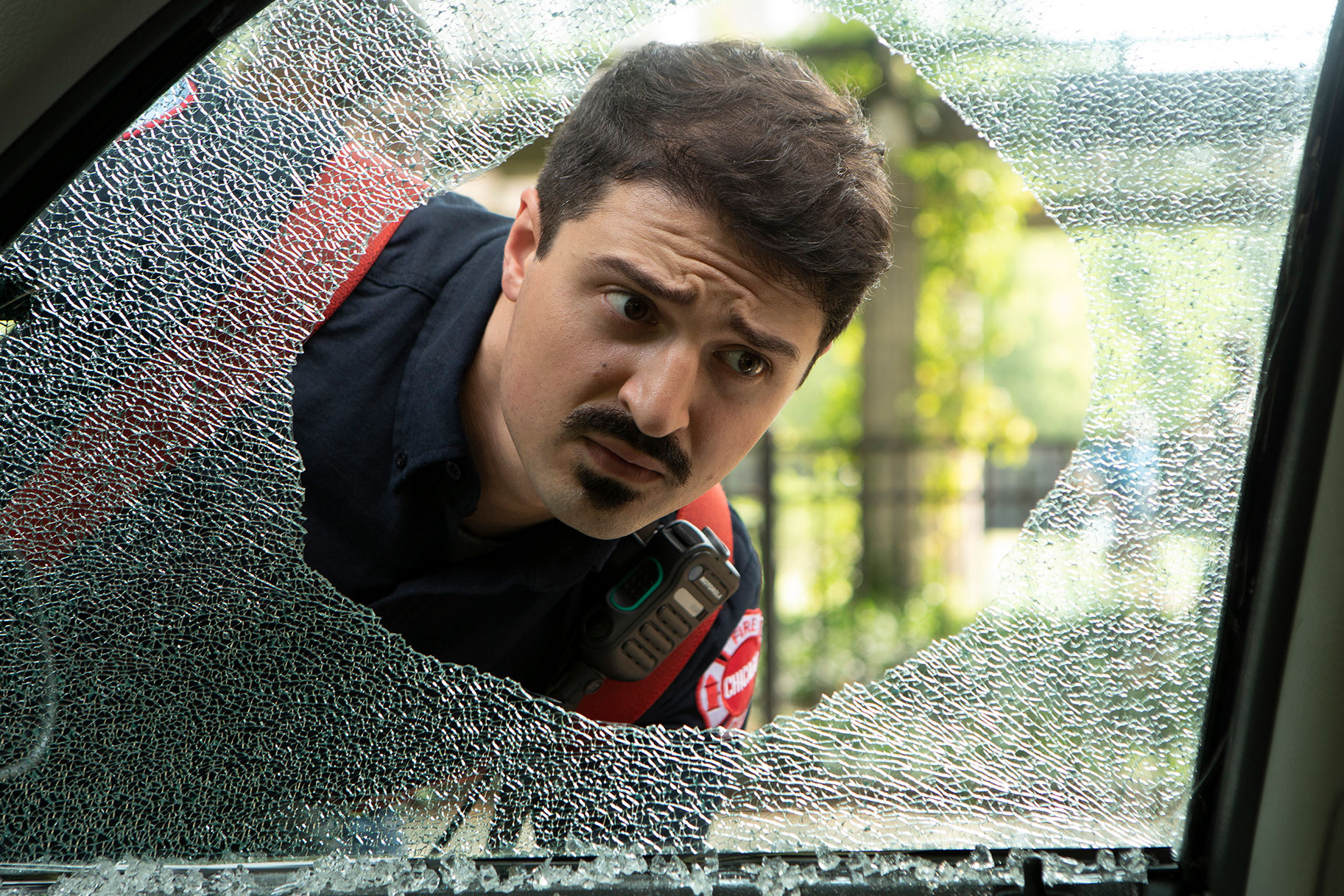
Chicago Fire has a history of utilizing cliffhangers, particularly at the end of seasons, to leave audiences in suspense. These dramatic finales often involve characters in perilous situations, leaving their fates uncertain until the following season premiere. This narrative strategy is a common tool in episodic television to maintain viewer engagement and generate buzz during hiatus periods. Therefore, any discussion about a character’s death is often intensified by these seasonal narrative structures.
Character Survival and Narrative Longevity
The decision to kill off a main character is a significant one for any long-running series. For Chicago Fire, retaining key characters like Otis allows for the continuation and exploration of established relationships and ongoing story arcs. The longevity of characters often dictates the show’s ability to delve deeper into thematic elements and to provide a sense of continuity for its dedicated viewership.
The Strategic Importance of Main Characters
Main characters are the anchors of a television series. Their presence allows for the development of intricate plotlines that span multiple seasons. The writers of Chicago Fire have historically chosen to preserve many of their core cast members, which speaks to the narrative value they bring. This doesn’t diminish the inherent dangers of their profession, but rather frames the show’s focus on resilience and recovery.
The Evolution of Storytelling in Later Seasons
As a show progresses through its seasons, the storytelling often evolves. For Chicago Fire, this has meant introducing new challenges and relationships while maintaining the core ensemble. The survival of characters like Otis contributes to this evolution, allowing for further exploration of their experiences and their impact on the firehouse dynamic. The audience’s investment in these characters is a testament to the show’s ability to create compelling and enduring personalities.
Addressing the Speculation Directly
The question of whether Otis dies on Chicago Fire is one that often arises organically from the show’s dramatic nature. However, a careful review of the series’ narrative history and character management reveals a pattern of survival for its central figures, even in the face of extreme adversity. While the show constantly reminds viewers of the risks inherent in firefighting, it also celebrates the tenacity and luck that often see its heroes through.
Examining Character Fates Across the Series
Over the years, Chicago Fire has seen characters face critical injuries and devastating losses. However, the core group of firefighters, including Otis, has largely remained intact. This is a deliberate choice by the show’s creators, who have invested heavily in developing these characters and their interconnected stories. The narrative tends to focus on the aftermath of danger and the strength derived from community rather than the permanent absence of its most established figures.

The Future of Otis in the [One Chicago] Universe
The One Chicago universe, which includes spin-offs like Chicago P.D. and Chicago Med, thrives on the interconnectedness of its characters and storylines. The continued presence of Otis is crucial for maintaining these connections and for providing a familiar face within the evolving landscape of the franchise. His potential for future storylines, both personal and professional, remains a significant asset to the show.
In conclusion, while the dramatic tensions of Chicago Fire naturally lead viewers to ponder the ultimate fate of beloved characters like Otis, the show’s narrative trajectory has consistently indicated his survival. The focus remains on the resilience, brotherhood, and the enduring spirit of the firefighters of Firehouse 51, ensuring that Otis, for now, continues to be a vital part of their story.
LifeOutOfTheBox is a participant in the Amazon Services LLC Associates Program, an affiliate advertising program designed to provide a means for sites to earn advertising fees by advertising and linking to Amazon.com. Amazon, the Amazon logo, AmazonSupply, and the AmazonSupply logo are trademarks of Amazon.com, Inc. or its affiliates. As an Amazon Associate we earn affiliate commissions from qualifying purchases.