
The question of voter participation is a fundamental aspect of understanding the democratic process in any region. In the vast and unique landscape of Alaska, this inquiry takes on particular significance. The sheer geographical expanse, the dispersed population centers, and the distinct cultural fabric all contribute to a complex electoral environment. Understanding the number of registered voters in Alaska is not merely an academic exercise; it offers insights into civic engagement, potential turnout, and the demographic makeup of the electorate that shapes the state’s future. This exploration delves into the figures, the trends, and the factors that influence voter registration across the Last Frontier.

Understanding the Alaskan Electorate
Alaska, a state renowned for its dramatic natural beauty and pioneering spirit, presents a fascinating case study in voter registration. Unlike more densely populated states, Alaska’s electorate is spread across a territory larger than any other U.S. state. This geographical challenge is compounded by a population that is diverse, including a significant Native Alaskan population, urban dwellers in cities like Anchorage, and residents in remote rural communities.
Key Demographics and Registration Trends
The total number of registered voters in Alaska fluctuates, influenced by population growth, demographic shifts, and the general political climate. Historically, voter registration has been a reflection of the state’s evolving demographics. Factors such as age, ethnicity, and geographic location all play a role in who registers to vote. For instance, while major urban centers like Anchorage and Fairbanks tend to have higher registration numbers due to population density, the engagement of voters in smaller, more remote villages is crucial to the state’s overall electoral picture.
The Alaska Division of Elections is the primary source for official voter registration data. These figures are typically updated periodically and provide a snapshot of the active electorate. It is important to note that these numbers represent individuals who have met the state’s requirements for registration and are therefore eligible to cast a ballot in elections.
Factors Influencing Registration Numbers
Several factors contribute to the dynamics of voter registration in Alaska:
- Population Growth and Migration: Like any state, Alaska experiences population shifts. In-migration can increase the pool of potential voters, while out-migration can decrease it.
- Age Demographics: Younger populations tend to register at different rates than older populations. Voter registration drives often target college campuses and areas with a higher concentration of young adults.
- Voter Outreach and Accessibility: The effectiveness of voter registration campaigns and the accessibility of registration processes can significantly impact the numbers. In a state as vast as Alaska, reaching remote communities with registration opportunities presents unique logistical challenges.
- Political Engagement: Periods of heightened political activity, such as presidential election years or contentious state-level races, often see an increase in voter registration as citizens become more motivated to participate.
Official Voter Registration Statistics
To provide a concrete understanding of the scale of voter participation in Alaska, examining the official statistics is paramount. The Alaska Division of Elections regularly compiles data on registered voters. While the exact numbers can vary depending on the reporting period, general trends offer valuable insights.
Recent Voter Registration Data
As of recent reports from the Alaska Division of Elections, the state has maintained a substantial number of registered voters. For example, in the lead-up to significant elections, the total number of registered voters has often been in the hundreds of thousands. These figures represent the active voter rolls, meaning individuals who are eligible and have completed the necessary steps to be recognized as voters.
It is crucial to differentiate between the total number of registered voters and the number of individuals who actually cast ballots in an election. Voter turnout is a separate metric that reflects the proportion of registered voters who participate in a given election. However, understanding the size of the registered voter pool is the foundational step in analyzing electoral participation.
Data Sources and Verification
The most reliable source for Alaska voter registration data is the Alaska Division of Elections, which operates under the Lieutenant Governor’s Office. This agency is responsible for maintaining accurate voter registration records and ensuring the integrity of the electoral process. Data released by this office undergoes rigorous verification and is considered the official count.
Researchers, political analysts, and engaged citizens often refer to these official reports to gauge the size and potential impact of the Alaskan electorate. These statistics are vital for understanding the landscape of political representation and participation in the state.
Historical Context and Trends in Voter Registration
Examining voter registration in Alaska over time reveals shifts in the state’s political consciousness and demographic evolution. The journey from statehood to the present day has seen periods of significant growth and change in the number of registered voters.
Early Statehood and Voter Growth
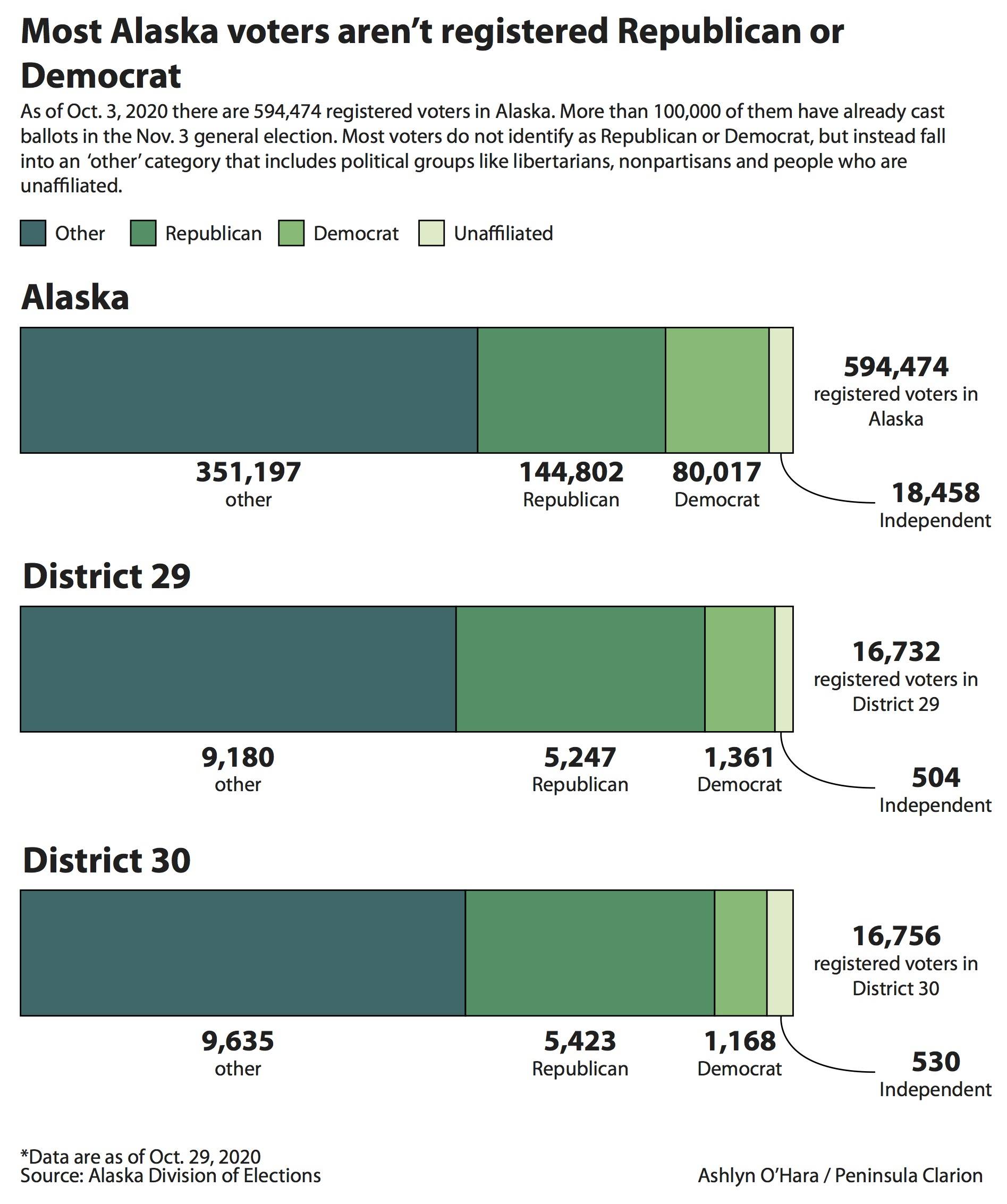
Following Alaska’s admission as the 49th state in 1959, the process of establishing a robust electoral system was underway. Early voter registration numbers, though smaller by today’s standards, reflected the burgeoning population and the nascent political landscape. As the state developed, driven by industries such as oil and fishing, and as communities grew, so did the number of individuals eligible and choosing to register to vote.
Impact of Major Events on Registration
Significant events, both national and local, have historically influenced voter registration rates. For instance, major national elections, particularly those with highly contested races, often spur increased registration efforts. Locally, pivotal state-level decisions or the emergence of strong political personalities can also galvanize citizens to register and participate. The debates surrounding resource development, environmental protection, and the state’s fiscal policies have often been catalysts for increased civic engagement.
Evolving Demographics and Registration Patterns
The demographic composition of Alaska has also evolved, impacting registration patterns. The increasing diversity of the population, including growth in various ethnic and cultural groups, means that registration efforts must be inclusive and accessible to all segments of society. The unique challenges faced by rural and Native Alaskan communities in accessing registration and voting facilities continue to be a focus for election officials and advocacy groups. Initiatives aimed at improving accessibility, such as remote registration drives and expanded absentee voting options, are crucial in ensuring that all eligible Alaskans can participate.
Challenges and Opportunities in Voter Registration
The unique geography and demographics of Alaska present distinct challenges and opportunities for voter registration efforts. Addressing these aspects is key to ensuring a representative and engaged electorate.
Geographic Disparities and Accessibility
Alaska’s vast size, with many communities accessible only by air or sea, makes traditional, centralized registration methods difficult to implement uniformly. Reaching voters in remote villages requires tailored approaches. The Alaska Division of Elections and various non-profit organizations often collaborate to conduct registration drives in these hard-to-reach areas. This can involve traveling to villages during community events, setting up temporary registration booths, and utilizing local leaders to facilitate the process.
Technology and Innovation in Registration
Despite the challenges, technology offers significant opportunities to enhance voter registration in Alaska. Online voter registration, where available and implemented, can streamline the process for many residents, especially those in urban areas. Mobile applications and digital outreach campaigns can also play a role in informing potential voters about registration deadlines and requirements. For remote areas, ensuring reliable internet access and providing clear, easily understandable digital tools are crucial.
Engaging Underserved Communities
Particular attention is often paid to ensuring that all eligible residents, including young people, Native Alaskans, and individuals who may have faced barriers to participation in the past, are aware of their right to vote and have the means to register. Voter education campaigns that are culturally relevant and linguistically accessible are vital. Partnerships with tribal organizations, community centers, and educational institutions are key strategies for reaching these populations effectively. The goal is to foster a more inclusive and representative electorate where all voices can be heard through the ballot box.
The Significance of Registered Voters in Alaska
The number of registered voters in Alaska is more than just a statistic; it represents the collective will and potential participation of the state’s citizenry in shaping its governance and future. Understanding this number is essential for political analysis, policy-making, and fostering a vibrant democracy.
Impact on Elections and Representation
The number of registered voters directly influences the outcome of elections. A higher number of registered voters generally indicates a more engaged populace and can lead to higher voter turnout. This, in turn, ensures that elected officials are more representative of the people they serve. In a state like Alaska, where elections can sometimes be decided by narrow margins, maximizing voter registration is a critical objective for campaigns and civic organizations alike.
Fueling Civic Engagement and Dialogue
The process of voter registration itself is often a catalyst for broader civic engagement. When individuals register to vote, they are often prompted to learn more about the candidates, the issues, and the importance of their participation. Voter registration drives can become community events, fostering dialogue and a shared sense of responsibility. This increased engagement can extend beyond election day, encouraging ongoing participation in local governance and community affairs.

A Measure of Democratic Health
Ultimately, the number of registered voters in Alaska serves as a key indicator of the state’s democratic health. A robust and growing number of registered voters suggests a population that is informed, motivated, and actively participating in the democratic process. Conversely, declining registration numbers might signal issues related to voter apathy, systemic barriers, or a disconnect between citizens and their government. Therefore, tracking and understanding this figure is an ongoing and important endeavor for anyone interested in the civic life of Alaska.
LifeOutOfTheBox is a participant in the Amazon Services LLC Associates Program, an affiliate advertising program designed to provide a means for sites to earn advertising fees by advertising and linking to Amazon.com. Amazon, the Amazon logo, AmazonSupply, and the AmazonSupply logo are trademarks of Amazon.com, Inc. or its affiliates. As an Amazon Associate we earn affiliate commissions from qualifying purchases.