
Embarking on a journey from the industrial heartland of Detroit to the historic and vibrant capital of the United Kingdom, London, is a significant transatlantic voyage. Understanding the duration of this flight is a crucial piece of information for any traveler planning their itinerary, whether for leisure, business, or a mix of both. While a direct flight offers the most straightforward answer, the overall travel time can be influenced by various factors, from airline scheduling to the specific dynamics of air traffic control and prevailing winds.
Understanding Direct Flight Durations
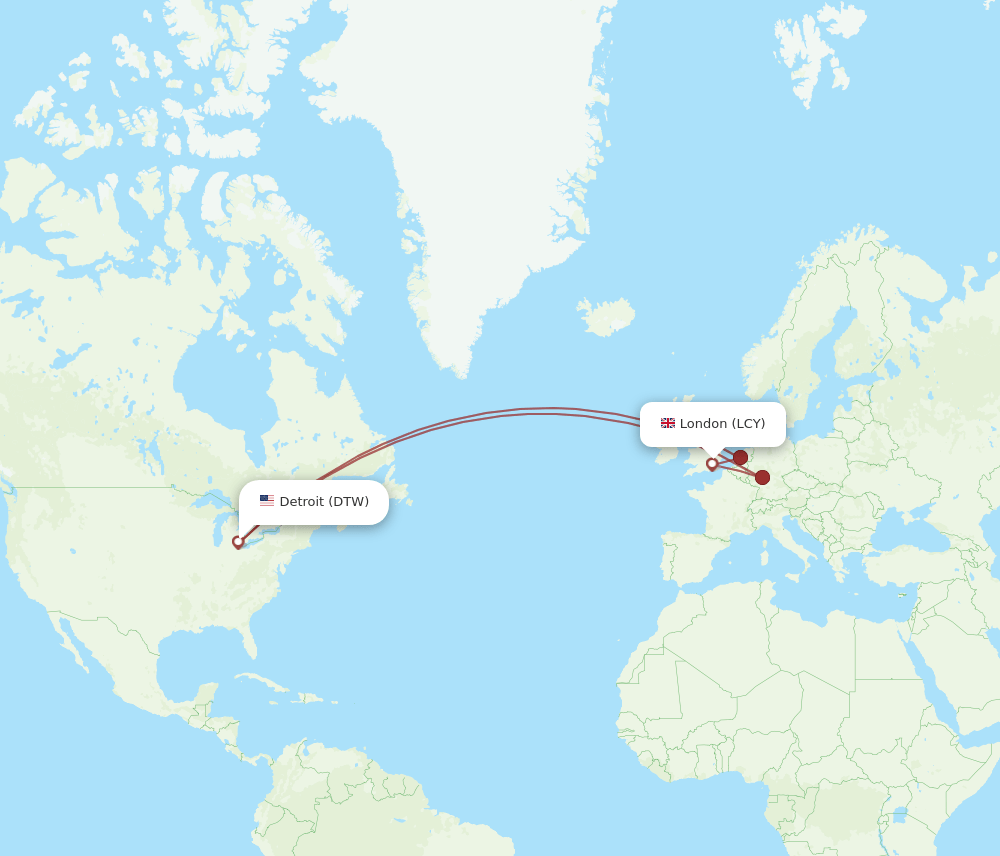
The most anticipated aspect of international travel is often the flight time itself. For the route between Detroit Metropolitan Wayne County Airport (DTW) and London Heathrow Airport (LHR), the primary gateway to London, a direct flight typically spans between 7 to 8 hours. This figure represents the airborne time from takeoff in Detroit to touchdown in London.

Factors Influencing Direct Flight Time
Several elements can subtly adjust this estimated duration:
- Wind Patterns: The prevailing winds, particularly the jet stream, play a significant role. Flying eastward across the Atlantic often benefits from tailwinds, which can shorten flight times. Conversely, headwinds on the return journey from London to Detroit will generally lengthen that leg of the trip.
- Aircraft Type and Speed: Different aircraft models have varying cruising speeds. Modern, wide-body jets like the Boeing 777 or Airbus A350, commonly used on transatlantic routes, are designed for efficiency and speed.
- Flight Path and Air Traffic Control: The exact flight path is determined by air traffic control to optimize safety and efficiency. Congested airspace or the need to reroute due to weather can add a few minutes to the journey.
- Airline Scheduling: Airlines set their flight schedules based on these estimations, often building in a buffer for minor delays. Therefore, a scheduled flight time might be slightly longer than the absolute shortest possible flight duration.
When booking your flight, most airlines will list an estimated flight duration. It is advisable to consider this as an approximation, as actual flight times can vary. For a more precise understanding, checking with the specific airline operating your chosen flight is recommended.
The Impact of Connecting Flights
While direct flights are the quickest, they are not always the most readily available or cost-effective option. Many travelers opt for flights with one or more layovers, particularly if they are seeking different price points or if direct services are limited. Connecting flights significantly extend the overall travel time.
Estimating Total Travel Time with Layover(s)
The duration of a connecting flight from Detroit to London is highly variable and depends on several critical components:

- Layover Duration: This is the most significant factor. Layover times can range from a brief hour to several hours, or even overnight. A short layover might be as little as 60-90 minutes, while longer ones can extend to 3-5 hours or more, especially if the connecting airport is busy or if there are fewer daily flights.
- Connecting Airport: The location of the layover airport plays a role. Major international hubs like Amsterdam Schiphol Airport, Dublin Airport, or Frankfurt Airport will have a higher volume of connecting traffic, potentially leading to more efficient transfers but also increasing the chance of delays.
- Flight Segments: The total flight time will be the sum of the durations of the individual flight segments between the layover points. For example, a flight from Detroit to a European hub and then another from that hub to London.
- Time Between Flights: This includes not only the scheduled layover time but also the time taken to disembark from the first flight, navigate the connecting airport, potentially go through security or immigration checks (depending on the airport and your nationality), and reach the gate for your second flight.
A connecting flight from Detroit to London can easily extend the total journey to anywhere from 10 to 15 hours, and sometimes even longer. This comprehensive travel time includes the time spent on the ground between flights, in addition to the airborne hours. Planning for a connecting flight requires careful consideration of the total time commitment and potential for unforeseen delays.
Strategic Considerations for Connecting Flights
When selecting a connecting flight, travelers should weigh the benefits against the extended time:
- Cost Savings: Connecting flights are often cheaper than direct ones, making them an attractive option for budget-conscious travelers.
- Opportunity to Break Up the Journey: A longer layover can sometimes be used to briefly explore a new city, though this requires careful planning to ensure sufficient time and to avoid missing the onward flight.
- Risk of Missed Connections: A significant downside is the risk of missing your connecting flight due to delays on the first leg. Airlines typically provide a minimum connection time, but this is not a guarantee against delays.
- Baggage Handling: While airlines are responsible for transferring checked baggage between flights, the risk of lost or delayed luggage increases with more connections.
To mitigate risks associated with connecting flights, it’s advisable to:
- Choose airlines within the same alliance or codeshare partners to facilitate smoother baggage transfers.
- Opt for longer layovers if possible, especially if you are unfamiliar with the connecting airport.
- Factor in ample time for immigration and customs, particularly if the connecting city is outside the Schengen Area for those not holding certain passports.
Planning Your Transatlantic Travel
The flight from Detroit to London is a significant segment of any trip between these two key locations. Whether you choose the efficiency of a direct flight or the potential cost savings of a connecting journey, understanding the time implications is paramount to a well-organized travel experience.
Preparing for Your Flight
Regardless of the flight type, preparation is key to a comfortable and smooth journey:
- Check-in: Utilize online check-in offered by most airlines to save time at the airport and secure your preferred seat.
- Arrival Time: For international flights, especially from a major hub like DTW, arriving at the airport at least three hours before departure is standard practice. This allows ample time for check-in, bag drop, and security.
- Carry-on Luggage: Pack essentials, entertainment, and any necessary medications in your carry-on bag. This is especially important for longer flights and crucial if your checked baggage is delayed.
- Comfort: Dress in comfortable clothing, as the flight duration demands it. Hydration is also important during long flights; drink plenty of water.
- Jet Lag: Be prepared for the time difference between Detroit (Eastern Time) and London (Greenwich Mean Time/British Summer Time). Adjusting your sleep schedule gradually before departure can help minimize the effects of jet lag.
By thoroughly researching flight durations, considering the nuances of direct versus connecting flights, and preparing adequately, travelers can ensure their journey from Detroit to London is as seamless and enjoyable as possible, setting a positive tone for their exploration of England and beyond.
LifeOutOfTheBox is a participant in the Amazon Services LLC Associates Program, an affiliate advertising program designed to provide a means for sites to earn advertising fees by advertising and linking to Amazon.com. Amazon, the Amazon logo, AmazonSupply, and the AmazonSupply logo are trademarks of Amazon.com, Inc. or its affiliates. As an Amazon Associate we earn affiliate commissions from qualifying purchases.