
Understanding the Demographics of a Vibrant Community
The question of “What Percent Of New York City Is Jewish?” delves into the rich tapestry of a community that has played an integral role in shaping the cultural, social, and economic landscape of New York City. This inquiry, while seemingly simple, opens a gateway to understanding the intricate demographics and historical presence of Jewish people in one of the world’s most dynamic metropolises. It’s a question that touches upon heritage, faith, community, and the very essence of what makes New York City so unique. To accurately address this, we must consider various statistical sources and acknowledge the inherent complexities in defining and counting a population that is diverse in its observance, origin, and geographical distribution within the city’s five boroughs.
The Jewish population of New York City is not monolithic. It encompasses a wide spectrum of religious observance, from the strictly Orthodox to the secular, and a rich diversity of ethnic backgrounds, including Ashkenazi, Sephardi, Mizrahi, and Ethiopian Jews, among others. This diversity is a hallmark of the city itself, and understanding the Jewish community means appreciating these internal distinctions. Furthermore, the data often relies on self-identification, religious affiliation, and household composition, which can lead to variations in reported numbers. However, consistently, New York City stands out as having the largest Jewish population of any city outside of Israel, a testament to its enduring appeal and the historical significance of Jewish settlement here.
Statistical Snapshots: Key Figures and Trends
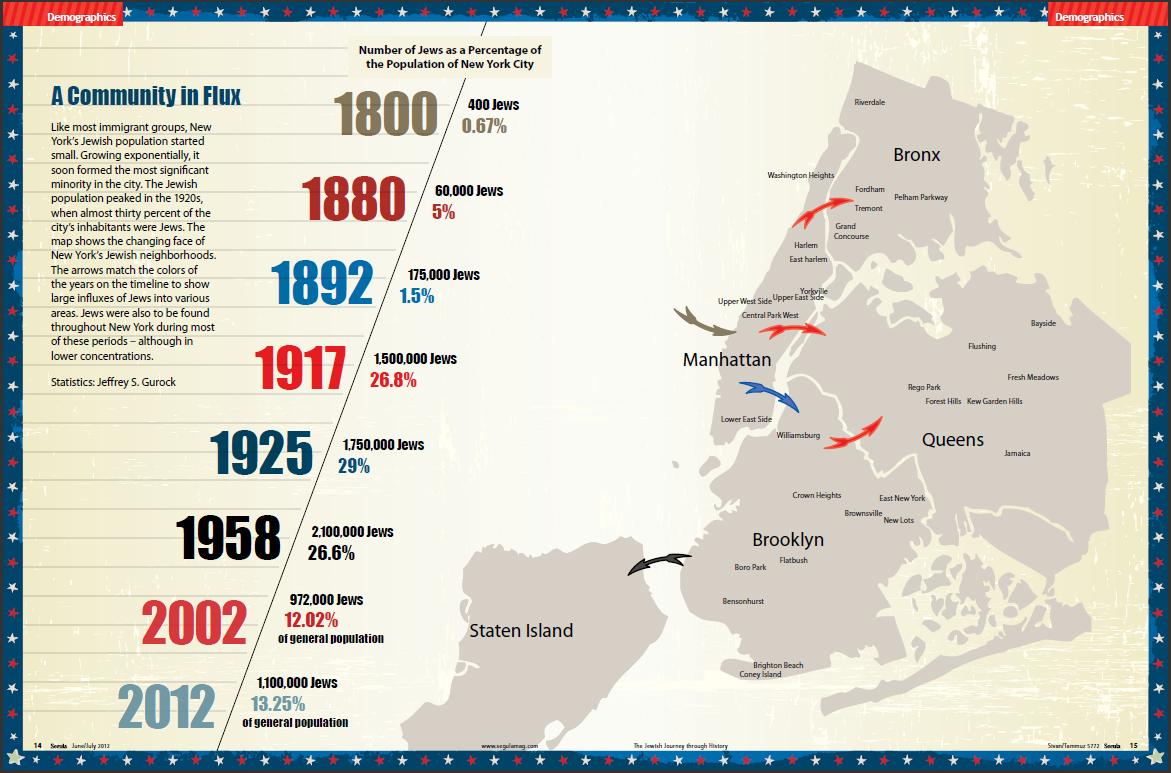
Pinpointing an exact percentage requires consulting recent demographic studies and surveys. While figures can fluctuate based on the methodology and the year of the study, consistent trends emerge. Broadly speaking, the Jewish population in New York City has been estimated to be around 10-15% of the total city population in recent decades. This translates to over 1.5 million individuals, making it a substantial and influential demographic group. This figure is a significant portion of the United States‘ entire Jewish population, highlighting New York City’s central role in American Jewish life.
The distribution of this population across the boroughs is also noteworthy. Historically, Brooklyn has been a major hub for Jewish communities, particularly with large Orthodox enclaves like Borough Park, Williamsburg, and Crown Heights. However, significant Jewish populations are also found in Queens, Manhattan, and to a lesser extent, the Bronx and Staten Island. Each borough offers a unique reflection of Jewish life, from the bustling streets of Manhattan with its cultural institutions and synagogues to the more suburban residential patterns in parts of Queens.
Growth and Migration Patterns
The Jewish population in New York City has not been static. It has been shaped by waves of immigration, internal migration within the city and the country, and natural population growth. Early Jewish settlers arrived in the colonial era, but the most significant influx occurred in the late 19th and early 20th centuries, with large numbers of Eastern European Jews fleeing persecution. These immigrants established vibrant communities, laying the groundwork for the city’s current Jewish landscape. More recent migrations, including from Israel, the former Soviet Union, and other parts of the world, have continued to add to the community’s richness and diversity.
Understanding these migration patterns is crucial for grasping the present-day distribution and composition of New York City’s Jewish population. For instance, the growth of Hasidic communities, particularly in Brooklyn, has been a significant demographic trend in recent decades, driven by high birth rates and continued immigration. Conversely, some historically Jewish neighborhoods in Manhattan, like the Lower East Side, have seen their Jewish populations decrease due to gentrification and changing residential patterns, though they remain vital centers of Jewish culture and history.
The Cultural and Social Fabric of Jewish New York
Beyond the statistics, the Jewish community’s impact on New York City is profound and multifaceted. This impact is visible in the city’s culinary scene, its arts and culture, its philanthropic endeavors, and its political discourse. From iconic delis serving classic Jewish fare to world-renowned cultural institutions like the Museum of Jewish Heritage and the Jewish Museum, the Jewish presence is deeply woven into the urban fabric.
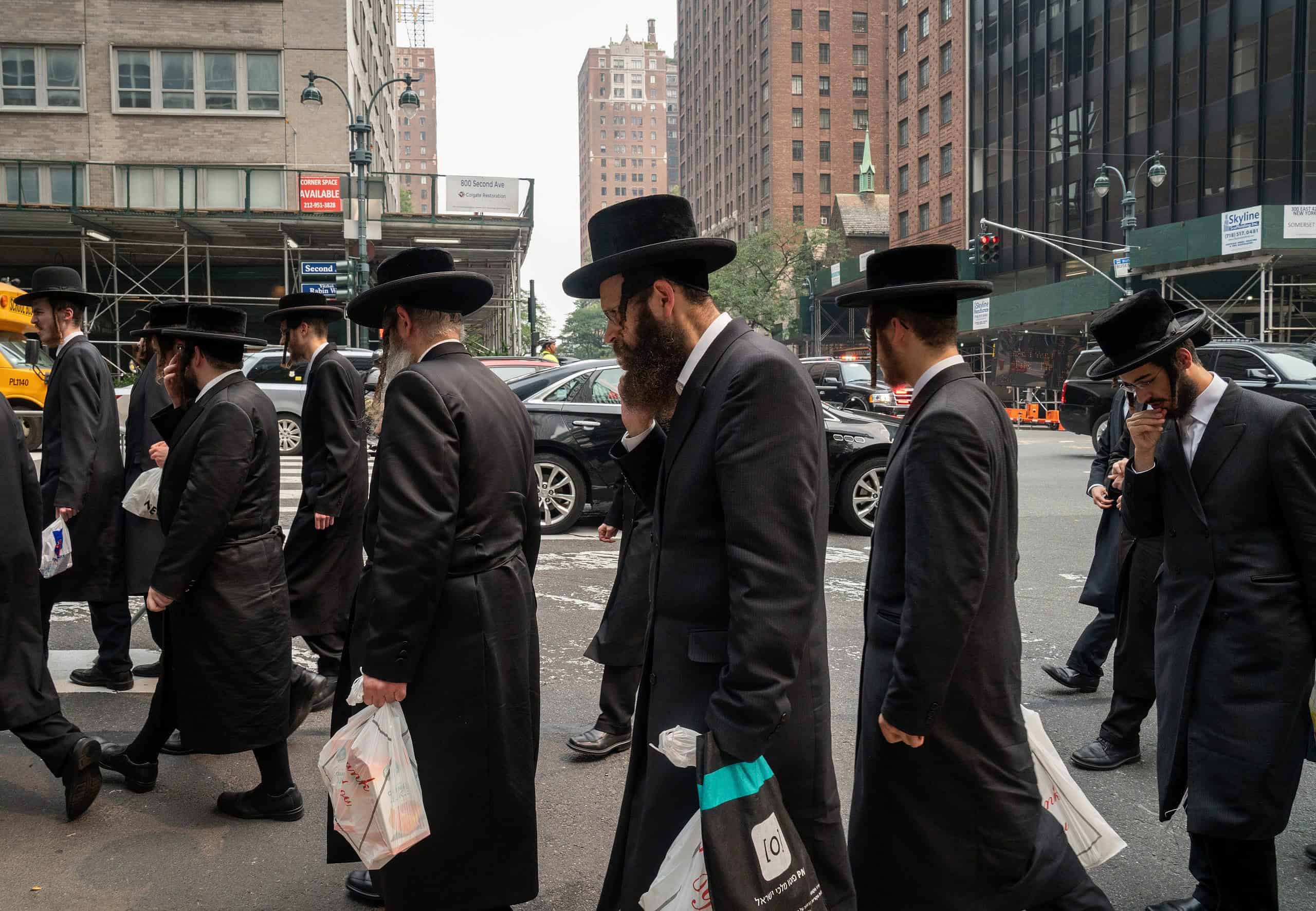
The sheer density of synagogues, community centers, kosher food establishments, and Jewish schools across the city underscores the community’s vitality. These institutions are not merely places of worship or education; they are central to Jewish life, providing social cohesion, cultural continuity, and a sense of belonging for millions. Exploring neighborhoods with a strong Jewish presence, such as Williamsburg or Borough Park, offers a glimpse into distinct cultural expressions, from the distinctive dress of many Hasidic communities to the bustling marketplaces filled with kosher goods.
Jewish Neighborhoods: Hubs of Community Life
Each major Jewish neighborhood in New York City possesses its unique character and contributions. In Brooklyn, Williamsburg is home to one of the largest Satmar Hasidic communities, known for its vibrant religious life and distinctive social structure. Nearby, Borough Park is another significant center, characterized by its numerous synagogues, kosher restaurants, and Jewish businesses. Crown Heights is renowned as the international headquarters of the Chabad-Lubavitch movement, a global Jewish outreach organization, and is a melting pot of Jewish and Caribbean cultures.
In Queens, neighborhoods like Forest Hills and Rego Park host diverse Jewish communities, including a notable population of Bukharian Jews, originally from Central Asia, who have established a thriving community with unique cultural traditions and culinary offerings. Manhattan continues to be a center for Jewish professional and cultural life, with a strong presence on the Upper West Side, home to several prominent synagogues and Jewish organizations, and a historical legacy in areas like the Lower East Side, which, though less densely populated by Jews today, retains many landmarks and memories of its past.
Exploring Jewish Heritage and Culture in the City
For visitors and residents alike, exploring the Jewish heritage of New York City is an enriching experience. This exploration can take many forms, from visiting historical sites to experiencing contemporary Jewish life. The Tenement Museum on the Lower East Side offers a powerful look at the lives of early Jewish immigrants, providing a tangible connection to the struggles and triumphs of those who built New York City.
Beyond historical sites, experiencing New York City’s Jewish culture can involve attending a concert at Carnegie Hall that features Jewish composers, enjoying a meal at a traditional kosher restaurant, or visiting a vibrant street fair during a Jewish holiday. The city’s numerous Jewish film festivals, theater productions, and art exhibitions further showcase the dynamic and evolving nature of Jewish culture in America. Engaging with these aspects provides a deeper appreciation for the community’s contributions and its enduring presence in New York City.

Religious Observance and Community Institutions
The religious observance within the Jewish community is as varied as the population itself. From the daily prayer services at Orthodox synagogues to the more liberal services at Reform and Conservative temples, there are numerous options for those seeking spiritual connection. The sheer number of synagogues, with some estimates placing the figure in the hundreds across the city, reflects the diverse needs and preferences of the Jewish populace.
Community institutions extend far beyond the synagogue. Jewish Community Centers (JCCs) serve as vital hubs, offering a wide range of programs, from fitness and educational classes to social events and cultural activities. Jewish federations and social service agencies play a crucial role in supporting the community, addressing social needs, and fostering Jewish continuity. These organizations, funded by dedicated individuals and often supported by the Jewish population’s philanthropic spirit, are foundational to the well-being and vibrancy of Jewish life in New York City. The commitment to education is also paramount, with a robust network of Jewish day schools and yeshivas educating generations of young people in both secular and religious studies.
In conclusion, the percentage of Jewish people in New York City represents a significant demographic presence that has indelibly shaped the city’s identity. While precise figures may vary, the consistent estimation places this vibrant community as a cornerstone of New York City’s cultural, social, and historical narrative. Understanding this demographic is key to appreciating the full spectrum of experiences and contributions that define this global metropolis.
LifeOutOfTheBox is a participant in the Amazon Services LLC Associates Program, an affiliate advertising program designed to provide a means for sites to earn advertising fees by advertising and linking to Amazon.com. Amazon, the Amazon logo, AmazonSupply, and the AmazonSupply logo are trademarks of Amazon.com, Inc. or its affiliates. As an Amazon Associate we earn affiliate commissions from qualifying purchases.