
In an era of increasingly crowded destinations and interconnected travel, the very notion of a “last frontier” holds a potent allure. For decades, Alaska has proudly worn this title, representing a vast, untamed wilderness offering unparalleled adventure and solitude. After periods of fluctuating visitor numbers, particularly in the wake of global events, the question arises: Is Alaska, the true Last Frontier, experiencing a resurgence in popularity, drawing travelers back to its rugged embrace? All signs point to a resounding yes, as a new generation of explorers and seasoned adventurers alike rediscover the immense appeal of this majestic state.

The Allure of Untamed Wilderness
Alaska’s primary draw has always been its extraordinary natural beauty and its sheer scale. It is a land where nature dominates, offering landscapes untouched by human development and an abundance of iconic wildlife.
Pristine Landscapes and Wildlife Encounters
From the towering peaks of the Alaska Range to the sprawling glaciers that carve through its coastal fjords, the scenery is nothing short of breathtaking. Denali National Park stands as a crown jewel, home to Mount Denali, North America’s highest peak, and offering unparalleled opportunities to spot grizzly bears, caribou, moose, and wolves in their natural habitat. Further south, the dramatic ice formations of Glacier Bay National Park and Tracy Arm Fjord provide a surreal experience, with tidewater glaciers calving massive chunks of ice into the sea.
Beyond these well-known locales, countless lesser-explored regions await, from the remote reaches of the Arctic National Wildlife Refuge to the volcanic landscapes of the Aleutian Islands. Travelers seeking true immersion find it here, whether it’s witnessing millions of salmon return to spawn in Brooks Falls within Katmai National Park, or observing humpback whales breaching in the waters off Juneau. These encounters are not mere sightings but profound experiences that underscore the raw power and delicate balance of nature. The sheer diversity of Alaska’s ecosystems ensures that every visit, whether to its coastal rainforests or its vast interior tundra, offers a unique window into an ecologically rich and globally significant biome.
The Call of the Wild: Adventurous Pursuits
For the active traveler, Alaska is an unmatched playground. Hiking trails range from gentle boardwalks winding through temperate rainforests to challenging multi-day treks across vast, unpathed wilderness. Kayaking and rafting expeditions navigate glacial rivers and serene fjords, providing intimate perspectives of the landscape and wildlife. Fishing enthusiasts flock to the state for world-class salmon and halibut fishing in towns like Homer and Ketchikan, while flightseeing tours offer breathtaking aerial views of inaccessible mountain ranges and icefields.
Winter transforms Alaska into a wonderland for snow sports, from heli-skiing in the Chugach Mountains to dog sledding across frozen expanses, famously epitomized by the Iditarod Trail Sled Dog Race. The spectacle of the Northern Lights dancing across the dark winter sky in places like Fairbanks is a bucket-list experience that attracts visitors during the colder months, adding another dimension to Alaska’s year-round appeal. This blend of accessible adventure and extreme wilderness exploration caters to a wide spectrum of thrill-seekers, solidifying Alaska’s reputation as an essential destination for those craving genuine outdoor engagement.
Accessibility and Modern Comforts Meet Rustic Charm
While Alaska’s wildness is its essence, its growing popularity owes much to improved accessibility and a burgeoning infrastructure that skillfully blends modern conveniences with its rugged identity.
Cruising the Inside Passage
The most popular way to experience coastal Alaska remains a cruise through the Inside Passage. These voyages offer a comfortable and relatively effortless way to witness stunning fjords, glaciers, and wildlife, stopping at charming port towns such as Ketchikan, Sitka, and Skagway. Cruise lines have adapted to cater to diverse traveler preferences, offering everything from luxury liners with extensive amenities to smaller expedition ships focused on immersive wilderness experiences. This mode of travel allows visitors to soak in the dramatic scenery from the comfort of their ship, with opportunities for shore excursions that delve deeper into local culture and natural attractions. The increasing number of options, including those emphasizing eco-tourism, makes cruising an ever-more attractive gateway to the state.
Overland Exploration: Road Trips and Rail Journeys
Beyond the coasts, Alaska’s interior is increasingly accessible via scenic road trips and historic rail journeys. The Seward Highway, connecting Anchorage to Seward, is frequently named one of the most scenic drives in the world, offering views of mountains, glaciers, and the waters of Turnagain Arm. Similarly, the Parks Highway leads travelers from Anchorage to Fairbanks, passing directly by Denali National Park.
The Alaska Railroad provides a unique and classic way to traverse the landscape, with routes like the Denali Star offering glass-domed cars for panoramic views of glaciers, rivers, and wildlife. These overland options allow for greater flexibility and deeper exploration, complementing the coastal experience. Modern infrastructure, including well-maintained visitor centers, a range of accommodation options from rustic cabins to upscale lodges, and improved communication networks, ensures that visitors can enjoy the wilderness without entirely sacrificing comfort or safety. This blend of accessibility and comfort, without compromising the state’s wild spirit, is a key factor in its renewed appeal.
Beyond the Scenery: Cultural Immersion and Local Experiences

While the natural environment is undeniably the star, Alaska’s unique cultural heritage and vibrant local communities add profound depth to any travel experience.
Indigenous Heritage and Local Communities
Alaska is home to twenty distinct Native Alaskan cultures, each with its own language, traditions, and artistic expressions. Visiting cultural centers in cities like Anchorage and Fairbanks, or engaging with local communities in southeastern towns like Sitka and Ketchikan, provides invaluable insights into their rich histories. Travelers can witness traditional dances, explore museums displaying intricate carvings and regalia, and learn about subsistence lifestyles that have sustained these communities for millennia. This commitment to sharing and preserving Indigenous traditions, from the Tlingit and Haida of the southeast to the Inupiat of the Arctic, offers a powerful counterpoint to the natural wonders, enriching the visitor’s understanding of this complex land. Responsible tourism plays a crucial role in supporting these communities and ensuring their heritage thrives.
Culinary Adventures: Taste of the Alaskan Frontier
Alaskan cuisine is a delicious reflection of its environment and heritage, emphasizing fresh, wild, and locally sourced ingredients. Seafood takes center stage, with world-renowned King Salmon, sockeye salmon, halibut, and Alaskan king crab appearing on menus across the state. From upscale restaurants in Anchorage to humble fish-and-chip stands in fishing villages, the freshness is undeniable.
Beyond seafood, visitors can sample specialties like reindeer sausage, wild berries, and locally brewed craft beers. Farmers’ markets in larger towns offer a taste of local produce, while remote lodges often pride themselves on preparing gourmet meals using ingredients harvested from the surrounding wilderness. Engaging with this vibrant culinary scene is an integral part of the Alaskan travel experience, connecting visitors to the land’s bounty and the resourcefulness of its people. This blend of stunning natural beauty and deep cultural roots ensures a holistic and memorable travel experience.
The Economic and Environmental Balance
The resurgence of interest in Alaska as a travel destination brings with it both opportunities and responsibilities. Sustainable practices are becoming increasingly vital to preserve its unique ecosystems.
Sustainable Tourism Initiatives
Recognizing the delicate balance between welcoming visitors and protecting its pristine environment, Alaska is increasingly focusing on sustainable tourism. Many tour operators now prioritize eco-friendly practices, such as reducing waste, minimizing carbon footprints, and educating travelers on responsible wildlife viewing. National parks and state agencies enforce strict regulations to protect natural habitats and ensure minimal human impact. Efforts are also underway to promote off-peak travel and diversify destinations beyond the most popular spots, helping to distribute visitor impact and support a broader range of local economies. This commitment to sustainability is crucial for the long-term health of Alaska’s natural wonders and ensures that the “last frontier” remains wild for future generations.
Balancing Growth with Preservation
The renewed interest in Alaska brings economic benefits, creating jobs and supporting local businesses, particularly in areas heavily reliant on the tourism industry. However, managing this growth responsibly is paramount. Discussions around capacity limits, infrastructure development, and environmental impact assessments are ongoing. The goal is to maximize the positive economic effects of tourism while preserving the very qualities that make Alaska so special – its untamed beauty and ecological integrity. Travelers themselves play a critical role by choosing ethical operators, respecting local customs, and adhering to leave-no-trace principles, thereby contributing to the sustainable future of this extraordinary destination.
Why Now is the Time to Re-discover Alaska
The momentum is building, and Alaska is undeniably experiencing a resurgence as a premier travel destination, offering something for every type of traveler.
Post-Pandemic Resurgence and Renewed Interest
After a period of reduced travel, Alaska has seen a robust return of visitors. The desire for wide-open spaces, connection with nature, and experiences that feel truly authentic has propelled destinations like Alaska to the top of many travelers’ lists. People are seeking unique, memorable adventures away from crowded urban centers, and Alaska delivers precisely that. The global shift towards experiential travel, focusing on immersion and personal growth rather than just sightseeing, perfectly aligns with what the Last Frontier offers. This renewed appreciation for pristine environments and meaningful engagement with nature is driving its comeback.
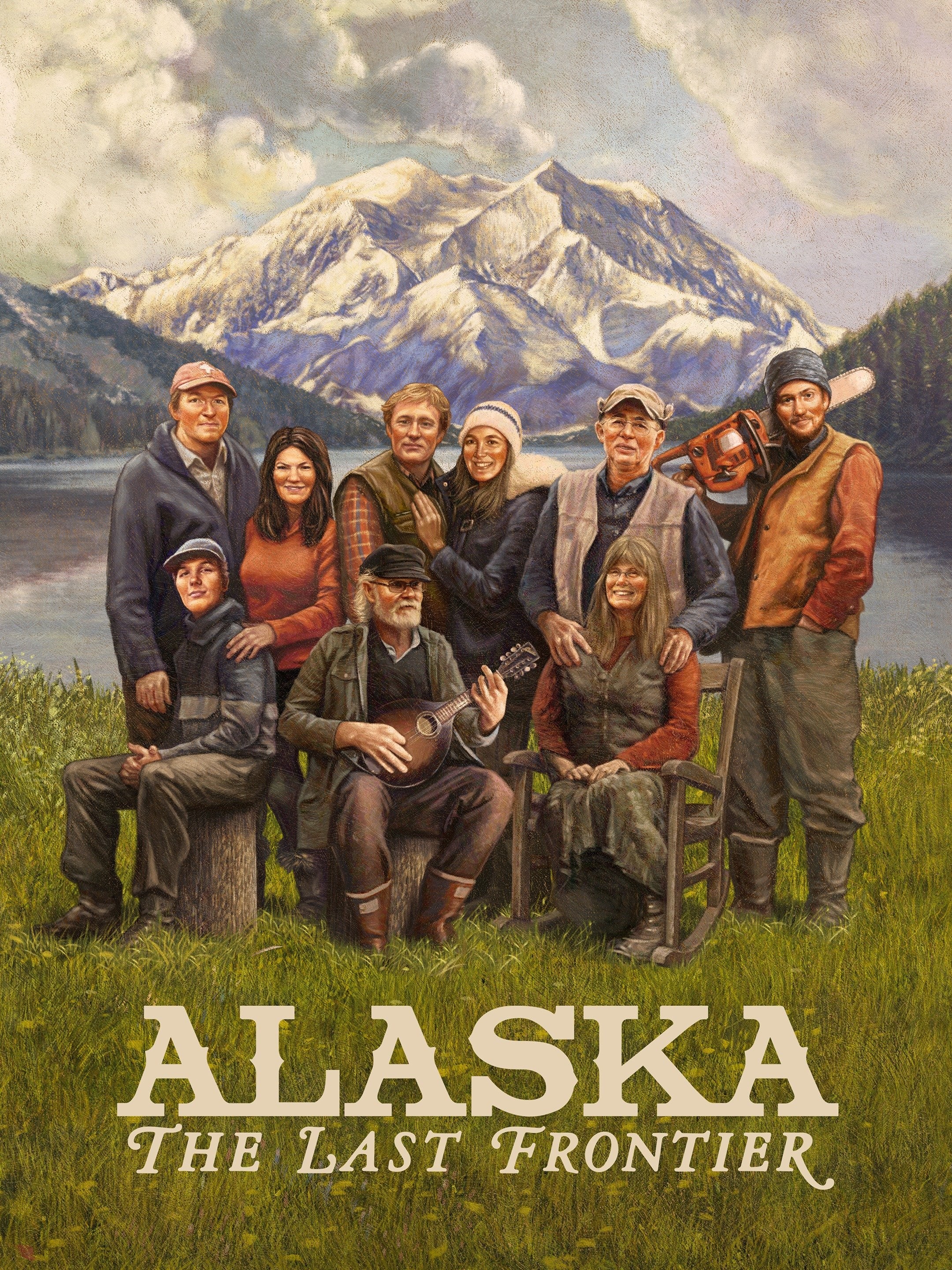
A Destination for Every Traveler
Whether you dream of luxurious cruises with gourmet dining and spa services, rugged backpacking trips into remote wilderness, family-friendly adventures like wildlife tours and fishing excursions, or cultural explorations through Native Alaskan villages, Alaska offers a tailor-made experience. Its diverse offerings mean that the notion of a single “Alaskan” trip is outdated; rather, it’s a canvas for countless unique journeys. The convergence of improved accessibility, a commitment to sustainability, and the timeless allure of its wild landscapes makes Alaska not just coming back, but redefining its place as an essential destination for the modern adventurer. The time to explore the Last Frontier is now, before the secret is out to everyone.
LifeOutOfTheBox is a participant in the Amazon Services LLC Associates Program, an affiliate advertising program designed to provide a means for sites to earn advertising fees by advertising and linking to Amazon.com. Amazon, the Amazon logo, AmazonSupply, and the AmazonSupply logo are trademarks of Amazon.com, Inc. or its affiliates. As an Amazon Associate we earn affiliate commissions from qualifying purchases.